How Can I Make the Best Gluten Free Mac and Cheese Recipe?
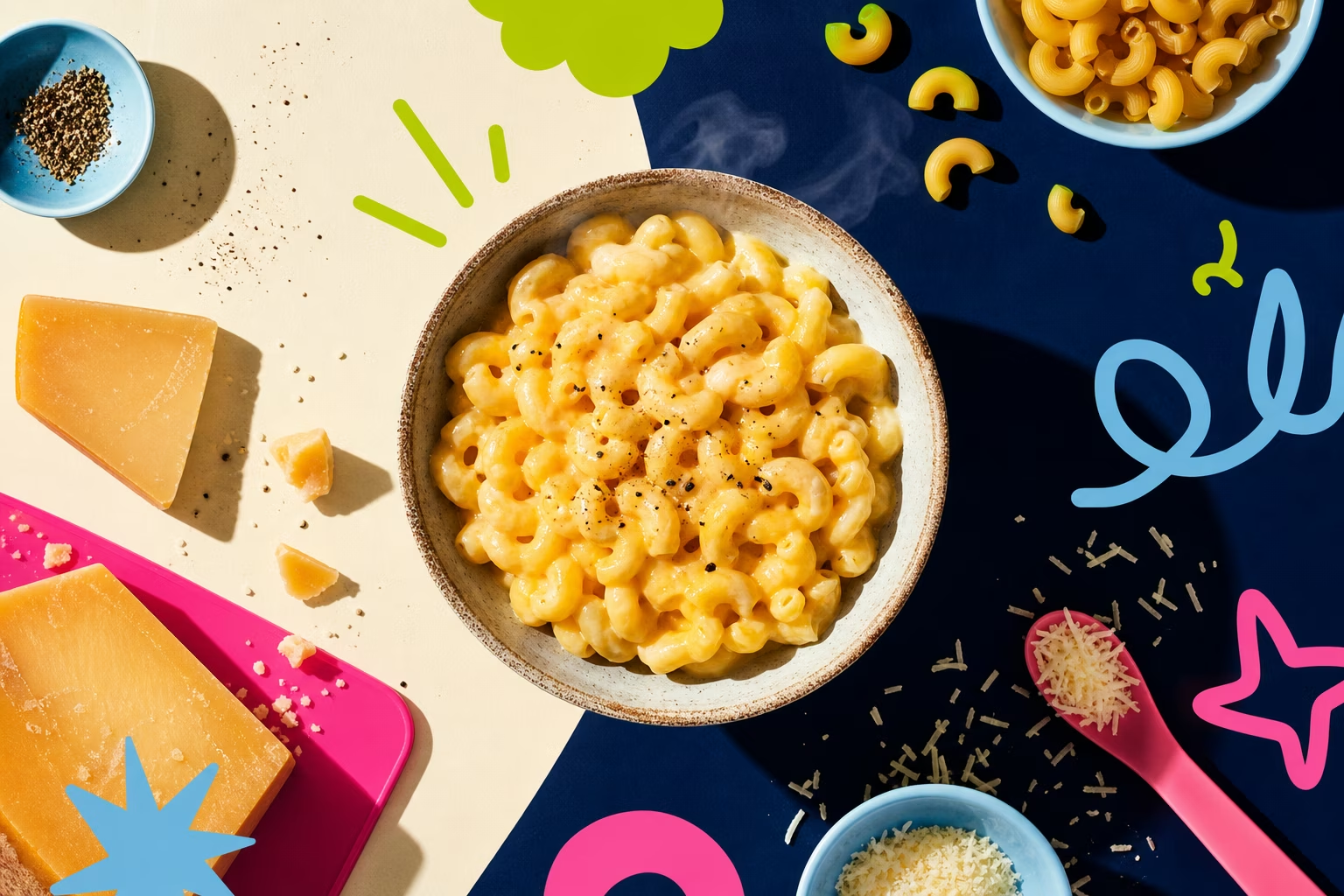
You crave that classic, ultra-creamy mac and cheese, but now your kitchen is gluten free. Good news: you can make a velvety, soul satisfying dish that rivals any traditional recipe. In this guide, I’ll walk you through every step, from picking the perfect gluten free pasta to creating a silky cheese sauce that never gets gritty. We’ll also cover the best store bought brands for those nights when you need comfort fast. By the end, your gluten free mac and cheese recipe will be the stuff of family legend.
Before we dive into the how to, let’s set the stage. According to a 2023 report by Grand View Research, the global gluten free foods market continues to expand as more people embrace these options for health and lifestyle reasons. That means better ingredients and endless inspiration. So grab your favorite pot, and let’s get started.
“The best gluten free mac and cheese doesn’t taste like a compromise. It tastes like the real deal because you’ve built layers of flavor from the roux up.”
Nicole Hunn, author of Gluten-Free on a Shoestring
What Ingredients Do You Need for a Creamy Gluten Free Mac and Cheese Recipe?
The foundation of any memorable gluten free mac and cheese recipe starts with smart ingredient choices. It’s not just about swapping regular pasta for a gluten free box. You’ll need a carefully selected pasta that holds its shape, a cheese combination that melts into satiny goodness, and a thickener that delivers richness without a trace of floury aftertaste. Let’s break it down.
Choosing the Right Gluten Free Pasta
Not all gluten free pastas are created equal. Some turn to mush the moment they hit boiling water, while others stand firm and provide the al dente bite you expect. Look for blends made from brown rice and quinoa, or corn and rice combinations. These hold up well during stirring and baking. Avoid purely rice based pastas, which can get gummy. I love brands like Barilla’s gluten free elbow macaroni, made from corn and rice, because it mimics the texture of traditional semolina pasta beautifully. Also, consider a comprehensive gluten free pasta guide to expand your options.
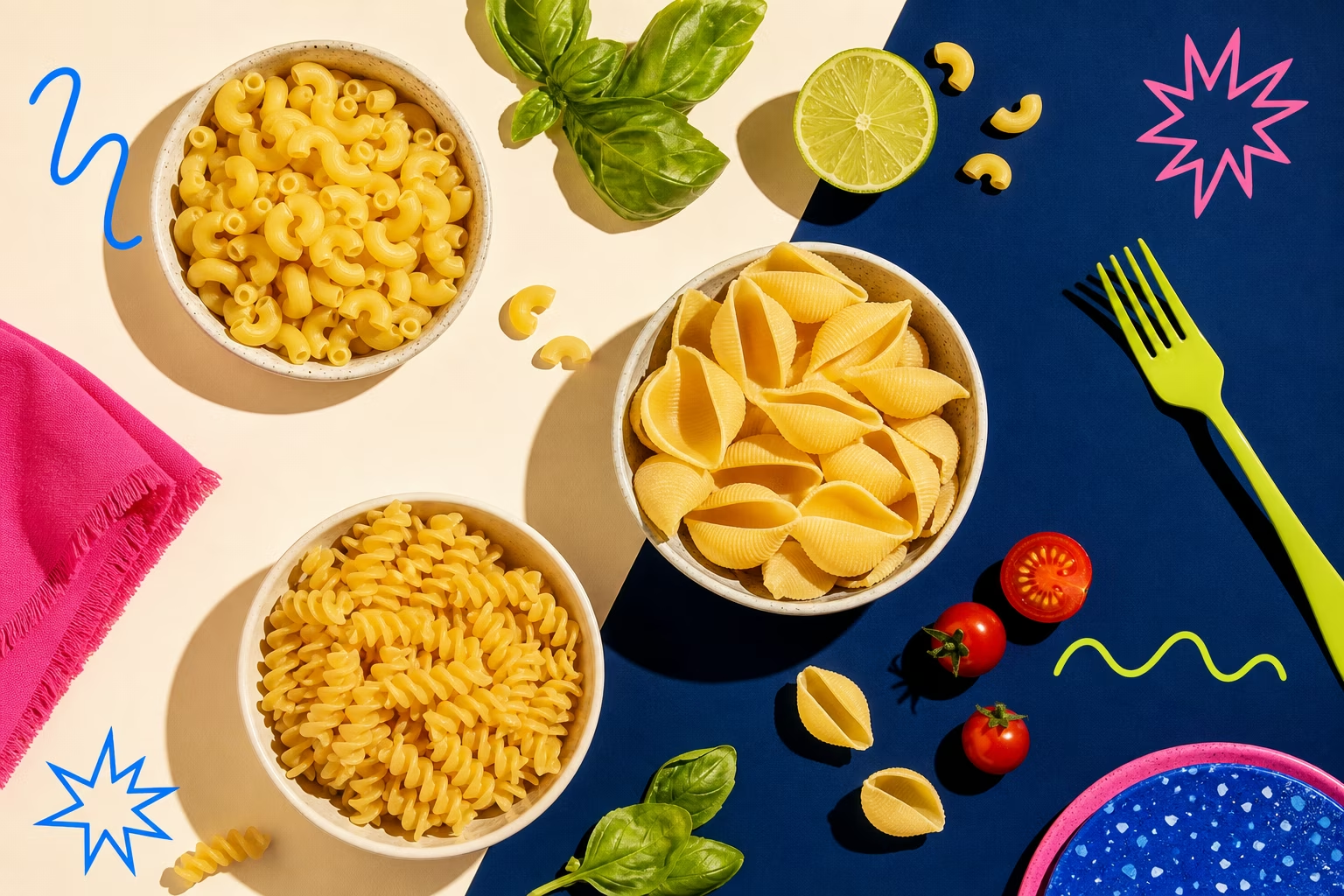
Before cooking, salt the water generously: this is your only chance to season the pasta itself. Undercook it by about a minute; it will finish cooking in the sauce or the oven. This tiny step prevents the dreaded mush and keeps each elbow distinct.
Building the Ultimate Cheese Blend
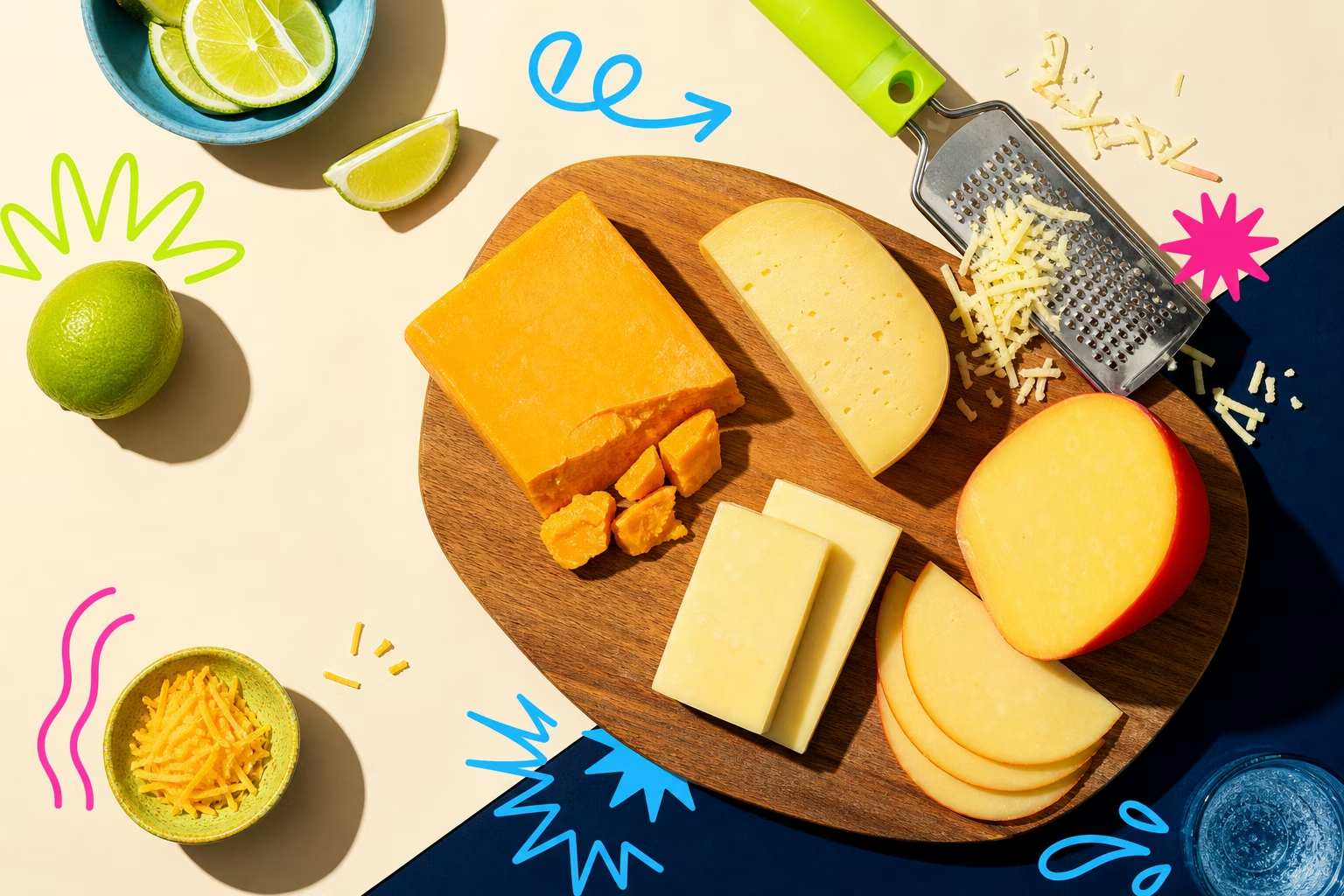
The cheese is the soul of the dish. For a classic, sharp cheddar provides that tangy backbone. But relying on cheddar alone can make the sauce grainy. I mix in a softer, melt-friendly cheese like fontina, Monterey Jack, or even a mild Gouda. They melt smoothly and add a lush texture. A touch of cream cheese, stirred in at the end, can push the sauce into truly decadent territory. Avoid pre-shredded cheese; those packages contain anti-caking agents that sabotage smooth melting. Instead, buy blocks and grate them yourself.
The Secret to a Smooth, Gluten Free Sauce Base
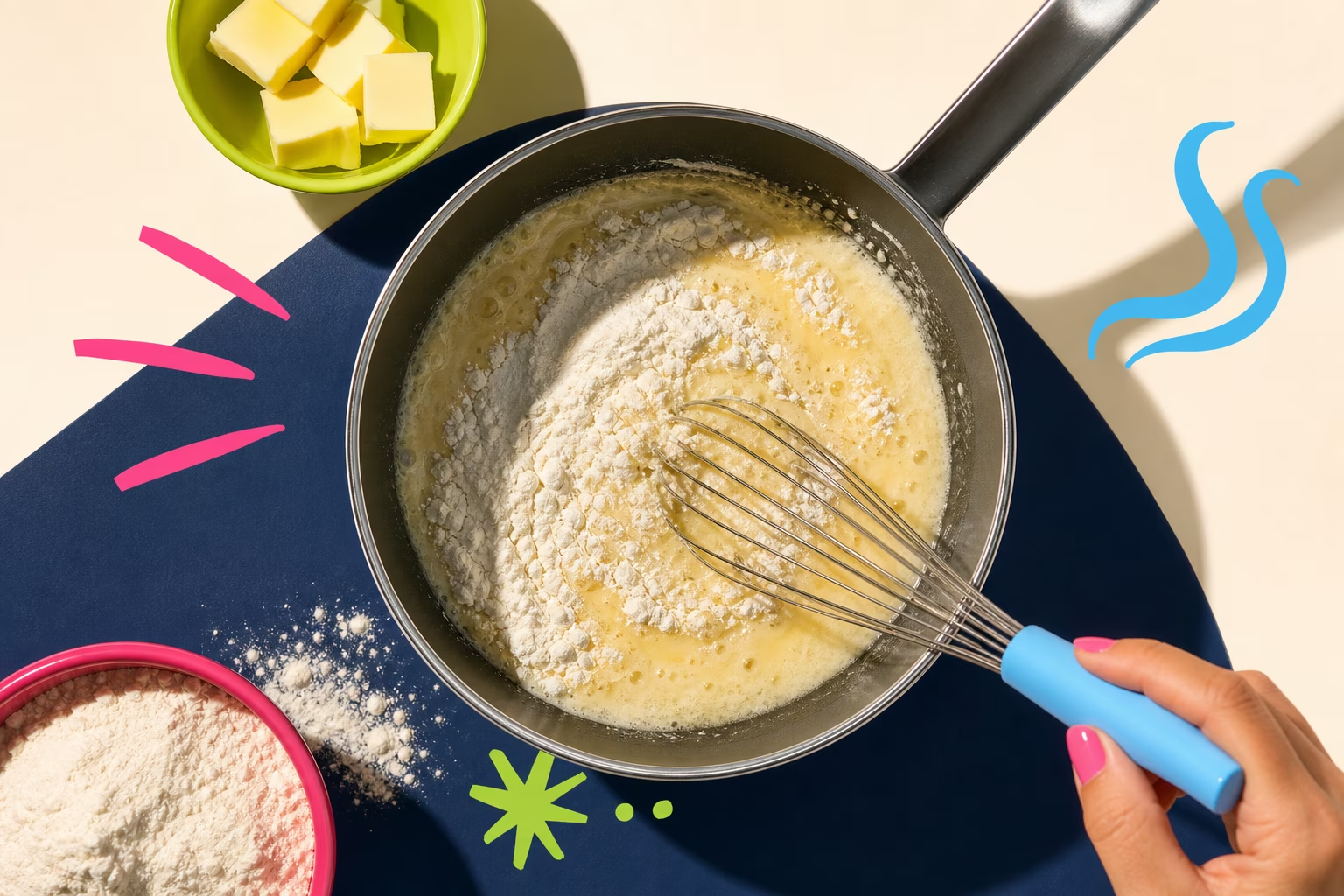
Traditional mac and cheese starts with a roux of flour and butter. In our gluten free kitchen, we have excellent alternatives. A blend of sweet rice flour and tapioca starch works wonders, or you can use a high quality all purpose gluten free flour mix like Cup4Cup or King Arthur Measure for Measure. These are designed to behave like wheat flour in sauces. For an even easier route, some cooks swear by a slurry of cornstarch in cold milk, stirred into the hot butter. It eliminates any floury risk and yields a glossy, thick sauce that clings to every curve of the pasta.
“The real secret to a glossy, creamy sauce is using a blend of whole milk and a touch of heavy cream. The fat carries the cheese flavors and prevents the sauce from breaking.”
Alton Brown, chef and television host
How Do You Make the Perfect Gluten Free Mac and Cheese from Scratch?
Now for the hands on craft. Making your own gluten free macaroni and cheese recipe at home gives you total control over richness, salt level, and add ins. The method matters just as much as the ingredients. I’ll guide you through the roux and then through two classic styles: quick stovetop and bubbly baked.
Mastering the Roux: Gluten Free Flour Power
A roux is simply fat and flour cooked together. For a gluten free version, melt 3 tablespoons of unsalted butter in a heavy saucepan over medium heat. Once foaming, whisk in 3 tablespoons of your gluten free flour blend. Cook, whisking constantly, for about 2 minutes. It will bubble and give off a slightly nutty aroma. This toasts the flour and banishes any raw taste. Don’t let it brown too much; you’re aiming for a pale golden paste. Then, slowly pour in 2 cups of whole milk, whisking fiercely to avoid lumps. Keep whisking until the mixture thickens enough to coat the back of a spoon. This is your blank canvas.
Stovetop vs. Baked: Two Paths to Creamy Perfection
Stovetop mac and cheese is ready in the time it takes to boil pasta, perfect for weeknights. Baked mac and cheese, with its crispy topping and deeper melded flavors, is worth the extra oven time. Both start with the same sauce. Choose your path based on your mood and schedule.
Step-by-Step Stovetop Gluten Free Mac and Cheese
1. Prepare your gluten free pasta according to package directions, subtracting one minute from the suggested cooking time. Drain and set aside.
2. In your sauce pot, make the roux as described above. Once thickened, reduce the heat to low.
3. Off the heat, stir in your grated cheeses a handful at a time: 2 cups sharp cheddar, 1 cup fontina. Mix until smooth. Season with a pinch of dry mustard powder (a natural emulsifier), sea salt, and a whisper of paprika for color.
4. Fold the drained pasta into the cheese sauce. If the sauce seems too thick, splash in a little warm milk. Taste and adjust salt. Serve immediately in warmed bowls.
Step-by-Step Baked Gluten Free Mac and Cheese
1. Preheat your oven to 350°F (175°C). Cook pasta as for stovetop, but undercook by a full minute and a half, since it will continue to absorb moisture in the oven.
2. Make the cheese sauce following the same steps, but keep it slightly thinner because baking will thicken it. Reserve a handful of cheese for topping.
3. Pour the sauced pasta into a buttered baking dish. Sprinkle the reserved cheese over the top, then a crunchy topping if you choose: crushed gluten free rice crackers, potato chips, or a quick mixture of gluten free breadcrumbs and melted butter.
4. Bake for 20-25 minutes, until bubbling at the edges and the top is golden. Let it rest for 5 minutes before serving so the sauce sets. Your kitchen will smell incredible.
“Baking mac and cheese is an act of love. That golden crust on top protects a creamy interior, and the contrast of textures is pure comfort.”
Shauna James Ahern, author of Gluten-Free Girl and the Chef
Which Store-Bought Gluten Free Mac and Cheese Brands Are Worth Trying?
Even the most dedicated home cook needs a quick fix. The gluten free mac n cheese aisle has exploded with options, but not all boxes are created equal. Some deliver a cheesy, satisfying dinner; others taste like cardboard with orange powder. Here’s how to pick a winner.
Top 5 Gluten Free Mac n Cheese Brands You Can Trust
First, scan the box for certifications. The Gluten-Free Certification Organization (GFCO) seal ensures the product contains less than 10 ppm of gluten. My go to brands include: Annie’s Gluten Free Mac (rice pasta with a real cheese sauce packet), Banza Chickpea Pasta Mac and Cheese (higher protein, nutty flavor), Kraft Gluten Free Mac & Cheese (the familiar blue box for a nostalgic hit), Trader Joe’s Gluten Free Mac & Cheese (frozen aisle gem with a creamy, tangy sauce), and Udi’s Gluten Free Mac & Cheese (shelf stable and reliably cheesy). Each offers a slightly different pasta shape and sauce texture, so experiment to find your household favorite. A deeper dive into gluten free grocery staples can help you stock your pantry wisely.

How to Read Labels for Hidden Gluten
Even if a package shouts “gluten free,” always flip it over. Look for ingredients like modified food starch, which can come from wheat. If it doesn’t specify corn or potato, call the manufacturer or choose another brand. Malt flavoring and brewer’s yeast are also red flags. A 2022 review by the Celiac Disease Foundation emphasizes that vigilance is key, as cross-contamination can occur during manufacturing. Dedicated gluten free facilities are the safest bet.
“I always tell my patients to be label detectives. A product labeled gluten free is generally safe, but understanding potential hidden sources empowers you to make the best choices.”
Dr. Sheila Crowe, gastroenterologist and celiac disease specialist
How Can You Customize Your Gluten Free Macaroni and Cheese Recipe?
Once you’ve mastered the basic gluten free macaroni and cheese recipe, it’s time to play. This dish is a glorious blank slate. Add proteins, vegetables, or swap pasta shapes to keep it exciting. Even your gluten free spaghetti stash can get in on the action.
Adding Protein and Veggies for a Complete Meal
Stir in cooked, diced chicken breast or crumbled bacon to satisfy the meat lovers at your table. For a plant based protein boost, fold in pan seared smoked tofu or edamame. Vegetables add color and nutrients: steamed broccoli florets, sautéed mushrooms and spinach, or roasted butternut squash puree meld wonderfully with the cheese sauce. The key is to cook the add ins before mixing them in, so they don’t release water and thin out your sauce. For a spicy kick, a dash of hot sauce or a spoonful of diced jalapeños wakes up all the flavors.
Swapping Pasta Shapes: Gluten Free Spaghetti and Beyond
Who says mac and cheese must be elbow shaped? Use any short gluten free pasta: shells, rotini, cavatappi, or even gluten free spaghetti broken into thirds for a playful twist. When using longer strands like gluten free spaghetti, cook them al dente and cut them into manageable lengths before tossing with the sauce. This works beautifully with a rich gluten free pasta sauce if you want a baked casserole with a tomato cream base: simply mix your cheese sauce with a cup of your favorite gluten free pasta sauce for a pink vodka style mac. The possibilities are endless.
Creative Crunchy Toppings for Texture Lovers
Above the cheese, the topping makes the bake. Mix 1/2 cup gluten free panko breadcrumbs with 2 tablespoons melted butter and a pinch of smoked paprika. Sprinkle over your mac before baking. For a nutty crunch, use crushed almonds or pecans combined with gluten free crackers. Potato chip crumbles are a nostalgic favorite. Whatever you choose, don’t skip the topping; it provides the textural contrast that turns a side dish into a main event.
This gluten free mac and cheese recipe belongs in your weekly rotation. It’s proof that comfort food can be both safe and spectacular. As you explore variations, remember that the ultimate gluten free living guide is there whenever you need fresh inspiration. Now, grab a fork and dig in.
“The beauty of a classic mac and cheese lies in its adaptability. Once you get the sauce technique down, the rest is just creative play.”
Megan Giller, author of Bean-to-Bar Chocolate: America’s Craft Chocolate Revolution and gluten free cooking enthusiast
What is the best gluten free flour for a roux?
Sweet rice flour and tapioca starch are excellent for creating a smooth gluten free roux. Alternatively, use a high-quality all-purpose gluten free flour blend.
Can I make gluten free mac and cheese ahead of time?
Yes, prepare the sauce and pasta separately. Combine and refrigerate, then bake just before serving to maintain the best texture.
How do I store leftover gluten free mac and cheese?
Store leftovers in an airtight container in the refrigerator for up to three days. Reheat gently on the stovetop or in the oven to prevent drying out.
Can I freeze gluten free mac and cheese?
Freezing is possible, but the texture may change slightly. For best results, freeze before baking and bake straight from frozen, adding extra time.
What are some non-dairy cheese options for mac and cheese?
Non-dairy cheeses like Daiya or Violife can be used. Choose varieties labeled as melting or creamy for the best results.
How can I make my mac and cheese more flavorful?
Experiment with spices like garlic powder, onion powder, or a hint of nutmeg. Adding a splash of hot sauce or mustard powder can also enhance flavor.