If you have ever scanned a menu and spotted the letters “GF,” or watched a friend turn down a slice of birthday cake with a quiet “I can’t eat gluten,” you have witnessed a quiet revolution in the way we eat. What once felt like a fringe medical diet now shapes grocery store aisles, restaurant menus, and cookbooks around the world. Yet behind the label “gluten free” lies a world of confusion, myth, and genuine need. Whether you are newly diagnosed, cooking for a loved one, or simply curious about a gluten free diet, this guide will equip you with everything you need. We will cover what gluten is, who must avoid it, a comprehensive gluten free foods list, safe substitutes, the realities of cross-contamination, and how a gluten-free lifestyle intersects with other popular diets like keto and vegan. Let us build a vibrant, nourishing plate without a trace of gluten.
What Is Gluten and Why Do Some People Avoid It?
Gluten is a family of proteins found in wheat, barley, rye, and crossbreeds like triticale. It acts like a glue that helps foods maintain their shape, giving bread its chewy texture and pizza dough its stretch. For most people, gluten is harmless. For others, it triggers a cascade of health problems that range from uncomfortable to life-altering.
The spectrum of gluten-related disorders includes three main conditions: celiac disease, non-celiac gluten sensitivity (NCGS), and wheat allergy. Each operates differently in the body, but all share one solution: strict avoidance of gluten.
Celiac disease is an autoimmune disorder. When someone with celiac disease eats gluten, their immune system attacks the lining of the small intestine, damaging the villi that absorb nutrients. Over time, this can lead to malnutrition, anemia, osteoporosis, infertility, neurological problems, and even certain cancers. Celiac disease affects about 1% of the global population, although many cases remain undiagnosed [1]. For these individuals, a gluten free diet is not a lifestyle choice, it is a medical necessity with no room for cheating.
Non-celiac gluten sensitivity (NCGS) produces symptoms similar to celiac disease, such as bloating, brain fog, joint pain, and fatigue, but without the intestinal damage or autoimmune markers. Researchers estimate that up to 6% of people may experience NCGS [2]. Diagnosis is made by ruling out celiac disease and wheat allergy, then observing symptom improvement on a gluten free diet. While not life-threatening in the same way, NCGS can significantly impair quality of life.
Wheat allergy is an IgE-mediated allergic reaction to wheat proteins, which may include gluten. Symptoms appear within minutes to hours and can involve hives, swelling, difficulty breathing, or anaphylaxis. Unlike celiac disease, wheat allergy sometimes resolves in childhood and requires avoidance of wheat rather than all gluten sources, though barley and rye often enter the exclusion list to simplify the diet.
There are also less common conditions such as dermatitis herpetiformis, an intensely itchy skin manifestation of celiac disease, and gluten ataxia, an autoimmune condition that affects coordination and balance. For all these groups, the prescription is the same: a lifelong, strict gluten free diet.
Who Needs a Gluten-Free Diet?
The short answer: anyone with a diagnosed gluten-related disorder needs a medically supervised gluten free diet. The longer answer acknowledges that gluten-free living has ballooned into a cultural trend embraced by athletes, celebrities, and wellness enthusiasts who believe it boosts energy or aids weight loss. If you do not have a medical reason to avoid gluten, there is no proven health benefit to cutting it out. In fact, unnecessary restriction can lead to nutrient gaps, higher grocery bills, and social friction.
Still, some people experiment with a gluten free diet because they suspect a sensitivity. If you fall into this camp, get tested for celiac disease before eliminating gluten. The diagnostic blood tests and intestinal biopsy require active gluten consumption to be accurate. Once you remove gluten, the antibodies drop, and you may never get a definitive answer. A gastroenterologist or registered dietitian can guide you through the process.
After diagnosis, a gluten free diet becomes the centerpiece of healing. The intestinal villi begin to repair, nutrient absorption improves, and symptoms usually fade within weeks to months. The diet must be strict; even a crumb of bread or a shared toaster can trigger damage in celiac disease, even if symptoms are absent.
Gluten-Free Foods List: What You Can Eat
One of the most empowering steps is to focus on abundance, not deprivation. There is a long, colorful list of naturally gluten free foods that form the backbone of a healthy diet. Use this gluten free foods list as your foundation.
Fruits and Vegetables
Every fresh, frozen, or canned fruit and vegetable (without added sauces or thickeners) is naturally gluten free. Load your plate with leafy greens, berries, citrus, cruciferous vegetables, root vegetables, and more. These provide fiber, vitamins, and antioxidants that may be in short supply if you relied on fortified wheat products.
Proteins
Plain, unprocessed meats, poultry, fish, and eggs contain no gluten. Choose fresh cuts of beef, chicken, pork, lamb, and seafood. Be cautious with marinated, breaded, or pre-seasoned proteins, as well as processed meats like sausages, deli meats, and imitation crab, which often use wheat-based fillers. Always read labels or ask your butcher.
Legumes, Nuts, and Seeds
Beans, lentils, chickpeas, peas, peanuts, tree nuts, and seeds are all gluten free in their natural state. Dried legumes sometimes carry a risk of cross-contact with grains during processing, so it is wise to rinse and sort them. Nut butters should ideally contain just nuts and salt; check for added flavorings.
Dairy
Milk, plain yogurt, cheese, cream cheese, and butter are gluten free. Flavored yogurts, processed cheese spreads, and some blue cheeses may introduce gluten through additives or mold cultures grown on wheat bread. Stick to plain varieties when possible, and verify with the manufacturer.
Gluten-Free Grains and Starches
This category often surprises people. Many whole grains are naturally free of gluten and incredibly nutritious. Safe grains and starches include:
- Rice (white, brown, wild, basmati, jasmine)
- Corn (maize, polenta, cornmeal, popcorn)
- Quinoa
- Millet
- Buckwheat (despite the name, it is not related to wheat)
- Amaranth
- Teff
- Sorghum
- Certified gluten-free oats (oats are inherently gluten free but frequently contaminated; only buy oats labeled gluten free)
- Arrowroot, tapioca (cassava), potato starch, and sweet potato
These grains can be used as side dishes, breakfast porridges, or ground into flours for baking.
Fats, Oils, and Condiments
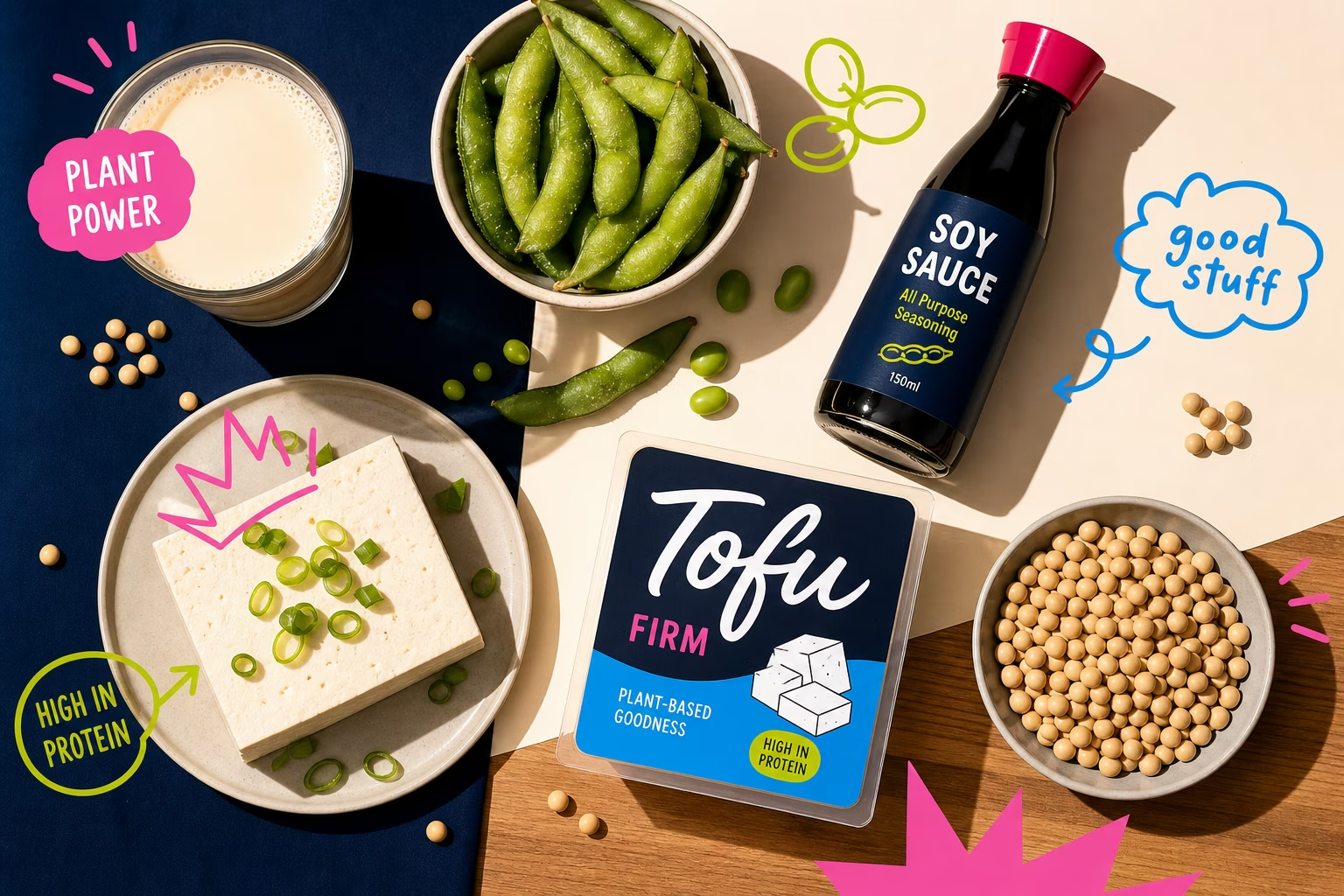
Butter, olive oil, coconut oil, avocado oil, and most vegetable oils are safe. Pure herbs, spices, salt, pepper, vinegar (except malt vinegar), mustard (check for wheat starch), and most ketchup and mayonnaise are gluten free. Soy sauce traditionally contains wheat, so look for tamari or gluten-free soy sauce. Salad dressings and marinades can hide gluten in thickeners or malt flavoring, so scan ingredient lists.
Beverages
Water, coffee, tea, 100% fruit juice, most wines, and distilled spirits like vodka, gin, and whiskey are technically gluten free, as the distillation process removes gluten proteins. However, some individuals with extreme sensitivity react to grain-based spirits, so proceed with awareness. Beer is typically made from barley and is not gluten free unless specifically labeled gluten-free beer (made from sorghum, rice, or other grains). Hard ciders and mead are usually safe.
Foods to Avoid on a Gluten-Free Diet
Equally important is knowing where gluten hides. The obvious culprits are bread, pasta, pastries, and baked goods made with wheat flour. But gluten is a master of disguise. Here is a list of ingredients and foods to avoid.
Gluten-Containing Grains and Their Derivatives
- Wheat (including varieties like spelt, kamut, farro, durum, einkorn, emmer)
- Barley
- Rye
- Triticale (a wheat-rye hybrid)
- Semolina, bulgur, couscous, farina
- Wheat starch (unless specially processed to remove gluten to below 20 ppm)
- Malt (derived from barley), malt extract, malt syrup, malt flavoring, malt vinegar
- Brewer’s yeast (a byproduct of beer brewing)
Common Foods That Often Contain Gluten
| Category | Examples / Specific Foods |
|---|---|
| Breads & Wraps | Bread, bagels, tortillas, wraps, naan, pita |
| Pasta & Noodles | Pasta, noodles, ramen, udon, soba (unless labeled 100% buckwheat) |
| Breakfast Cereals | Cereals, granola, granola bars (unless certified gluten‑free) |
| Snacks | Crackers, pretzels, chips with seasonings |
| Baked Goods | Cakes, cookies, muffins, doughnuts, pastries, pie crusts |
| Alcoholic Beverages | Beer, ale, lager, malt beverages |
| Meat Substitutes | Seitan (pure wheat gluten) |
| Fried Foods | Breaded and fried foods (unless breading is gluten‑free) |
| Sauces & Gravies | Gravies, sauces, creamy soups thickened with a roux (flour + butter) |
| Asian Sauces | Soy sauce, teriyaki sauce (unless using tamari or GF labeled) |
| Dressings & Marinades | Salad dressings, marinades with malt vinegar or wheat thickeners |
| Processed Meats | Sausages, hot dogs, deli slices (may contain wheat fillers) |
| Imitation Seafood | Surimi (imitation crab, etc.) |
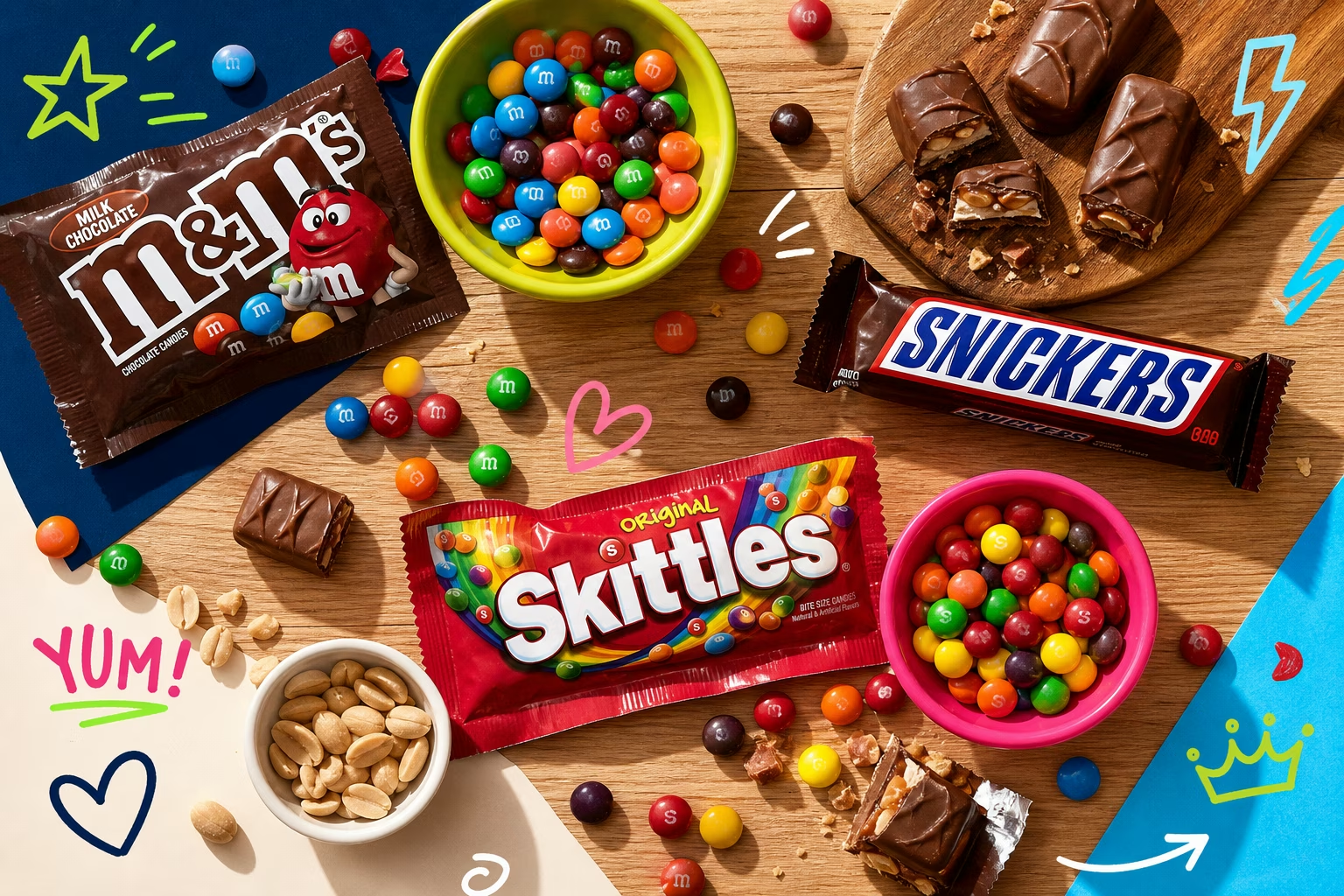
| Candy | Licorice and some candies (wheat flour as binder) |
| Other | Communion wafers, some medications or supplements (check pharmacist) |
Hidden Danger: Oats
Oats are naturally gluten free, but they are frequently grown, transported, and processed alongside wheat, barley, and rye. Cross-contamination is so common that only oats labeled “certified gluten free” are considered safe. A small percentage of people with celiac disease also react to avenin, the protein in oats, so introduce them cautiously after your gut has healed.
Gluten-Free Substitutes and Alternatives
A gluten free kitchen is a playground of alternative flours and ingenious swaps. With a little know-how, you can recreate almost any favorite food.
Flour Power: A Guide to Gluten-Free Flours
Gluten-free baking relies on blends rather than single flours, because no single alternative replicates the elasticity and structure of wheat gluten. Common flours include:
- Almond flour: Moist, rich, perfect for dense cakes, cookies, and pie crusts.
- Coconut flour: Highly absorbent; requires extra eggs or liquid.
- Rice flour (white or brown): A versatile base for many blends; neutral taste.
- Tapioca flour/starch: Adds chewiness and helps bind.
- Potato starch: Provides lightness and moisture.
- Chickpea (garbanzo bean) flour: Nutty flavor, great for savory pancakes and flatbreads.
- Sorghum and millet flours: Mild, whole-grain flavor.
- Buckwheat flour: Earthy, ideal for pancakes and blini.
- Oat flour (certified GF): Adds softness and a subtle sweetness.
Commercial all-purpose gluten-free flour blends (like Bob’s Red Mill 1-to-1 or King Arthur Measure for Measure) take the guesswork out of ratios. They often include xanthan gum or guar gum, which mimic gluten’s binding properties.
Everyday Swaps
- Pasta: Corn, rice, quinoa, or legume-based (chickpea, lentil) pastas are widely available and taste delicious.
- Bread: There are now gluten-free sandwich breads, sourdoughs, and artisan loaves. Check the freezer section; many hold up better when toasted.
- Tortillas and wraps: Corn tortillas are naturally gluten free. Look for 100% corn with no wheat flour added. There are also cassava, almond flour, and coconut wraps.
- Pizza crust: Pre-made GF crusts use rice, cauliflower, or almond flour. Some pizzerias offer GF bases, but always ask about cross-contamination protocols.
- Crackers and snacks: Rice cakes, nut-based crackers, popcorn, and veggie chips are easy wins.
- Beer: Gluten-free beers made from sorghum, rice, millet, or buckwheat are on the rise. Hard ciders and seltzers are generally safe.
Baking Tips
When you first start baking gluten free, expect a learning curve. Batter will look different, often thinner or thicker than wheat-based dough. Here are a few pro tips:
- Weigh ingredients with a kitchen scale for accuracy.
- Let batters rest for 15-30 minutes to hydrate flours and reduce grittiness.
- Add an extra egg or a “flax egg” (1 tablespoon ground flaxseed plus 2.5 tablespoons water) to improve structure.
- A touch of apple cider vinegar or lemon juice helps activate baking soda and create lift.
- Store baked goods in the fridge or freezer; they stale faster without gluten.
Is Gluten Free Keto?
The question “is gluten free keto?” lands in search bars frequently, because both diets share a “restriction” aura. The answer: they are not the same thing, and gluten-free does not automatically mean low-carb. A gluten free diet eliminates gluten-containing grains but allows many high-carbohydrate foods like rice, potatoes, corn, quinoa, and gluten-free flours (rice flour, tapioca starch, etc.). The ketogenic diet, by contrast, restricts total carbohydrates to around 20-50 grams per day, regardless of gluten content.
You can absolutely combine the two, but it requires intentional choices. A gluten-free keto plate would center on:
- Non-starchy vegetables (leafy greens, broccoli, zucchini, cauliflower)
- Animal proteins and eggs
- Full-fat dairy (cheese, butter, heavy cream)
- Nuts and seeds (almonds, macadamias, chia seeds)
- Low-carb gluten-free flours: almond flour, coconut flour, flax meal
- Healthy oils and avocado
What you would typically avoid on a dual gluten-free keto plan: gluten-free breads, pastas, and baked goods made with rice flour, tapioca, or potato starch, and naturally gluten-free grains like quinoa and rice. If you are exploring keto while maintaining a gluten free diet, check the carb count on every packaged gluten-free item; they are often higher in carbs than their wheat-based counterparts. For more detailed guidance, see our dedicated resource on living a gluten free keto lifestyle.
Is Vegan Gluten Free?
Another frequent query: “is vegan gluten free?” As with keto, the diets overlap in some areas and clash in others. Vegan excludes all animal products; gluten free excludes gluten. There are countless foods that are both vegan and gluten free, including:
- All fruits and vegetables
- Legumes, tofu (check that it is not flavored with soy sauce), tempeh (make sure it is not mixed with barley or wheat)
- Nuts, seeds, and their butters
- Gluten-free whole grains: quinoa, brown rice, buckwheat, millet, amaranth, teff, sorghum
- Plant-based oils, vinegars, herbs, and spices
The biggest pitfall for vegan gluten-free eaters is seitan, a popular high-protein meat alternative made almost entirely of wheat gluten. Avoid it completely. Many commercial veggie burgers, faux chicken strips, and sausages also use wheat as a binder. Always read labels; look for products explicitly marked vegan and gluten free. The good news is that the market now offers a wealth of options, from chickpea-based burgers to lentil pastas, making a vegan gluten free diet both doable and deeply nourishing. For a deeper dive, visit our guide on thriving as a vegan on a gluten free diet.
Cross-Contamination and How to Avoid It
Strict adherence to a gluten free diet goes far beyond reading ingredient lists. Cross-contamination, the introduction of gluten into otherwise safe food, is a constant threat, especially for those with celiac disease.
At Home
Creating a safe kitchen requires vigilance. If you share a home with gluten eaters, implement these habits:
- Separate toaster: Even crumbs can trigger a reaction. Buy a dedicated gluten-free toaster or use toaster bags.
- Cutting boards and utensils: Use color-coded boards, or thoroughly wash between uses. Porous wooden boards can harbor gluten particles; stainless steel and glass are safest.
- Condiments: Crumbs in the butter dish, jam jar, or peanut butter can be a hidden source. Use squeeze bottles or label separate containers.
- Cookware: Non-stick pans with scratches may retain gluten. Replace if needed, or use dedicated pans.
- Storage: Keep gluten-free flours and foods in sealed containers away from wheat flour, which can stay airborne for hours and settle on surfaces.
- Cleaning: Wipe counters with fresh cloths, and wash hands before preparing GF food.
When Eating Out
Dining out is one of the trickiest parts of a gluten free life. Even restaurants with a gluten-free menu can falter. Arm yourself with questions:
- Is there a dedicated fryer for fries and other fried items? Shared fryers are a common source of contamination.
- Are gluten-free pasta or pizza cooked in the same water or on the same surface as gluten items?
- Can the kitchen change gloves and use clean utensils?
- Is the broth or soup base thickened with flour?
- What about marinades and spice blends?
Apps like Find Me Gluten Free can help you locate vetted restaurants. When in doubt, choose simple grilled or steamed dishes with plain ingredients, and always communicate clearly with your server about your needs. A gluten free diet is medical, not a preference, and framing it that way helps.
Decoding Food Labels
In the United States, the FDA’s gluten-free labeling rule requires that any food bearing the claim “gluten free,” “no gluten,” “free of gluten,” or “without gluten” must contain less than 20 parts per million (ppm) of gluten, a level considered safe for most people with celiac disease [3]. Many manufacturers also pursue third-party certification from organizations like the Gluten-Free Certification Organization (GFCO), which tests to an even stricter 10 ppm standard. Look for their seal on packaging.
Be aware that “wheat-free” does not mean gluten-free. A product can be free of wheat but still contain barley, rye, or malt. Always read the full ingredient list. Advisory statements like “may contain wheat” or “processed in a facility that also processes wheat” indicate a risk of cross-contact and are voluntary; if you are highly sensitive, you may choose to avoid those products.
Living Well Without Gluten: Nutrition and Lifestyle Tips
Transitioning to a gluten free diet can feel overwhelming, but with a few smart strategies, you can thrive.
Plugging the Nutrient Gaps
Traditional wheat products are fortified with B vitamins (thiamin, riboflavin, niacin, folic acid) and iron. When you remove them, you need to find these nutrients elsewhere. A whole-foods-based gluten free diet naturally covers many bases if you include:
- Fiber: Found in fruits, vegetables, beans, lentils, nuts, seeds, and gluten-free whole grains like quinoa, teff, and brown rice. Low fiber intake is a common pitfall, so aim for at least 25-30 grams daily.
- B vitamins: Eggs, dairy, leafy greens, legumes, and fortified gluten-free cereals help meet needs. Nutritional yeast (check for GF certification) adds a cheesy, B12-rich boost.
- Iron: Red meat, poultry, fish, spinach, lentils, and pumpkin seeds are excellent sources. Pair plant-based iron with vitamin C (a squeeze of lemon) to enhance absorption.
- Folate: Abundant in leafy greens, asparagus, broccoli, and oranges. Many gluten-free breads are now fortified with folic acid.
- Calcium and vitamin D: If dairy is limited, turn to fortified plant milks, leafy greens, and canned fish with bones.
A registered dietitian can evaluate your specific intake and recommend supplements if necessary. Regular blood work to monitor iron, vitamin D, and B12 levels is wise in the first year after diagnosis.
Building a Balanced Gluten-Free Plate
For every meal, use the plate method as a visual guide: fill half with vegetables and fruit, one-quarter with lean protein, and one-quarter with gluten-free grains or starchy vegetables. Add a drizzle of healthy fat and a sprinkle of flavor. This approach automatically steers you toward nutrient density and away from over-relying on processed GF replacement foods.
Mindset and Community
A gluten free diet works best when you embrace it as an opportunity to explore new foods rather than a list of restrictions. Discover the nuttiness of teff porridge, the creaminess of coconut flour pancakes, the bright flavors of quinoa tabbouleh. Connect with others who get it. The Celiac Disease Foundation, Beyond Celiac, and Gluten Intolerance Group offer recipes, support groups, and conferences. Social media is full of dietitians and home cooks sharing creative gluten-free meals. You do not have to navigate this path alone.
Travel and Social Events
Call ahead to hotels and airlines to request gluten-free meals. Pack shelf-stable snacks like nuts, rice cakes, and protein bars so you are never stuck. At parties, bring a dish you can eat and share. Most hosts are relieved when you offer to contribute. With practice, advocating for your needs becomes second nature.
Bringing It All Together
A gluten free diet is a powerful tool that restores health and vitality to millions of people. It begins with understanding what gluten is and whether you need to eliminate it. It flourishes when you fill your kitchen with the abundant, naturally gluten free foods, fruits, vegetables, proteins, legumes, and ancient grains that form the true heart of this lifestyle. It succeeds when you master the art of safe cooking, label reading, and dining out.
You now have a complete gluten free foods list, the knowledge to spot hidden gluten, and the confidence to answer questions like “is gluten free keto?” or “is vegan gluten free?” with clarity. Whether you are newly diagnosed with celiac disease, navigating gluten sensitivity, or simply cooking for someone you love, you are equipped to create meals that are both healing and delicious.
Remember, the transition is a journey. Be patient with yourself. Celebrate each safe, satisfying meal. Keep learning, keep experimenting, and lean on the growing community of gluten-free living. For further exploration, check out our in-depth articles on gluten free keto eating, thriving as a vegan on a gluten free diet, and a full collection of gluten-free recipes that prove this lifestyle is anything but boring. Here is to living well, without gluten, but with all the joy.
References
- Celiac Disease Foundation. “What is Celiac Disease?” https://celiac.org/about-celiac-disease/what-is-celiac-disease/
- Beyond Celiac. “Non-Celiac Gluten Sensitivity.” https://www.beyondceliac.org/celiac-disease/non-celiac-gluten-sensitivity/
- U.S. Food and Drug Administration. “Gluten-Free Labeling of Foods.” https://www.fda.gov/food/food-labeling-nutrition/gluten-free-labeling-foods
- Mayo Clinic. “Gluten-free diet: What’s allowed, what’s not.” https://www.mayoclinic.org/healthy-lifestyle/nutrition-and-healthy-eating/in-depth/gluten-free-diet/art-20048530
- National Institute of Diabetes and Digestive and Kidney Diseases. “Celiac Disease.” https://www.niddk.nih.gov/health-information/digestive-diseases/celiac-disease