Are M&Ms Gluten Free?
Why Gluten-Free Candy Matters for Celiac Disease and Sensitivity
Celiac Disease and Gluten Sensitivity: The Silent Danger
You might think a tiny candy won’t hurt you. For the estimated 1 in 100 people worldwide with celiac disease, even the smallest crumb containing gluten can trigger a dangerous immune reaction. According to a 2020 National Institutes of Health report, celiac disease damages the small intestine and leads to malnutrition, anemia, and a host of other long-term complications if gluten is not strictly avoided. Non-celiac gluten sensitivity, while less damaging to the intestine, can still cause debilitating symptoms like brain fog, fatigue, and joint pain. For these individuals, knowing whether a favorite treat is safe isn’t a casual curiosity (it’s a daily necessity).
“For someone with celiac disease, just 1/8th of a teaspoon of flour containing gluten can cause damage to the small intestine.”
Celiac Disease Foundation
Many families rely on trusted candy brands for holidays, school events, or movie nights. Yet hidden sources of gluten lurk where you’d least expect them. In this case study, we’ll examine America’s most popular candies, starting with the classic rainbow button, to give you a clear, reliable guide you can use right now.
The Rise of Gluten-Free Diets and Candy Manufacturers’ Response
The gluten-free market has exploded over the past decade, with global sales projected to exceed $14 billion by 2030, according to a 2023 Grand View Research analysis. This demand has pushed major candy makers to re-evaluate recipes, invest in dedicated production lines, and pursue certified gluten-free labels. Companies like Mars, Hershey’s, and Tootsie Roll now maintain online allergen portals and hotlines to answer consumer questions. Still, not all brands have moved at the same speed, and seasonal or limited-edition treats often slip through the cracks. The next section puts nearly two dozen iconic treats under the microscope to separate fact from fiction.
Before diving in, bookmark our The Ultimate Gluten-Free Guide: Foods, Substitutes & Living Well Without Gluten for more smart swaps and meal plans.
Case Study: Testing the Gluten-Free Status of America’s Favorite Candies
Are M&Ms Gluten Free?
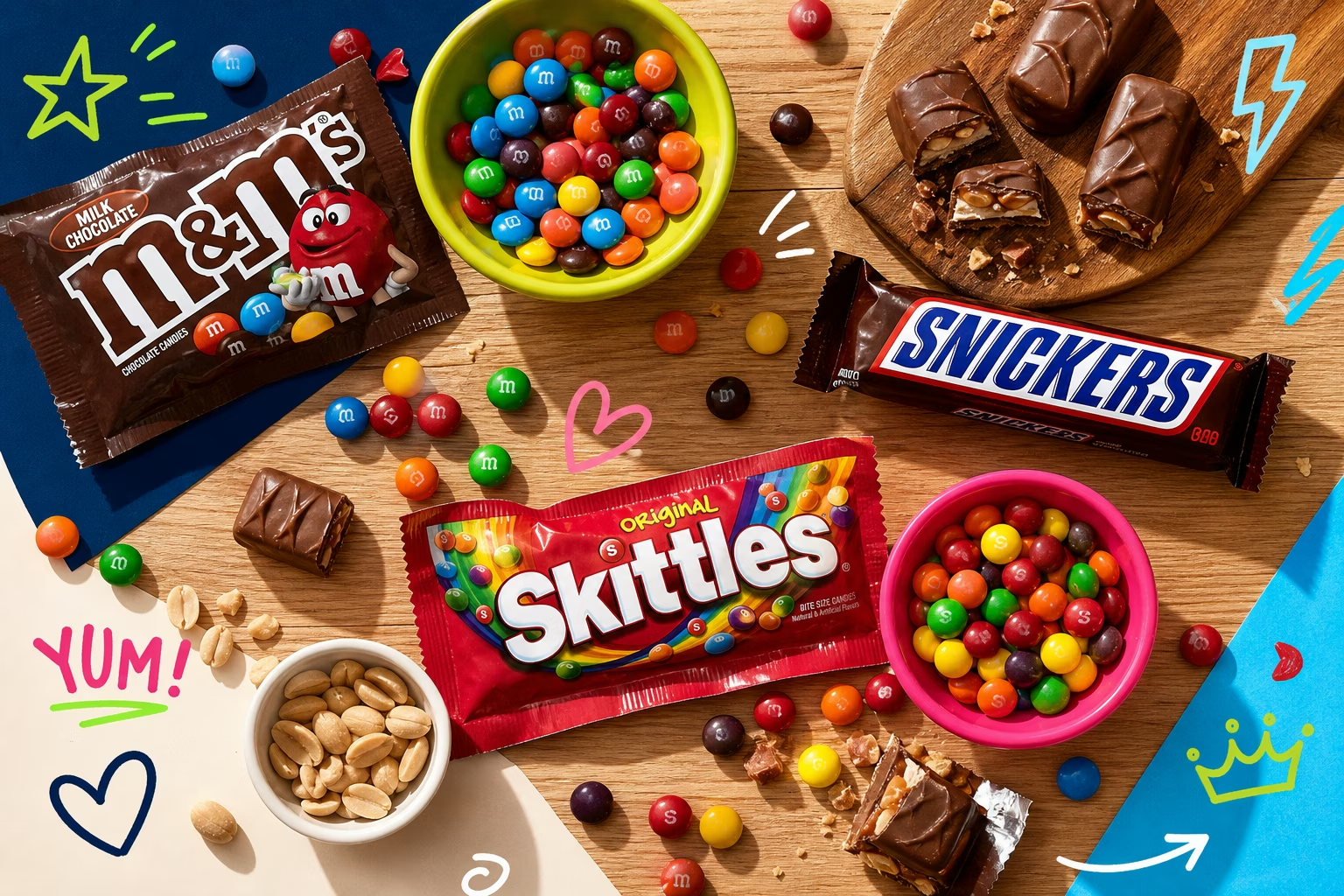
The short answer: Yes, most classic M&M’s are gluten free. Mars, Inc. publicly states that Milk Chocolate M&M’s, Peanut M&M’s, and Peanut Butter M&M’s are made without wheat, barley, rye, or oat ingredients. However, the company does not test every batch to the FDA’s 20 parts per million (ppm) threshold for a “gluten free” claim, so the packaging may not carry an official gluten-free logo. Cross-contamination risk is generally low because the chocolate and peanut centers are produced on dedicated lines, though some seasonal shapes (like the crispy, pretzel, or mint varieties) may contain barley malt or wheat starch. Always read the ingredient panel before buying those.
“Our Milk Chocolate M&M’s and Peanut M&M’s do not contain gluten-containing ingredients.”
Mars, Inc.
As food safety expert Nicole Hunn of Gluten-Free on a Shoestring reminds us, “Many popular candies appear gluten-free, but shared equipment with wheat-based products can introduce trace amounts. Always reach out to the manufacturer if you’re unsure.” For everyday snacking, Milk Chocolate and Peanut M&M’s remain a safe bet for most gluten-free households.
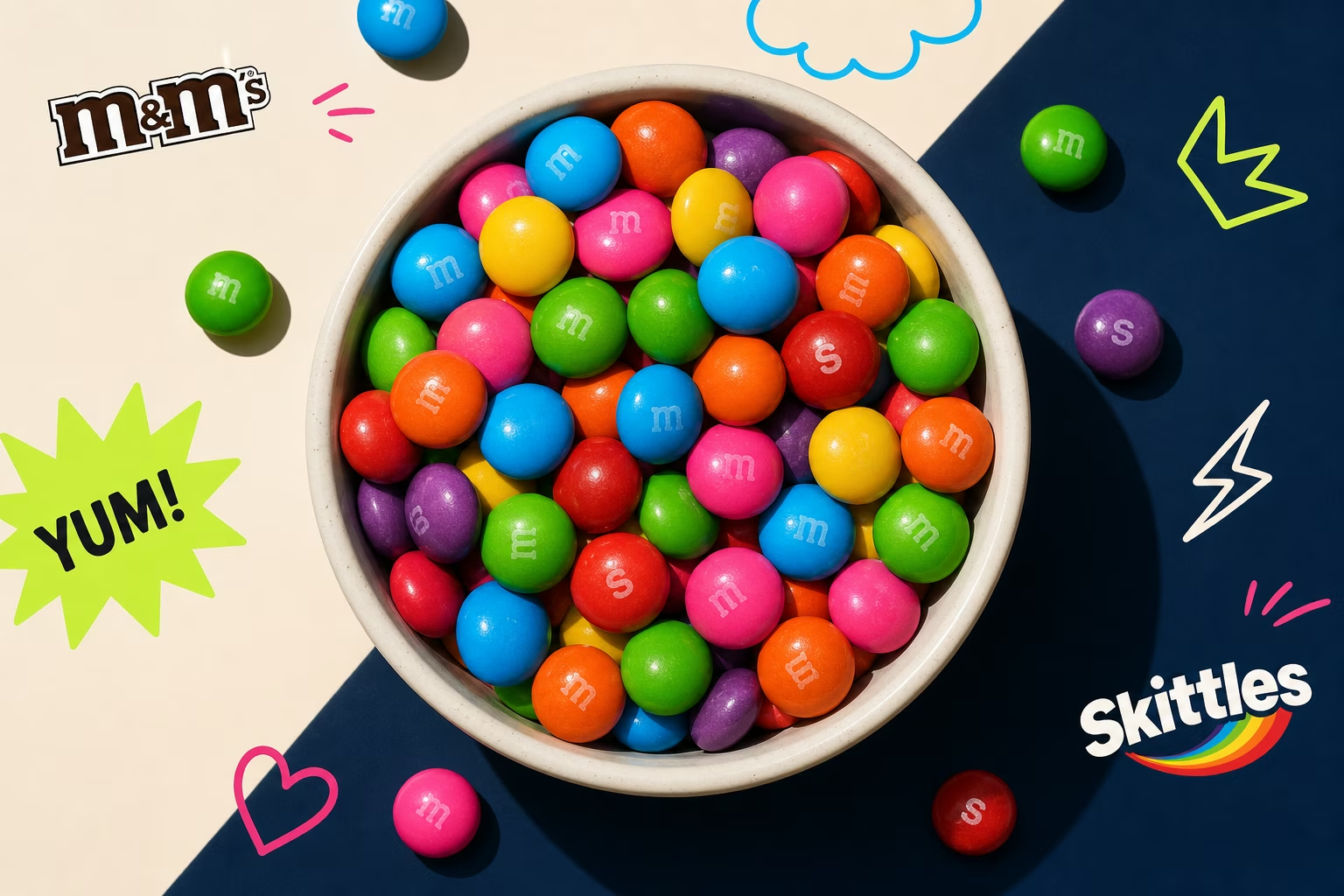
Are Skittles Gluten Free?
Yes, Skittles are gluten free. All standard Skittles varieties sold in the United States, including Original, Sour, Wild Berry, and Tropical, are made without any gluten-containing grains. Parent company Mars uses corn syrup, sugar, and modified corn starch as the primary binding agents, and no wheat, barley, or rye appears on the ingredient list. The brand’s allergy information page confirms that Skittles are safe for those with celiac disease. Just watch for limited-edition flavors (like Skittles Gummies or Dips) that may be produced on shared lines; a quick label scan will alert you to any “contains wheat” statement.
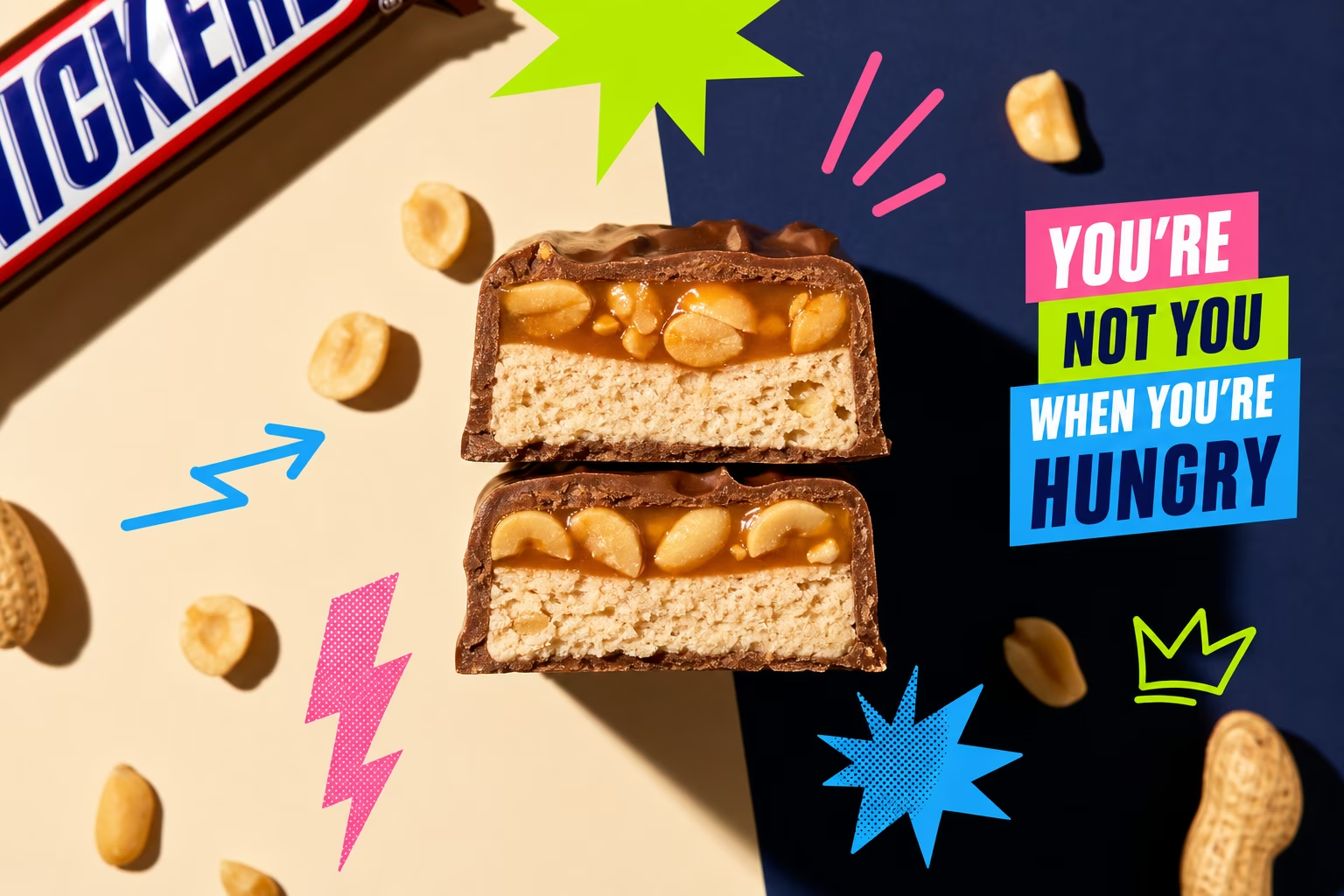
Are Snickers Gluten Free?
Unfortunately, the classic Snickers bar is not considered gluten free. The nougat layer contains barley malt, a sweetener derived from barley (a gluten-containing grain). While the FDA allows products with barley malt to claim “gluten free” only if the final product tests below 20 ppm, Mars does not test Snickers to that standard and does not label it gluten free. Some international versions or “Snickers Peanut Brownie” squares have been reported to omit barley malt, but the safest approach is to avoid all standard Snickers. If you’re craving something similar, check the ingredient label carefully or reach out to Mars directly for the most current testing data.
Are Starburst Gluten Free?
Good news: Starburst Original Fruit Chews are gluten free. The ingredient list (sugar, corn syrup, hydrogenated palm kernel oil, citric acid, natural and artificial flavors, etc.) includes no wheat, barley, or rye. Wrigley, a Mars subsidiary, states on its gluten-free product list that Starburst Fruit Chews do not contain gluten. However, seasonal shapes like Starburst Jelly Beans may be manufactured in a facility that processes wheat, so always check the packaging. For movie night candy bowls, the classic chewy squares are a trouble-free choice.
Are Sour Patch Kids Gluten Free?
Yes, Sour Patch Kids are gluten free. Made by Mondelez International, original Sour Patch Kids do not list any gluten-derived ingredients. The sour sand coating uses modified corn starch, not wheat starch, and the candies are produced on lines that are cleaned between runs. A 2023 Mondelez allergen statement confirmed that Sour Patch Kids contain no gluten. As with any candy, be cautious with special editions (like Sour Patch Kids Watermelon or Extreme) that might be made in facilities with shared equipment; if in doubt, contact the company.
Are Nerds Gluten Free?
Yes, Nerds are gluten free. The tiny crunchy sugar pieces from Ferrara Candy Company are made predominantly from dextrose, sugar, and malic acid, with no gluten-containing ingredients listed. Ferrara maintains a comprehensive allergen chart that lists Nerds as gluten free. However, always verify the label because the company occasionally runs gift boxes or variety packs that might include a candy containing wheat. For the classic box of rainbow Nerds, you can snack without worry.
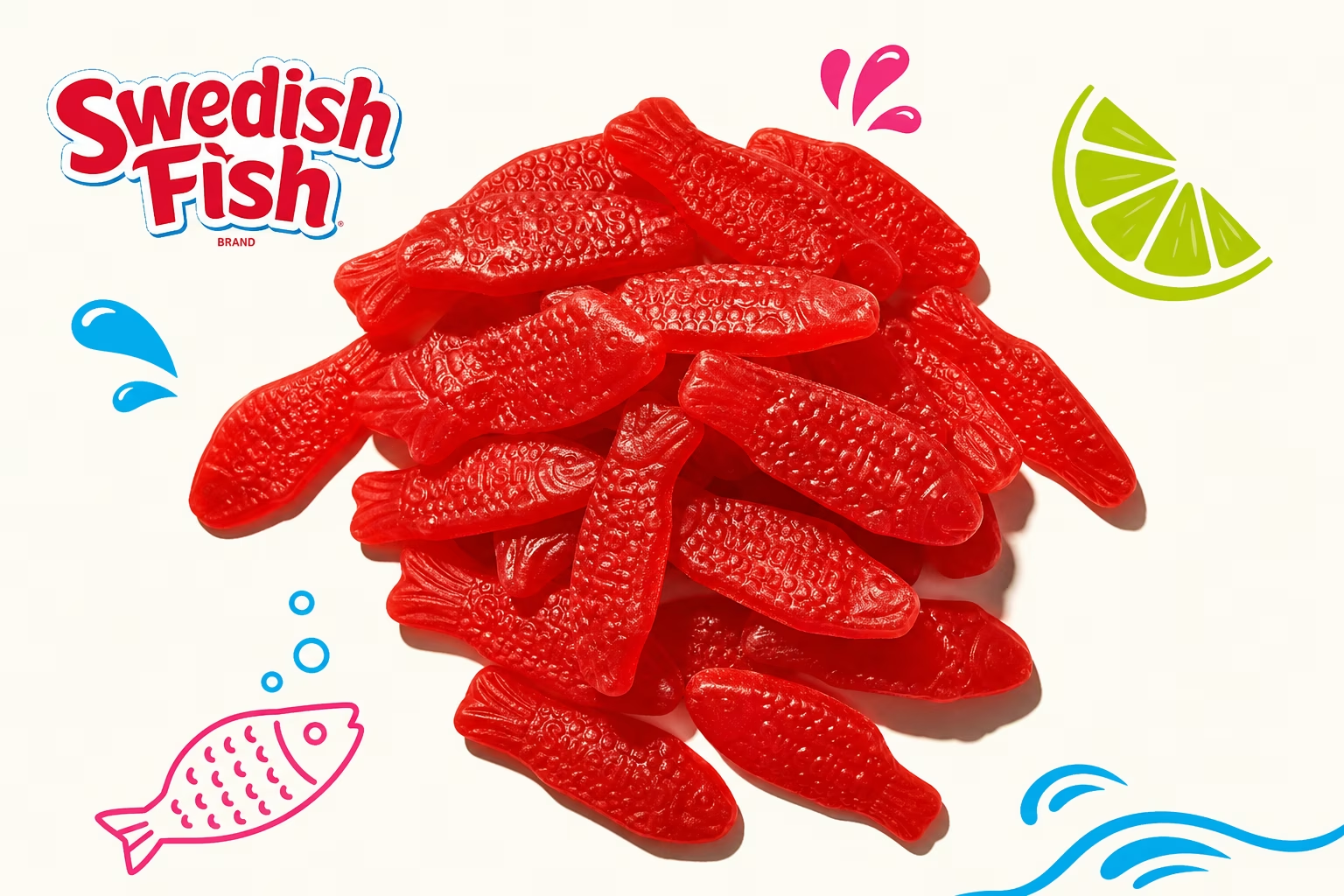
Are Swedish Fish Gluten Free?
Yes, Swedish Fish are gluten free. Produced by the Just Born company, the original red gummy fish contain sugar, invert sugar, corn syrup, modified corn starch, and citric acid. No gluten-based ingredients are used, and Just Born’s allergen policy indicates that Swedish Fish contain none of the top nine allergens, including wheat. This makes them a favorite for allergy-friendly classrooms and birthday parties. Just note that some “Jelly Bird” or seasonal spin-offs may differ, so keep an eye on the wrapper.
Are Butterfingers Gluten Free?
Caution is needed here. Butterfinger bars, now manufactured by Ferrero after acquiring the brand from Nestlé, do not contain gluten in the main ingredients (candy corn, chocolate, peanut butter layers). However, the company states on its FAQ page that Butterfinger is produced in a facility that also processes wheat, and it does not test levels below 20 ppm to label the product gluten free. While many in the gluten-free community eat Butterfingers without issues, those who are highly sensitive or have celiac disease may want to avoid them due to possible cross-contamination. Always check the latest statements from Ferrero before indulging.
Are Tootsie Rolls Gluten Free?
Yes, Tootsie Rolls are gluten free. Tootsie Roll Industries confirms on its FAQ that all Tootsie Roll varieties, including Midgees, Fruit Chews, and Tootsie Pops, are free from wheat, barley, rye, and oats. The company has long maintained a dedicated allergen-control program, making these chewy chocolates a reliable choice. For any new flavor releases, a quick glance at the ingredients will confirm the absence of gluten sources.
Are Rolos Gluten Free?
Classic Rolos, those caramel-filled chocolate disks from Hershey’s, are considered gluten free by ingredient. The primary components (milk chocolate, caramel, sugar, and condensed milk) do not contain gluten. However, Hershey’s does not label Rolos as gluten free, and the company’s allergen page notes that they are produced in facilities that may house wheat-containing products. Most casual gluten avoiders eat them without problems, but if you have celiac disease, you should weigh the risk of shared equipment. Reach out to Hershey’s directly for batch-specific testing information.
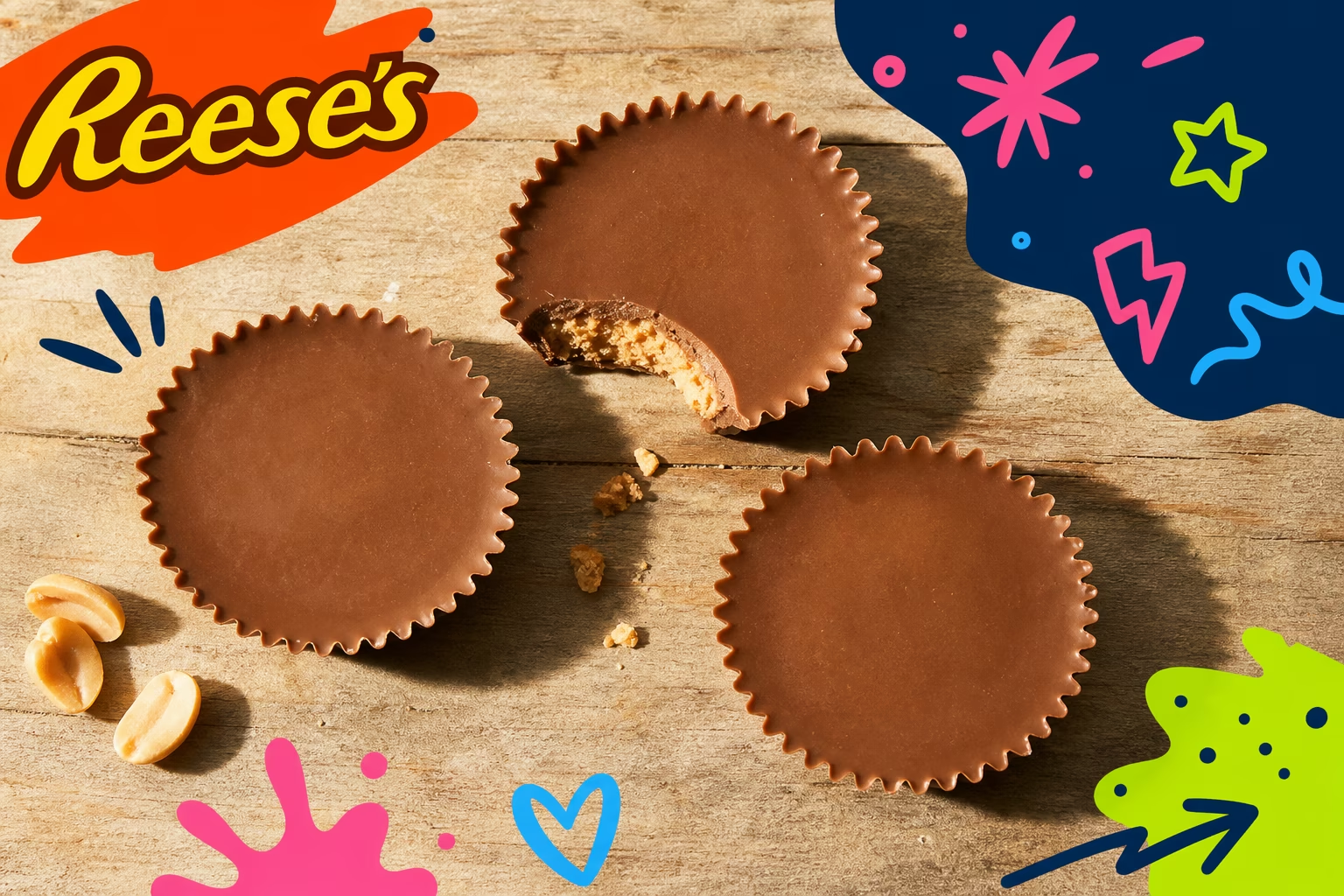
Are Reese’s Cups Gluten Free?
Reese’s Peanut Butter Cups are a mixed bag. The classic milk chocolate peanut butter cups do not list any gluten ingredients, and Hershey’s states that many of its Reese’s products are manufactured on lines that do not process wheat. However, seasonal shapes (like Reese’s Eggs, Hearts, or Pumpkins) often contain barley malt or are made in facilities with gluten, so they may not be safe. The standard two-pack cups are widely considered gluten free by the community, but because Hershey’s doesn’t certify them gluten free, ultra-sensitive individuals should consume with caution. Always check the ingredient panel, and for the most up-to-date status, reference Hershey’s FAQ.
Are Jolly Ranchers Gluten Free?
Yes, Jolly Rancher hard candies are gluten free. The Hershey Company confirms on its website that the classic hard candy flavors (green apple, cherry, watermelon, etc.) contain no gluten ingredients. The simple recipe (corn syrup, sugar, natural and artificial flavors) poses little risk. Watch out for Jolly Rancher gummies or jelly beans, which may have different formulations and shared lines; those require a label check. But for the iconic hard candies, you can confidently share them with gluten-free friends.
Hidden Gluten Risks in Candy: What to Look For
Cross Contamination in Shared Facilities
Even when a candy’s ingredient list looks pristine, the manufacturing environment can spoil the safety. Many large confectioners run wheat-containing products like Kit Kat or Twix on the same equipment as gluten-free candies. Deep cleaning between runs reduces the risk, but it isn’t a guarantee for those who react to less than 20 ppm. A 2022 Gluten Free Watchdog investigation found that a handful of “naturally gluten free” candies tested above the FDA threshold, likely due to shared lines. If a label warns “may contain wheat” or “made in a facility that also processes wheat,” it’s a red flag for celiacs. When uncertain, call the manufacturer and ask about dedicated lines or batch testing protocols.
“The FDA gluten-free labeling rule requires that foods labeled ‘gluten-free’ contain less than 20 parts per million of gluten.”
U.S. Food and Drug Administration
This standard was set because most people with celiac disease can tolerate trace amounts below that level. Still, invisible cross-contamination can push a candy over the line, which is why certified gluten-free seals from organizations like the Gluten-Free Certification Organization (GFCO) provide an extra layer of trust.
Misleading Labeling and Declared Ingredients
Reading an ingredient panel isn’t always enough. Terms like “malt,” “malt flavoring,” “malt extract,” and “modified food starch” can hide gluten if not specified as corn-based. Barley malt is a frequent culprit in nougat, caramel coloring, and crisp rice pieces. Modified food starch in North American candies is almost always corn-derived, but imported candies might use wheat starch. Additionally, the “natural flavors” catch-all can, in rare cases, include barley-based carriers. If you don’t see a clear gluten-free claim, use your phone to scan barcodes or visit the manufacturer’s allergen portal. Our The Ultimate Gluten-Free Guide: Foods, Substitutes & Living Well Without Gluten has more tips on decoding ingredient lists.
The Final Verdict: Which Candies Are Safe and Which Aren’t
The Safe List: Gluten-Free Candies You Can Trust
After reviewing manufacturer statements, ingredient lists, and community testing, here’s a quick-reference list of popular candies that are gluten free (always verify the label for seasonal shapes):
- M&M’s Milk Chocolate and Peanut
- Skittles (all classic varieties)
- Starburst Original Fruit Chews
- Sour Patch Kids (original)
- Nerds
- Swedish Fish (original red)
- Tootsie Rolls (all standard products)
- Jolly Rancher hard candies
- Reese’s Peanut Butter Cups (standard two-pack, not seasonal shapes)
These items come from companies with transparent allergen policies and have been repeatedly tested by the gluten-free community. Print this list and stick it in your purse or glove box for quick candy-aisle decisions.
The Avoid List: Candies with Gluten or Unknown Status
Some treats need to stay on the do-not-eat list, or at least require a thorough investigation:
- Snickers (barley malt in nougat)
- Butterfingers (shared facility risk, no gluten-free claim)
- Rolos (no gluten-free certification, shared equipment)
- Any candy with crispy rice or cookie pieces (often contains wheat)
- Seasonal or holiday shapes of otherwise safe candies (Reese’s Eggs, M&M’s Pretzel, etc.)
When in doubt, skip it. The peace of mind you gain by sticking with well-documented gluten-free options is worth far more than a fleeting sugar rush.
In the end, the question “what candy is gluten free” has many answers that keep getting brighter as manufacturers become more allergy-aware. By building your knowledge today, you can enjoy movie nights, trick-or-treat bags, and Easter baskets without second guessing. Bookmark our resource pages and always double check labels, because your health is too precious to gamble.
Are all M&Ms gluten free?
Most classic M&M varieties are gluten free, but seasonal varieties may not be. Always check the packaging.
How can I know if a candy is truly gluten free?
Look for certified gluten-free labels, check the ingredient list for gluten-containing grains, and contact manufacturers if unsure.
What should I do if I suspect cross-contamination?
Avoid the product and contact the manufacturer for detailed allergen information and their testing protocols.
Why don’t all candies have gluten-free labels?
Some companies may not test to the FDA’s standard or may produce candies on shared equipment with gluten-containing products.
Can I trust candies from international brands?
International candies may use different ingredients like wheat starch. Always check the label and manufacturer’s allergen information.