Is Baking Powder Gluten Free?
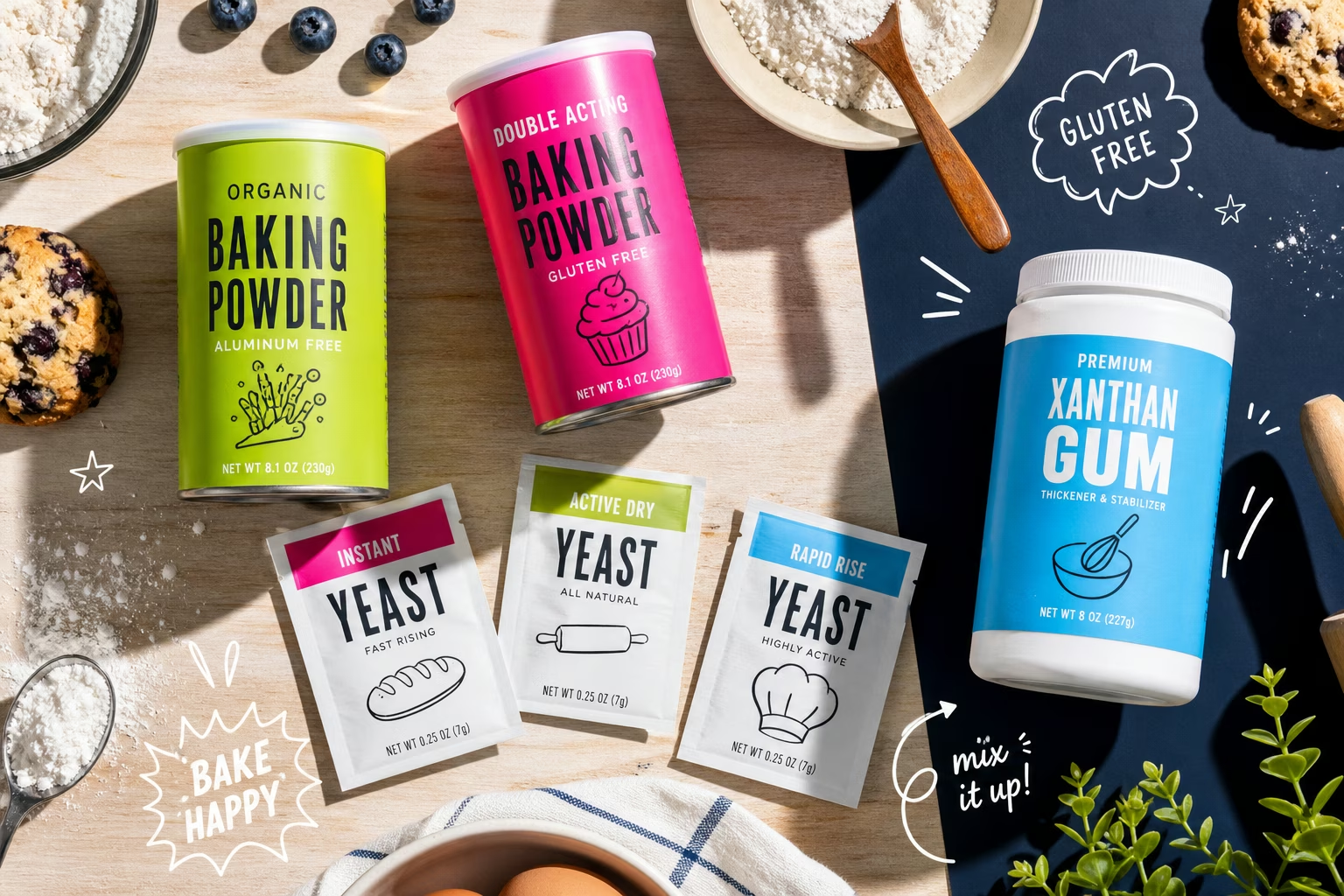
You are stocking your pantry for safe, delicious gluten free baking and a simple question pops up: is baking powder gluten free? The short answer is yes, most baking powders are naturally free of gluten. But like many packaged products, the devil hides in the details, and those details matter hugely when you need to avoid even trace gluten. You are right to double-check, and we are going to walk through everything you need to know about baking powder, yeast, xanthan gum, and even the seasonings that bring your food to life, all from a strict gluten free perspective.
“Baking powder is typically gluten-free, but consumers should always verify the ingredient list for any starch derived from wheat.”
Celiac Disease Foundation
This quick reality check from the Celiac Disease Foundation sets the tone. You cannot just assume. But once you know what to look for, navigating labels becomes second nature. If you are building your knowledge from scratch, bookmark The Ultimate Gluten-Free Guide: Foods, Substitutes & Living Well Without Gluten as your go-to resource while we break down the baking essentials here.
What Exactly Is Baking Powder and Why Could Gluten Be an Issue?
The Simple Chemistry of Baking Powder
Baking powder is a complete leavening agent. It contains a base, usually baking soda (sodium bicarbonate), one or more acid salts like cream of tartar or monocalcium phosphate, and a moisture-absorbing starch to keep everything dry and shelf stable. When you add liquid and heat, the acid and base react to produce carbon dioxide bubbles, giving your cakes, muffins, and quick breads that airy lift.
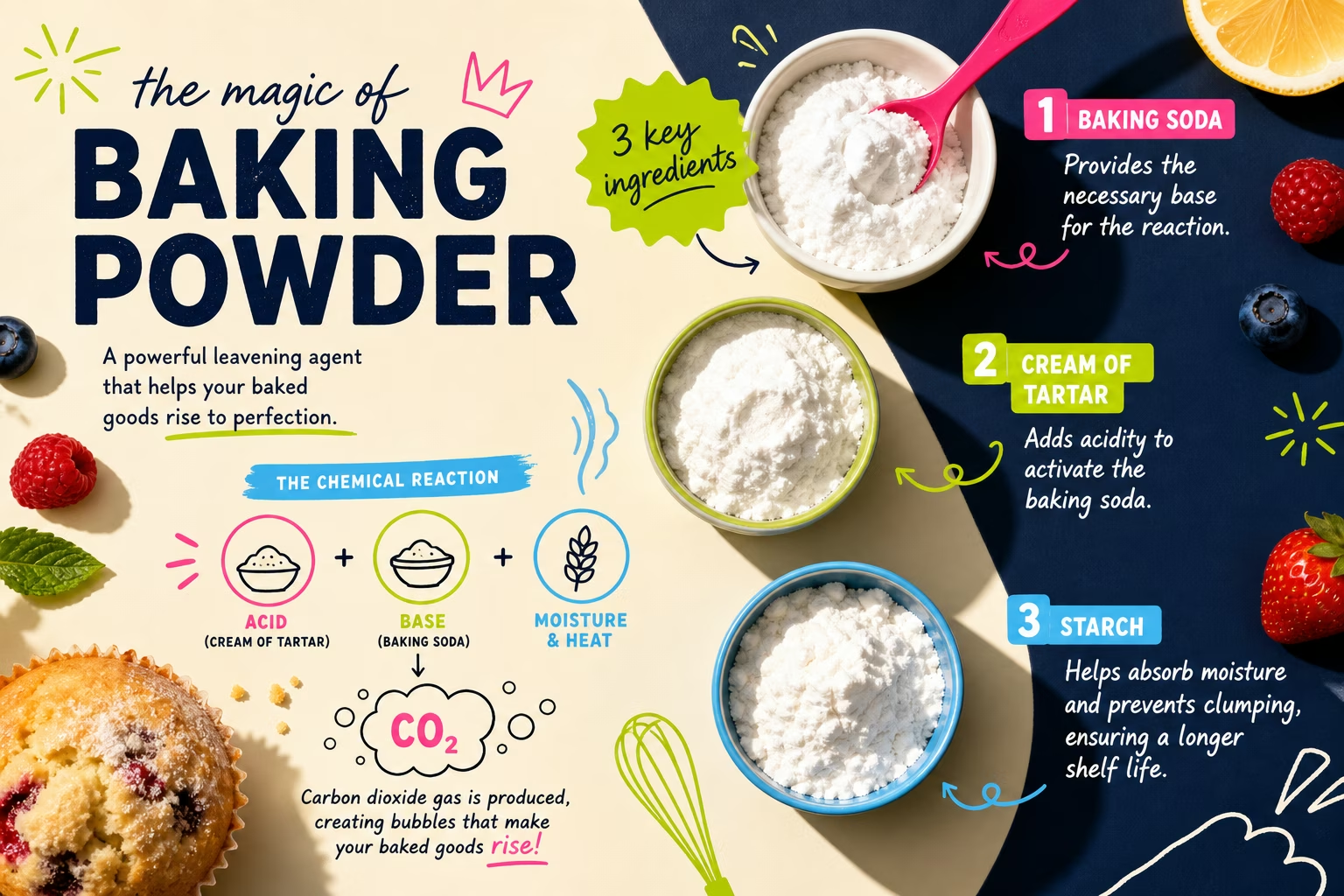
The concern for anyone asking “baking powder is it gluten free” sits squarely in that starch component. Starch can come from corn, potato, tapioca, or wheat. While cornstarch is the most common choice in North America, wheat starch remains a permitted ingredient in some brands or in imported products. You need to become a label detective to spot it.
When Gluten Hides Inside a Baking Essential
A 2021 ingredient analysis by Gluten Free Watchdog confirmed that pure baking soda and cream of tartar are gluten free, but the final blend becomes risky when the manufacturer does not disclose the source of the starch. Modified food starch, unless labeled as corn, can legally contain wheat outside the United States, and even in the U.S., allergen labeling laws mean wheat must be declared, but cross-contamination during production is a separate risk. This is why many experienced gluten free bakers seek out products with a gluten free certification seal.
How to Be Absolutely Sure Your Baking Powder Is Gluten Free
Reading the Fine Print Every Time
Always flip the can and scan the ingredient panel. Look for “wheat starch” or a vague “starch” without a source. In the U.S., the top allergens (which include wheat) must be listed in a “Contains” statement or within the ingredients. So if wheat is not mentioned, the starch is likely corn. Still, for dedicated gluten free living, a label that simply lists “cornstarch” gives you far more confidence.
“When in doubt, reach out to the manufacturer to confirm if their baking powder is produced in a dedicated gluten-free facility or tested for cross-contamination.”
Rachel Begun, MS, RDN, Gluten-Free Dietitian
Rachel Begun’s practical advice highlights a step many skip. A quick email or call can reveal whether the baking powder is run on shared equipment that also processes wheat flour blends. Not all companies will guarantee this, so knowing your trusted brands becomes a valuable shortcut.
Gluten Free Certified Baking Powder Brands You Can Trust
Several brands take the guesswork out of the equation. Look for products that carry a seal from the Gluten-Free Certification Organization (GFCO), National Celiac Association, or a trusted third-party auditor. Brands like Clabber Girl (some varieties carry the certification), Rumford, and Bob’s Red Mill offer gluten free labeled versions. Rely on the certification rather than marketing terms like “all natural” or “no gluten ingredients,” which are not regulated in the same way.
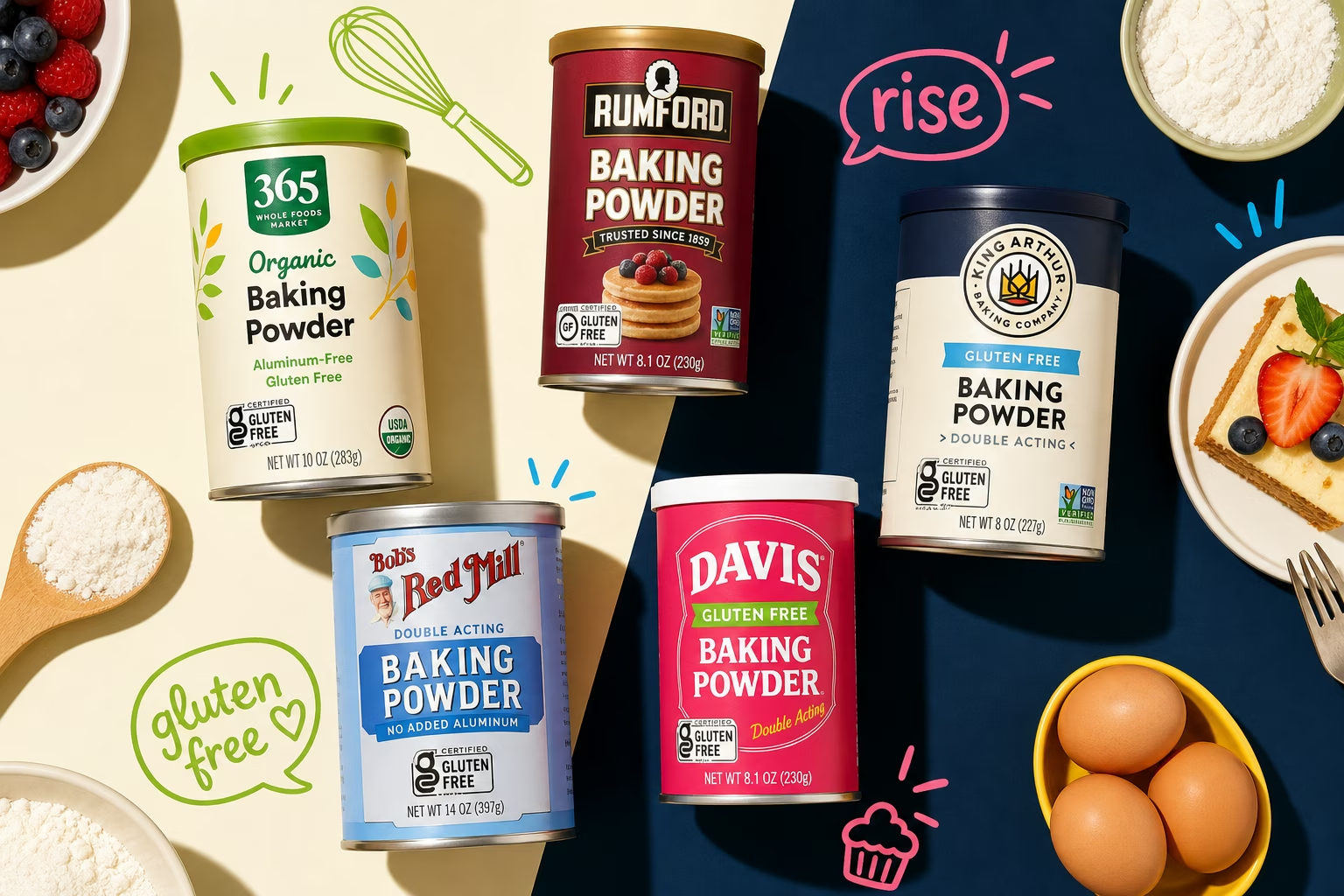
Staying safe also means rechecking periodic formula changes. Ingredient suppliers shift, and a product that was safe last year might carry a different starch today. Build a habit of a two-second label scan every single shopping trip.
Is Yeast Gluten Free? Sorting Out the Yeast Family
Active Dry, Instant, and Fresh Yeast: All Clear
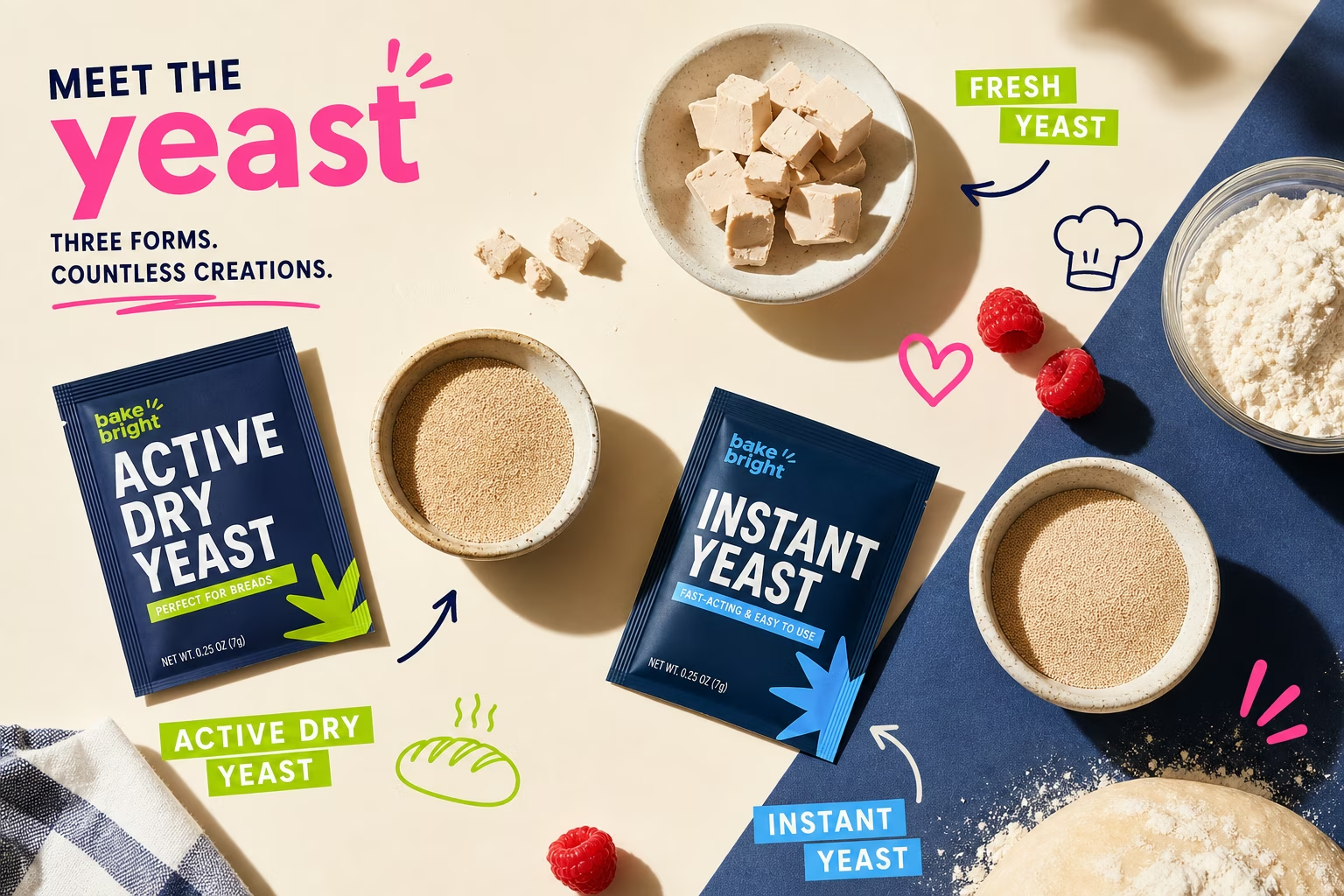
When you start baking gluten free bread, you will quickly wonder: is yeast gluten free? The organism itself, Saccharomyces cerevisiae, is a fungus and contains no gluten whatsoever. Active dry yeast, instant yeast, and even fresh cake yeast are all inherently gluten free. Their production typically involves sugars and nutrients like nitrogen sources, none of which come from wheat, barley, or rye.
However, packages of instant yeast occasionally include ascorbic acid or enzymes. While these are generally safe, a tiny number of enzymes can be grown on wheat substrates. The gluten protein is supposed to be removed during processing, but if you want absolute certainty, choose yeast labeled gluten free. Brands like Red Star and Fleischmann’s actively state that their yeast products are gluten free on their websites and via customer support.
The Yeast Extract Confusion: Why “Yeast Extract Is Gluten Free” Is Not Always True
This is where even seasoned label readers stumble. The phrase “is yeast extract gluten free” leads to a split answer. Yeast extract is a flavor enhancer created by breaking down yeast cells, and the source medium matters. If the yeast was grown on barley, the resulting yeast extract can contain residual gluten, usually in concentrations that require testing to confirm safety.
In the European Union and the UK, regulations classify barley-based yeast extract as a gluten-containing ingredient that must be declared. In the United States, the Food and Drug Administration says that if a yeast extract is derived from barley, the label must state “yeast extract (barley)” or list barley in the allergen statement. So if you see “yeast extract” with no parenthetical and no barley listed, the ingredient is generally derived from sugar beets, corn, or a similar gluten free substrate.
“Yeast itself is naturally gluten-free, but yeast extract can sometimes be made from barley, which contains gluten, so labeling really matters.”
Beyond Celiac
The Beyond Celiac team stresses that you cannot rely on the word “yeast” alone. Processed foods, broths, and savory snacks often contain yeast extract as a flavor booster. When you spot it on a label, verify that no barley is involved. This is a classic example of how the “is yeast gluten free” question morphs into a deeper ingredient supply chain investigation.
Is Xanthan Gum Gluten Free? The Baker’s Secret Weapon
What Xanthan Gum Does in Gluten Free Recipes
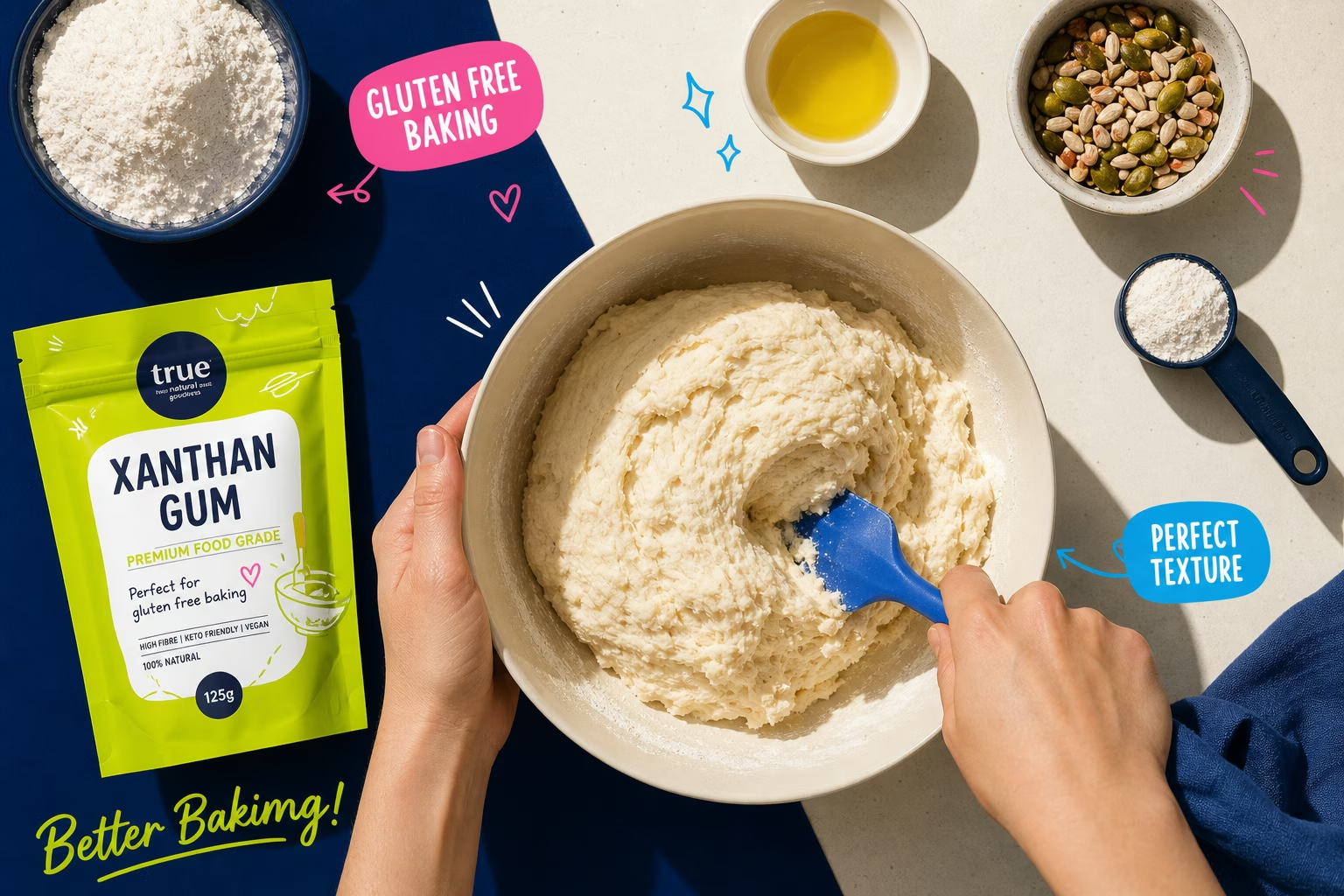
If you have ever tried gluten free baking, you have definitely encountered the question “is xanthan gum gluten free.” The answer is a resounding yes. Xanthan gum is a polysaccharide produced through fermentation of sugars by a bacteria called Xanthomonas campestris. It is a neutral, plant-based fiber that acts as a binder, mimicking the stretchy, elastic role gluten plays in traditional doughs.
The sugars used in fermentation are typically corn, soy, or wheat, but the end product is so highly purified that no gluten protein remains. Extensive testing by organizations like Gluten Free Watchdog has consistently shown xanthan gum to be well below 5 parts per million of gluten, far lower than the 20 ppm threshold. You can confidently use it in your gluten free breads, pizza crusts, and cookies.
Choosing a Safe Xanthan Gum Amid Allergy Cross-Reactions
Even though the product is gluten free, some people with celiac disease or wheat allergy experience bloating from xanthan gum itself, simply because it is a high-fiber fermentable substance. If you are sensitive, start with a small amount. For the strictest safety, select xanthan gum that is certified gluten free. Brands like Bob’s Red Mill and Now Foods offer versions that have been independently tested.
If you cannot tolerate xanthan gum at all, guar gum and psyllium husk powder are common swaps, both also naturally gluten free. The key takeaway is that when someone asks, “is xanthan gum gluten free,” you can tell them yes, with the gentle reminder to check the label for a seal if they want that extra layer of assurance.
“Xanthan gum is a plant-based, gluten-free binding agent that we highly recommend as a staple for home gluten-free baking.”
Gluten Intolerance Group
The Gluten Intolerance Group’s endorsement underlines its importance. Keep a bag in your pantry and use it at about ¼ to ½ teaspoon per cup of gluten free flour for cakes, and up to ¾ teaspoon for bread doughs.
Beyond Baking Powder: Gluten Free Seasonings for Flavorful Cooking
How to Find Gluten Free Taco Seasoning Without the Worry
You have tackled the pantry staples, but a completely safe kitchen also means paying attention to spice blends. “Gluten free taco seasoning” is a common search term for good reason. Many commercial taco seasoning packets use anti-caking agents and flavor carriers that can contain wheat flour or be processed on shared lines. The solution is twofold: pick up a trusted certified gluten free brand, or spend three minutes mixing your own.
Stores like Penzeys Spices, Spicely, and Mrs. Dash offer gluten free taco seasoning options. When shopping, watch for vague terms like “spices” or “natural flavors” that could theoretically hide a gluten-containing carrier. A dedicated gluten free label is your best signal. If you are cooking for a crowd, mixing your own blend of chili powder, cumin, garlic powder, onion powder, paprika, salt, and a touch of cayenne ensures complete control and costs pennies per batch.
Building a Collection of Safe Gluten Free Seasonings
The broader category of gluten free seasonings covers everything from single herbs to complex rubs. Pure dried herbs and spices are virtually always gluten free in their natural state. The risk enters with ground blends, seasoning salts, and bouillon powders. Companies may add wheat starch as a flow agent or to prevent clumping.
- Trust single-ingredient jars (oregano, basil, turmeric, etc.).
- When buying blends, reach for brands that clearly print “gluten free” on the front.
- Store spices away from your flour zone to avoid cross-contamination in your own kitchen.
Going through your spice cabinet with a critical eye is a rite of passage. If a jar lacks clarity, check the brand’s website or swap it out. For a master list of safe ingredients and pantry swaps, you will find The Ultimate Gluten-Free Guide: Foods, Substitutes & Living Well Without Gluten incredibly helpful as you restock.
How to Stock a Completely Carefree Gluten Free Baking Pantry
The Non-Negotiable Staples to Always Have on Hand
Now that you have a definitive read on baking powder, yeast, xanthan gum, and seasonings, it is time to set up your kitchen for success. Start with these essentials, every one certified gluten free or from a brand you have verified:
- Aluminum-free baking powder (labeled gluten free)
- Baking soda
- Active dry or instant yeast (labeled gluten free)
- Xanthan gum (and optionally guar gum)
- A high-quality gluten free flour blend (ideally one that already contains xanthan gum)
- Cornstarch, arrowroot, or tapioca starch
- Pure vanilla extract (check as some use grain alcohol)
Having these within arm’s reach means you can whip up pancakes, muffins, or a quick loaf of bread without a last-minute scramble or a moment of ingredient doubt.
Cross-Contamination Prevention in Your Own Space
Even with verified ingredients, a shared kitchen can be a source of gluten exposure. Transfer your gluten free baking powder, flour, and other dry goods into airtight containers and label them boldly. Use separate measuring spoons and sifters that have never touched regular flour. If you bake with wheat flour for family members, clean all surfaces thoroughly and consider covering mixes with a lid or towel to prevent airborne flour from settling into your safe ingredients.
“Reading every label, every time, is non-negotiable for anyone managing celiac disease or gluten sensitivity, even for products you have bought for years.”
Alice Bast, CEO, Beyond Celiac
Alice Bast’s words remind you that vigilance is the glue holding this lifestyle together. Paired with a well-educated eye on baking powder, yeast extract, and those seemingly innocent taco seasoning packets, you transform an overwhelming chore into a confident routine.
Returning to the original question: yes, baking powder is gluten free in the vast majority of cases, and with a small amount of label-literacy, you will never have to wonder again. Extend that same careful curiosity to yeast, yeast extract, xanthan gum, and every seasoning blend, and your kitchen becomes a reliably safe creative space. For a deeper dive into all the swaps, flours, and daily living tips, revisit The Ultimate Gluten-Free Guide: Foods, Substitutes & Living Well Without Gluten so you always feel supported on your gluten free journey.
Is all baking powder gluten free?
Not all baking powder is gluten free. Always check the label for wheat starch and prefer certified gluten free brands.
What are some trusted gluten free baking powder brands?
Brands like Clabber Girl, Rumford, and Bob’s Red Mill offer gluten free certified baking powders.
Is xanthan gum necessary for gluten free baking?
Xanthan gum is important for binding in gluten free baking. If sensitive, consider alternatives like guar gum.
Can yeast contain gluten?
While yeast itself is gluten free, yeast extract can sometimes contain gluten if derived from barley.
Are all spices gluten free?
Pure spices are usually gluten free, but blends may contain wheat-based anti-caking agents. Check labels carefully.
How can I prevent cross-contamination in my kitchen?
Use separate tools for gluten free cooking, store ingredients in airtight containers, and clean surfaces thoroughly.
What should I do if I’m unsure about an ingredient’s gluten content?
Contact the manufacturer for confirmation or choose products with clear gluten free labeling.