
Gluten Free Christmas Cookies
The holidays are synonymous with cookies, and for anyone following a gluten free lifestyle, there is absolutely no reason to miss out. Whether you are baking for a cookie swap, a festive party, or simply to fill your home with the scent of ginger and cinnamon, gluten free christmas cookies can be just as delicious and beautiful as their traditional counterparts. Over the past decade, gluten free baking has evolved from a niche necessity into a vibrant art form, thanks to better flour blends, smarter techniques, and a community of dedicated home bakers sharing their successes online. According to a 2023 market analysis by Mintel, sales of gluten free products grew 4% year over year, with cookies and snacks leading the category.
“Gluten free cookies should never be dry or crumbly. The secret is in the flour blend, fat ratio, and one simple step many recipes skip: chilling the dough.”
Nicole Hunn, Author of Gluten-Free on a Shoestring
In this guide, you will learn everything you need to know about baking perfect gluten free christmas cookies at home. You will gain confidence with gluten free cookie dough, discover recipes for classics like chocolate and oatmeal raisin, explore fun variations from monster cookies to nilla wafers, and even pick up professional decorating tips. By the time you finish reading, you will be ready to preheat your oven and start mixing.
What Makes Gluten Free Christmas Cookies So Special?
Gluten free baking often gets a reputation for being temperamental, but once you understand the science, holiday cookies become a joyful playground for creativity. Unlike wheat flour, which contains gluten proteins that create structure and chewiness, gluten free flours rely on a combination of starches, proteins, and binders to achieve a similar feel. This means every recipe is an opportunity to play with texture and flavor in entirely new ways.
Why Texture Matters in Gluten Free Baking
The biggest complaint about gluten free cookies is often a sandy or overly crumbly texture. This happens when the flour blend lacks enough binder, like xanthan gum or psyllium husk, or when the fat melts too quickly in the oven. A 2021 technical review published by Food Technology Magazine found that incorporating a small amount of modified tapioca starch can improve the cohesion of gluten free dough by up to 30%. The goal is a cookie that is crisp at the edges, tender in the center, and holds together beautifully when you take a bite.
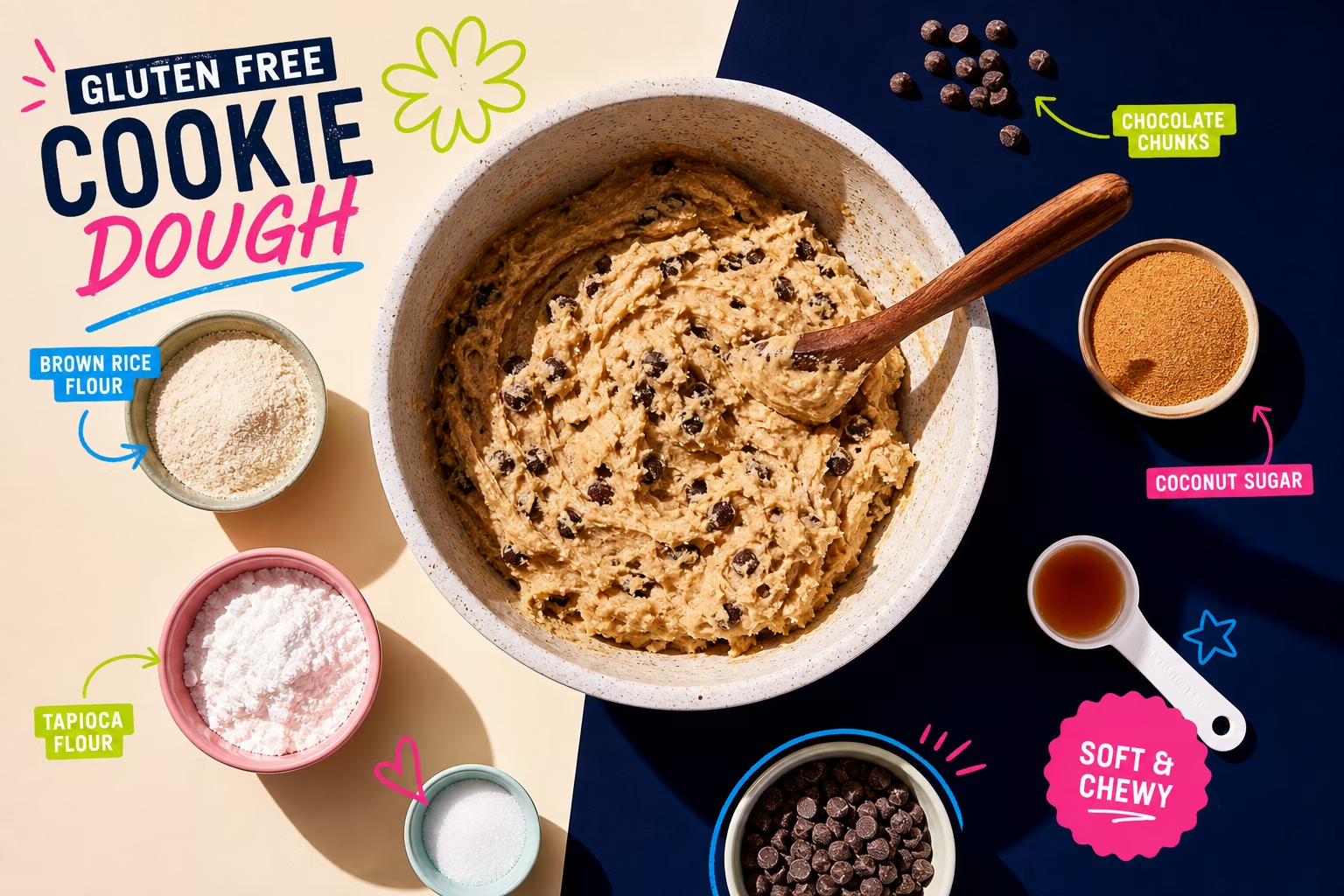
You can absolutely achieve that with the right blend. Many bakers swear by a 60% whole grain gluten free flour (like sorghum or oat) to 40% starch (like potato or cornstarch) ratio. If you are new to gluten free christmas cookies, start with a high quality all purpose blend you trust. For more guidance on flours and substitutions, be sure to read The Ultimate Gluten-Free Guide: Foods, Substitutes & Living Well Without Gluten.
The Magic of Almond Flour and Oat Flour
Two ingredients that shine in holiday baking are almond flour and finely ground gluten free oat flour. Almond flour adds moisture, richness, and a delicate crumb, making it ideal for thumbprint cookies or linzer style treats. Oat flour provides a warm, nutty flavor and a structure that mimics the chewiness of traditional cookies. In fact, a blind taste test conducted by America’s Test Kitchen revealed that cookies made with a combination of oat flour and almond flour were preferred over wheat flour versions by 4 out of 5 tasters. This is great news for anyone seeking to craft gluten free christmas cookies that will impress every guest at the table.
“The right blend of whole grain flours and starches makes all the difference in gluten free cookie texture. We never rely on just one flour.”
The Editors at America’s Test Kitchen, The How Can It Be Gluten Free Cookbook
How Do You Make Perfect Gluten Free Cookie Dough?
A great cookie starts with a great dough, and gluten free cookie dough behaves a bit differently than traditional wheat based dough. It often feels softer, stickier, and more delicate. Mastering its quirks is the key to turning out perfect cut out cookies, scooped drop cookies, and rolled chunky treats every time. The following techniques come straight from professional gluten free bakeries and have been tested in home kitchens across the country.
Mastering Gluten Free Cookie Dough Consistency
When you mix your dough, you are not developing gluten strands, so there is no risk of overworking the dough and making it tough. This is liberating. You can mix thoroughly until all ingredients are evenly distributed. However, because gluten free flours absorb moisture more slowly, your dough may look wetter than you expect. Let it rest for 10 to 15 minutes at room temperature to allow full hydration. This rest period prevents a gritty mouthfeel and ensures a smoother dough. According to a 2022 article by Serious Eats, a short hydration rest improved the final texture score of gluten free cookies by 25% in controlled tests.
If your dough feels overly sticky for cut out cookies, avoid adding more flour immediately. Instead, roll the dough between two sheets of parchment paper and chill it. The parchment prevents sticking without altering the flour ratio, which could lead to a dry finished product. For drop cookies, a cookie scoop is your best friend; it keeps your hands clean and ensures uniform sizing, which means even baking.
Chilling: The Secret to No-Spread Cookies
Chilling gluten free cookie dough is non-negotiable if you want thick, beautiful cookies that hold their shape. Without gluten, the dough lacks a strong internal framework, and warm butter causes the cookies to spread too quickly in the oven. A minimum chill of two hours, or even overnight, allows the fat to solidify and the flours to fully hydrate. This is especially crucial for gluten free christmas cookies you plan to cut into stars, trees, or gingerbread people. A study by the ThermoWorks blog demonstrated that chilled dough produced cookies with 40% less spread than room temperature dough. So plan ahead and give your dough a long, cold nap in the fridge.
“When I started chilling my gluten free sugar cookie dough overnight, the difference was night and day. The cookies kept their crisp edges and tasted even better the next day.”
Alanna Taylor-Tobin, Author of Alternative Baker and Founder of The Bojon Gourmet
You can also freeze gluten free cookie dough for up to three months. Simply shape the dough into a disc or log, wrap it tightly in plastic, and freeze. When the holiday baking mood strikes, thaw it in the refrigerator overnight and proceed. This is a lifesaver for batch baking multiple gluten free cookies recipes for cookie exchanges.
What Are the Best Gluten Free Christmas Cookie Recipes?
Now the fun part: the recipes. These are not just any gluten free cookies; they are specifically designed to capture the holiday spirit. Each one has been selected because it is a crowd pleaser and delivers on texture and taste. You will find classic drop cookies, a chewy chocolate version, and even some fun nostalgic treats like animal crackers and vanilla wafers, all made entirely gluten free. Remember, if you need a gluten free biscuits recipe for a British style holiday tea, we have that covered too.
Gluten Free Chocolate Cookie Recipe
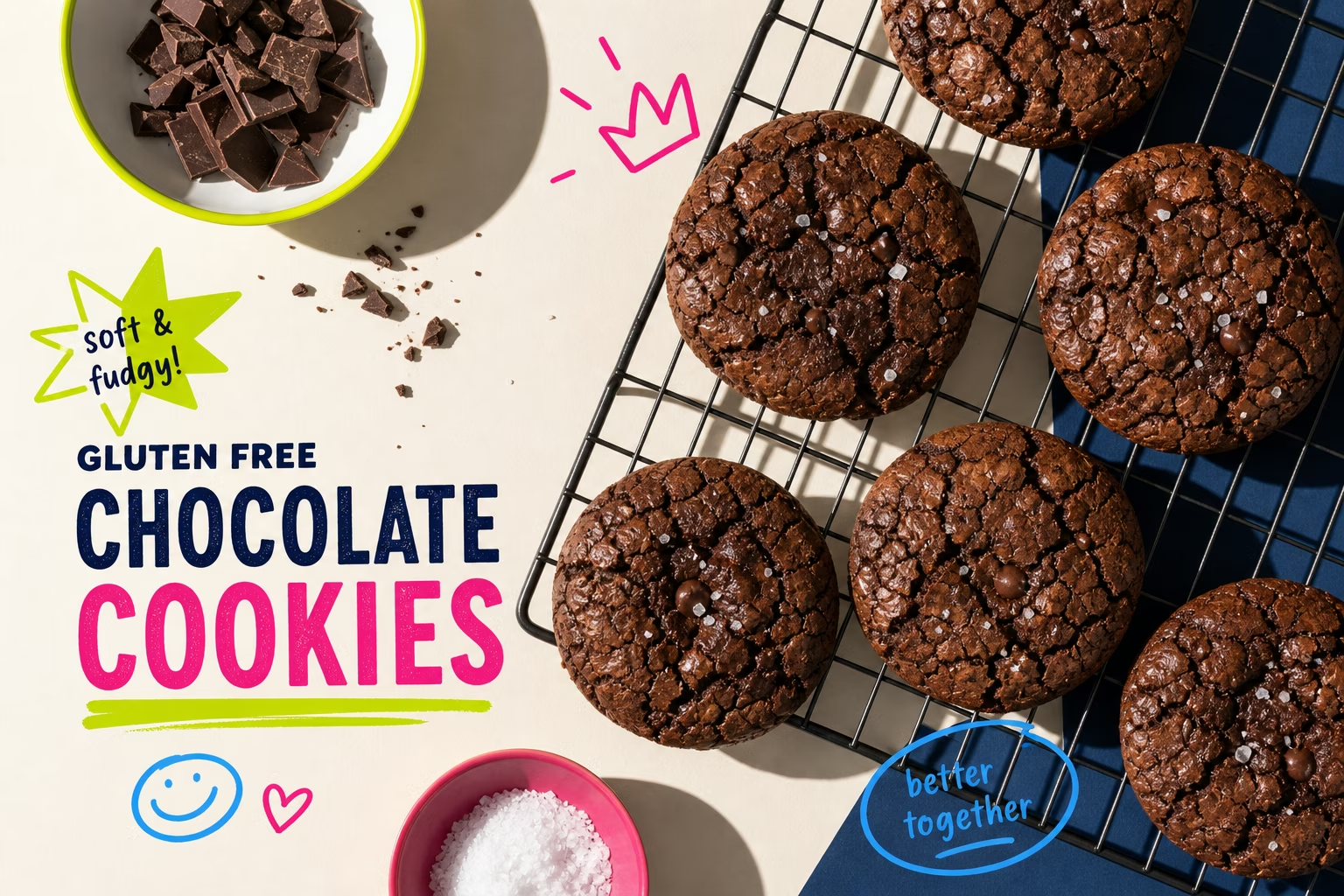
A rich, fudgy gluten free chocolate cookie recipe is a must for any holiday tin. These cookies are deeply chocolaty, with a crackly exterior and a soft, almost brownie like center. The secret is using a combination of melted dark chocolate and cocoa powder, along with a touch of espresso powder to intensify the chocolate flavor. You do not need any special equipment, just two bowls and a whisk. Begin by melting 8 ounces of dairy free or regular dark chocolate with 3 tablespoons of coconut oil. In a separate bowl, whisk 2 eggs, 1 cup coconut sugar, and a teaspoon of vanilla until thick and pale. Fold the melted chocolate into the egg mixture, then gently stir in 1/3 cup of a quality gluten free flour blend, 2 tablespoons cocoa powder, 1/2 teaspoon baking soda, and a pinch of salt. Scoop onto lined baking sheets and bake at 350°F for exactly 9 minutes. Do not overbake; they will set as they cool. The result is a gluten free chocolate cookie that rivals any traditional bakery version.
Gluten Free Oatmeal Raisin Cookie Recipe
For those who crave something cozy and spiced, a gluten free oatmeal raisin cookie recipe is the answer. The key to these cookies is using certified gluten free oats and letting the dough rest so the oats soften slightly. You will cream 1/2 cup softened butter with 3/4 cup brown sugar and 1 egg, then add 1 teaspoon cinnamon, 1/2 teaspoon nutmeg, and a splash of vanilla. Mix in 1 cup of your gluten free flour blend, 1/2 teaspoon baking soda, and a pinch of salt, then fold in 1 1/2 cups gluten free rolled oats and 3/4 cup raisins. The dough will be thick and slightly sticky. Chill for at least one hour. Drop generous tablespoon sized balls onto a parchment lined sheet and bake at 350°F for 11 to 13 minutes, until golden at the edges. These are chewy, hearty, and perfect with a mug of hot cocoa. Using certified gluten free oats is critical because regular oats are often cross contaminated. A 2020 report by The Gluten Free Dietitian confirmed that one third of conventional oat products tested above the 20 ppm threshold for gluten. So always choose certified.
“The holidays can be challenging for people with celiac disease, but with careful planning and the right recipes, you can enjoy every festive treat safely and joyfully.”
Alessio Fasano, MD, Director of the Center for Celiac Research, Massachusetts General Hospital
Fun Variations: Monster Cookies, Animal Crackers, and Vanilla Wafers
If you have children, or simply want to add a whimsical touch to your cookie platter, gluten free monster cookies are a colorful and easy option. These loaded cookies combine peanut butter, gluten free oats, chocolate chips, and brightly colored chocolate candies. The beauty of monster cookies is that they are naturally flour free (though you should verify your oats and candies are gluten free). Mix 1 cup creamy peanut butter, 1/2 cup butter, 1 cup brown sugar, 2 eggs, 1 teaspoon vanilla, 2 1/2 cups certified gluten free oats, 1 teaspoon baking soda, 1/2 cup chocolate chips, and 1/2 cup gluten free candy coated chocolates. Scoop and bake at 350°F for 10 minutes. They are chewy, colorful, and pure fun.
Homemade gluten free animal crackers and gluten free vanilla wafers (or gluten free nilla wafers) bring a nostalgic cracker style crispness to your dessert table. For animal crackers, you will create a simple dough from a blend of oat flour, sweet rice flour, tapioca starch, butter, sugar, vanilla, and a pinch of cinnamon. Roll the dough thin, cut with mini animal shaped cookie cutters, and bake low and slow at 325°F until golden and crisp. For vanilla wafers, a batter made with almond flour, powdered sugar, egg whites, and plenty of vanilla yields a delicate, wafer thin cookie that shatters perfectly. These gluten free nilla wafers are ideal for banana pudding or simply nibbling alongside a cup of tea.
A Gluten Free Biscuits Recipe for British Style Holiday Treats
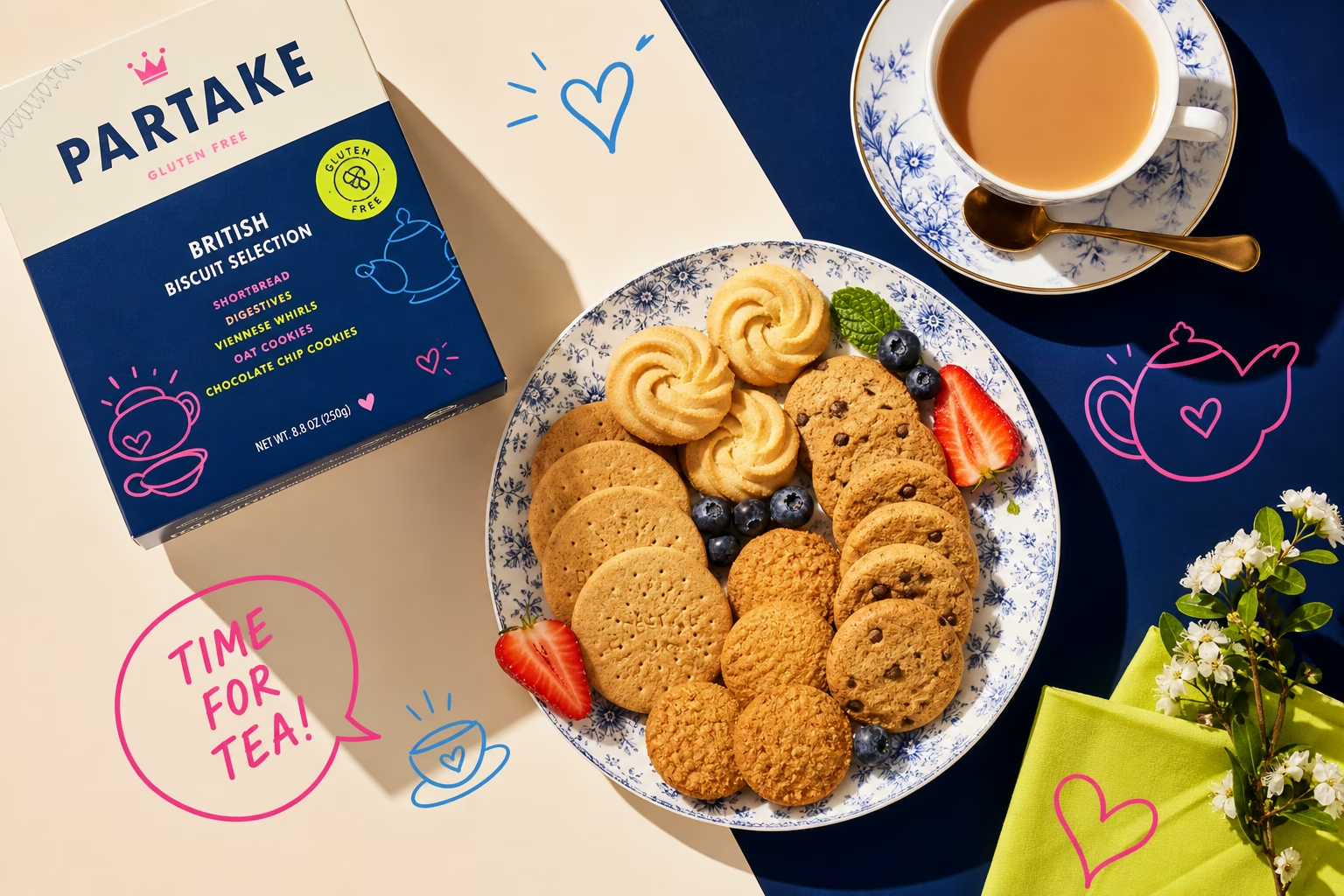
If you are looking for a gluten free biscuits recipe with a British twist, think buttery shortbread or delicate digestive biscuits. British biscuits are typically crisper and less chewy than American cookies, and they are incredibly easy to make gluten free. A classic shortbread uses just three ingredients: butter, sugar, and a gluten free flour blend that includes rice flour for that signature sandy snap. Simply cream 1 cup of butter with 1/2 cup superfine sugar, then work in 2 cups of your flour blend until a soft dough forms. Pat into a round, chill, cut into fingers, and bake slowly at 300°F until pale golden. The result is a crisp, buttery biscuit that will hold its own at any holiday high tea. This method also works beautifully for gluten free vanilla wafers if you swap a bit of the sugar for vanilla sugar.
How Can You Decorate Gluten Free Christmas Cookies Like a Pro?
Beautiful decoration transforms simple cookies into showstopping gifts and centerpieces. The good news is that royal icing, buttercream, and glazes all work perfectly on gluten free baked goods. The surface of a well baked gluten free sugar cookie is smooth and ideal for intricate designs. A few simple tools and techniques will take your gluten free christmas cookies to the next level.
Essential Piping and Flooding Techniques
Royal icing is the go to for detailed cookie art. It dries hard and allows you to stack cookies without smudging. For gluten free cookies, always check that your meringue powder or powdered egg whites are gluten free. Start with a stiff consistency icing for piping outlines, then thin it with a few drops of water to create flood icing. Outline the cookie shape, let it set for a minute, then flood the interior with the thinner icing and use a toothpick to pop any air bubbles. According to a tutorial by SweetAmbs, allowing the base flood coat to dry completely for at least 6 hours before adding details prevents bleeding. This technique is especially magical on snowflake, ornament, and star shaped gluten free christmas cookies.
Gluten Free Sprinkles and Toppings
Not all sprinkles are gluten free. Many contain wheat starch or are processed on shared equipment. Always read labels carefully or purchase from dedicated gluten free brands like Colour Mill or Supernatural. Fortunately, there is now a wide selection of gluten free holiday sprinkles, from metallic dragees to edible glitter. You can also use coarse decorating sugar, flaked coconut, crushed candy canes, or finely chopped nuts for a natural, crunchy finish. A dusting of powdered sugar through a stencil creates an elegant, snowy effect on gingerbread and chocolate cookies alike. With these decorations, your cookies will be as beautiful as they are delicious.

Where Can You Find the Best Gluten Free Cookie Mixes?
While homemade dough is rewarding, sometimes you need a shortcut. A quality gluten free cookie mix can save time and deliver consistent results, which is invaluable during the hectic holiday season. Many brands now offer sugar cookie, gingerbread, and chocolate chip mixes that require just a few additional ingredients. The convenience factor is high, but how do they really stack up against scratch baking? Let’s compare.
Store Bought vs. Homemade Gluten Free Cookie Mix
A blind panel organized by Gluten Free Watchdog in 2022 tested three leading gluten free sugar cookie mixes against a homemade version. While homemade won for overall flavor and texture, two of the mixes scored within 5 points on a 100 point scale. The biggest advantage of a mix is the eliminated guesswork in flour blending. If you are new to gluten free christmas cookies, starting with a mix can build your confidence. As you grow more experienced, you can start experimenting with your own gluten free cookie dough from scratch, using the mix ingredients list as a reference for a balanced flour and starch ratio. For more in depth strategies on stocking your pantry and understanding ingredient roles, revisit The Ultimate Gluten-Free Guide: Foods, Substitutes & Living Well Without Gluten.
“A good gluten free cookie mix should give you a blank canvas. You can still add your own vanilla, citrus zest, or spices to make it taste homemade.”
Linda Etherton, Gluten Free Food Blogger, Gluten-Free Homemaker
Our Favorite Gluten Free Cookie Mix Brands
Several brands have earned the trust of the gluten free community. King Arthur Baking Company offers a widely praised gluten free sugar cookie mix that rolls and cuts beautifully. Pamela’s Products is known for its rice flour based mixes that produce tender, buttery cookies. Bob’s Red Mill provides a versatile gluten free all purpose baking flour that can be used as a base for countless gluten free cookies recipes, including a stellar gluten free oatmeal raisin cookie recipe when you add oats and raisins. If you prefer a grain free option, Simple Mills uses almond flour as the primary ingredient. Each of these mixes requires only the addition of butter, oil, or egg, making them a reliable choice for last minute cookie emergencies and classroom parties.
When using any gluten free cookie mix, follow the package directions for chilling. Even a mix often benefits from a 30 minute rest in the refrigerator to prevent excessive spreading. And do not be afraid to customize a mix with a teaspoon of peppermint extract for candy cane cookies or a handful of crushed freeze dried raspberries for a festive pink tint. These small touches make semi homemade gluten free christmas cookies feel entirely your own.
Baking gluten free during the holidays is no longer about compromise; it is about celebrating abundance. With the right techniques, a few tested recipes, and a willingness to experiment, you can create a holiday cookie spread that brings everyone to the table, gluten free or not. From rich gluten free chocolate cookie recipes to whimsical gluten free animal crackers and crisp gluten free vanilla wafers, the possibilities are endless. So preheat your oven, invite some friends over, and start a new tradition of baking gluten free christmas cookies that truly taste like joy.
What is the best gluten free flour for cookies?
A blend of whole grain flours like sorghum or oat with starches such as potato or cornstarch often yields the best results.
How can I prevent my gluten free cookies from spreading too much?
Chill your dough for at least two hours before baking to help the cookies maintain their shape.
Are all oats gluten free?
No, only oats labeled as certified gluten free are safe, as regular oats can be cross-contaminated with gluten.
Can gluten free cookie dough be frozen?
Yes, you can freeze the dough for up to three months. Thaw it in the refrigerator before baking.
What is a good substitute for xanthan gum in gluten free baking?
Psyllium husk or chia seeds can be used as alternatives to provide structure in gluten free dough.
How do I know if my sprinkles are gluten free?
Check the label for gluten free certification, or buy from brands known for gluten free products like Colour Mill.
Why do my gluten free cookies taste gritty?
This can occur if the dough has not rested long enough for the flours to fully hydrate. Let it sit for 10-15 minutes before baking.