Best Gluten Free Beers: What Beer Is GF and Top Picks
- Explore naturally gluten-free beers made with sorghum, rice, and millet.
- Understand the enzyme process used in gluten-removed beers.
- Discover top brands like Ground Breaker and Ghostfish Brewing.
- Learn how to choose gluten-free beers that suit your taste.
You love beer. The cold crack of a can, the frothy head on a perfect pour, the way it pairs with pizza on a Friday night. But when you are living gluten free, the beer aisle suddenly feels like a minefield. Every label requires scrutiny, every social gathering involves an awkward round of twenty questions, and you have probably been burned by a supposedly safe beer more times than you care to remember.
The good news is that the world of gluten free beers has exploded in the last decade. Gone are the days of settling for one dusty, sad looking bottle at the back of the liquor store. Today you have IPAs, stouts, lagers, and even barrel aged specialties all made without a trace of barley or wheat. Whether you have celiac disease, a gluten sensitivity, or you are simply cutting back on gluten for other health reasons, there has never been a better time to explore what is out there.
This guide walks you through everything you need to know about what beer is gluten free, which brands actually taste great, whether Corona makes the cut, and how to navigate restaurant menus without stress. Consider this your complete roadmap to drinking well without the worry.
What Beer Is Gluten Free and How Is It Actually Made?
Most people assume that all beer contains gluten, and historically that was true. Traditional brewing revolves around barley, wheat, and sometimes rye, all of which are packed with gluten proteins. But the craft beer revolution brought with it a wave of innovation, and brewers began asking a simple question: what if we used different grains entirely?
The answer has reshaped an entire corner of the beverage industry. Today what beers are gluten free comes down to two distinct categories: beers brewed with naturally gluten free grains from start to finish, and beers brewed with traditional grains that undergo an enzyme process designed to break gluten proteins down. Understanding the difference is critical, especially if you have celiac disease.
Naturally Gluten Free Beers: Sorghum, Rice, and Millet Brews
Dedicated gluten free breweries build their entire operation around grains that never touch gluten. Sorghum, millet, buckwheat, rice, and corn form the backbone of these recipes. The brewing process takes more creativity because these grains do not behave exactly like barley. Sorghum can impart a slightly sweet, almost tangy character, while millet brings a clean, crisp neutrality that works beautifully in lighter styles.
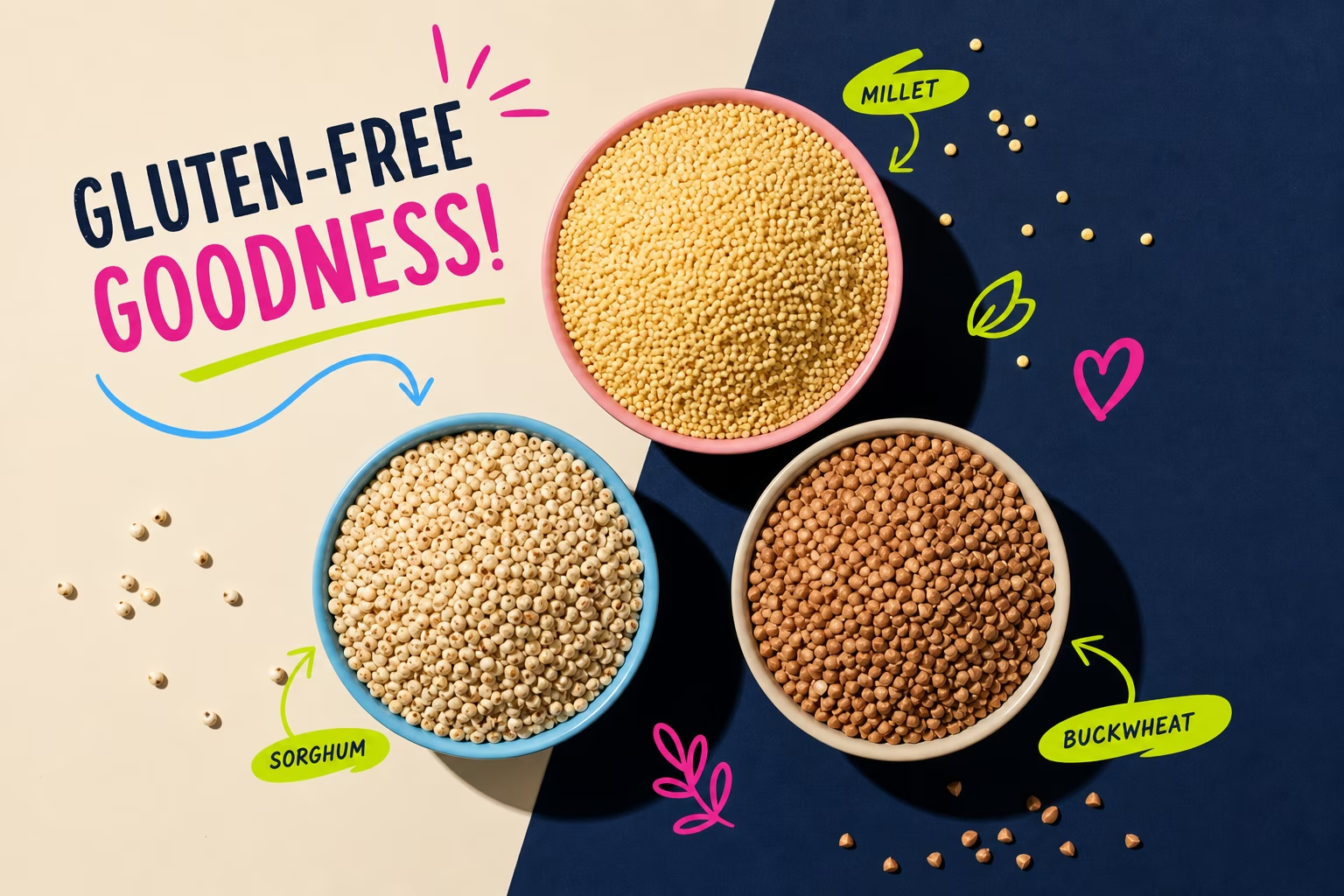
According to a 2023 report from the Celiac Disease Foundation, beers made in dedicated gluten free facilities using inherently gluten free grains are the safest option for anyone with celiac disease. The report emphasizes that these breweries eliminate cross contamination risk from grain sourcing all the way through to packaging, giving you the highest level of confidence in every sip.
“For people with celiac disease, the only truly safe beers are those brewed with naturally gluten free grains in a dedicated facility. Anything less introduces a level of risk that simply is not worth taking.”
Marilyn G. Geller, Chief Executive Officer, Celiac Disease Foundation
Gluten Removed Beers: The Enzyme Debate Explained
Here is where things get controversial. Gluten removed beers, sometimes labeled as crafted to remove gluten, start as regular barley based beer. At the end of the brewing process, manufacturers add an enzyme called Clarex (or a similar proprietary blend) that breaks gluten proteins into smaller fragments. The theory is that these fragments are too small to trigger an immune reaction in most people with gluten sensitivity.
The problem is that standard testing methods struggle to accurately measure gluten levels in these fragmented protein beers. The traditional ELISA test, used to certify foods as gluten free below 20 parts per million, can give unreliable results when gluten has been chopped into pieces. The Beyond Celiac organization has long maintained that gluten removed beers should not be considered safe for people with celiac disease due to this testing gap.
“Current testing methods cannot reliably detect gluten fragments in these beers, which means we simply do not know if they are safe. Until validated testing exists, we cannot recommend gluten removed beers for anyone with celiac disease.”
Alice Bast, Founder and CEO, Beyond Celiac
Why Cross Contamination Matters More Than You Think
Even a beer made with gluten free grains can become unsafe if it is brewed on shared equipment. Many craft breweries that produce a gluten free option do so on the same tanks, lines, and hoses used for their standard barley beers. A thorough cleaning protocol helps, but without a dedicated facility, the risk of trace gluten remains.
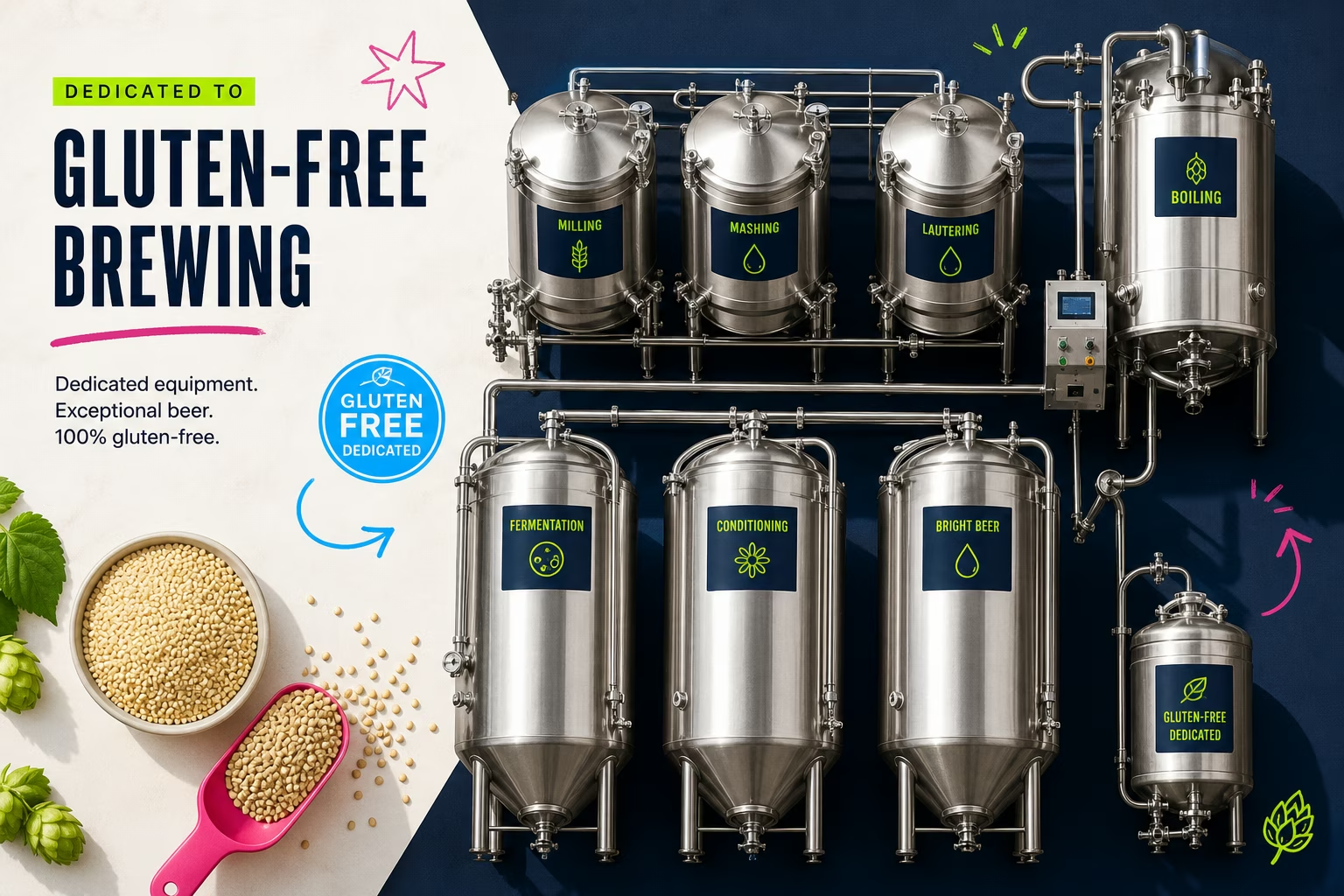
When you are shopping for gluten free beers, look for breweries that openly state their facility is 100 percent gluten free. Brands like Ghostfish, Ground Breaker, and Glutenberg have built their entire identity around this commitment, and they are transparent about their processes. That transparency matters immensely when your health is on the line.
The Best Gluten Free Beers You Can Buy Right Now
Now for the fun part: filling your fridge. The following brands represent the absolute best in the gluten free beer world according to taste tests, awards, and consumer loyalty. You can find most of these at specialty liquor stores, natural food markets, or through online retailers that ship to your state.
If you are new to the gluten free lifestyle, you might want to bookmark The Ultimate Gluten-Free Guide: Foods, Substitutes & Living Well Without Gluten for an easy reference point covering everything beyond just beer. It helps to see the full picture when you are building your gluten free pantry and bar cart at the same time.
Ground Breaker Brewing: The Trailblazer of GF Craft Beer
Based in Portland, Oregon, Ground Breaker Brewing was one of the first dedicated gluten free craft breweries in the United States. They use roasted chestnuts, lentils, and gluten free oats to build body and complexity in their beers, resulting in flavor profiles that traditional craft beer drinkers genuinely respect.
Their IPA No. 5 stands as their flagship offering, delivering a piney, citrus forward hop punch with a satisfying malt backbone that does not taste like a compromise. The dark ale, made with roasted chestnuts and Belgian style yeast, offers notes of chocolate and dark fruit that rival any standard stout. Ground Breaker also operates a 100 percent gluten free brewpub in Portland, making it a destination worth visiting if you are ever in the Pacific Northwest.

Ghostfish Brewing: Award Winning and 100 Percent GF
Seattle based Ghostfish Brewing has racked up an impressive collection of awards, including multiple medals at the prestigious Great American Beer Festival. Their Grapefruit IPA took home gold in 2019, and once you taste it you will understand why. Bright, zesty, and refreshingly bitter, it uses millet and buckwheat as its base grains and fresh grapefruit puree for that punch of citrus.
Ghostfish also produces the Shrouded Summit Belgian White Ale, a witbier style brewed with orange peel and coriander that drinks clean and crisp. Their seasonal releases, including a pumpkin ale in the fall and a rich stout in the winter, keep fans coming back year round. Every drop is brewed in a dedicated gluten free facility, so there is zero ambiguity about safety.
“We did not set out to make good gluten free beer. We set out to make great beer that happens to be gluten free. That distinction drives every decision we make in the brewhouse.”
Jason Yerger, Head Brewer, Ghostfish Brewing Company
Glutenberg: The Canadian Favorite Available Across the US
Montreal based Glutenberg has become one of the most widely distributed gluten free beer brands in North America, and for good reason. Their lineup spans nearly every style you could want: a blonde ale, an American pale ale, an IPA, a stout, and even a gose style sour. The Blonde Ale, with its light body and subtle honey notes, serves as the perfect entry point for anyone new to gluten free beer.
Glutenberg uses millet, buckwheat, and corn in various combinations depending on the style. Their IPA brings a surprisingly robust hop profile with notes of tropical fruit and pine, while the Stout delivers roasted coffee and dark chocolate flavors that feel indulgent. Availability in cans makes them a great option for camping trips, beach days, and backyard barbecues where glass bottles are not ideal.
Holiday Brewing and New Planet: Budget Friendly Classics
Not every gluten free beer needs to carry a premium craft price tag. Holiday Brewing out of Colorado and New Planet (also based in Colorado) both offer approachable, everyday drinking beers that you can find at many grocery stores. Holiday Brewing’s blonde ale is crisp, clean, and sessionable, perfect for mowing the lawn or watching the game.
New Planet has been in the gluten free beer space since 2009 and offers a blonde ale, a pale ale, and a raspberry ale among others. Their beers lean toward the lighter, more accessible end of the spectrum, making them a great choice if you are hosting a party and want something that will appeal to both gluten free and non gluten free guests alike.
Stone Brewing Delicious IPA: The Gluten Reduced Contender
Stone Brewing, one of the biggest names in American craft beer, entered the gluten reduced category with their Delicious IPA. This beer uses the enzyme process to bring gluten levels below 20 ppm, and it carries a gluten reduced label rather than a gluten free certification. For people with mild gluten sensitivity who do not have celiac disease, it offers a compelling option from a brewery with massive distribution.
The beer itself is a well balanced IPA with notes of lemon, lime, and subtle herbal hop character. It is bright and drinkable, and since Stone products appear on shelves nearly everywhere, it is often the easiest option to grab when you are traveling or shopping at a standard grocery store. Just remember that it is gluten reduced, not gluten free, and make your decision accordingly based on your personal health needs.
Is Corona Gluten Free? Answering Your Biggest Beer Question
This might be the single most searched question in the gluten free beer universe, and it deserves a clear answer. Is Corona gluten free? The short answer is no. Corona Extra and Corona Light are both brewed with barley malt, which contains gluten. For anyone with celiac disease or a genuine gluten sensitivity, Corona is not a safe choice.
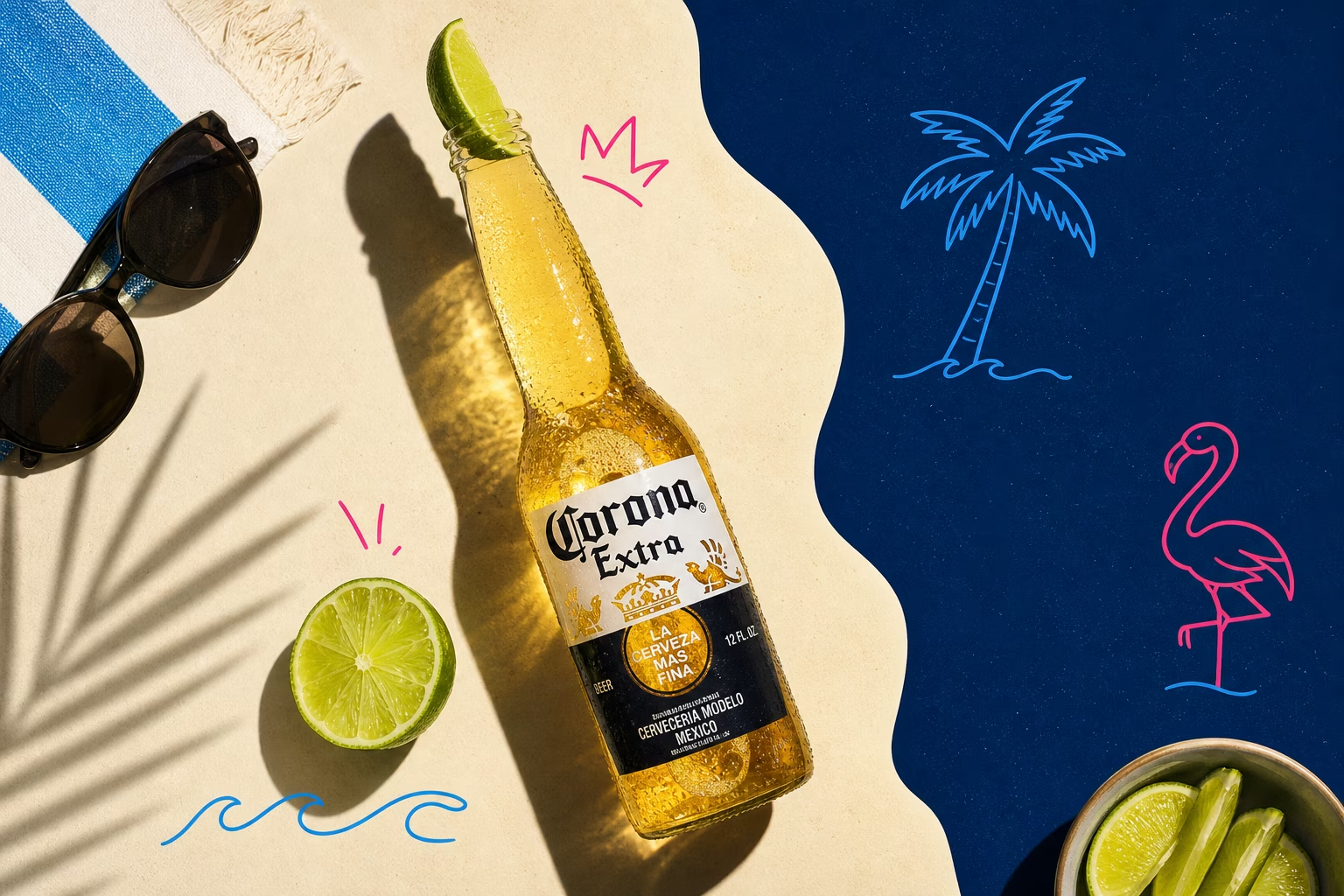
However, the longer answer involves some nuance. According to testing conducted by various independent labs and reported by gluten free advocacy groups, Corona tests at a relatively low gluten level compared to many other traditional beers, typically around 20 ppm or slightly above. But low gluten is not the same as gluten free, and if you need to strictly avoid gluten for medical reasons, Corona belongs on the do not drink list.
Corona and Other Big Brand Beers Under the Gluten Microscope
Corona is not alone in generating confusion. Many big brand light beers test at lower gluten levels than their full bodied counterparts simply because they use more adjunct grains like rice and corn alongside the barley. Beers like Bud Light, Coors Light, and Miller Lite fall into this category, but none are certified gluten free and all contain barley malt as a primary ingredient.
The confusion often stems from message boards and social media where people with non celiac gluten sensitivity share that they can drink certain mainstream beers without symptoms. While that may be true for them individually, it does not make those beers safe for everyone. Your body, your threshold, your decision, but never confuse anecdotal tolerance with medical safety if you have celiac disease.
“Patients often ask me if they can drink a regular beer because they heard from a friend that it is fine. I always tell them the same thing: barley is barley, and no amount of anecdotal evidence changes the biochemistry.”
Dr. Alessio Fasano, Director of the Center for Celiac Research, Massachusetts General Hospital
How to Read Beer Labels When You Have Celiac Disease
Beer labels can be tricky because alcohol falls under the jurisdiction of the Alcohol and Tobacco Tax and Trade Bureau (TTB) in the United States, not the FDA. The labeling rules differ from what you see on food packaging. A beer can only carry a gluten free claim if it is made with gluten free grains, but gluten removed beers can use phrases like crafted to remove gluten, which creates confusion.
Your best bet is to look for a certified gluten free seal from an organization like the Gluten Intolerance Group’s GFCO program. This certification verifies that the product tests below 10 ppm gluten, which is even stricter than the FDA’s 20 ppm threshold. If you cannot find a certification, visit the brewery’s website and look for explicit statements about their facility and their testing protocols.
What Beers Are Gluten Free When You Are Out at Restaurants and Bars
Navigating social situations while gluten free adds a layer of stress that most people never think about. You want to relax, enjoy a drink, and feel normal, but every menu scan and server conversation reminds you that normal requires extra vigilance. The good news is that awareness has grown significantly in recent years, and many establishments now stock at least one gluten free beer option.
That said, you still need to advocate for yourself. Bartenders and servers are not always trained on the nuances of gluten free versus gluten removed, and they may not understand cross contamination risks. A little preparation and knowing the right questions to ask can make the difference between a great night out and a miserable few days of recovery.
Questions to Ask Your Server Before Ordering
When the beer list arrives, do not just scan for a GF symbol and call it good. Ask your server these three questions every single time. First, is this beer brewed with gluten free grains or is it a gluten removed product? Second, is it poured from a dedicated tap line or a bottle/can? Third, does the kitchen use the same fryer for gluten and gluten free items if you are ordering food too?
Tap lines present a particular risk because bars rarely dedicate a line exclusively to gluten free beer. If the beer before yours on that tap was a wheat heavy hefeweizen, trace gluten remains in the line. Bottles and cans eliminate that variable entirely, making them the safest format when you are out. Many restaurants also have a broader selection in bottles than what is listed on the draft menu, so always ask.
National Chains and GF Beer Availability
Chain restaurants with standardized menus have become surprisingly reliable spots for gluten free beer. BJ’s Brewhouse, for example, offers their own gluten free beer option at many locations. Yard House typically carries at least one gluten free bottle or can. Even Buffalo Wild Wings has started stocking gluten free beer options in select markets.
Larger grocery chains with in store bars and taprooms, like Whole Foods, often have dedicated gluten free taps or a robust selection of gluten free cans. When traveling, searching for a local gluten free brewery on a platform like Find Me Gluten Free often reveals hidden gems you would never discover otherwise. The gluten free community is active and generous with recommendations, so lean into that resource.
How to Choose the Right Gluten Free Beer for Your Taste Buds
Walking into a specialty beer shop and staring at a shelf of gluten free options can feel overwhelming, especially if your beer knowledge was built around traditional styles. You knew you liked hefeweizens or amber ales, but those reference points feel less relevant now. The good news is that gluten free brewing has matured enough that style matching works surprisingly well.
Start by thinking about the flavors you enjoyed before going gluten free. Did you reach for crisp, light lagers on hot summer days? Do you crave the resinous bitterness of a West Coast IPA? Are you the type who waits all year for stout season to roll around? Whatever your preference, there is almost certainly a gluten free counterpart that scratches that same itch.
Light and Crispy Versus Dark and Malty
If you are a lager and pilsner person, look for gluten free blonde ales and light lagers. Glutenberg Blonde, New Planet Blonde Ale, and Holiday Brewing’s blonde all deliver that clean, refreshing character with minimal aftertaste. These beers shine when served ice cold alongside salads, seafood, or just a sunny afternoon on the patio.
If darker, maltier beers are your thing, explore the stout and porter offerings from Ghostfish and Ground Breaker. The Ghostfish Watchstander Stout, brewed with coffee and chocolate notes, earned a silver medal at the 2020 Great American Beer Festival and proves that gluten free dark beer can stand toe to toe with any barley based stout on the market. Ground Breaker’s Dark Ale offers a Belgian influenced twist on the darker style that pairs beautifully with grilled meats and roasted vegetables.
Seasonal and Limited Release GF Beers Worth Hunting Down
One of the purest joys of the craft beer world has always been the rhythm of seasonal releases, and gluten free breweries have embraced this tradition wholeheartedly. Ghostfish releases a pumpkin ale each fall that captures the cinnamon, nutmeg, and clove warmth of the season. Their winter warmer brings the higher alcohol content and spiced complexity that makes cold evenings feel cozier.
Ground Breaker regularly experiments with small batch releases, including fruit infused sours in the summer and barrel aged projects that showcase the depth possible with gluten free grains. Following your favorite gluten free breweries on social media gives you a heads up when these limited runs hit shelves, because they tend to sell out fast.
Building your gluten free beer knowledge takes time, but every new bottle or can you try expands your personal library of flavors and brands you trust. Pair that knowledge with resources like The Ultimate Gluten-Free Guide: Foods, Substitutes & Living Well Without Gluten and you will navigate the gluten free lifestyle with confidence, whether you are at the grocery store, a restaurant, or hosting friends at home.
The bottom line is simple: you deserve great beer. The days of apologetic, mediocre gluten free options are over. The breweries leading this movement care deeply about quality, and it shows in every pour. Drink what makes you happy, stay vigilant about what keeps you healthy, and never settle for less than both.
What grains are used in gluten-free beers?
Gluten-free beers are typically made using grains like sorghum, millet, buckwheat, rice, and corn, which do not contain gluten.
Are gluten removed beers safe for people with celiac disease?
Gluten removed beers may contain gluten fragments that are not detectable by standard tests, making them unsafe for people with celiac disease.
How can I ensure a beer is truly gluten-free?
Look for a certified gluten-free seal from reputable organizations and check if the beer is brewed in a dedicated gluten-free facility.
What is the difference between gluten-free and gluten-reduced beers?
Gluten-free beers are brewed without gluten-containing grains, while gluten-reduced beers use enzymes to lower gluten content in traditional brews.
Can I find gluten-free beers at chain restaurants?
Yes, many chain restaurants now offer at least one gluten-free beer option, but it’s best to ask about their selection and safety measures.
What should I ask about gluten-free beer options at a bar?
Inquire if the beer is brewed with gluten-free grains, if it’s poured from a dedicated line, and about any cross-contamination risks.
Do gluten-free beers taste different from traditional beers?
Gluten-free beers can have unique flavors due to the alternative grains used, but many breweries aim to match traditional beer profiles closely.