Are Corn Flakes Gluten Free?
If you are living gluten free, breakfast cereal can feel like a minefield. You pick up a box of corn flakes and wonder, are corn flakes gluten free? The answer is not always straightforward, but knowing what to look for is the key to starting your day safely. This guide breaks down exactly how to tell if your favorite cereal is safe, from corn flakes to Frosted Flakes, Fruity Pebbles, Lucky Charms, and more. For a broader look at gluten-free foods, check out The Ultimate Gluten-Free Guide: Foods, Substitutes & Living Well Without Gluten.
What Makes a Cereal Gluten Free?
Before you pour a bowl, it helps to understand the rules. Gluten is a protein found in wheat, barley, rye, and triticale. If a cereal is made from corn or rice, it might seem safe, but that is not the whole story. Cross-contact during growing, harvesting, or manufacturing can introduce gluten into an otherwise safe grain.
According to the Celiac Disease Foundation, approximately 1% of the population worldwide has celiac disease, and for these individuals even a trace of gluten can cause health problems. That means you need to think beyond the main ingredient.
Understanding Gluten and Cross-Contact
Corn is naturally gluten free. So why are corn flakes not automatically safe? Many mass-produced cereals use shared equipment or add barley malt for flavoring. Barley is a gluten grain, and even a small amount can make a cereal unsafe for someone with celiac disease or gluten sensitivity.
“For people with celiac disease, even a small amount of gluten can cause damage to the intestine.”
Celiac Disease Foundation
Cross-contact can happen at any point, from the farm to the factory. That is why manufacturers who take extra steps test and certify their products.
The Importance of Gluten-Free Labeling
In the United States, the Food and Drug Administration (FDA) sets a standard for what can be called gluten free. A product must contain less than 20 parts per million of gluten. This rule applies to packaged foods like cereal.
“The gluten-free labeling rule gives consumers a standardized tool for managing their health and dietary intake.”
FDA Center for Food Safety and Applied Nutrition
When you see a gluten-free claim on a cereal box, you can feel more confident. But not every safe cereal carries that label, so you still need to know what to check.
How Can You Tell If Corn Flakes Are Gluten Free?
You are standing in the cereal aisle, and you want to know are corn flakes gluten free. The direct answer: classic Kellogg’s Corn Flakes are not gluten free because they contain malt flavoring derived from barley. However, there are gluten-free alternatives that use corn and exclude barley malt. So your real task is knowing how to spot the difference.
Reading the Ingredients List
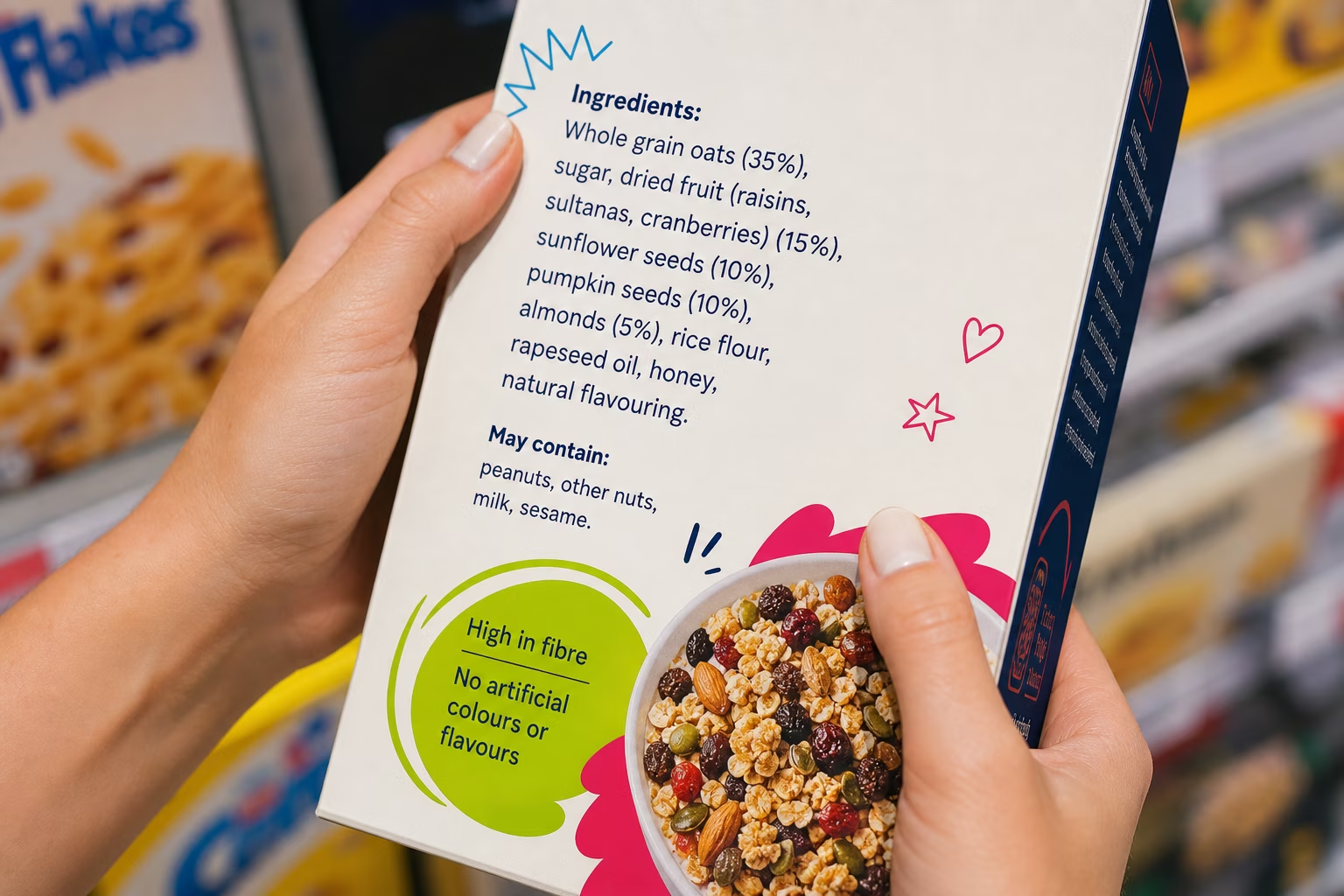
Your first defense is the ingredient panel. Look for words like wheat, barley, rye, malt, malt flavoring, or malt extract. Even if corn is the first ingredient, malt will make the cereal off limits. Here is a quick checklist for scanning ingredients:
- Check for any mention of barley or malt.
- Watch for vague terms like natural flavor, which can sometimes hide gluten sources unless the product is labeled gluten free.
- Look for oats only if they are labeled gluten free, as regular oats are frequently cross-contaminated.
By making this a habit, you will catch hidden gluten quickly.
“Always read the ingredient list, even on products you’ve purchased before, because formulations can change.”
Shelley Case, RD, Author of Gluten-Free: The Definitive Resource Guide
Checking for Gluten-Free Certification
A gluten-free certification seal from organizations like the Gluten-Free Certification Organization (GFCO) adds another layer of safety. Certified products are tested and must meet strict standards, often below 10 ppm. If you find a corn flake cereal with a certified gluten-free logo, you can enjoy your breakfast with peace of mind.
What to Look for When You Call the Manufacturer
If a box is not clearly labeled, do not be afraid to contact the company directly. Ask these three questions:
- Do you test your final product for gluten?
- Is there any possibility of cross-contact with wheat, barley, or rye on your production line?
- Has your formula or facility changed recently that might affect gluten status?
Companies that are transparent will give you a straight answer, and that information can guide your choice.
Which Popular Cereals Are Gluten Free? A Breakdown
Now that you know the basics, let us tackle the specific cereals you have been asking about. Are your childhood favorites safe, or do you need to leave them on the shelf? I will walk you through each one so you can make informed decisions. For additional breakfast alternatives, The Ultimate Gluten-Free Guide: Foods, Substitutes & Living Well Without Gluten offers even more ideas.
Are Frosted Flakes Gluten Free?
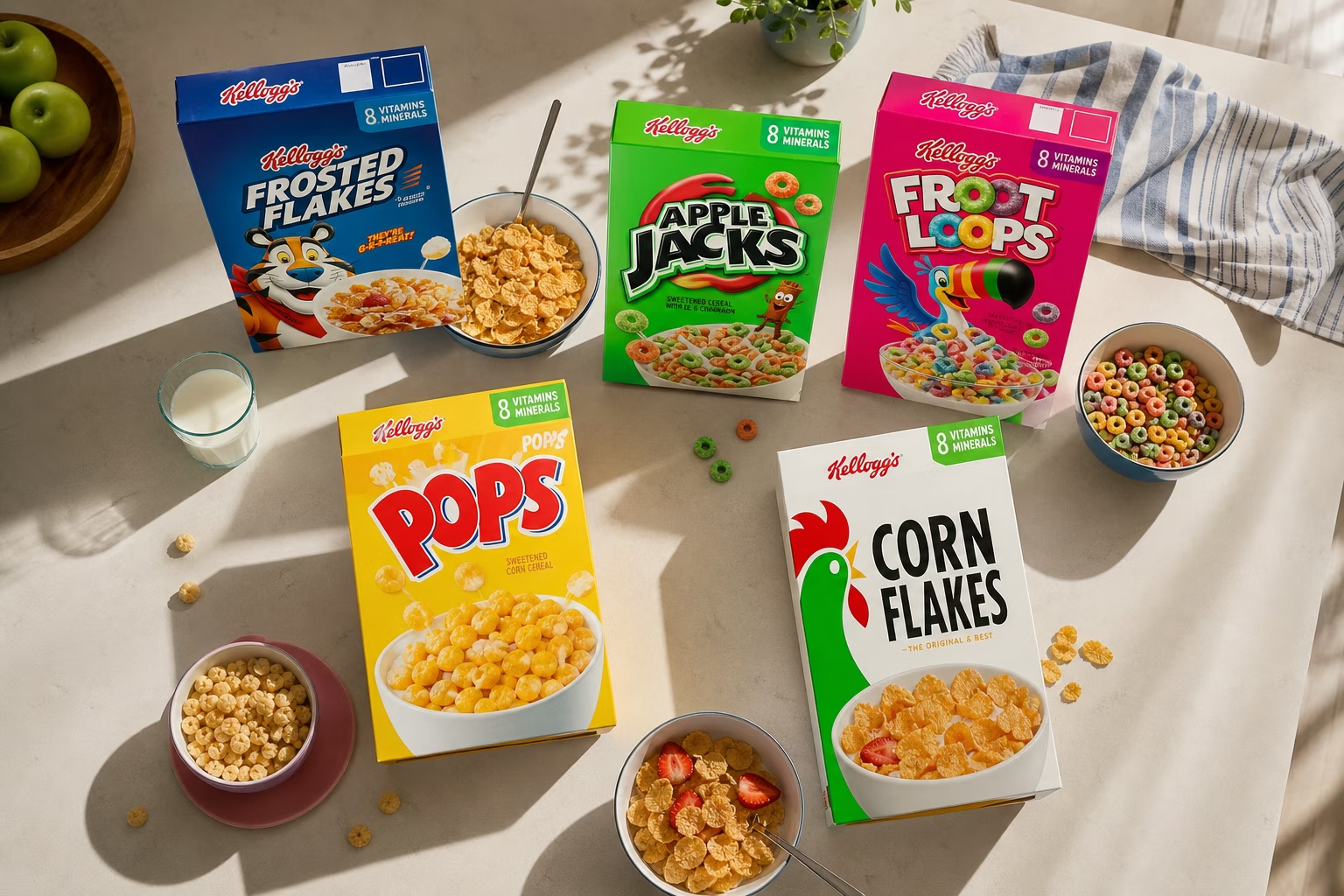
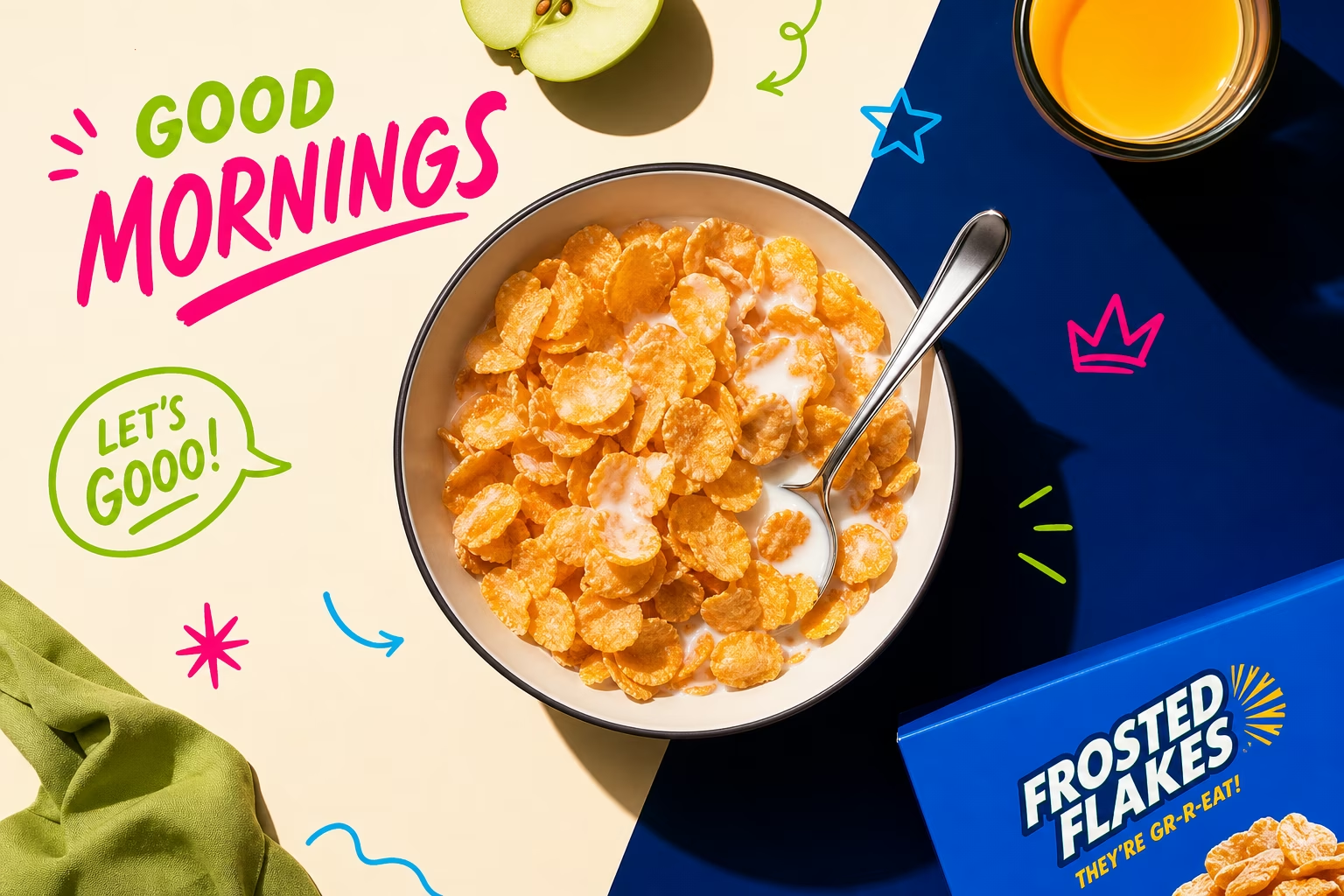
When you ask are frosted flakes gluten free, you are really asking about Kellogg’s Frosted Flakes. This cereal contains malt flavoring, which comes from barley. That makes it not gluten free. The sugar coating does not cancel out the gluten risk. Fortunately, several brands make gluten-free frosted flakes using corn and cane sugar without malt. Nature’s Path EnviroKidz Frosted Flakes, for example, are certified gluten free and taste remarkably similar.
Are Fruity Pebbles Gluten Free?
If you love the colorful crunch, you will be happy to learn that Fruity Pebbles are labeled gluten free. Post Consumer Brands clearly marks the box with a gluten-free claim. The cereal is made primarily from rice and contains no barley malt. That same statement applies to Cocoa Pebbles, so both options are safe when you see the gluten-free banner. Always double-check the package, though, as manufacturer practices can evolve.
Are Lucky Charms Gluten Free?
The short answer to are lucky charms gluten free is no. General Mills Lucky Charms contain wheat starch, which is a deliberate gluten ingredient. Even though General Mills does extensive allergen cleaning, the presence of wheat makes this cereal unsuitable for anyone with celiac disease or gluten sensitivity. There is no gluten-free version of Lucky Charms on the market, so you will need to look for alternative marshmallow cereals from dedicated gluten-free brands.
Are Rice Krispies Gluten Free?
The classic Rice Krispies cereal is not gluten free because it uses malt flavoring from barley. That means the snap, crackle, and pop you remember from childhood is not safe. However, Kellogg’s now produces Rice Krispies Gluten Free, made with brown rice and without barley malt. This version is packaged in a distinct box and bears a gluten-free label. When you are at the store, make sure you pick up the one that explicitly says gluten free on the front.
Is Captain Crunch Gluten Free?
When someone asks is captain crunch gluten free, the disappointing answer is no. Captain Crunch cereal contains oat flour that is not certified gluten free and may also contain wheat starch. The risk of cross-contact is high, and the company does not label it gluten free. If you crave that sweet, crunchy flavor, look for gluten-free knockoffs that use certified gluten-free oat and corn blends.
Are Cocoa Puffs Gluten Free?
You might hope that a chocolatey cereal like Cocoa Puffs would be safe, but the label tells a different story. General Mills Cocoa Puffs list wheat and malted barley as ingredients. That means they are not gluten free. Currently, there is no gluten-free version of this cereal produced by General Mills. You can, however, find gluten-free chocolate rice puffs or cocoa corn puffs from specialty brands that deliver the same rich taste without the risk.
How to Choose Safe Gluten-Free Cereals Every Time
After breaking down individual cereals, you can see a pattern: malt, wheat, and questionable oats are the biggest troublemakers. With the right approach, you can build a gluten-free cereal rotation that you actually enjoy.
Prioritizing Certified Gluten-Free Brands
The easiest path to safety is sticking with brands that specialize in gluten-free products. Companies like Nature’s Path, EnviroKidz, and Barbara’s Bakery offer cereals made in dedicated facilities or with rigorous testing. When you see that GFCO logo or a clear gluten-free statement, you eliminate guesswork.
“When in doubt, go with a product that bears a gluten-free certification mark from GFCO or similar.”
Rachel Begun, MS, RDN, Gluten-Free Lifestyle Expert
Avoiding Hidden Gluten in Malt Flavoring and Barley Malt
Malt is one of the sneakiest sources of gluten in breakfast cereals. Because it derives from barley, it is never safe on a gluten-free diet unless the product specifically tests and certifies otherwise. You will find malt listed as malt syrup, malt extract, or simply malt flavoring.
Why Malt Is a Red Flag
Many people assume that malt is just a sweetener, but it is a gluten grain product. Even a tiny amount can trigger symptoms in those with celiac disease. Always scan for this word, and if you see it without a gluten-free claim, put the box back.
“Malt is almost always derived from barley, which contains gluten, and it is not safe for anyone with celiac disease.”
Beyond Celiac
Common Mistakes When Selecting Gluten-Free Cereals
Even careful shoppers can slip up. Avoiding these frequent errors will help you stay safe without feeling deprived.
Assuming All Corn or Rice Cereals Are Safe
Corn and rice are gluten free in their raw form, but that does not guarantee the cereal is safe. As you saw with corn flakes and Rice Krispies, malt can turn an otherwise safe grain into a problem. Never let the base ingredient fool you. Always verify the full ingredient list and look for the gluten-free label.
Ignoring Changes in Formulation
Recipes can change without warning. A cereal that was gluten free last month might now include barley malt or be produced on shared equipment. Manufacturers sometimes update their formulas to cut costs or improve taste. Make it a habit to glance at the label every time you buy, even if it is a product you have trusted for years. Signing up for company newsletters or following them on social media can also give you an early heads-up about ingredient changes.
By treating label reading as a routine part of your shopping trip, you will catch surprises before they end up in your bowl. With the strategies in this guide, you can confidently answer whether corn flakes or any other cereal fits into your gluten-free life. The key is simple: when the box does not promise gluten free, let the ingredient list and the company’s transparency make the final call.
Are all corn flakes gluten free?
No, not all corn flakes are gluten free. Many contain malt flavoring derived from barley, which is not gluten free.
What should I look for on the cereal box for gluten-free options?
Look for a gluten-free certification seal or a clear gluten-free label on the box. Also, check the ingredients list for any gluten-containing ingredients.
Can I trust a cereal that is labeled gluten-free?
Yes, if it is certified by a reputable organization like GFCO, it should meet strict gluten-free standards.
Is it safe to eat cereals without a gluten-free label?
It is risky as they may contain gluten through ingredients like malt or due to cross-contact during manufacturing.
How often should I check cereal labels for gluten content?
Every time you purchase, as formulations can change. Even trusted brands may update their recipes.
What is cross-contact and why is it a concern?
Cross-contact occurs when gluten-free grains come into contact with gluten-containing grains, making them unsafe.