Gluten Free Cheesecake Recipe: The Only Guide You’ll Ever Need
A creamy, tangy cheesecake is one of life’s purest dessert pleasures. If you’re living gluten‑free, you might wonder whether this beloved treat can still hold a place on your table. The great news is, with the right gluten free cheesecake recipe, you can enjoy every bit of that indulgent texture without a trace of gluten. We’ll walk you through each step, from crust to filling, so your dessert rivals any traditional bakery’s version.
More and more home bakers are turning to gluten‑free desserts, and cheesecake tops the wish list. According to a 2023 Grand View Research report, the global gluten‑free products market reached USD 6.7 billion in 2022, with dessert items showing some of the fastest growth. This gluten free cheesecake recipe puts you right at the sweet spot of that trend.
“When I first tackled gluten‑free cheesecake, I realized the crust was the only barrier; with the right gluten‑free cookies, it could be indistinguishable from the original.”
Nicole Hunn, Author of Gluten‑Free on a Shoestring
Why Make a Gluten Free Cheesecake?
Cheesecake is the ultimate blank canvas. It can be dressed up for holidays, served with fresh berries for a summer gathering, or simply enjoyed as a quiet indulgence after a long day. By learning a reliable gluten free cheesecake recipe, you give yourself a go‑to showstopper that works for nearly every occasion. Plus, you control the quality of each ingredient, which is a major win when avoiding gluten.
Still, many bakers hesitate because they worry about texture or taste sacrifices. The truth is, with a few smart swaps, a gluten‑free cheesecake can be every bit as luscious and satisfying as its wheat‑based counterpart. Let’s break down what makes cheesecake gluten‑free in the first place, and why it deserves a permanent spot in your dessert rotation.
Is Cheesecake Gluten Free? Understanding the Hidden Risks
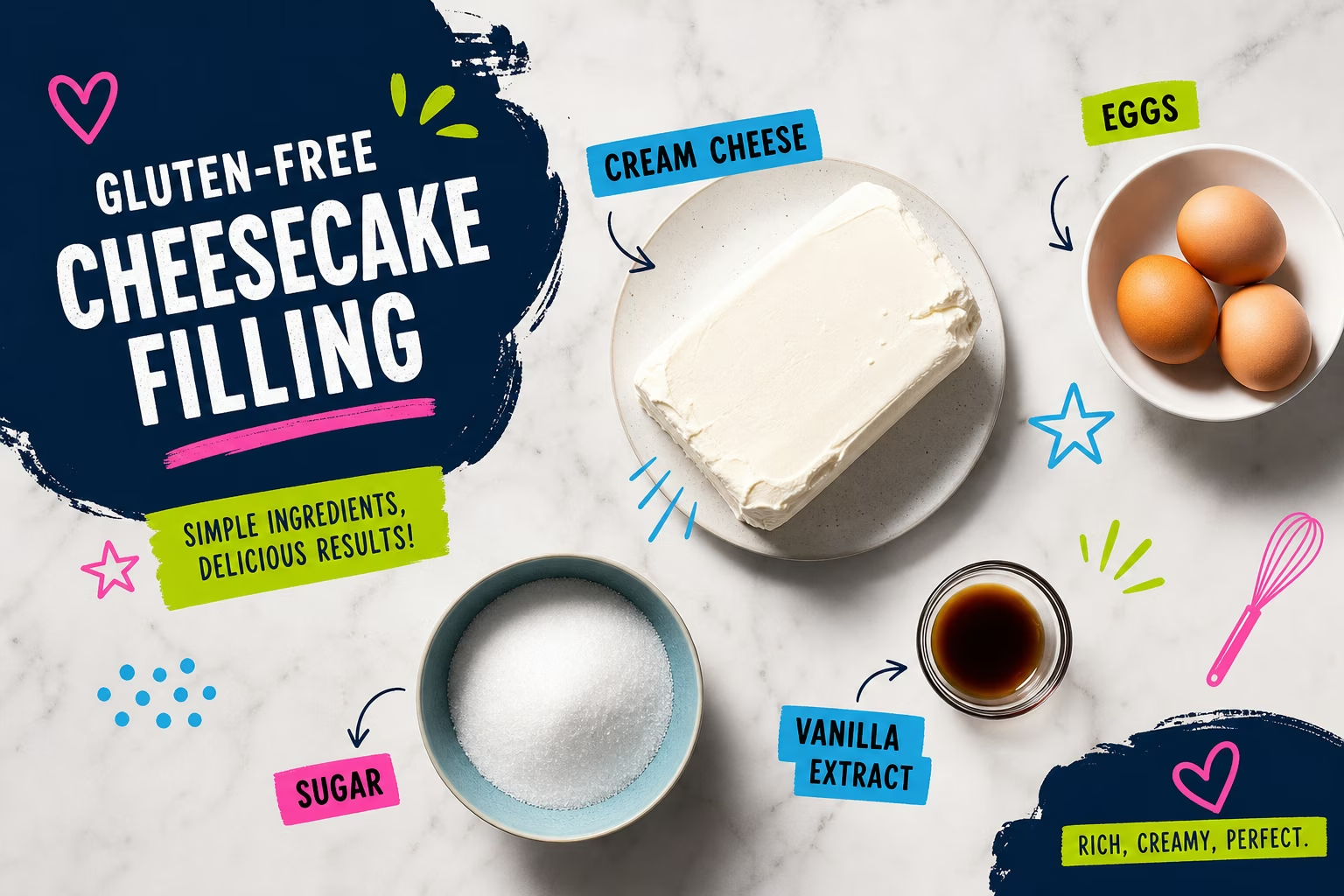
If you’ve ever asked, “is cheesecake gluten free,” you’re not alone. The answer is both yes and no. Traditional cheesecake filling is typically made from cream cheese, sugar, eggs, and vanilla or other extracts, none of which contain gluten. That’s the good news. The trouble often hides in the crust, where wheat‑based graham crackers, cookies, or even flour can sneak in.
“The greatest risk with cheesecake is the crust because it typically contains wheat flour or graham crackers made with wheat. The filling is naturally gluten‑free.”
Dr. Peter Green, Director of the Celiac Disease Center at Columbia University
Beyond the crust, cross‑contamination is a real concern. If you’re ordering cheesecake at a restaurant or buying a packaged slice, shared equipment or unlabeled starches can introduce gluten. That’s why mastering a dedicated gluten free cheesecake recipe at home is the safest and most delicious route. When you are just starting out on a gluten‑free journey, our The Ultimate Gluten‑Free Guide: Foods, Substitutes & Living Well Without Gluten can help you confidently navigate ingredient choices.
The Joy of Gluten Free Desserts: Cheesecake as a Showstopper
When it comes to gluten free desserts cheesecake is often the first thing people request. Its dense, velvety texture feels luxurious, yet it requires no special flours or complicated binder systems in the filling. That simplicity makes it one of the most accessible desserts for anyone avoiding gluten. Whether you prefer a classic New York style or a fruity twist, cheesecake always delivers a wow factor.
Imagine placing a perfectly set cheesecake on the dessert table: the smooth top glistens, the crust holds a golden promise, and every forkful melts in the mouth. Guests won’t ask if it’s gluten‑free; they’ll ask for the recipe. That’s the power of a well‑executed gluten free cheesecake recipe.
Crafting the Perfect Gluten Free Cheesecake Crust
The crust can make or break your cheesecake. A good one adds a buttery crunch that contrasts beautifully with the creamy filling. Fortunately, creating a showstopping gluten free cheesecake crust is simpler than you might think. We’ll explore three popular bases: a classic graham cracker style, a delicate ladyfinger version, and no‑bake alternatives for when you want to skip the oven altogether.
Each crust option uses ingredients you can find in most well‑stocked supermarkets or health food stores. The key is to treat the base with the same care you give the filling, toasting or binding ingredients to lock in flavor and texture.
Gluten Free Graham Cracker Crust: A Classic Base
For many, the ultimate gluten free graham cracker crust is the holy grail of cheesecake baking. That familiar honey‑wheat flavor and tender snap are entirely achievable without gluten. Start by sourcing high‑quality gluten‑free graham crackers. Brands like Pamela’s or Schär produce consistently crisp results, but you can also use gluten‑free digestive biscuits in a pinch.
“For a crisp, buttery crust without gluten, I turn to gluten‑free graham crackers or even a mix of almond flour, a touch of sugar, and melted butter.”
Katarina Cermelj, Founder of The Loopy Whisk
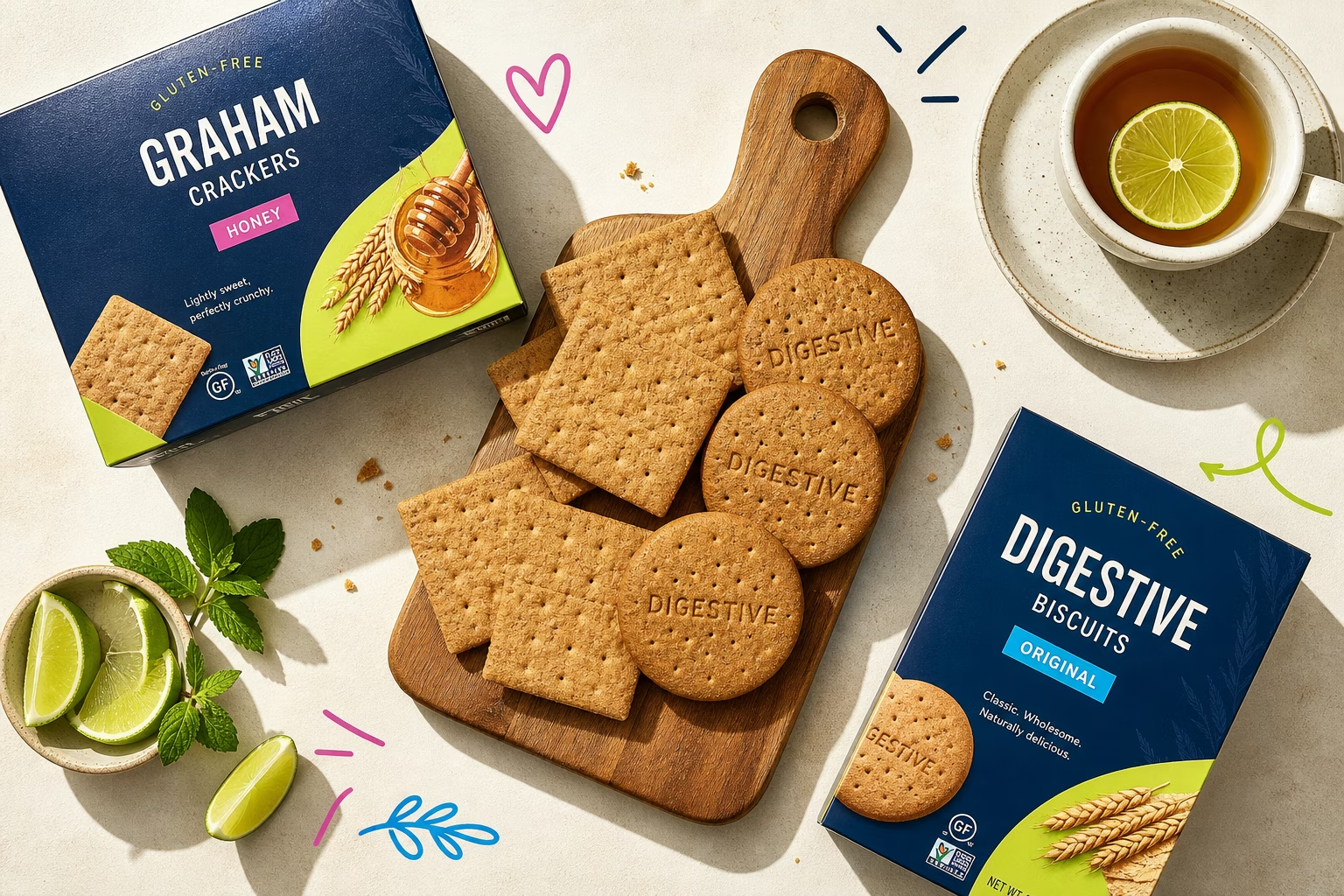
Step 1: Choose Your Gluten‑Free Graham Crackers
Look for a certified gluten‑free label. Not all “graham‑style” crackers are safe, so double‑check the ingredients. Once you have a box, you’ll need about 1 ½ cups of fine crumbs. Place the crackers in a zip‑top bag and crush them with a rolling pin, or pulse them in a food processor until they resemble sand. The finer the crumb, the better your crust will hold together.
Step 2: Blend and Press for a Sturdy Foundation
Combine your crumbs with a pinch of salt, a couple of tablespoons of granulated or brown sugar, and enough melted butter to make the mixture feel like wet sand. Press this firmly into the bottom and slightly up the sides of a springform pan. Use the flat bottom of a measuring cup to compact it evenly. Bake the crust at 350°F for 8 to 10 minutes, just until fragrant. This pre‑baking step prevents sogginess later.
Using Gluten Free Ladyfingers for a Delicate Touch
If you’re dreaming of an Italian‑style cheesecake or a lighter, sponge‑like base, gluten free ladyfingers are your secret weapon. These crisp, finger‑shaped cookies soak up moisture beautifully, giving you a tiramisu‑inspired crust if you brush them with coffee, or a subtle vanilla accent if left plain. Brands such as Schär offer ready‑made gluten‑free ladyfingers that perform reliably.
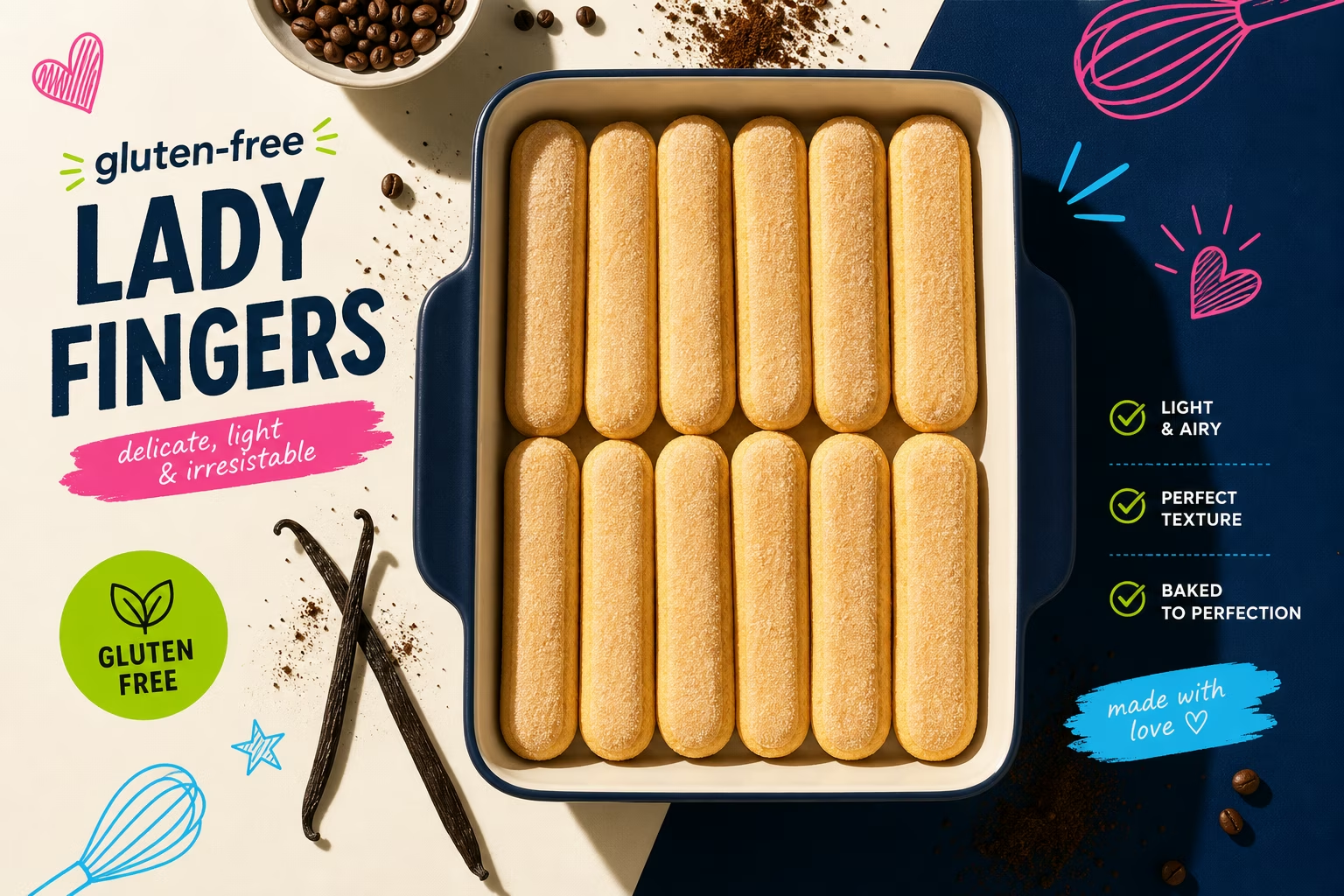
To use them, line the bottom of your pan with whole ladyfingers, breaking a few to fill gaps. You can also dip them briefly in a mixture of milk and vanilla for extra tenderness. Press down gently to create an even layer, and pour the filling directly over. No pre‑baking is needed, but do watch your baking time since the edges of the ladyfingers can over‑brown. This approach also works beautifully in a gluten free desserts cheesecake bar where guests can add their own toppings.
No‑Bake Crust Options: Nuts, Dates, and Chocolate
When summer hits or you simply want to skip the oven, a no‑bake gluten free cheesecake crust is your best friend. Almond flour or finely ground pecans mixed with melted coconut oil and a touch of maple syrup create a hearty, nutty base. For a sweeter profile, blend pitted Medjool dates with cocoa powder and shredded coconut. The natural stickiness of dates holds everything together without any gluten or refined sugar.
Press these mixtures into your pan and chill until firm. This style of crust pairs brilliantly with a tangy lemon cheesecake or a rich chocolate filling. It also sidesteps any need for gluten‑free flours, drawing extra confidence from anyone new to gluten‑free baking. Weave in our The Ultimate Gluten‑Free Guide: Foods, Substitutes & Living Well Without Gluten if you want to explore more alternative flours and binding agents that work across all your baking.
Baking the Creamy Gluten‑Free Cheesecake Filling
Now comes the star of any gluten free cheesecake recipe: the filling. Most traditional recipes are already gluten‑free, but a few insider techniques ensure a velvety result that never cracks. From ingredient temperature to the way you mix, small details make a huge difference in the final texture.
“Gluten‑free cheesecake is a dessert everyone can enjoy; the cream cheese filling itself is naturally free of gluten.”
Silvana Nardone, Chef and Author of Cooking for Isaiah
Start with full‑fat cream cheese. Reduced‑fat versions contain more water and stabilizers, which can leave you with a grainy or watery cheesecake. Let every ingredient come to room temperature before you begin. Cold cream cheese yields a lumpy batter, no matter how long you beat it. This is non‑negotiable.
Essential Tips for a Crack‑Free Top
Cracks on a cheesecake’s surface are the baker’s nemesis, but they are entirely preventable. The culprits are over‑beating, rapid temperature changes, and over‑baking. Follow these steps for a smooth, professional‑looking top every time.
Step 1: Room‑Temperature Ingredients Are Non‑Negotiable
Take your cream cheese, eggs, and any other dairy out of the fridge at least two hours before mixing. If you’re short on time, slice the cream cheese into smaller cubes and let them sit for 30 minutes. Eggs can be placed in a bowl of warm water for 10 minutes. When everything is at the same temperature, they emulsify seamlessly, trapping air more slowly and reducing the risk of cracks.
Step 2: The Water Bath Technique for Silky Texture
A water bath, or bain‑marie, gently insulates the cheesecake, promoting even baking and a custard‑like center. Wrap the outside of your springform pan in two layers of heavy‑duty aluminum foil to prevent leaks. Place the pan inside a larger roasting pan and pour hot water until it reaches halfway up the sides. Bake at a lower temperature, around 325°F, until the edges are set but the center still jiggles slightly. Turn off the oven, crack the door, and let the cheesecake cool inside for an hour. This slow cool‑down prevents sudden shrinking and cracking.
Flavor Variations: From Classic to Chocolate Swirl
Once you’ve mastered the basic gluten free cheesecake recipe, a world of variations opens up. For a chocolate swirl, melt 4 ounces of gluten‑free semi‑sweet chocolate and fold it into half the batter. Drop spoonfuls of each batter into the crust and swirl gently with a knife. A lemon version is as simple as adding 2 tablespoons of fresh lemon zest and a splash of juice. Pumpkin spice, salted caramel, and white chocolate raspberry are all stunning adaptations.
Remember that any add‑in must be gluten‑free. Always check labels on chocolate chips, flavor extracts, and cookie pieces. Even caramel color or natural flavors can sometimes hide gluten. This diligence is what turns gluten free desserts cheesecake into a reliable, crowd‑pleasing tradition.
Serving and Storing Your Gluten Free Cheesecake
A perfectly baked cheesecake deserves an equally thoughtful presentation. Slice it with a sharp knife dipped in hot water and wiped clean between cuts. That gives you clean, bakery‑style edges that show off the layers. But what about the next day, or the day after that?
Toppings and Sauces That Complement Gluten‑Free Cheesecake
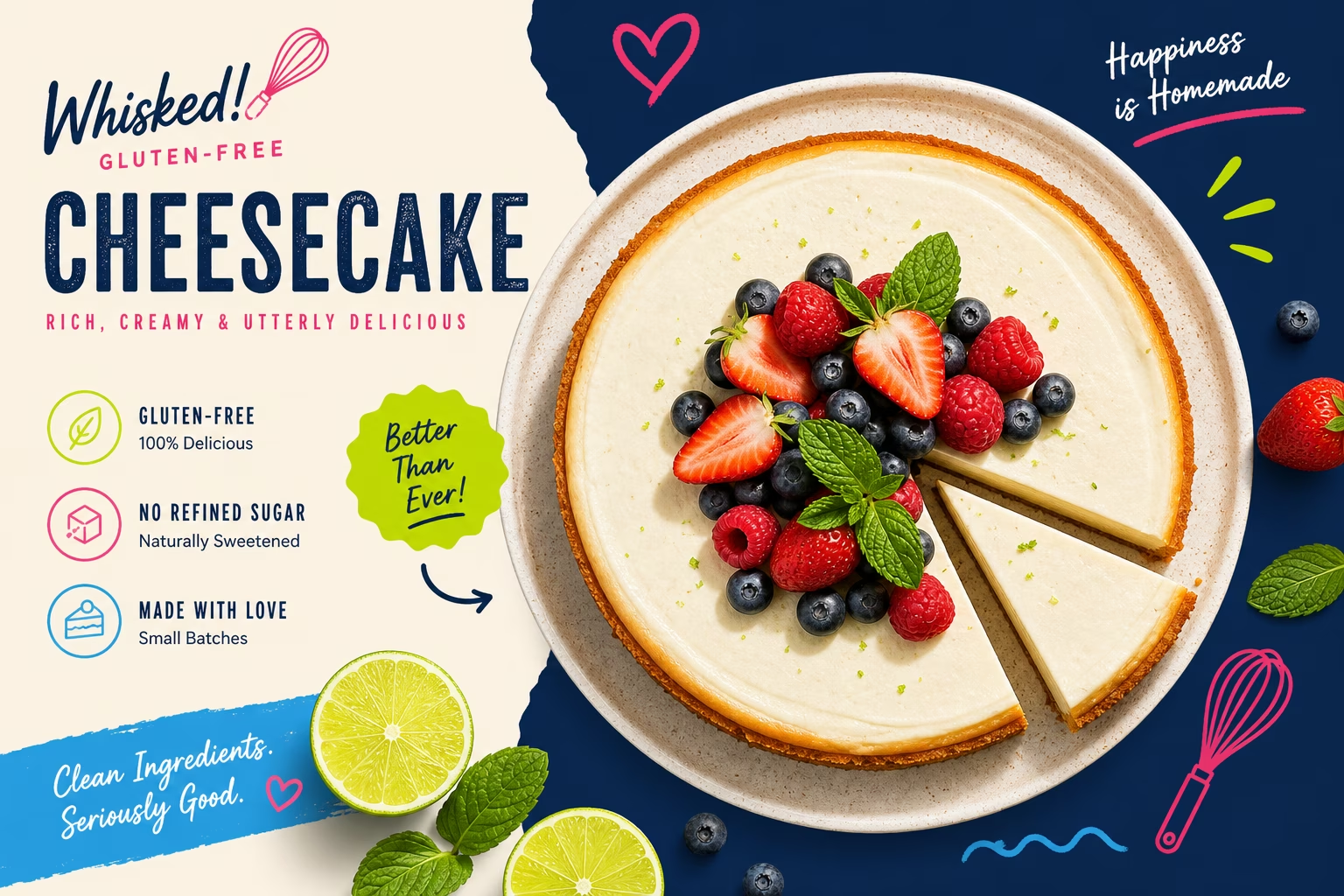
Keep your toppings simple and gluten‑free. Fresh berries, a quick berry compote made with a little sugar and lemon, or a drizzle of melted chocolate are all safe bets. Whipped cream is often gluten‑free, but check stabilizers. Caramel sauce and lemon curd can be made from scratch to avoid hidden thickeners. Even a dusting of powdered sugar elevates the look instantly. Just confirm your powdered sugar is gluten‑free; some brands use wheat starch.
If you’re serving at a party, set up a mini topping bar. Let guests choose from crushed gluten‑free cookies, toasted coconut, chopped nuts, and a selection of sauces. It turns a simple gluten free cheesecake recipe into an interactive experience and ensures everyone can customize safely.
Make‑Ahead Tips and Freezing Strategies
Cheesecake is the ultimate make‑ahead dessert. In fact, it often tastes better the next day as the flavors meld. Wrap the cooled cheesecake, still in its pan, tightly in plastic wrap and refrigerate up to five days. For longer storage, freeze it. Place the whole cheesecake on a baking sheet until firm, then wrap in a layer of plastic and a layer of foil. It will keep for up to three months.
When you’re ready to serve, thaw the cheesecake overnight in the refrigerator. Avoid thawing at room temperature, which can cause condensation and a soggy crust. A well‑frozen slice tastes as fresh as the day it was baked. This practicality makes gluten free desserts cheesecake a favorite for busy hosts and anyone who loves a sweet treat on demand. For more tips on stocking your gluten‑free pantry and choosing the right ingredients, revisit our The Ultimate Gluten‑Free Guide: Foods, Substitutes & Living Well Without Gluten whenever you need a refresher.
What is the best gluten-free crust for cheesecake?
The best gluten-free crust depends on your preference. A classic graham cracker crust or a no-bake nut and date crust are popular options.
How do I prevent my cheesecake from cracking?
Ensure all ingredients are at room temperature, avoid over-beating, and use a water bath to maintain even baking temperatures.
Can I make a cheesecake without a crust?
Yes, you can bake a crustless cheesecake directly in a springform pan for a rich and creamy dessert without the added crunch.
How long can I store gluten-free cheesecake?
Refrigerate for up to five days or freeze for up to three months for best quality.
Can I use alternative sweeteners in my cheesecake?
Yes, you can substitute sugar with natural sweeteners like honey or maple syrup, but it may alter the texture slightly.
What toppings pair well with gluten-free cheesecake?
Fresh berries, chocolate drizzle, or a homemade berry compote are excellent choices.
Is all cream cheese gluten-free?
Most cream cheese is gluten-free, but always check the label for any unexpected additives or cross-contamination warnings.