How Can I Use Gluten Free Brownie Mix for Easy Desserts?
Why Choose a Gluten Free Brownie Mix?
The Convenience Factor
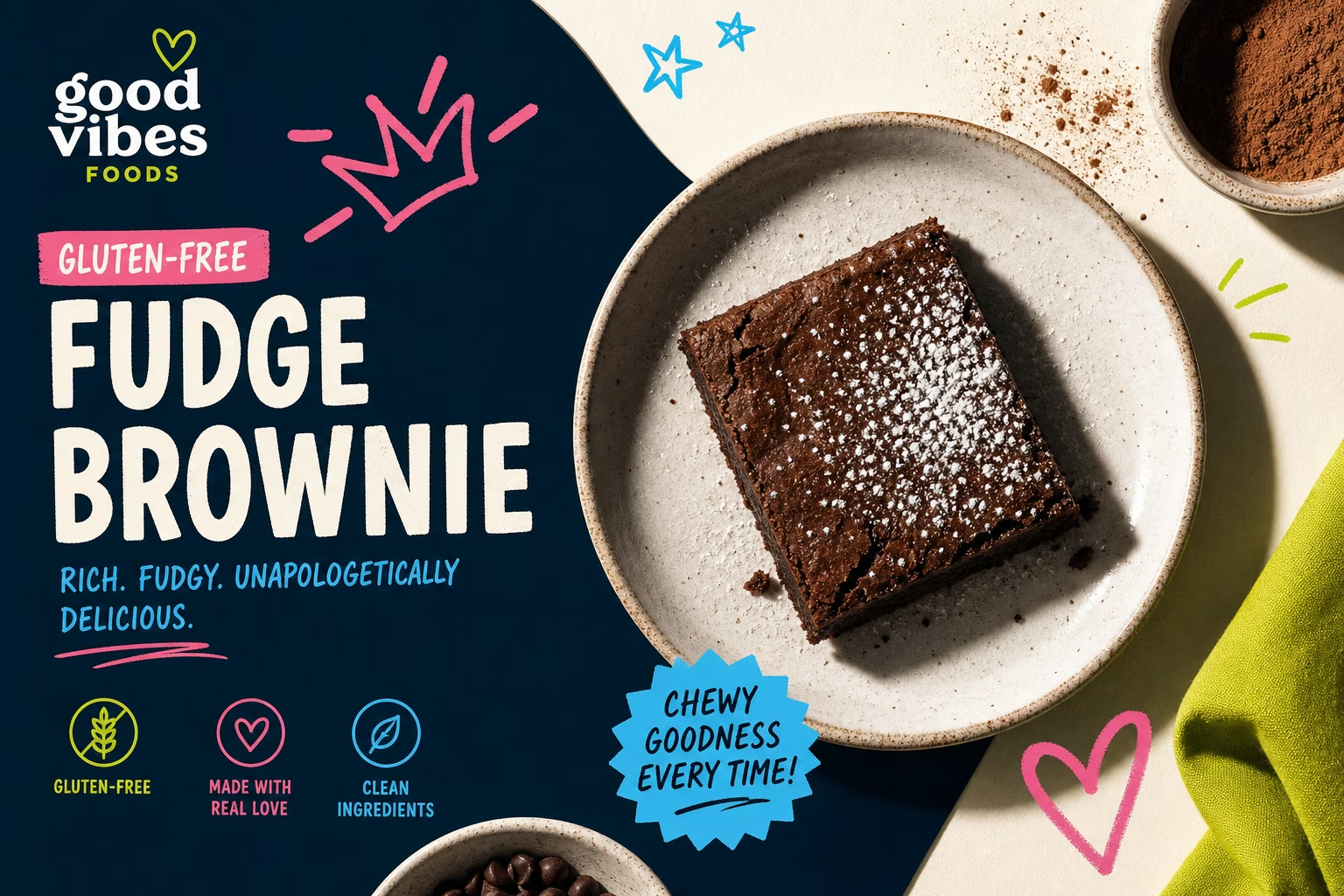
When you are short on time but still crave a warm, fudgy dessert, a gluten free brownie mix can be your best friend. Instead of measuring out multiple specialty flours, starches, and binders, you simply open the box, add a few wet ingredients, and stir. This simplicity is a game changer for busy weeknights or spontaneous baking sessions where you want that homemade taste without the hassle. For anyone new to the gluten free lifestyle, a quality mix removes the intimidation factor and lets you focus on enjoying the process, not on flour chemistry.
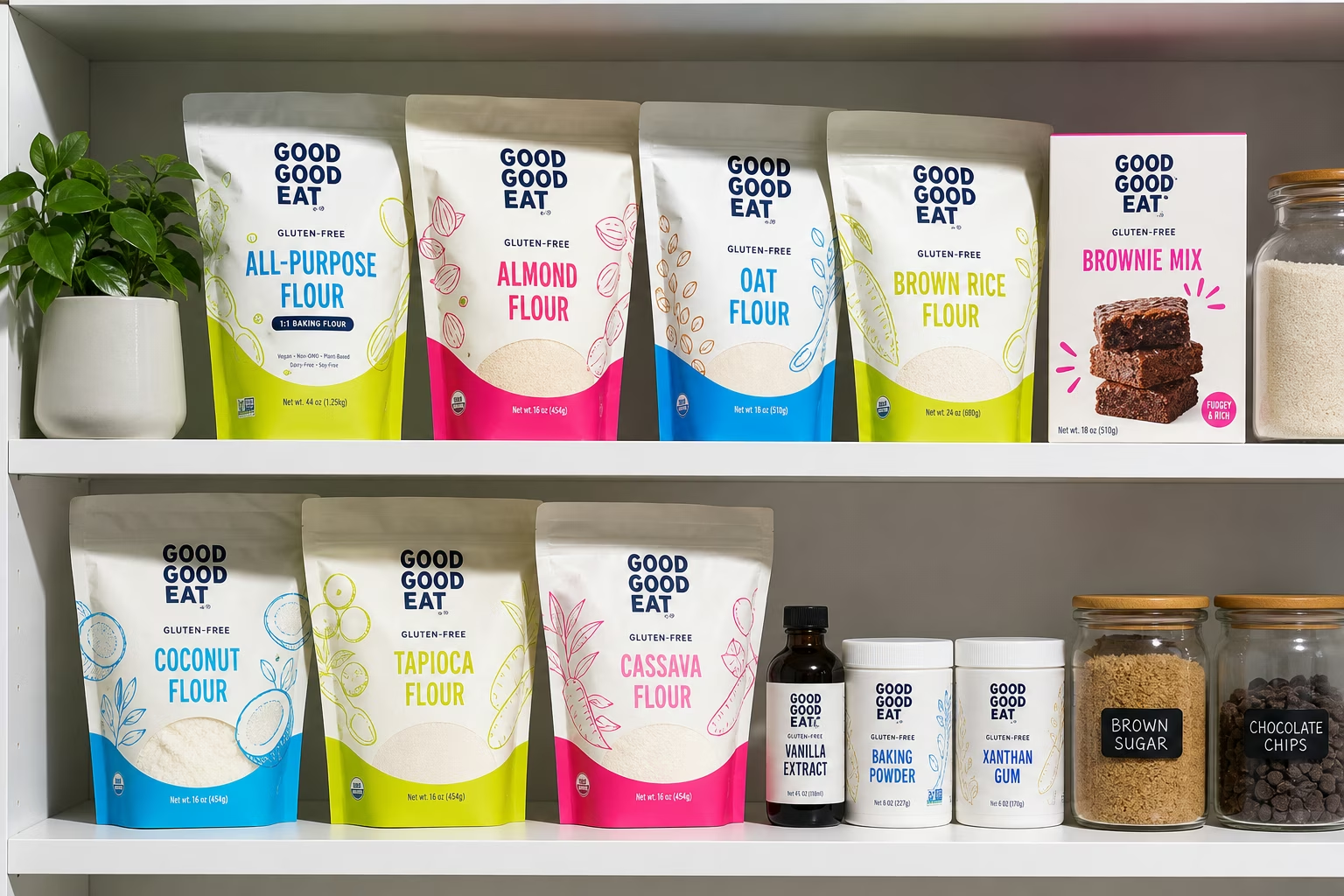
Keeping a box of mix in the pantry means you are always ready for a last minute treat. Whether a neighbor drops by or a school bake sale sneaks up on you, pulling that box off the shelf guarantees a reliable result in under an hour. Many bakers also find that using a mix reduces the number of specialty ingredients they need to keep on hand, which is perfect if your kitchen storage is limited or if you only bake occasionally. For a comprehensive look at stocking your kitchen without gluten, you might find The Ultimate Gluten-Free Guide: Foods, Substitutes & Living Well Without Gluten incredibly helpful.
Consistency in Baking Results
Gluten free baking can be tricky because even a small variation in flour blends can change texture dramatically. A well formulated mix, however, has been tested to deliver the same chewy, crackly top brownie every time you bake it. You do not have to guess whether your cookies will spread too thin or your cake will turn out gummy; the mix already contains the perfect balance of rice flour, tapioca starch, and xanthan gum, if needed.
“A good gluten free brownie mix should bake up just as fudgy as its wheat based counterpart, which means it needs the right ratio of starch to gum to trap air and moisture.”
Nicole Hunn, author, Gluten Free on a Shoestring
That consistency is a huge confidence booster, especially if you have had bad experiences with homemade gluten free treats that crumbled or tasted like sand. By starting with a trusted mix, you can learn what good gluten free batter should look like, then eventually experiment with your own flour blends.
Cost-Effectiveness vs. From-Scratch
It might surprise you that a boxed mix can sometimes be more budget friendly than collecting an entire shelf of gluten free flours. Specialty flour blends, almond flour, coconut flour, and various starches can add up quickly, particularly if you bake infrequently. A single box of gluten free brownie mix, often priced similarly to one bag of high quality gluten free all purpose flour, gives you a one and done path to dessert. Over time, you might still want to invest in bulk flours for from scratch baking, but for spur of the moment cravings, a mix often costs less than the sum of its individual components.
How to Bake Perfect Brownies from a Mix
Selecting the Right Gluten Free Brownie Mix
Not all gluten free brownie mixes are created equal, so reading the label is your first step. Look for a mix that uses a flour blend you recognize, such as rice, sorghum, or oat flour, and check whether it already contains a binder like xanthan gum. If it does not, you may need to add one or whisk in an extra egg to get that desirable chewy texture. Also take note of any dairy or soy ingredients if you are avoiding those, and always verify that the product is certified gluten free to avoid cross contamination risks.
Some brands even offer varieties like dark chocolate, chocolate chip, or fudge that can save you from adding extra chocolate chips yourself. If you find a mix you love, stick with it and stock up during sales; having a familiar product means you can tweak add ins to your heart’s content without worrying about the base failing.
“Always verify the manufacturing process to avoid cross contamination, even with a well known brand. A certified gluten free seal is the gold standard for safety.”
Tricia Thompson, MS, RD, founder, Gluten Free Watchdog
Key Ingredients to Add for Moisture and Flavor
The box directions usually call for oil, water, and eggs, but you can easily customize the mix to create an even richer result. Swapping water for brewed coffee, for example, deepens the chocolate notes without making the brownies taste like coffee. Replacing part of the oil with melted butter or coconut oil adds a buttery undertone and a slightly denser crumb. For extra moisture and a shiny top, many bakers whisk in an extra egg yolk or a tablespoon of mayonnaise, which sounds odd but contributes incredible tenderness.
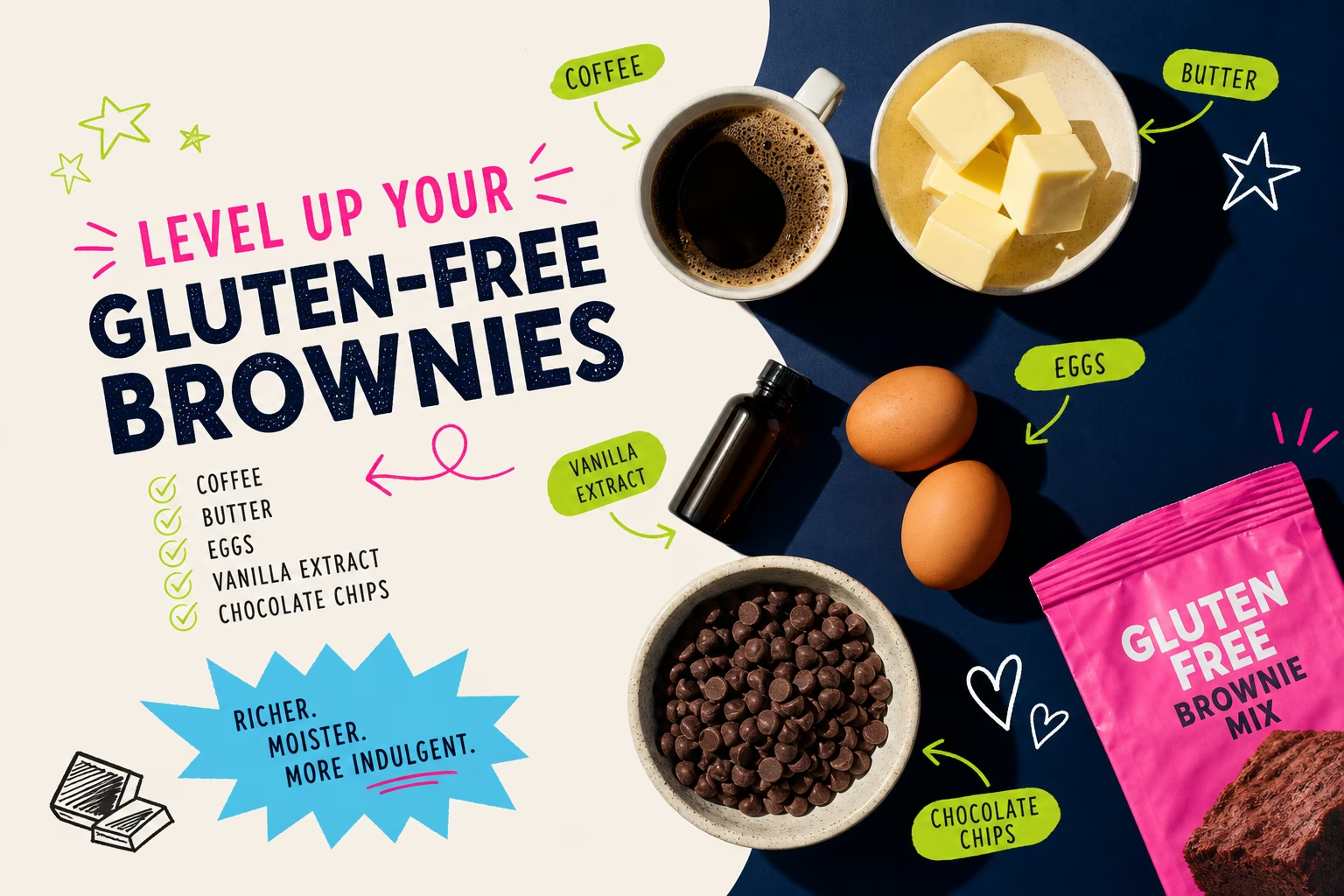
You can also stir in a teaspoon of vanilla extract, a pinch of espresso powder, or even a tablespoon of molasses for a darker, more complex flavor. The goal is to boost the taste while keeping the batter the right consistency, so always mix gently to avoid overworking the gluten free dough, which can become tough and rubbery.
Baking Times and Pan Preparation
Baking gluten free brownies usually takes between 25 and 35 minutes in a 350°F oven, but the type of pan you use makes a big difference. A light colored metal pan distributes heat more evenly and prevents overly dark bottoms, while a glass pan may require you to lower the oven temperature by 25°F to avoid burning. Regardless of the pan, line it with parchment paper so the brownies lift out cleanly; this also makes slicing much neater.
Begin checking for doneness about five minutes before the recommended time. The edges should look set and start pulling away from the pan, while the center should still be slightly soft and underdone if you prefer fudgy brownies. A toothpick inserted into the center should come out with a few moist crumbs, not wet batter, for the ideal texture.
Transforming Brownie Mix into Cakes and Bars
How to Make Gluten Free Chocolate Cake from Brownie Mix
Believe it or not, a box of brownie mix can double as the base for a rich, tender gluten free chocolate cake mix in a pinch. To convert it, you need to lighten the batter: use one extra egg, replace the oil with the same amount of melted butter, and add a quarter cup of milk or buttermilk per box of mix. The additional egg and milk introduce more structure and aeration, giving you a cake crumb rather than a brownie chew. You can also sift in a tablespoon of gluten free all purpose flour to adjust the starch balance if your mix is particularly dense.
Pour the batter into a greased and parchment lined 8 or 9 inch round pan and bake at 350°F for about 30 to 35 minutes. Let it cool completely before frosting, and you have a shortcut birthday cake that no one will guess came from a mix. This trick works beautifully for layered cakes, too, simply divide the batter between two pans and reduce the baking time accordingly.
Crafting Gluten Free Pumpkin Bars Using a Brownie Mix
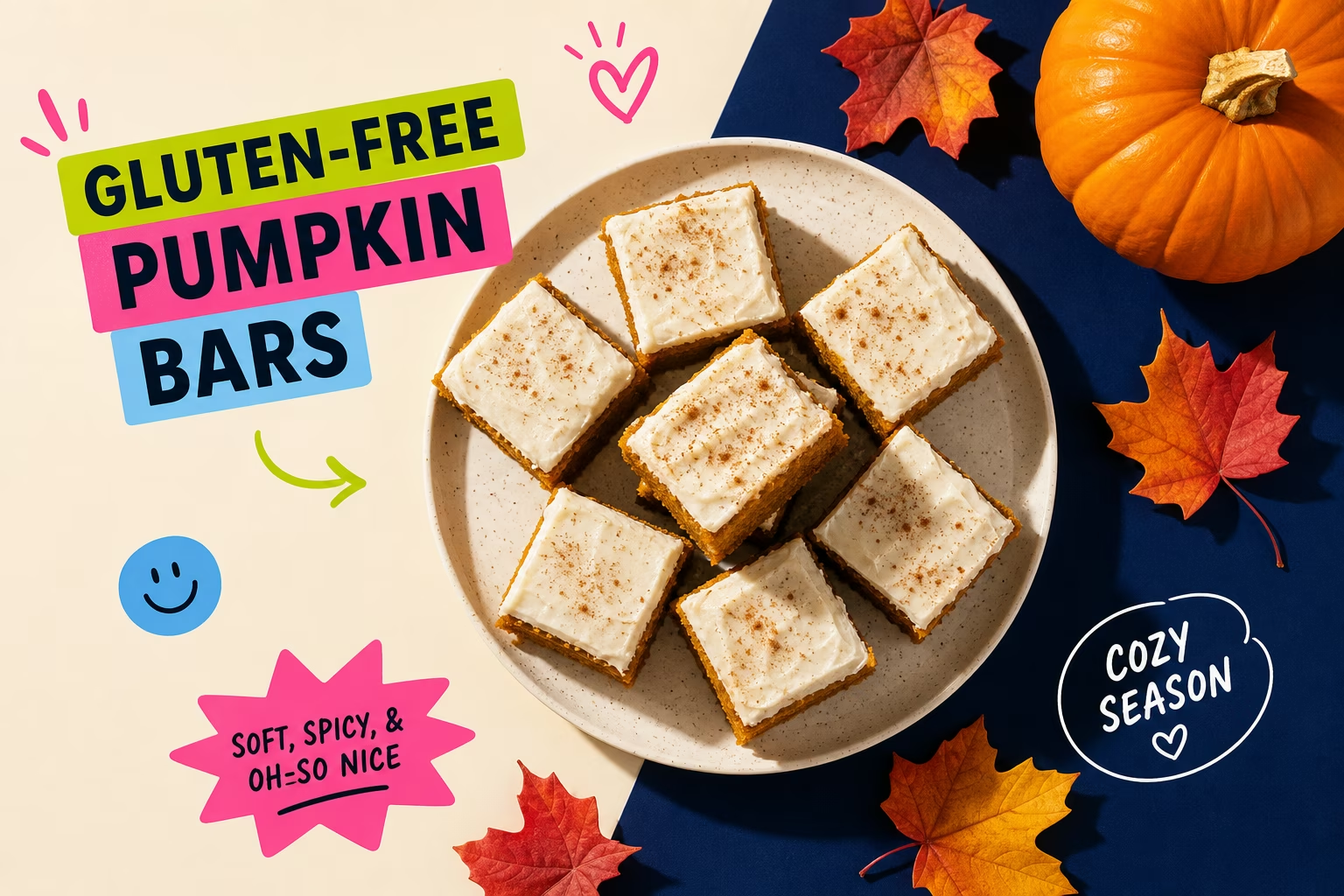
When fall arrives and you are craving pumpkin spice everything, your brownie mix can become the foundation for incredibly moist gluten free pumpkin bars. Start by replacing the water and oil with a full cup of canned pumpkin purée and reducing the egg to just one. The pumpkin adds fiber, moisture, and a subtle sweetness that pairs wonderfully with the chocolate, or you can use a blondie style brownie mix for a more neutral canvas.
Stir in a teaspoon of pumpkin pie spice, some chopped pecans, and a handful of dark chocolate chips for a truly autumnal treat. Pour the orange flecked batter into an 8×8 inch pan and bake at 350°F for about 28 to 32 minutes. Once they cool, you can top them with a simple cream cheese frosting for the full bakery style experience right at home.
Creating Gluten Free Apple Cake with a Mix Base
A box of brownie mix might not scream autumnal apple dessert, but with a few tweaks you can bake a stellar gluten free apple cake that’s tender, cinnamon scented, and bursting with fruit. Use the same lightening technique as the chocolate cake, adding an extra egg and a splash of milk, then fold in one and a half cups of diced peeled apples tossed in a little gluten free flour to prevent sinking. A teaspoon of cinnamon and a squeeze of lemon brighten everything up.
“Gluten free baking is simpler when you start with a reliable mix; it takes the guesswork out of flour blending so you can focus on the flavor add ins.”
Carol Fenster, PhD, author, Gluten Free Cooking for Dummies
Bake this fruit filled batter in a greased 9 inch springform pan for about 35 to 40 minutes. Serve it warm with a scoop of vanilla ice cream or a drizzle of caramel sauce, and you will have a dessert that tastes like it took hours of peeling and stirring, when really the mix did most of the heavy lifting.
Making Gluten Free Monkey Bread from Scratch
While gluten free monkey bread is traditionally a yeasted pull apart bread, you can create a quick sweet version using a brownie mix as the dough base. By combining the dry mix with yogurt, egg, and a little extra gluten free flour until you have a soft, pliable dough, you can roll it into small balls. Dip each ball in melted butter, coat in cinnamon sugar, and pile them into a greased bundt pan. Bake at 350°F for about 30 minutes, then invert onto a plate and watch the caramelized pieces tumble apart.
This hack works especially well with a chocolate brownie mix because the cocoa adds richness, but a vanilla flavored mix or a gluten free yellow cake mix also yields a gorgeous, golden monkey bread. Serve it fresh and warm for a brunch table centerpiece that is both fun to eat and safely gluten free.
Beyond Brownies: More Gluten Free Dessert Ideas
Gluten Free Yellow Cake Mix Transformations
A gluten free yellow cake mix is another pantry powerhouse that you can adapt into countless desserts. Its buttery, vanilla forward flavor makes it perfect for coffee cakes, snack bars, and even crumble toppings. To make a quick coffee cake, simply prepare the mix as directed, pour half the batter into a pan, swirl through a cinnamon sugar and nut filling, top with the remaining batter, and bake. The result is a tender, sliceable treat that feels straight from a bakery case.
You can also use a yellow cake mix to create thick, chewy blondie bars. Melt an extra quarter cup of butter, add one less egg than the box says, and stir in white chocolate chips or dried fruit. Press the batter into a 9×13 pan and bake until the edges are golden and the center is just set. These bars pack beautifully into lunchboxes or care packages. For more guidance on navigating all the gluten free products available, The Ultimate Gluten-Free Guide can walk you through picking the safest, tastiest options.
Gluten Free Pumpkin Bread from a Mix
That same can of pumpkin purée in your pantry can turn a brownie or cake mix into a moist, sliceable gluten free pumpkin bread. Replace the liquid, oil, and half the eggs with one cup of pumpkin purée when using a brownie mix, or follow the same ratio with a yellow or spice cake mix to keep the loaf lighter. Add a dollop of molasses and a generous amount of pumpkin pie spice for that classic autumnal aroma.
Pour the batter into a greased loaf pan and bake at 325°F for about 50 to 60 minutes, covering the top loosely with foil if it browns too quickly. The low, slow heat ensures the dense loaf cooks through without drying out, leaving you with a breakfast bread that tastes amazing spread with cream cheese or nut butter.
Gluten Free King Cake for Mardi Gras
A gluten free king cake might seem like an elaborate project, but you can build one with the help of a brownie or cake mix and a simple yeast free dough method. Using a gluten free yellow cake mix as the base, combine the dry mix with softened butter, eggs, and a little sour cream or yogurt to form a soft dough. Divide it into ropes, weave them together into a ring, and hide a small, oven safe trinket or a whole almond inside the dough before baking.
After baking at 350°F for about 25 minutes, let it cool and then drench the ring in purple, green, and gold colored sugar or a simple glaze tinted with natural food coloring. This festive cake is perfect for Mardi Gras parties and proves that being gluten free does not mean missing out on holiday traditions.
Gluten Free Banana Pudding with Cake Mix Crumbles
Classic Southern banana pudding gets a gluten free twist when you use leftover brownies or cake crumbs as the cookie layers. Bake a box of gluten free brownie mix in a thin sheet pan, then crumble the baked brownies into small chunks. Layer these fudgy crumbles with vanilla pudding, sliced ripe bananas, and whipped cream in a trifle dish or individual glasses. The brownie pieces soften as they sit, creating a decadent, spoonable dessert.
If you prefer a lighter flavor, use a prepared gluten free yellow cake mix instead of the brownie mix to make a vanilla scented crumble. Both versions bring a nostalgic, comfort food quality to the table, and the no bake assembly makes this an excellent make ahead dessert for potlucks.
“Using a gluten free brownie mix as a crumble base is one of my favorite shortcuts; it mimics the texture of wafers and adds a deep chocolate note that makes the whole dessert feel indulgent.”
Arlene Cummings, creator, Eating with Food Allergies
From-Scratch Gluten Free Baking Essentials
Building Your Gluten Free Flour Blend
Once you are comfortable with mixes, you may want to venture into from scratch baking. A solid gluten free all purpose flour blend is your foundation. Most successful blends combine a whole grain flour like brown rice or sorghum, a starch such as tapioca or potato starch, and a small amount of a binder like xanthan gum or psyllium husk. The goal is to mimic the stretch and structure that gluten provides, so getting the ratio right is crucial.
You can mix up a large batch once and keep it in an airtight container for months, which makes spontaneous baking just as easy as using a boxed mix. When you control the flour blend, you can also tailor it to your taste, using nuttier teff or lighter white rice flour depending on your dessert. Start with a simple blend of 40 percent whole grain, 60 percent starch, plus one teaspoon of xanthan gum per cup of flour for a versatile all purpose option.
The Role of Binders and Leavening
Without gluten, doughs and batters rely on binders like xanthan gum, guar gum, or ground chia seeds to hold together and trap the air bubbles created by baking powder or soda. For cookies and brownies, you might need only a tiny amount, while breads require more to achieve a chewy crumb. Understanding how these binders work helps you troubleshoot: if your baked goods are crumbly, you probably need more binder; if they are gummy, you used too much.
Similarly, gluten free batters often need a little extra leavening because the flours are heavier. Adding an extra quarter teaspoon of baking powder or a splash of club soda can make your cakes rise higher and develop a tender crumb. Always sift your leaveners with the flour to avoid bitter pockets in the final product.
“When you bake gluten free, think of your recipe as a formula: the flour blend, liquid, fat, and binder all have to be in perfect sync or you will end up with a crumbly mess or a gummy brick.”
Jennifer Bigler, author, The Complete Guide to Gluten Free Baking
Troubleshooting Common Gluten Free Baking Issues
Even experienced bakers run into problems: sunken cakes, gritty texture, or dry, crumbly bars. Most of these issues can be solved with small adjustments. If your cake collapses in the center, your oven temperature might be too low or you may have opened the door too early, causing the fragile structure to fall before it set. Gritty texture usually signals that you did not let the batter rest long enough before baking; resting for 20 to 30 minutes allows the coarse flours to hydrate fully.
Dry, crumbly results often stem from too much starch or not enough fat, so next time try adding an extra egg yolk or a tablespoon of oil. Learning to read your batter is a skill that develops over time, and every mishap is just a chance to refine your technique. With practice, you will be able to look at a bowl of brownie batter and know exactly whether it needs a splash of milk or a pinch more flour.
What are the best gluten free brownie mixes available?
Some popular brands include Bob’s Red Mill, King Arthur, and Pamela’s Products. Each offers a unique flavor profile and texture, so try a few to find your favorite.
Can I substitute ingredients in a gluten free brownie mix?
Yes, you can substitute water with coffee or milk and use butter instead of oil for richer brownies. Just be sure to maintain the liquid ratios.
How do I store leftover gluten free brownies?
Store them in an airtight container at room temperature for up to 3 days or freeze them for up to 3 months.
What is the secret to moist gluten free baking?
Adding extra fats like butter or coconut oil and ingredients like yogurt or sour cream can enhance moisture and texture in gluten free baked goods.
Can I make gluten free desserts without a mix?
Absolutely! With a good gluten free flour blend and a little practice, you can bake from scratch with great results.