Gluten Free Egg Noodles: Everything You Need to Know
Pasta night might feel different when you’re avoiding gluten, but it doesn’t have to mean missing out. Whether you’re craving a bowl of silky egg noodles, a rich lasagna, or a quick ramen fix, there’s a gluten-free version waiting for you. The key is knowing what to look for, what to avoid, and a few kitchen tricks that make all the difference. This guide walks you through every bend and twirl of the gluten-free pasta aisle, starting with the one noodle everyone asks about first.
Navigating the world of gluten-free pasta comes with its own set of questions, like “are egg noodles gluten free naturally?” and “is gnocchi gluten free?” You’ll find answers to all of that here, plus simple recipes, shopping tips, and the real scoop on soba, ramen, orzo, and more. Let’s untangle the confusion and get your pot boiling.
What Makes Egg Noodles Typically Gluten-Full?
Egg noodles hold a special place in comfort food, often starring in chicken soup or a buttery side dish. But if you’re avoiding gluten, the standard variety is off the table. Understanding why helps you spot safe alternatives faster.
Understanding Gluten in Traditional Egg Noodles
Traditional egg noodles are made from wheat flour, eggs, and water. The wheat flour provides gluten, the protein that gives dough its stretch and toothsome chew. Even though eggs add richness and color, they don’t cancel out the gluten. According to a 2023 report from Beyond Celiac, wheat flour is the top ingredient in most commercial egg noodle products. That means your average bag of egg noodles contains enough gluten to trigger reactions in anyone with celiac disease or non-celiac gluten sensitivity.
So, “are egg noodles gluten free?” Almost never, unless they’re specifically labeled as gluten-free. The egg content doesn’t make them safe. The base flour does.
“Many people assume egg noodles are safe because they think ‘egg’ means no wheat, but that’s a dangerous myth. Wheat flour is almost always the main ingredient, so you must read every label.”
Alice Bast, CEO, Beyond Celiac
Are There Naturally Gluten-Free Egg Noodles?
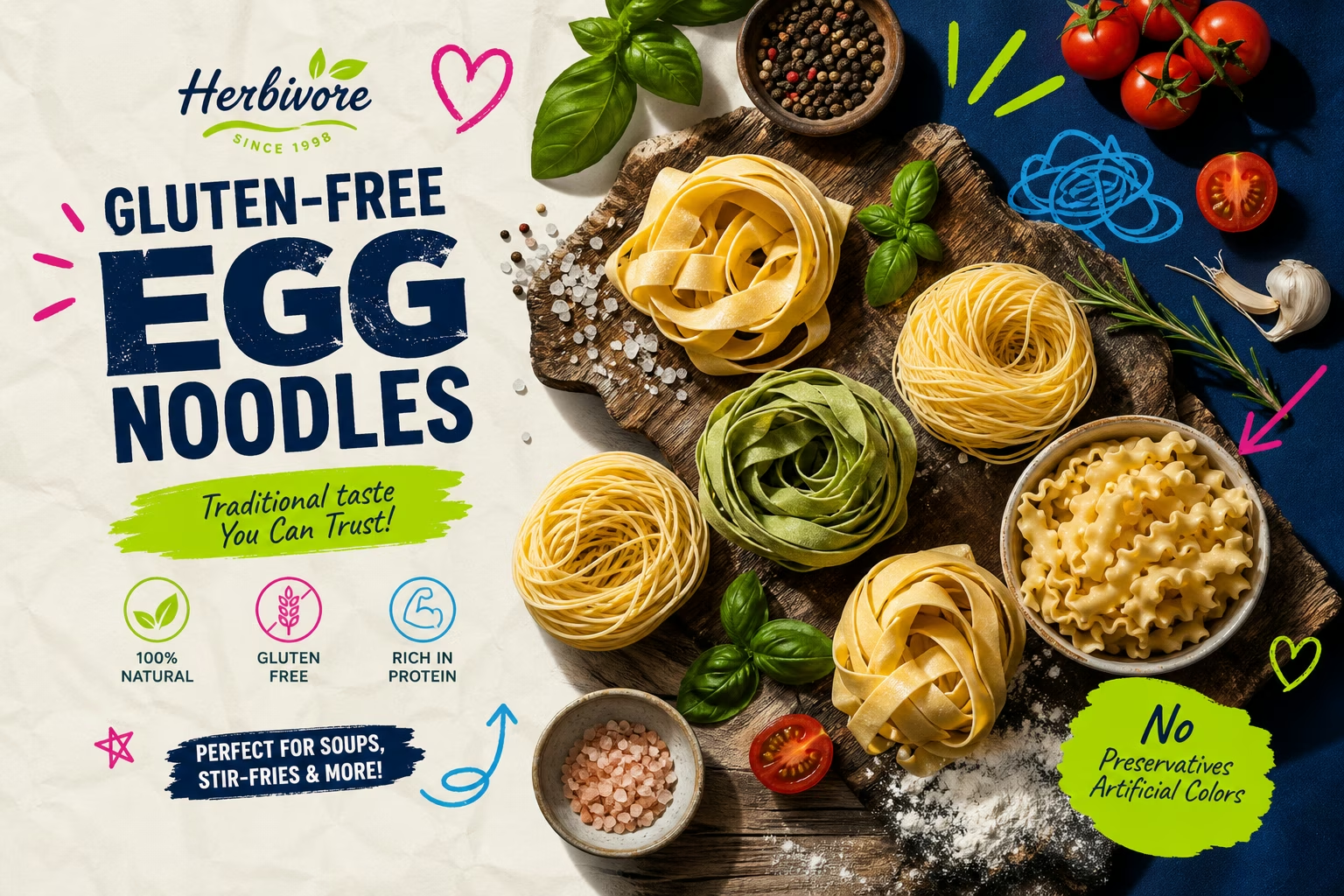
There is no such thing as a wheat-free egg noodle made from conventional wheat flour. However, several brands now produce gluten free egg noodles using a blend of rice flour, tapioca starch, and sometimes potato starch. These replicate the texture surprisingly well. Some artisanal versions incorporate almond flour or chickpea flour for a higher protein bite. The short answer: naturally gluten-free egg noodles don’t exist in the wild, but manufactured gluten-free options are plentiful if you know where to look.
How to Find or Make Gluten Free Egg Noodles
Whether you’d rather grab a box off the shelf or knead the dough yourself, you have solid paths to gluten free egg noodles. Here’s your step-by-step approach to both.
Buying Certified Gluten Free Egg Noodles
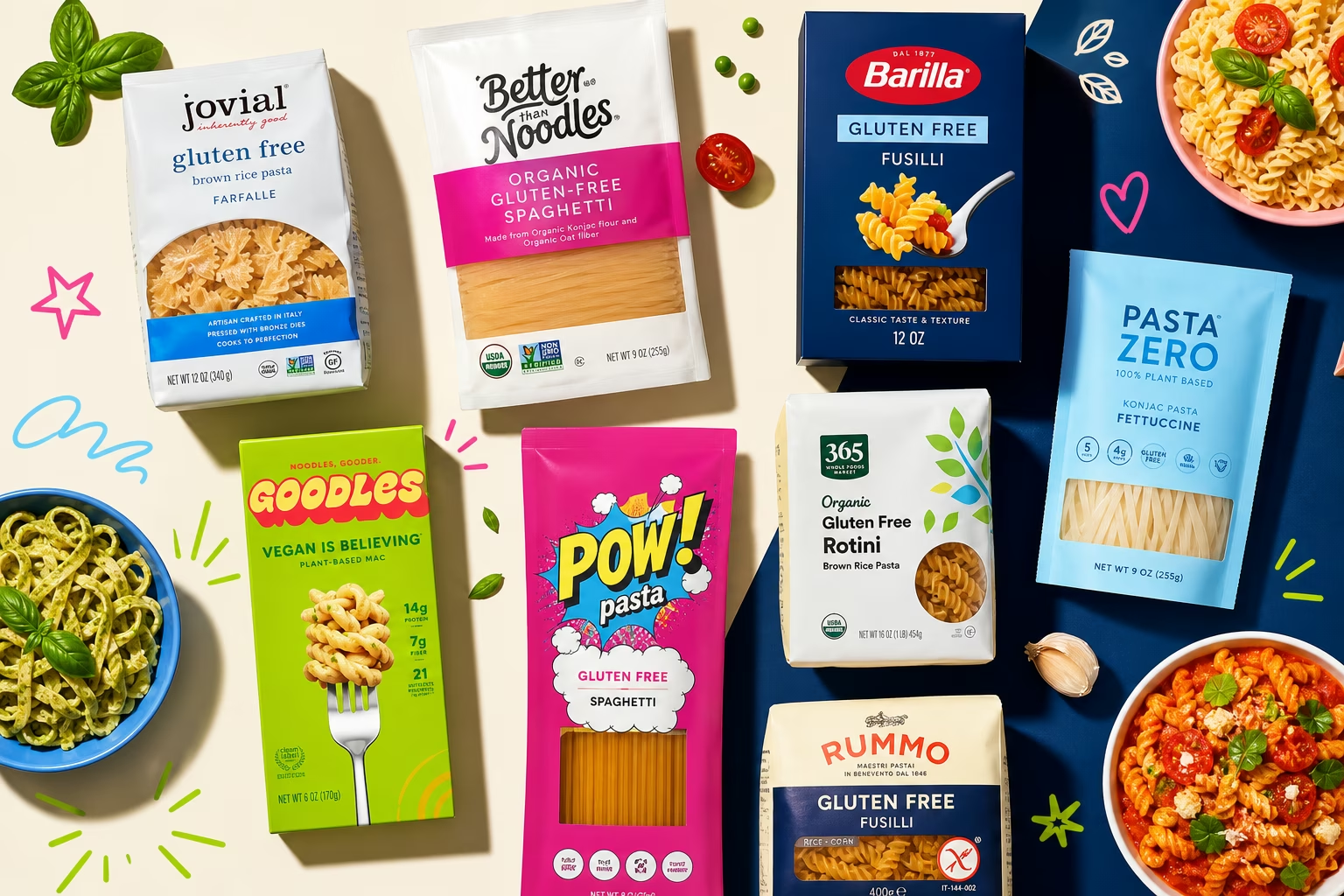
Your safest bet is to choose products bearing a certified gluten-free seal, which means they’ve been tested to contain fewer than 10 parts per million of gluten. Brands like Jovial, Manischewitz (their gluten-free line), and Banza offer egg noodle alternatives that cook up tender and hold up well in soups. When scanning labels, avoid any mention of “wheat flour,” “semolina,” “durum,” or “barley malt.”
Many health food stores and larger supermarkets now dedicate shelf space to gluten-free pastas. Even conventional chains like Target and Walmart stock gluten free egg noodles in their natural food sections. Prices can be higher than traditional pasta, but the peace of mind is worth it.
Recipe: Making Gluten Free Egg Noodles from Scratch
Homemade gluten free egg noodles give you total control over ingredients and yield a freshness that’s hard to beat. This recipe delivers dough that rolls easily and tastes remarkably close to the classic version.
“The secret to homemade gluten-free egg noodles is letting the dough rest. It hydrates the flours fully and prevents gritty texture. Don’t skip that step.”
Chef Jennafer Ashley, Gluten-Free Recipe Developer, The Paleo Paparazzi
Ingredients You’ll Need
- 2 cups gluten-free all-purpose flour blend (with xanthan gum)
- 1/2 tsp salt
- 3 large eggs
- 2 tsp olive oil
- Water as needed (about 1-2 tbsp)
Step-by-Step Instructions
- Mix dry ingredients. Whisk flour and salt together in a large bowl.
- Add eggs and oil. Make a well in the center. Crack in the eggs, add olive oil, and slowly incorporate the flour with a fork.
- Knead until smooth. Once a shaggy dough forms, turn it onto a lightly floured surface (use more gluten-free flour). Knead for 3-4 minutes, adding water a teaspoon at a time if too dry.
- Rest the dough. Cover the dough ball with plastic wrap and let it rest for 30 minutes. This allows the flours to absorb moisture.
- Roll it out. Divide dough into two halves. Roll each piece to about 1/8-inch thickness, using a rolling pin or pasta maker. Keep your surface and pin dusted with gluten-free flour.
- Cut noodles. For classic egg noodle strands, roll the dough loosely into a log and slice crosswise into 1/4-inch ribbons. Unfurl the strands and toss with a little flour to prevent sticking.
- Cook. Drop into salted boiling water and cook for 2-3 minutes, until al dente. Fresh gluten free egg noodles cook faster than dried. Drain and serve immediately.
Tips for Perfect Texture
Achieving a tender bite comes down to flour blend choice. Look for a blend that includes superfine rice flour and a starch like tapioca. Resting the dough is non-negotiable; it softens the texture dramatically. And when boiling, undercook slightly because carryover heat will finish the job on the plate.
Beyond Egg Noodles: A Tour of Gluten-Free Pasta Options
Egg noodles are just the beginning. The gluten-free pasta landscape bursts with variety, from toothsome ramen to delicate angel hair. Here’s how to satisfy every pasta craving without gluten.
Gluten Free Ramen Noodles: What to Look For
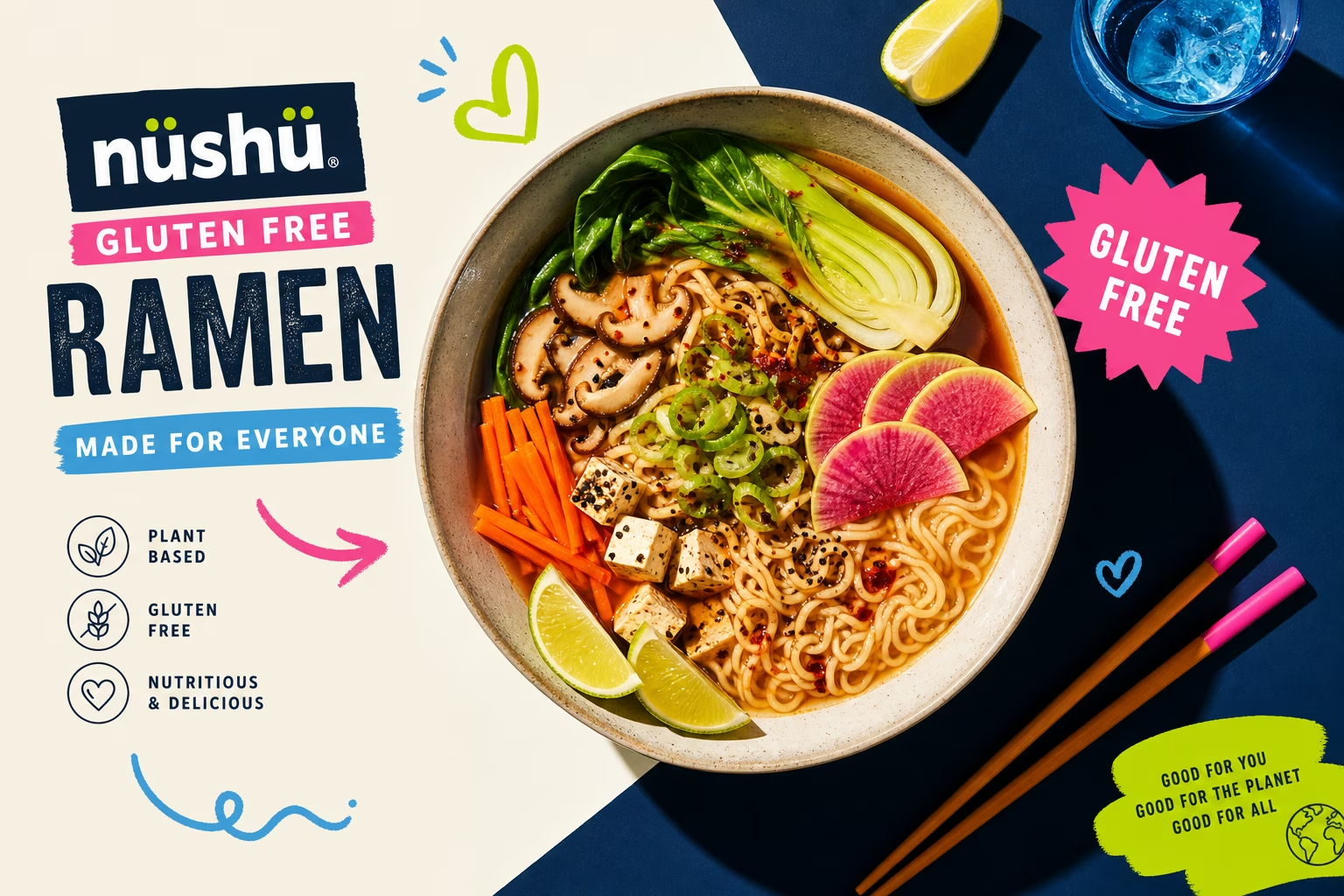
Ramen lovers, rejoice. Several brands now produce gluten free ramen noodles made from rice flour or millet that deliver that springy chew. Lotus Foods offers a line of rice ramen that cooks in minutes. Look for packages clearly stating “gluten-free” because traditional ramen uses wheat flour. Avoid instant ramen packets unless they carry a certified gluten-free logo. “Is ramen gluten free?” Rarely in the conventional form, but the specialty market has stepped up.
Gluten Free Orzo Pasta: Tiny Pasta, Big Flavor
Orzo’s small, rice-like shape makes it brilliant in soups, salads, and pilafs. Standard orzo is wheat-based, so gluten free orzo is a must. Brands like DeLallo and Garofalo produce gluten free orzo pasta using a blend of corn and rice flour. It cooks in about 7-9 minutes and holds its shape well. Use it exactly as you would regular orzo in Mediterranean recipes or chicken lemon soup.
“Gluten-free orzo is one of the most versatile pantry items. I toss it with olive oil, lemon, and fresh herbs for an easy side that pleases everyone.”
Kate Scarlata, MPH, RDN, Gut-Health Dietitian
Gluten Free Soba Noodles: Buckwheat’s Role
Soba noodles come with a catch. Traditional Japanese soba is made from buckwheat, which is naturally gluten-free. However, many commercial soba noodles blend buckwheat with wheat flour, making them unsafe. True gluten free soba noodles are 100% buckwheat and will clearly state that on the package. Eden Foods and King Soba offer pure buckwheat varieties. They have a nutty flavor and are excellent served cold with dipping sauce or in hot broths. Always double-check the label.
Is Gnocchi Gluten Free? Usually Not, But Here’s How to Enjoy It
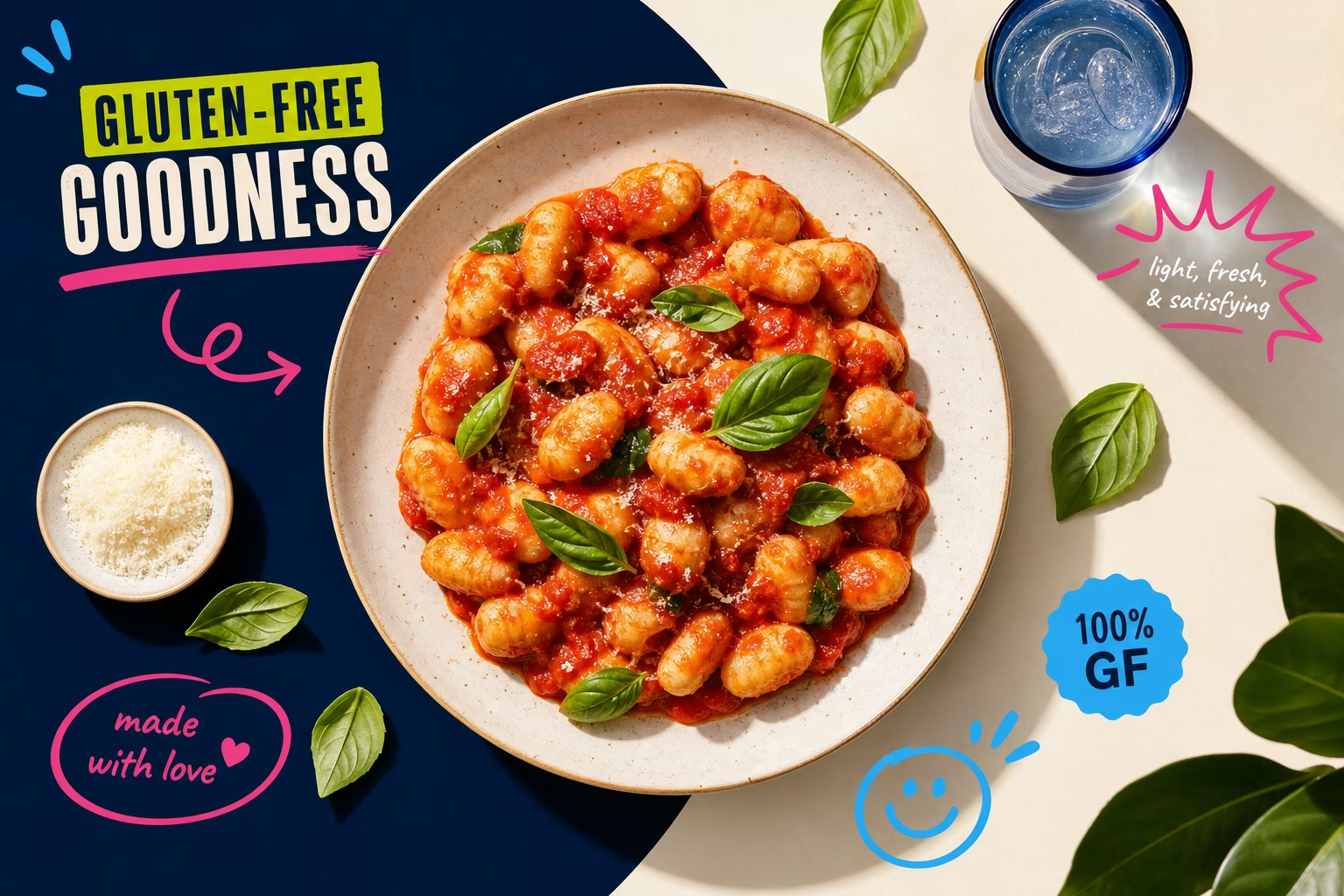
Gnocchi, those pillowy potato dumplings, typically rely on wheat flour as a binder. So, “is gnocchi gluten free?” The standard answer is no. But you can find gluten free gnocchi in many stores today, made with rice flour, potato starch, or even cassava flour. Cauliflower-based gnocchi by brands like Trader Joe’s is also gluten-free and surprisingly tender. Alternatively, make your own gnocchi gluten free by mixing cooked riced potato with a gluten-free flour blend, egg, and salt. The key is to knead gently and not overwork the dough, or it turns gummy.
Gluten Free Spaghetti, Angel Hair, and Lasagna: The Classics Reimagined
Long strands and hearty bakes are no longer off-limits. Gluten free spaghetti and gluten free angel hair pasta are widely available in brown rice, corn, or legume blends. Brands like Barilla and Ronzoni make versions that fool picky eaters. Gluten free lasagna pasta comes in oven-ready or traditional boil sheets. When building a lasagna, slightly undercook the sheets if boiling first, since they’ll absorb liquid from the sauce during baking. Legume-based pastas add extra protein but have a firmer bite, so adjust cooking times accordingly.
Gluten Free Brown Rice Pasta: A Nutritious Staple
For an everyday cupboard staple, gluten free brown rice pasta is hard to beat. Made from whole grain brown rice, it offers more fiber and a mild, nutty taste. Tinkyada and Jovial are beloved brands that consistently produce pasta that doesn’t turn mushy. Brown rice pasta works in everything from mac and cheese to cold salads. Rinse it briefly after draining to remove excess starch if you prefer a cleaner mouthfeel.
Are Udon Noodles Gluten Free? No, but There Are Alternatives
Traditional udon noodles are thick, chewy wheat flour noodles, so they are decidedly not gluten-free. If you’re craving that thick, slurpy texture, look for rice-based udon alternatives in the Asian food aisle. Some brands produce gluten-free udon made from tapioca and rice flour that mimic the chew nicely. As always, the packaging must explicitly say “gluten-free.”
Remember, transitioning to a gluten-free lifestyle involves more than just pasta. For a deeper dive into all things gluten-free, including hidden sources, substitutions, and dining-out tips, explore The Ultimate Gluten-Free Guide: Foods, Substitutes & Living Well Without Gluten here on Gluten Free Vibes. It covers everything from flour blends to healthy snacking.
“People are often amazed at the variety of gluten-free pasta today. With a little label reading and brand exploration, you truly don’t have to give up your favorite dishes.”
Cynthia Kupper, RD, Former Executive Director, Gluten Intolerance Group
As you stock your pantry, remember that cross-contamination is a real concern. If you share a kitchen with gluten eaters, use separate cooking pots and utensils for your gluten free egg noodles and other pastas. With a bit of knowledge and the right products, pasta night returns in full glory, completely gluten-free.
Are all egg noodles gluten-free?
No, most egg noodles contain wheat flour, which has gluten. Only specifically labeled gluten-free egg noodles are safe for gluten-free diets.
What is the best gluten-free pasta for lasagna?
Gluten-free lasagna sheets made from rice or corn are ideal. Brands like Barilla offer oven-ready options that perform well.
Can I make gluten-free pasta at home?
Yes, making gluten-free pasta at home is possible using gluten-free flour blends. The key is to let the dough rest to achieve the right texture.
Is gluten-free pasta healthier than regular pasta?
Gluten-free pasta is not necessarily healthier; it depends on the ingredients used. Some gluten-free pastas offer more fiber and nutrients.
How do I store gluten-free pasta?
Store dry gluten-free pasta in a cool, dry place. Once opened, keep it sealed tightly. Cooked pasta should be refrigerated and used within a few days.