What Is Gluten Free Bread Flour and How Do You Use It?
Walking into the baking aisle and seeing the words “gluten free bread flour” on a bag can feel like a small victory. It promises sandwiches, toast, and that chewy crust you thought you had to give up. But not all gluten free bread flours are created equal, and using them correctly takes a little know-how. In this guide, I’ll walk you through why this flour matters, which ones truly deliver, and exactly how to bake with them for loaves that actually taste like bread.
Before you grab a random bag off the shelf, it helps to understand the science. Gluten free bread flour isn’t just one grain ground finely; it’s a careful combination of starches, proteins, and sometimes fibers. The goal is to replicate the stretch, rise, and airy texture that gluten gives traditional wheat bread. According to a 2024 Grand View Research report, the global gluten-free flour market continues to expand as more home bakers seek out reliable, high-performing blends.
“The challenge with gluten-free baking is replicating the texture and structure that gluten provides. A well-designed bread flour blend uses protein-rich flours and binding agents to mimic that essential network.”
Dr. Alessio Fasano, Director of the Center for Celiac Research, Massachusetts General Hospital
Why Is Gluten Free Bread Flour Essential for Baking?
You might wonder if you can simply swap any gluten-free all-purpose blend into a bread recipe. The answer, most of the time, is no. Bread flour is formulated specifically for yeast-raised doughs. It typically has a higher protein content from ingredients like sorghum, millet, or modified tapioca starch, which helps create a strong crumb and a good rise. That is why investing in a dedicated gluten free bread flour, or a trusted 1:1 blend that works for yeast recipes, makes a dramatic difference.
The Role of Protein and Structure
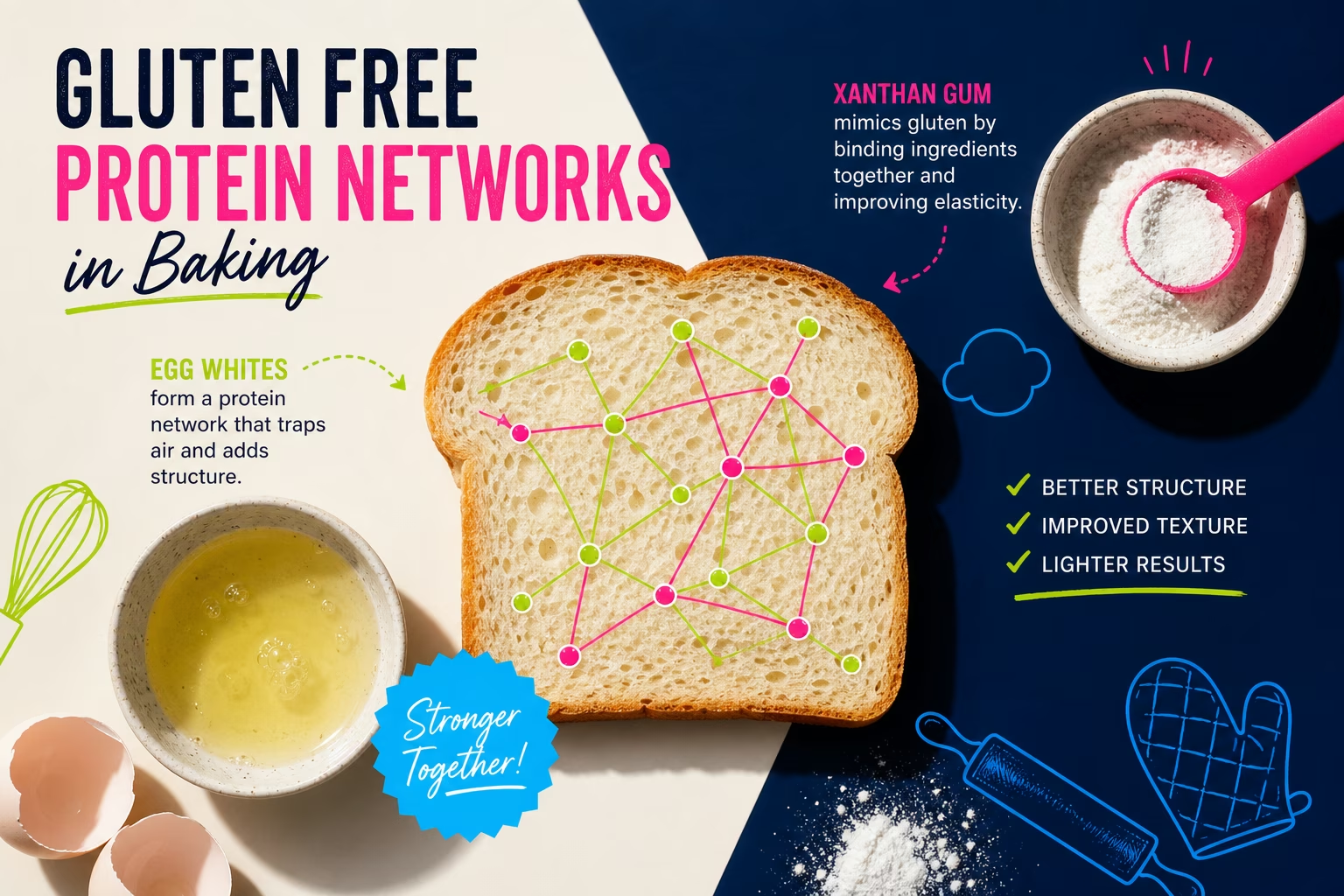
When you bake a standard loaf, gluten proteins form a stretchy web that traps gases from the yeast. In gluten free baking, you rely on other proteins (like those in egg whites or legume flours) and binders (like xanthan gum or psyllium husk) to do the heavy lifting. A gluten free bread flour often includes these binders already, saving you from adding them separately. Without enough structural support, your loaf will collapse, turn gummy, or crumble into a pile of sadness.
Understanding Flour Blends vs. Single-Grain Flours
It is tempting to try baking with a single flour you know is safe, like rice flour. While many single-grain flours are naturally gluten free, they do not behave like wheat flour in yeast breads. Single flours lack the blend of starches and proteins needed for texture. That is why commercial bread flours are mixes. They balance lightness with chewiness. If you want to go the DIY route, you must combine whole grains, starches, and a binder, but starting with a proven blend is much simpler.
What Are the Top Gluten Free Bread Flour Options?
Over the years, I have tested more bags of flour than I can count. Some led to dense bricks; others gave me a loaf so airy I almost wept. Here are the ones that consistently work, including the specific types you have been asking about.
Bob’s Red Mill Gluten Free 1 to 1 Baking Flour
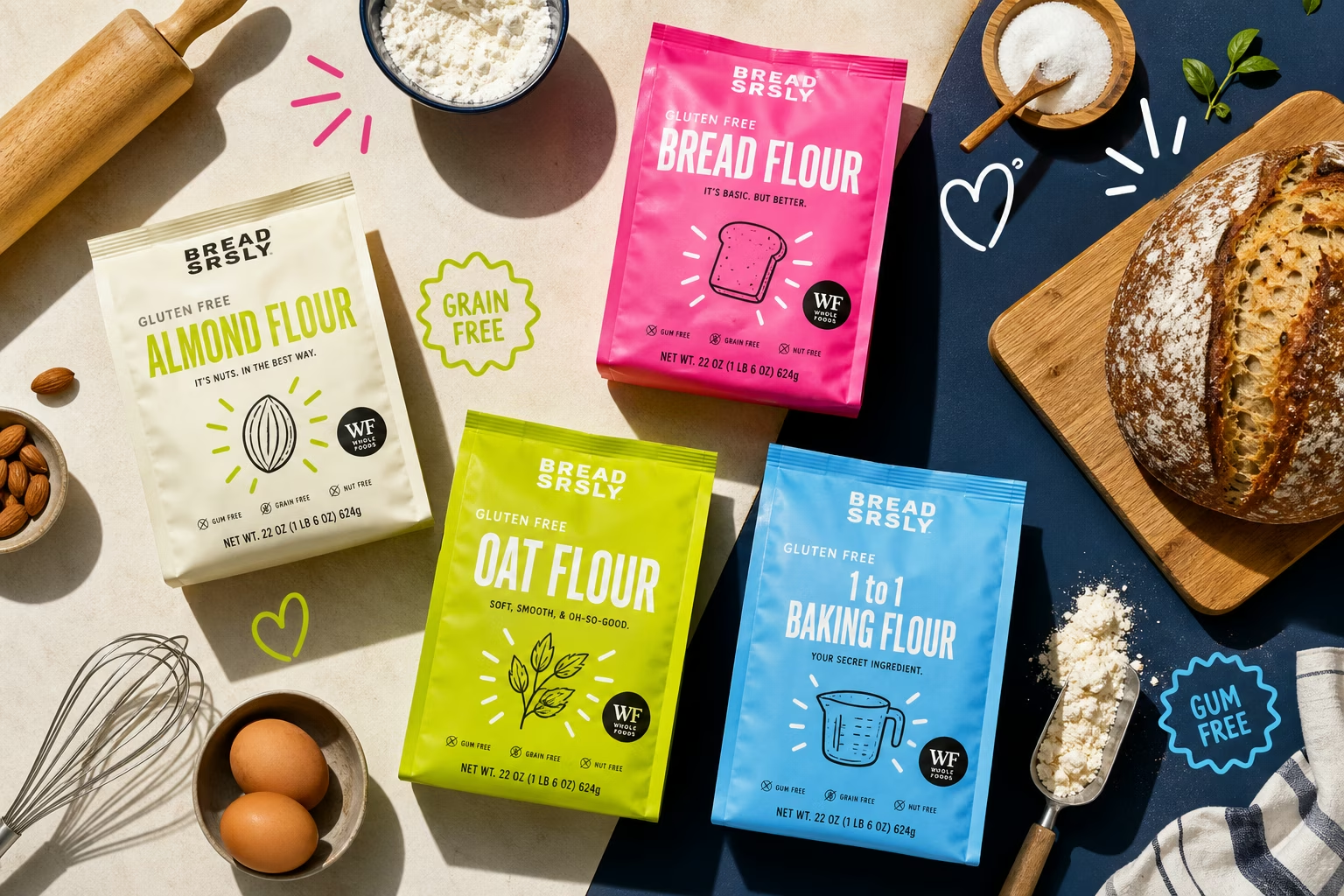
This is often a baker’s first love, and for good reason. Bob’s Red Mill gluten free 1 to 1 baking flour is designed to replace wheat flour cup for cup in most recipes, including bread. It contains a blend of sweet white rice flour, whole grain brown rice flour, potato starch, sorghum flour, tapioca flour, and xanthan gum. The inclusion of xanthan gum means you do not need to add any extra binder. It performs beautifully in quick breads and yeast loaves, though for a high-rise artisan boule, you might want to combine it with psyllium husk for extra spring.
“Our Gluten Free 1-to-1 Baking Flour is designed to be a simple swap for all-purpose flour in your favorite recipes, delivering consistent results without the guesswork.”
Bob’s Red Mill Natural Foods, Product Description, bobsredmill.com
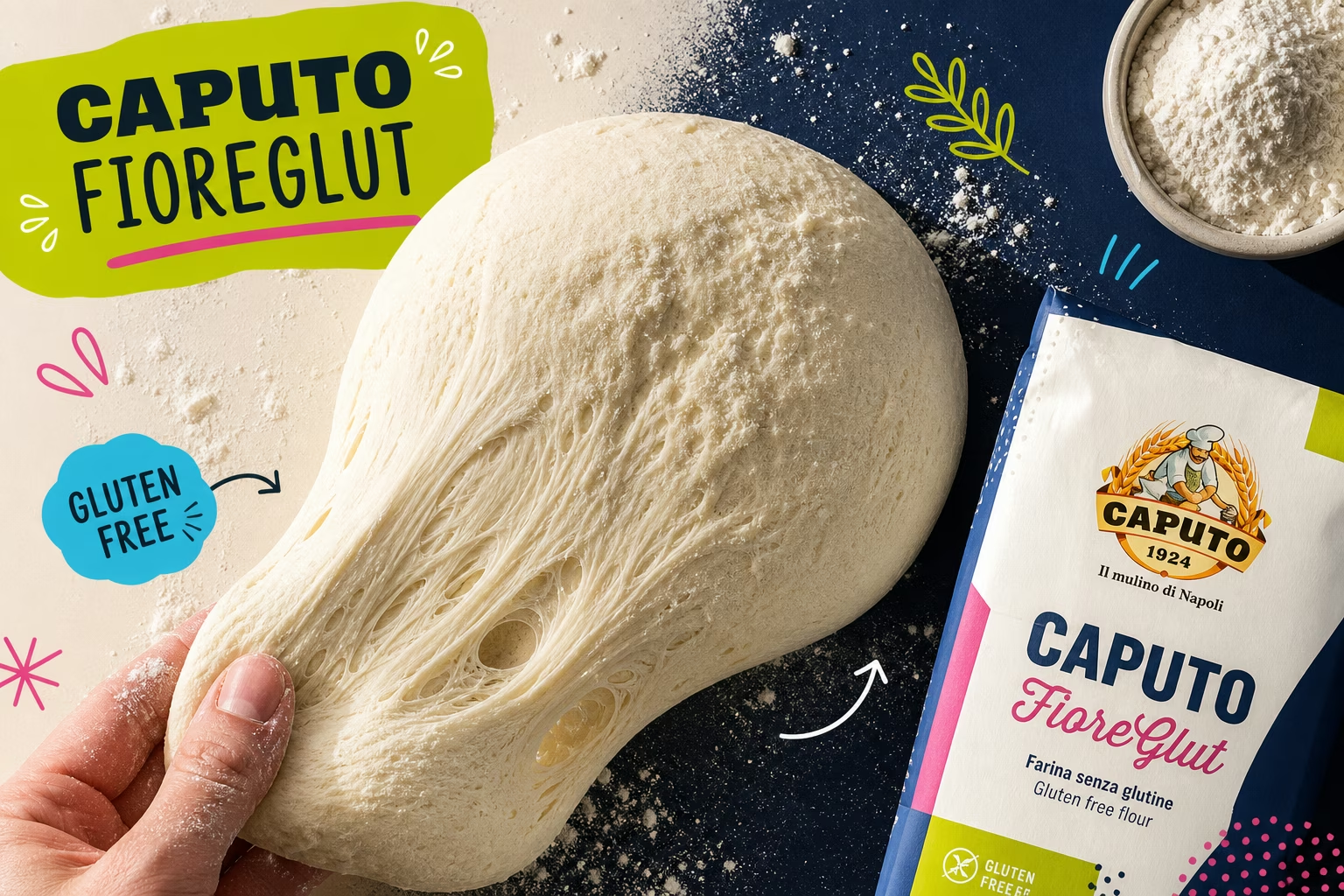
Caputo Gluten Free Flour (FioreGlut)
Many bakers searching for Caputo gluten free flour are after that authentic, chewy Italian bread or pizza crust. Caputo FioreGlut is a specialty gluten free flour blend made from wheat starch, dextrose, and other non-gluten ingredients. Yes, you read that right: it contains wheat starch from which the gluten has been removed, rendering it compliant with gluten free standards in many countries. It yields a dough so stretchy and forgiving that you can actually knead it, something almost unheard of in gluten free baking. If you are craving a crisp yet pillowy pizza or a crusty Italian loaf, this is the closest you will get to the real deal.
Is Rice Flour Gluten Free Worth Using Alone?
The short answer is: Is rice flour gluten free? Yes, absolutely. Both white and brown rice flour are naturally free of gluten. However, using rice flour alone for bread is a common mistake. Rice flour is heavy, lacks elasticity, and produces a gritty texture unless finely milled. It works best when combined with lighter starches (like tapioca or potato starch) and a binder. That said, it is an excellent base flour in many blends and gives a neutral flavor that works well in both sweet and savory baking. Our The Ultimate Gluten-Free Guide: Foods, Substitutes & Living Well Without Gluten breaks down how to use rice flour in a complete baking pantry.
“Rice flour forms the backbone of many gluten free flour blends because it is mild, readily available, and contributes a smooth texture when finely ground. On its own, though, it won’t give you the rise you need in yeast breads.”
Shauna James Ahern, author of Gluten-Free Girl and the Chef, on glutenfreegirl.com
Is Almond Meal Flour Gluten Free and Suitable for Bread?
The question Is almond meal flour gluten free? comes up often in low-carb and paleo circles. Yes, almond meal (ground whole almonds) and almond flour (blanched, finely ground almonds) are both naturally gluten free. They are fantastic for adding moisture and richness to quick breads, muffins, and cookies. But when it comes to yeast-raised bread, almond flour is not a direct substitute for bread flour. It has a high fat content and no starch to create structure. Loaves made primarily with almond flour tend to be dense and crumbly, more like a cake. You can incorporate a small amount of almond flour into a blend for flavor and tenderness, but it cannot do the job alone.
How to Make Homemade Gluten Free Bread with Bread Flour
Now that you have your flour selected, let’s walk through the actual baking process. The steps are similar to traditional bread, but with a few crucial adjustments that will save you from disaster.
Essential Ingredients Beyond Flour
A great loaf needs more than just gluten free bread flour. You will typically need warm water or milk, yeast (active dry or instant), a touch of sugar to feed the yeast, salt for flavor, and a fat like oil or melted butter for softness. Many recipes also call for eggs, which act as a powerful protein binder. If your flour blend does not contain xanthan gum, you must add it separately, usually about 1 teaspoon per cup of flour. Psyllium husk powder is another game-changer; it forms a gel that mimics gluten’s flexibility and gives your bread a beautiful rise and chewy crumb.
Step-by-Step Mixing and Kneading Technique
Unlike wheat dough, gluten free dough is more like a thick batter. You will not be kneading it in the traditional sense. Here is a basic method:
1. Activate the yeast.
Combine warm water (around 110°F) with a teaspoon of sugar and the yeast. Let it sit for 5 to 10 minutes until foamy. If nothing happens, your yeast is dead and you need to start over.
2. Combine the dry ingredients.
In a large mixing bowl, whisk your gluten free bread flour, salt, and any dry binder like xanthan gum or psyllium husk powder.
3. Mix the wet ingredients.
In a separate bowl, whisk eggs, oil or melted butter, and sometimes a little honey or maple syrup for flavor.
4. Create the dough.
Pour the wet mixture and the yeast mixture into the dry ingredients. Mix with a sturdy spoon or a stand mixer fitted with the paddle attachment. Beat on medium speed for 2 to 3 minutes. The dough will look like a sticky, stretchy batter. This beating is essential; it helps develop whatever structure you can get.
5. Transfer to a pan.
Scoop the dough into a greased loaf pan and smooth the top with a wet spatula. Do not worry if it seems too soft; it will firm up during proofing.
“I tell all my readers not to fear the sticky dough. With gluten-free bread, the wetter the dough, the better the final loaf. That moisture is what creates the steam that lifts your bread.”
Nicole Hunn, founder of Gluten-Free on a Shoestring, glutenfreeonashoestring.com
Proofing and Baking Times You Can Trust
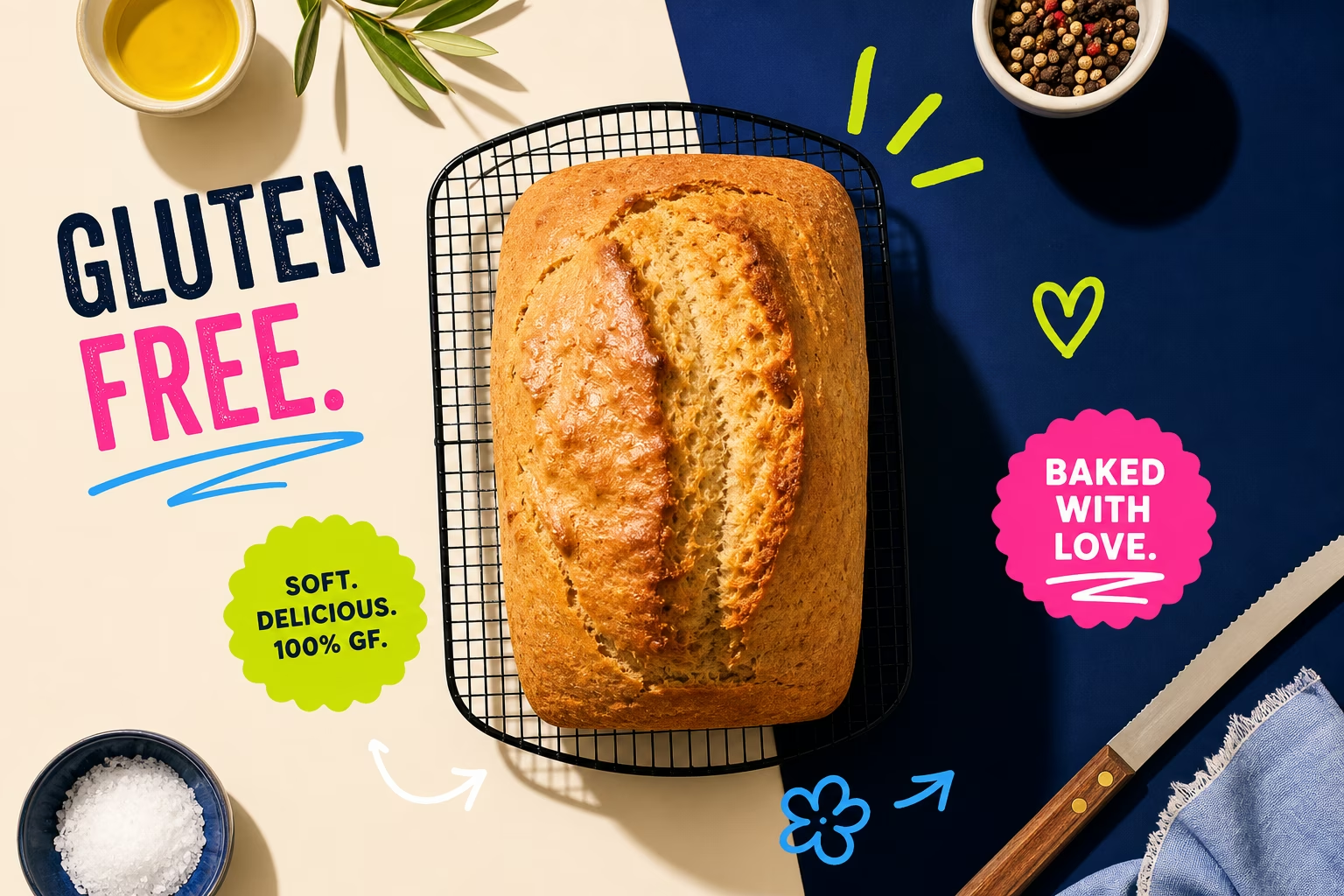
Letting your loaf rise can feel like a guessing game. Place the pan in a warm, draft-free spot. Gluten free dough usually rises once, right in the pan, and often only needs 30 to 45 minutes. Watch it closely; if it rises too long, it can collapse in the oven. You want the dough to crest just above the rim of the pan. Bake in a preheated 350°F oven. A standard loaf takes 35 to 50 minutes. The internal temperature should hit 210°F. Tap the top, and it should sound hollow. Then comes the hardest part: let it cool completely on a wire rack before slicing. Cutting into a warm gluten free loaf will ruin the crumb and make it gummy. Trust me, wait.
How to Adapt Recipes Using Gluten Free Bread Flour
Once you master a basic loaf, you might want to convert your family’s old favorites. This is where a little kitchen science pays off.
Converting Traditional Recipes to Gluten Free
When adapting a wheat bread recipe, you typically need more liquid and a longer mix time. Start by replacing the wheat flour with an equal weight (not volume) of gluten free bread flour, then add about 20% more of the liquid called for. Gluten free flours are thirstier. You also need to add a binder if your blend lacks one. If the original recipe uses 3 cups of flour (about 360g), use 360g of your blend, plus a teaspoon of xanthan gum if needed. Get the full breakdown in The Ultimate Gluten-Free Guide: Foods, Substitutes & Living Well Without Gluten for more substitution ratios.
Perfecting Gluten Free Flour Tortillas
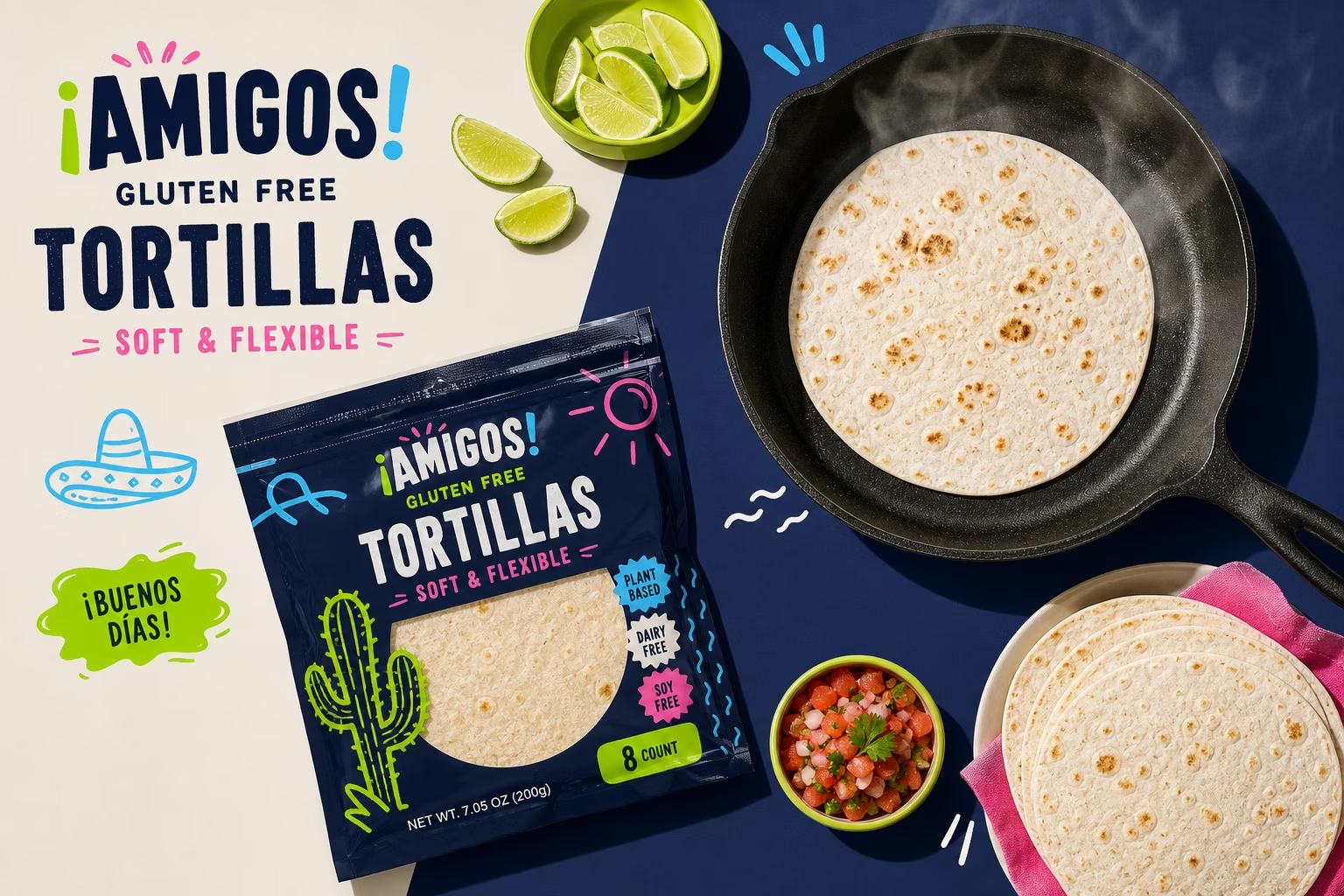
Homemade gluten free flour tortillas deserve their own spotlight. While many recipes use masa harina (corn flour), a soft, pliable wheat-like tortilla requires a flour blend. You can absolutely use your bread flour blend here, but you will need a slightly different approach. Combine the gluten free bread flour with a little fat (lard or vegetable shortening), baking powder, salt, and warm water. The dough should be soft and easy to roll between parchment paper. Cook them on a hot, dry skillet for about 30 seconds per side. The key is to keep them covered with a towel until serving so they steam and stay flexible. Using a blend that includes a binder like xanthan gum prevents cracking and tearing.
Storing and Handling Your Flour Properly
Gluten free flours have a shorter shelf life than wheat flour because they often contain higher amounts of protein and fat from nuts or whole grains. Store your gluten free bread flour in an airtight container in a cool, dark pantry for up to three months. For longer storage, keep it in the refrigerator or freezer. Always bring flour to room temperature before baking, as cold flour can shock the yeast. Finally, always spoon your flour into a measuring cup and level it off rather than scooping directly, which compacts the flour and leads to dry, dense loaves.
“Proper storage is the unsung hero of gluten free baking. Rancid flour can ruin a loaf before you even preheat the oven. Freeze what you won’t use in a month.”
Celiac Disease Foundation, Celiac.org, Gluten-Free Baking Tips
Experimenting with gluten free bread flour opens up a world of homemade possibilities that taste even better than the store-bought bakery aisle. Whether you start with Bob’s Red Mill 1:1, try Caputo for a chewy crust, or build your own blend around rice flour, you now have the knowledge to bake with confidence. The right flour paired with the right technique turns a humble loaf into a daily celebration.
What makes gluten free bread flour different from regular flour?
Gluten free bread flour is a mixture of various starches, proteins, and binders designed to mimic the properties of gluten in traditional wheat flours, providing similar texture and rise.
Can I substitute almond flour for gluten free bread flour in recipes?
Almond flour cannot be directly substituted for gluten free bread flour in yeast bread recipes due to its high fat content and lack of starch, which are necessary for structure and rise.
How should I store gluten free bread flour to maximize its shelf life?
Store gluten free bread flour in an airtight container in a cool, dark pantry for up to three months. For extended storage, keep it in the refrigerator or freezer, and bring it to room temperature before using.
What is the role of xanthan gum in gluten free baking?
Xanthan gum acts as a binder in gluten free baking, providing the structure and elasticity that gluten typically offers in traditional baking.
Is it necessary to use a binder when baking with gluten free bread flour?
If your gluten free bread flour blend does not contain a binder like xanthan gum, it is crucial to add one to ensure the bread holds together and has the desired texture.