Gluten Free Sourdough Bread Recipe
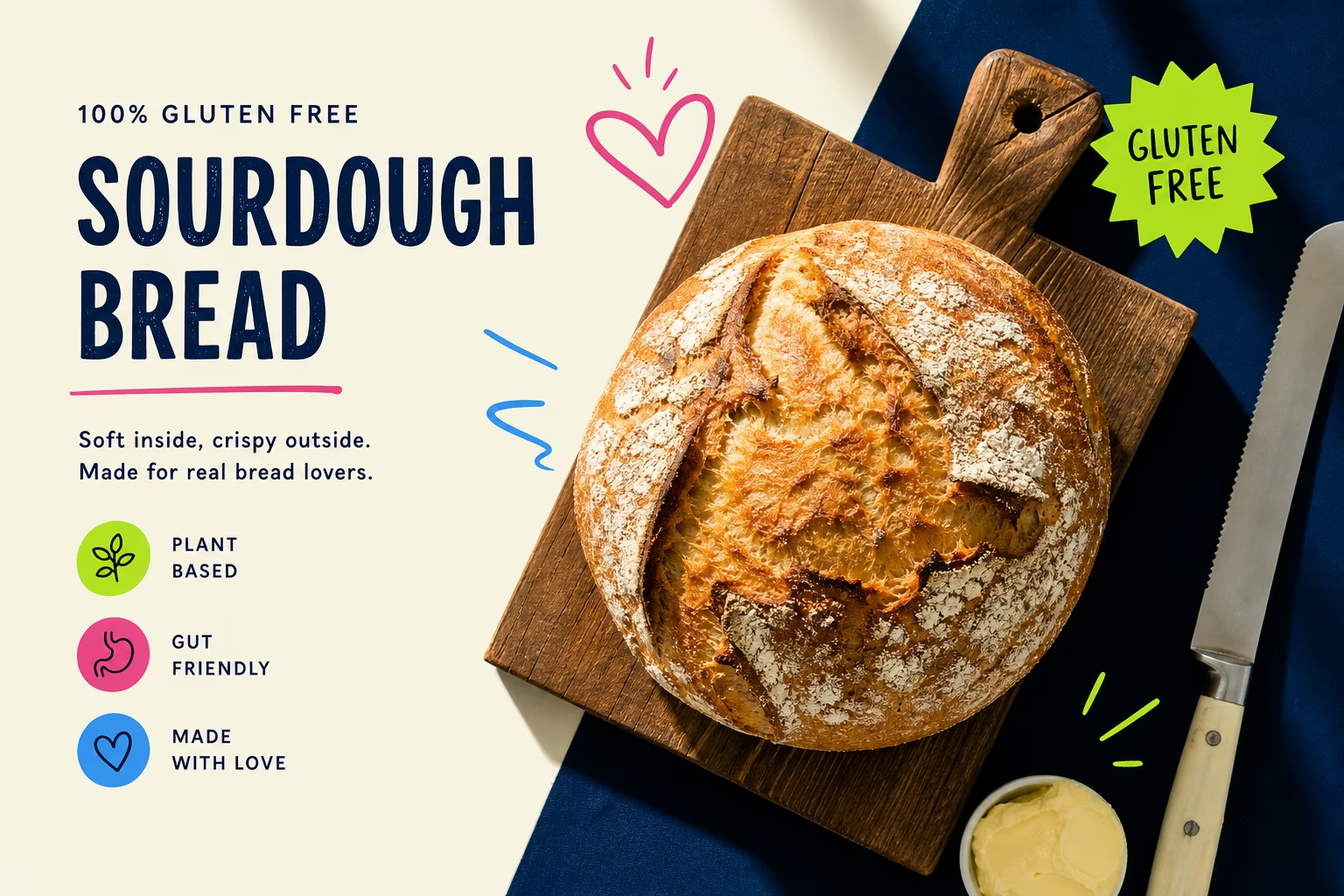
If you’ve been craving the tangy, chewy loaf you remember but need to avoid gluten, learning how to make a gluten free sourdough bread recipe at home is a game changer. A well crafted gluten free sourdough delivers a complex flavor and open crumb that most commercial gluten free breads simply cannot match. Plus, the natural fermentation process can make the bread easier to digest. To get started, you’ll need a few techniques tailored to flour blends that lack gluten, but once you understand the fundamentals, you’ll be baking loaves that impress everyone at your table. For a broad overview of gluten free living, from flours to swaps, check out our The Ultimate Gluten-Free Guide: Foods, Substitutes & Living Well Without Gluten.
What Makes a Gluten Free Sourdough Bread Recipe Different?
Standard wheat sourdough relies on gluten to trap gas and create an airy structure. Without that protein network, a gluten free sourdough bread recipe must use a combination of starches, whole grain flours, and binders like xanthan gum or psyllium husk to mimic that stretch and strength. The result is a dough that behaves more like a thick batter, requiring careful hydration and gentle handling.
“Gluten-free sourdough baking is a balancing act between hydration, fermentation time, and the right blend of flours. Get that right, and you won’t miss the gluten.”
Aran Goyoaga, author of Cannelle et Vanille
The Role of Gluten Free Flours
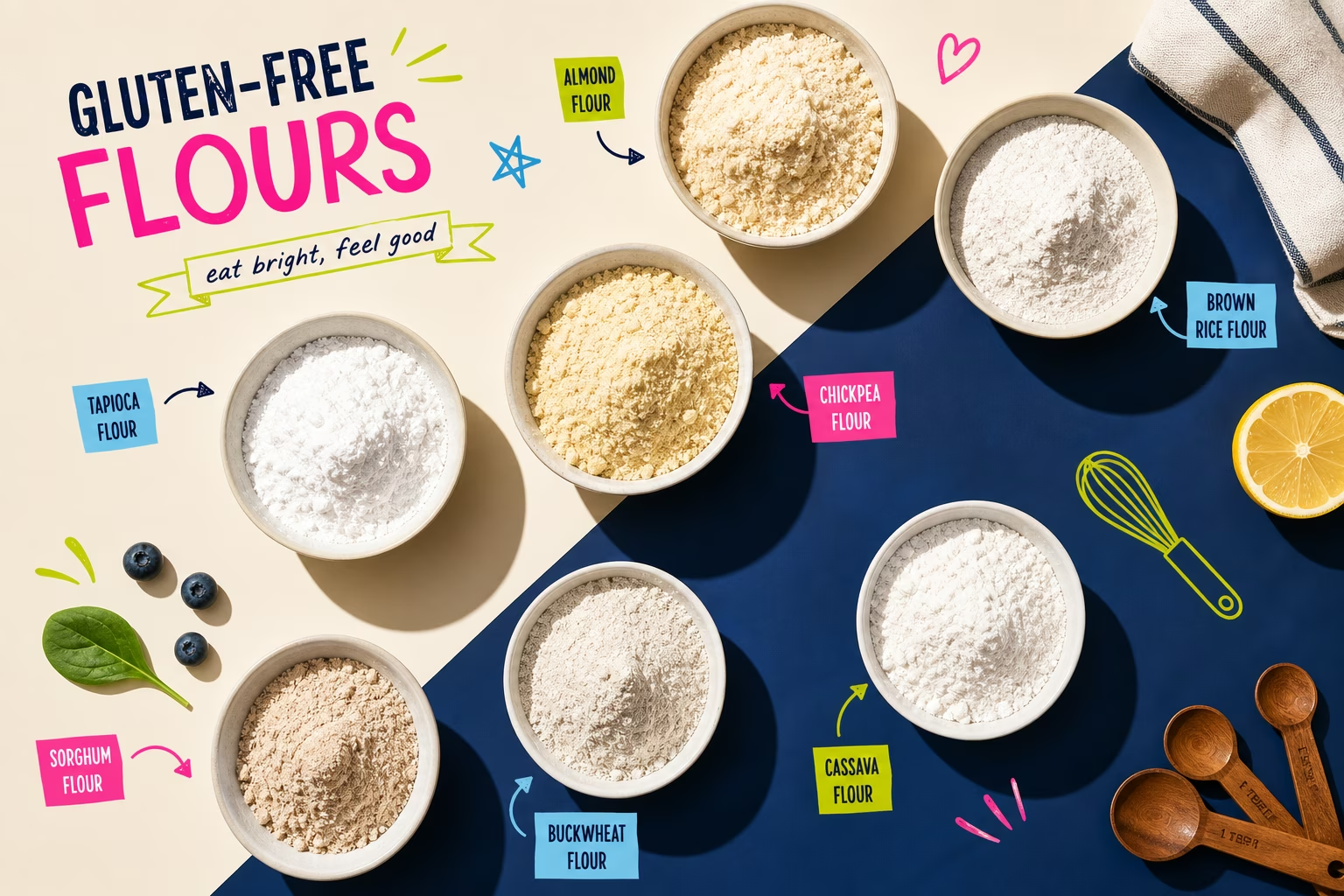
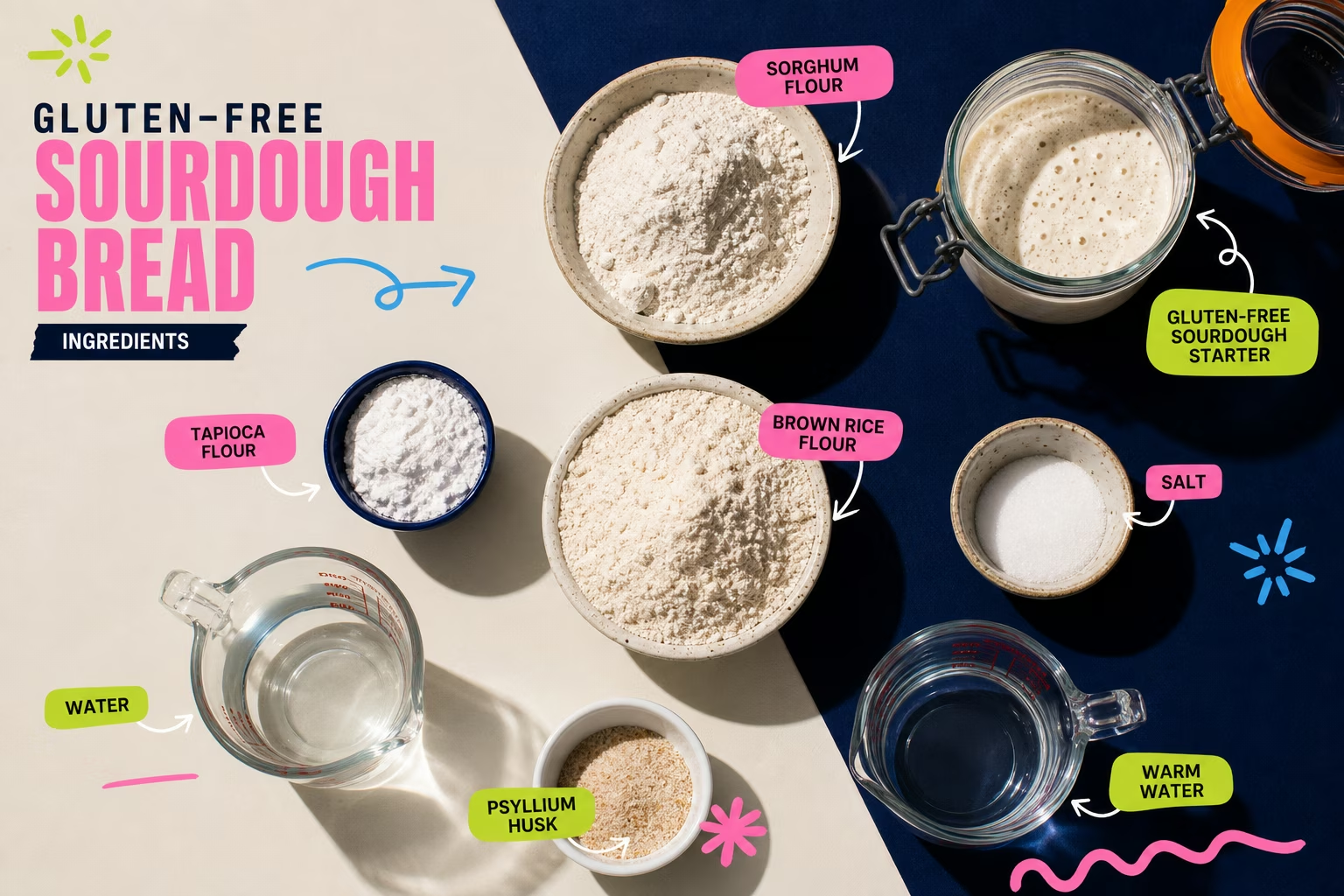
Not all gluten free flours work the same way. Brown rice flour provides structure, tapioca starch adds chew, and sorghum or millet flour contributes a pleasant whole grain flavor. A blend often incorporates a binder like psyllium husk powder, which absorbs water and mimics gluten’s elasticity. When you’re crafting a gluten free sourdough, choosing the right flour blend is the most critical decision you’ll make.
Sourdough Fermentation Without Gluten
The fermentation process remains powerful even without gluten. Wild yeasts and bacteria produce acids that develop that signature tang and also help break down some of the harder-to-digest components of grains. According to a 2019 study published in Nutrients, sourdough fermentation can reduce FODMAP content in wheat, and similar benefits occur in gluten free grains, which can be especially helpful for those following a low FODMAP diet.
“Using whole grain gluten-free flours, like sorghum or teff, in sourdough not only enhances flavor but also boosts the nutritional profile of the bread.”
Shelley Case, RD, author of Gluten-Free Diet: A Comprehensive Resource Guide
How to Develop a Strong Gluten Free Sourdough Starter
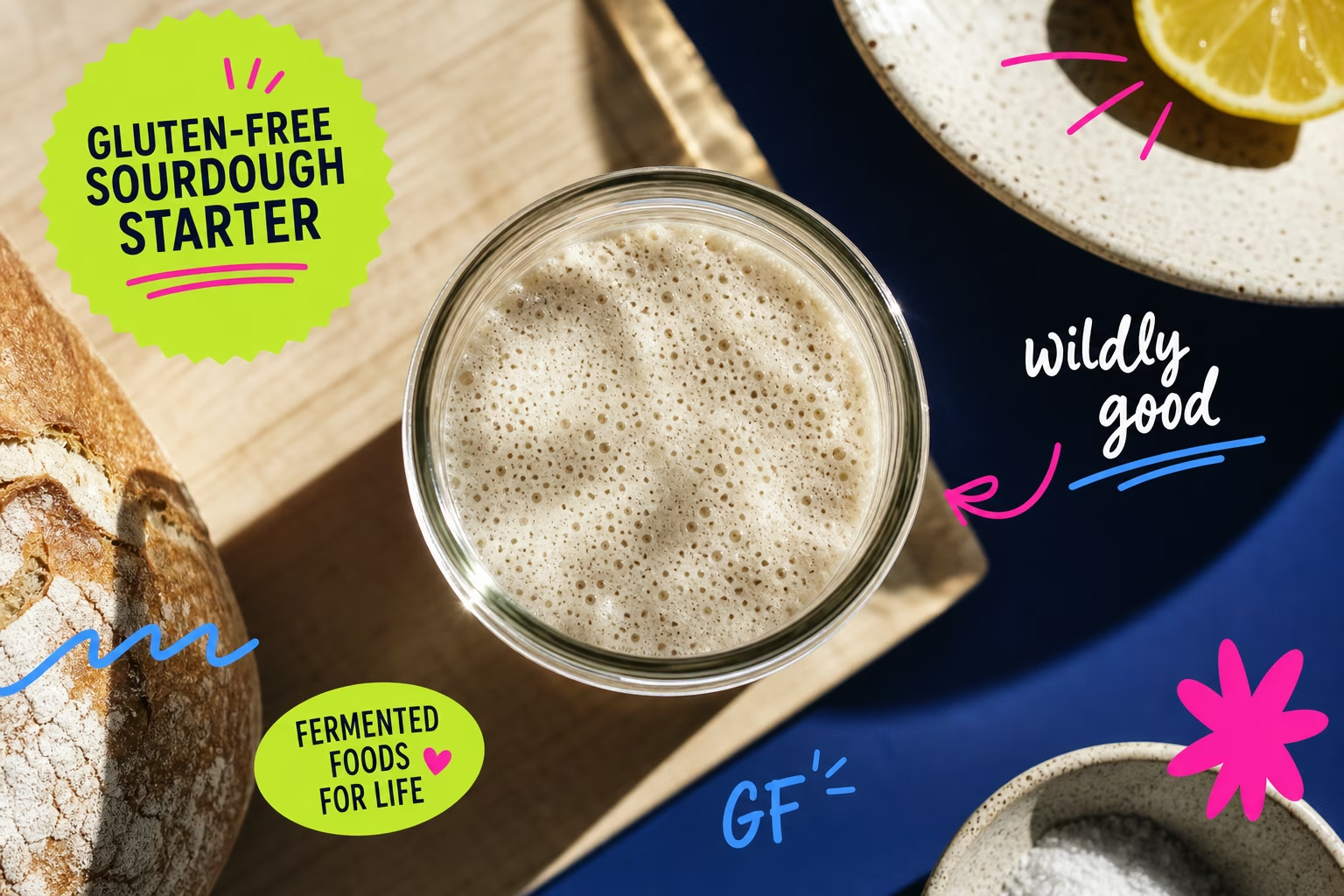
Before you can bake a loaf of sourdough bread gluten free, you need a bubbly, active starter made entirely with gluten free flours. The process takes about 7 to 10 days, but the patience pays off. A robust starter is the heart of any gluten free sourdough recipe. You’ll capture wild yeast and bacteria from the environment and feed them regularly.
Selecting the Best Flour for Your Starter
Many bakers find that brown rice flour or a blend of brown rice and sorghum creates the most vigorous starter. Teff flour also works wonderfully and adds a slightly sweet, malty note. Avoid using only starches, as they lack the nutrients that fermentation needs. You can also use a pre-made gluten free sourdough starter culture to jumpstart the process, but building your own is simple and rewarding.
Step-by-Step Starter Instructions
Start by mixing 1/4 cup gluten free flour blend (65 grams) with 3 tablespoons filtered water (45 grams) in a clean jar. Stir thoroughly, cover loosely, and let it sit at room temperature for 24 hours. The next day, discard half of the mixture and feed with an equal amount of fresh flour and water. Repeat this feeding schedule daily. By day 4 or 5, you should see bubbles and a pleasant sour smell. If it hasn’t taken off, continue feeding. Once the starter doubles in size within 4 to 6 hours after feeding, it’s ready to leaven your gluten free sourdough bread recipe.
The Ultimate Gluten Free Sourdough Bread Recipe
Essential Ingredients
For the best gluten-free sourdough, you’ll need a combination of gluten-free flours, a sourdough starter, water, salt, and optional additions like seeds or herbs. The key is balancing the flours to achieve the right texture and flavor.
Mixing and First Rise
Combine your ingredients in a large bowl, mixing until a thick batter forms. Cover with a damp cloth and let it rise at room temperature for several hours until it has visibly expanded. This first rise is crucial for developing flavor and structure.
Shaping, Proofing, and Baking
Carefully shape the dough into a loaf, using wet hands to prevent sticking. Place it in a greased or lined loaf pan and let it proof for another hour or two. Bake in a preheated oven until golden brown and hollow-sounding when tapped.
Can You Make Gluten Free Sourdough in a Bread Machine?
Adapting the Recipe for a Bread Machine
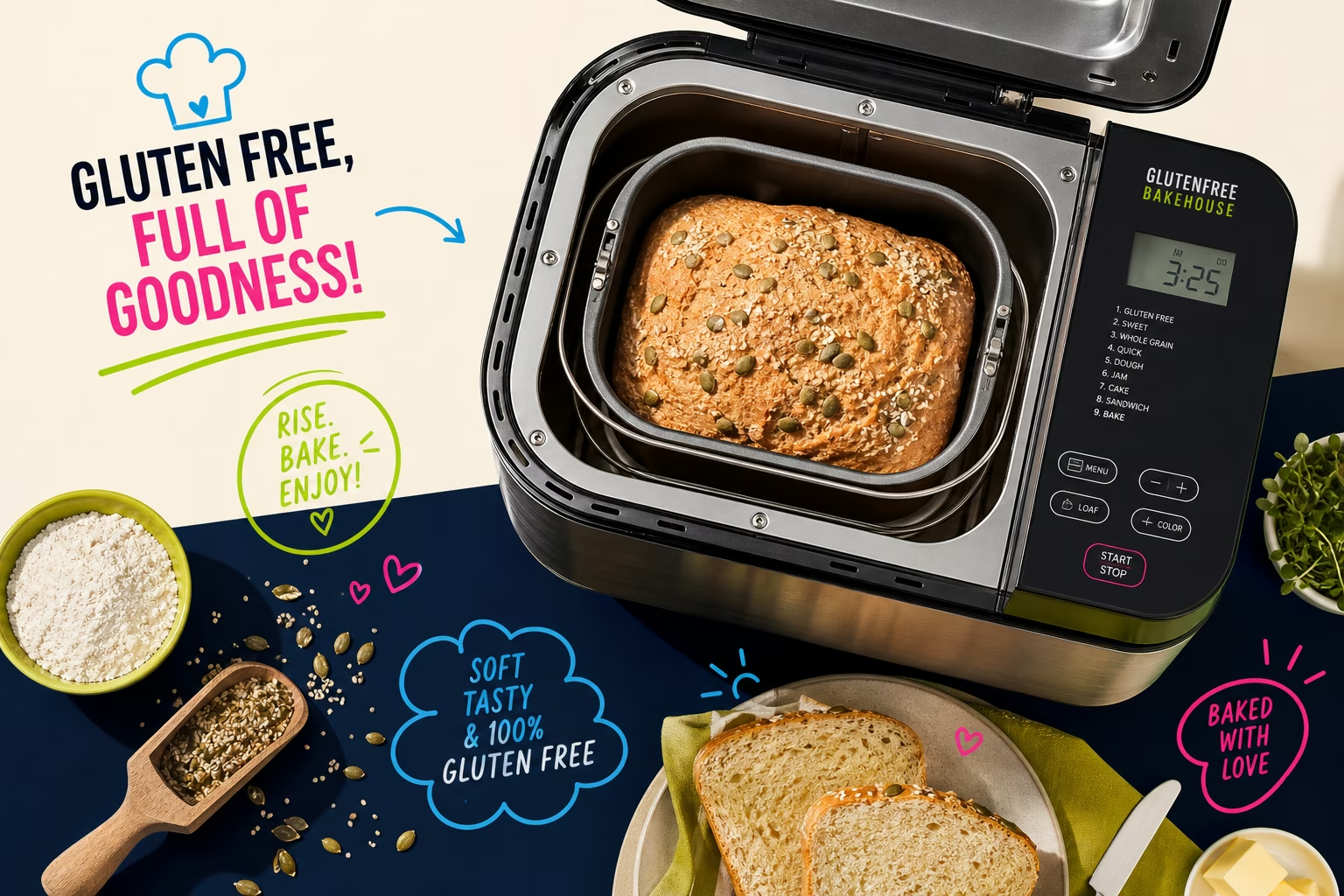
Yes, you can adapt your gluten-free sourdough for a bread machine by following specific settings and order of ingredients. Use the gluten-free or custom cycle if available, and monitor the dough consistency to ensure proper mixing.
Tips for Gluten Free Bread Machine Success
Ensure all ingredients are at room temperature, and add them in the order recommended by the manufacturer. Check the dough after mixing to make sure it’s the right consistency, similar to a thick batter.
Delicious Gluten Free Sourdough Variations
Gluten Free French Bread Style
For a French bread style, use a baguette pan and increase the hydration slightly. This results in a crusty exterior and soft inside, perfect for sandwiches.
Keto Gluten Free Bread Options
For keto-friendly options, substitute almond or coconut flour for some of the gluten-free flour blend. This will lower the carb count while maintaining flavor.
Low FODMAP Gluten Free Bread
Use low FODMAP ingredients like brown rice flour and avoid high FODMAP additions like honey or certain seeds. This makes the bread suitable for sensitive diets.
Gluten Free Sourdough Discard Recipes
Sourdough Discard Crackers
Mix your discard with seeds and spices, then bake until crispy. These crackers are a great way to reduce waste and enjoy a tasty snack.
Discard Pancakes
Combine the discard with eggs and a bit of baking powder for fluffy pancakes. They’re perfect for breakfast or brunch.
Troubleshooting Gluten Free Sourdough
Why Is My Loaf Dense?
If your loaf is dense, it might be due to insufficient fermentation time or an inactive starter. Ensure your starter is bubbly and active before baking.
My Starter Won’t Bubble
If your starter isn’t bubbling, try feeding it more frequently or adjusting the temperature of your kitchen. Warmer environments encourage yeast activity.
Bringing It All Together
Making gluten free sourdough bread at home can be an enriching experience. With patience and practice, you’ll enjoy homemade loaves that are both delicious and nutritious. Whether you’re a seasoned baker or just starting out, these tips and recipes will help you create gluten-free bread that everyone will love.
What is the best flour for gluten-free sourdough starter?
Brown rice flour or a combination of brown rice and sorghum flour works best for a robust gluten-free sourdough starter.
Can I use a bread machine for gluten-free sourdough?
Yes, you can use a bread machine. Just ensure it has a gluten-free setting or a custom cycle to properly mix and bake the dough.
How do I know when my gluten-free sourdough starter is ready?
Your starter is ready when it doubles in size within 4 to 6 hours after feeding and has a bubbly, active appearance.
Why is my gluten-free sourdough bread dense?
A dense loaf could result from insufficient fermentation time or using an inactive starter. Make sure your starter is lively and bubbly before baking.
What are some variations of gluten-free sourdough bread?
You can try making French bread style, keto-friendly, or low FODMAP variations by adjusting the flour mixes and hydration levels.