Is Chocolate Gluten Free?
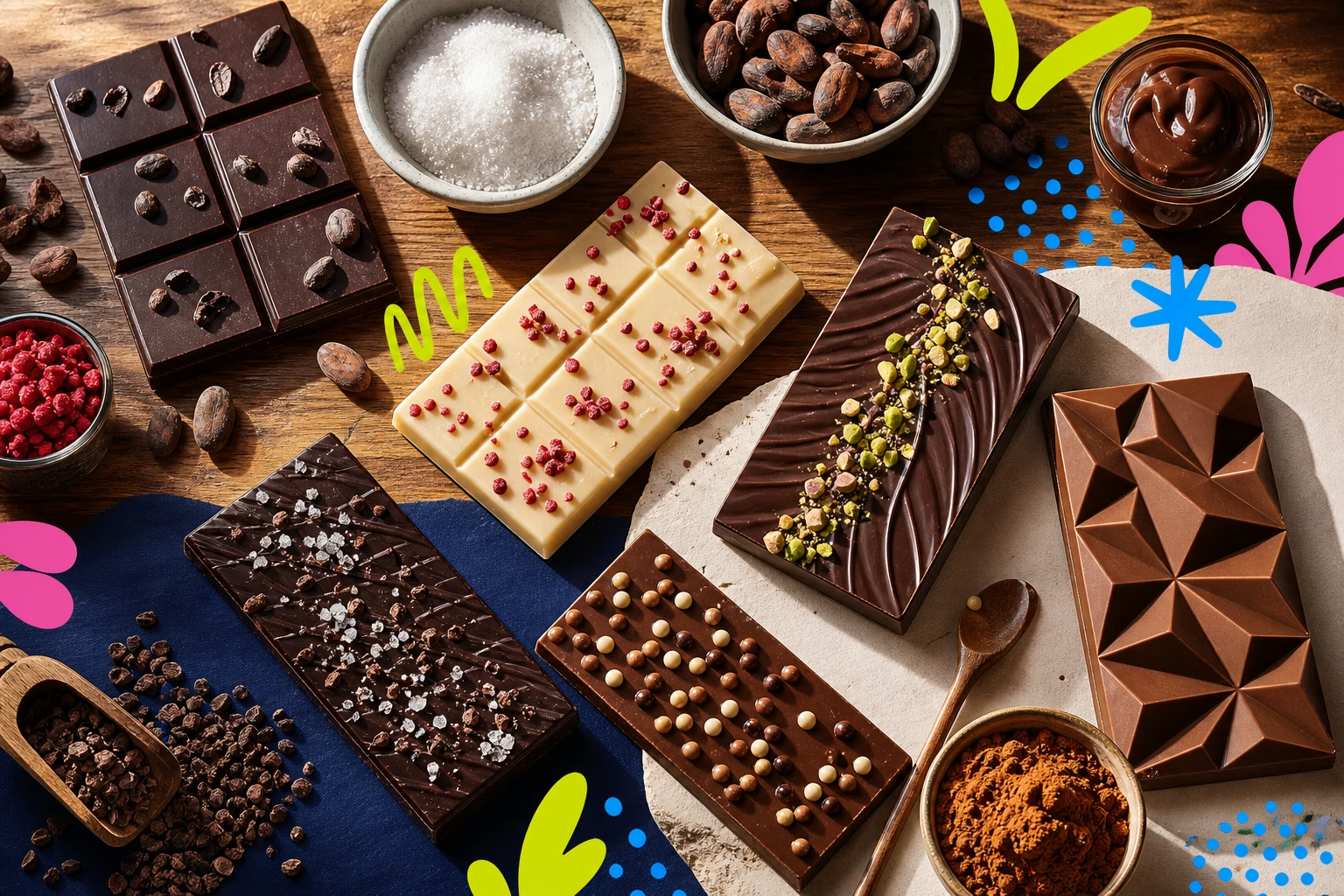
If you’re navigating a gluten-free lifestyle, you’ve likely asked: is chocolate gluten free? The short answer is yes, but only when you choose the right brands and read labels carefully. For a broader overview of living well without gluten, check out The Ultimate Gluten-Free Guide: Foods, Substitutes & Living Well Without Gluten. Pure chocolate, at its simplest, contains just cocoa solids, cocoa butter, and sugar, none of which naturally harbor gluten. However, the moment you step into the candy aisle, fillers, flavorings, and processing methods enter the picture. Knowing what to look for, and which popular products are safe, can save you a lot of worry.
Understanding the landscape means becoming a label detective. The U.S. Food and Drug Administration enforces strict gluten-free labeling rules, requiring that any food bearing a “gluten-free” claim contains less than 20 parts per million of gluten. Yet many products that are inherently gluten-free never make that claim, leaving you to scrutinize ingredient lists. This guide will walk you through the science, the brands, and the hidden traps so you can enjoy chocolate without second-guessing.
What Makes Chocolate Gluten Free or Not?
To answer “is chocolate gluten free” comprehensively, you have to split the question in two. First, there’s the raw material, second, everything that gets added to it. Unsweetened baking chocolate, cocoa powder, and cocoa butter are all naturally gluten-free. Gluten is a protein found in wheat, barley, rye, and sometimes oats through cross-contact, and none of those grains are part of the chocolate-making process. The challenge starts when manufacturers blend in ingredients like cookie pieces, malted barley, or crisped rice.
“Pure chocolate is naturally gluten-free, but cross-contamination during processing and added ingredients are the real culprits for those with celiac disease.”
Rachel Begun, MS, RDN, Gluten-Free Dietitian
The Base Ingredient: Cocoa and Cocoa Butter
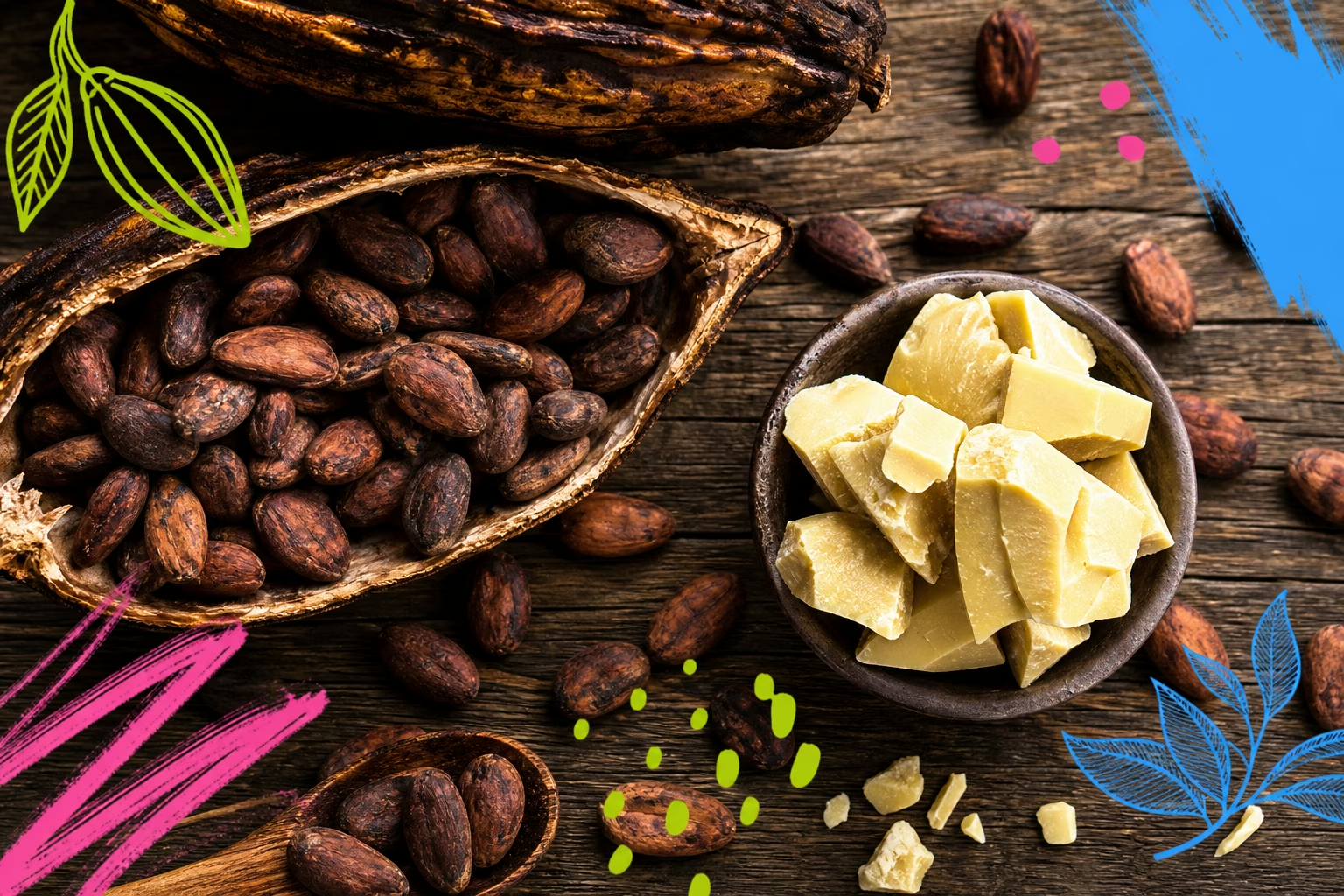
Cacao beans are the foundation of all chocolate. After harvesting and fermenting, the beans are roasted and ground into chocolate liquor, which contains cocoa solids and cocoa butter. Neither component includes gluten. High-quality dark chocolate often consists of nothing more than chocolate liquor, sugar, and maybe vanilla. Unless a facility runs wheat-based products on the same line, pure dark chocolate is one of the safest treats. The Celiac Disease Foundation confirms that unadulterated chocolate is not a source of gluten.
It’s when you move to milk chocolate and white chocolate that you need to pause. Milk chocolate is made with milk powder, and while dairy is gluten-free, some brands use malt powder for a creamier taste. Malt comes from barley, which contains gluten. So is milk chocolate gluten free? That depends entirely on the recipe. Always scan for “malt,” “barley malt extract,” or “malt flavoring” on the label.
Additives and Cross-Contamination Risks
Even a chocolate bar that looks innocent can hide gluten. Inclusions like toffee bits, pretzels, or cookie dough are obvious red flags. Less obvious are ingredients such as “natural flavor,” which can occasionally derive from barley, and “glucose syrup,” which in rare cases may come from wheat (though typically corn or potato in the U.S.). The real wildcard is shared equipment. Many small chocolate makers do not maintain dedicated gluten-free facilities. That’s why certified gluten-free seals matter.
When you can’t find a certification, look for a voluntary “gluten-free” label on the package. According to the FDA, any food that carries that claim must comply with the 20 ppm threshold, even if it isn’t third-party certified. For maximum safety, stick with brands that openly discuss their allergen protocols.
Are Hershey Products Gluten Free?
Hershey’s is one of the most frequently googled names alongside “is chocolate gluten free,” so let’s clear it up. The Hershey Company does not certify most of its products as gluten-free, but it offers a detailed allergen list online and labels major allergens clearly. This means you can enjoy many Hershey staples if you’re comfortable with their stated position.
“Hershey’s states that ‘many of our products are gluten-free, but we encourage consumers to read the label each time because ingredients can change.'”
Spokesperson, The Hershey Company
Is Hershey Chocolate Gluten Free?
A standard Hershey’s Milk Chocolate Bar is made from milk chocolate (sugar, milk, chocolate, cocoa butter, lactose, milk fat, soy lecithin, PGPR, and natural flavor). The ingredient list as of this writing contains no gluten sources. However, Hershey’s does not guarantee zero risk of cross-contact on shared lines. For many people with non-celiac gluten sensitivity, this bar is well tolerated. If you have celiac disease, you might prefer the individually wrapped Hershey’s Milk Chocolate with Almonds, as some batches are made on a dedicated line, though you’d need to check the company’s latest statement each time you buy.
Are Hershey Kisses Gluten Free?
When you ask “are Hershey Kisses gluten free,” the reply is a cautious yes. The classic Milk Chocolate Hershey’s Kisses are produced without gluten ingredients. The company’s FAQ lists them among the products that do not contain gluten ingredients. That said, the same equipment also processes seasonal shapes and varieties that might include wheat-based components. To be safe, always read the packaging for a voluntary gluten-free claim, which Hershey’s uses on select packages. If you spot that label, the batch has met strict criteria. For more holiday-themed confections, you can refer back to The Ultimate Gluten-Free Guide: Foods, Substitutes & Living Well Without Gluten to see how these compare to other seasonal sweets.
Are Milky Ways and Cadbury Eggs Gluten Free?
These candies have built a massive following, but they aren’t automatically safe. A classic Milky Way bar is a nougat and caramel confection coated in milk chocolate. The nougat layer historically contained malt, which would make it a gluten no-go. Meanwhile, Cadbury Creme Eggs are assembled differently, but issues still exist.
Are Milky Ways Gluten Free?
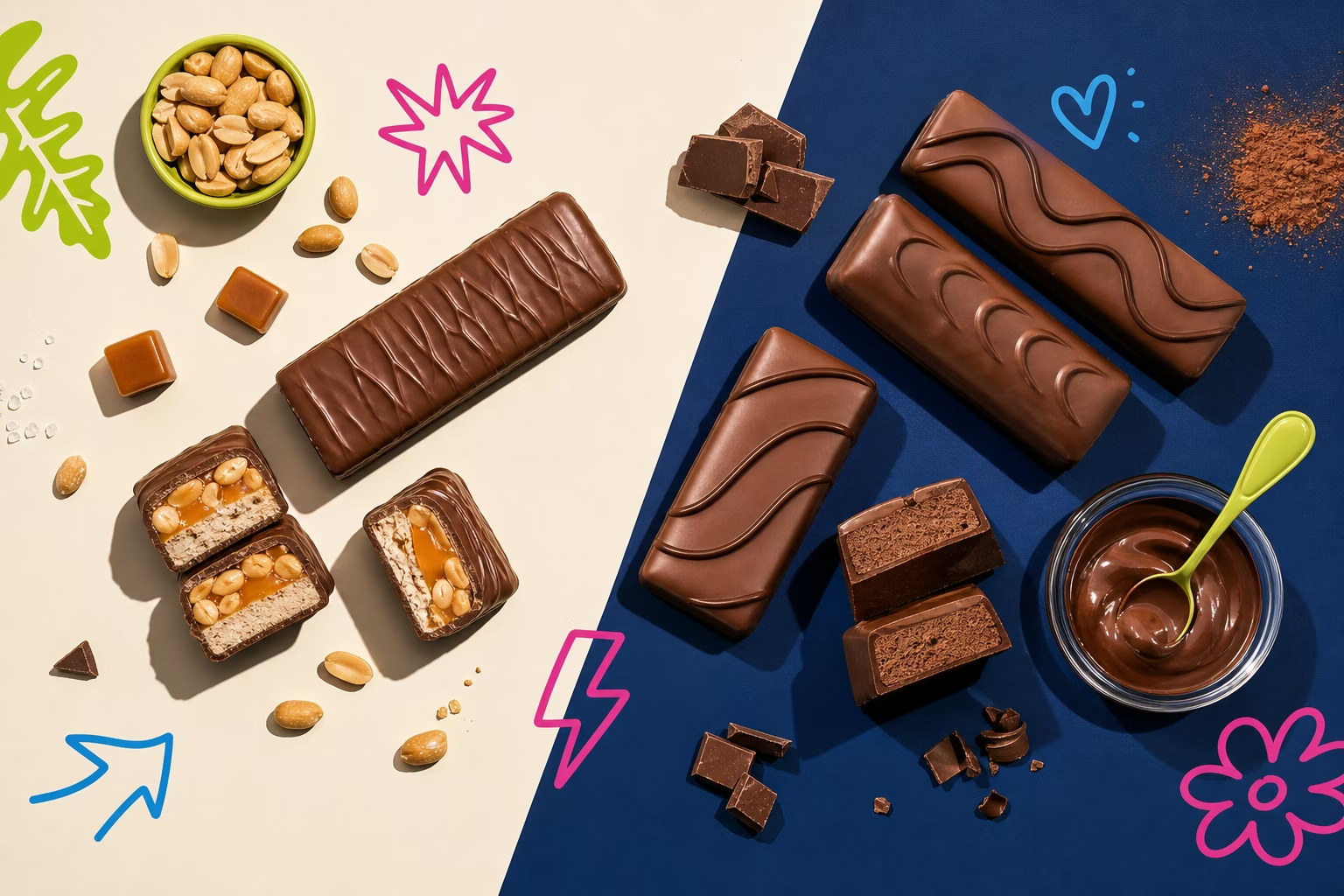
In the United States, standard Milky Way bars are not gluten-free because they contain malted barley extract. That puts them squarely off limits for anyone avoiding gluten. Even Milky Way Midnight, which swaps dark chocolate, still relies on a malt-based nougat. If you’re looking for a safe alternative, consider Snickers bars (which are gluten-free according to Mars Wrigley’s allergen list) or Dove dark chocolate squares. Always verify directly with the manufacturer’s website before purchasing, since recipes can change.
Are Cadbury Eggs Gluten Free?
The answer is yes and no, depending on which variety you’re talking about. The beloved Cadbury Creme Egg sold in the U.S. during Easter season does not list gluten-containing ingredients, and the manufacturer, Hershey (under license), includes it among products made without gluten ingredients. However, Cadbury Mini Eggs, the candy-coated milk chocolate pieces, may carry a risk of cross-contact because they are run on equipment that processes wheat. So if you’re wondering “are Cadbury eggs gluten free,” stick to the original Creme Eggs and always check the back label for any updated allergen warnings. The sugar shell and fondant center are generally fine, but seasonal production lines shift.
Gluten-Free Chocolate Chips, Nutella, and Milk Chocolate
Beyond candy bars, baking staples and spreads deserve the same scrutiny. Many recipes call for chocolate chips, and Nutella often becomes a go-to indulgence. Knowing their gluten status upfront prevents last-minute label decoding in the kitchen.
Are Chocolate Chips Gluten Free?
Most pure semisweet, bittersweet, and dark chocolate chips are made with the same basic ingredients as bar chocolate: chocolate liquor, sugar, cocoa butter, and sometimes soy lecithin. Top brands like Enjoy Life Foods offer certified gluten-free chocolate chips, making them the safest bet. Nestlé Toll House Semi-Sweet Morsels do not contain gluten ingredients, but they are not certified gluten-free and are produced in a facility that processes wheat. Ghirardelli’s 60% Cacao Bittersweet Chocolate Chips are labeled gluten-free, a signal of thorough testing. If baking for someone with celiac disease, certified chips are worth the extra few cents.
Is Nutella Gluten Free?
Nutella, the popular hazelnut cocoa spread, is a frequent entry in the “is Nutella gluten free” conversation. Ferrero, the manufacturer, confirms that Nutella does not contain gluten ingredients. The spread is made of sugar, palm oil, hazelnuts, cocoa, skim milk powder, whey, lecithin, and vanillin. None of these are gluten sources. However, Nutella is not certified gluten-free, and Ferrero does not guarantee that production lines are completely free of gluten cross-contact. For most people, Nutella is a safe indulgence, but if you’re highly reactive, look for alternative hazelnut spreads that carry a gluten-free seal.
“Nutella does not contain any gluten-containing ingredients; however, it is not certified gluten-free.”
Ferrero, Official FAQ
Is Milk Chocolate Gluten Free?
We touched on this earlier, but the “is milk chocolate gluten free” question is worth its own deep dive. Milk chocolate is defined by the addition of milk solids. A high-quality milk chocolate like Lindt’s Excellence bar may contain only sugar, cocoa butter, milk, chocolate, and soy lecithin. That’s gluten-free. Mass-market varieties sometimes sneak in barley malt for a richer flavor. Lindt’s milk chocolate bars and truffles often use barley malt powder, making them off-limits. Always read the label for malt or “barley malt extract.” If the ingredient list is clean and there’s no “may contain wheat” warning, it’s likely safe, but calling the manufacturer is the gold standard.
How to Safely Choose Gluten-Free Chocolate Every Time
You’ve now got the answers to “is chocolate gluten free” across all the major brands. But product formulations change, and seasonal items can throw a wrench in your routine. Building a simple, repeatable system for evaluating any chocolate at the store or online will keep you out of trouble.
Reading Ingredient Labels for Hidden Gluten
Start by scanning for the obvious: wheat flour, wheat starch, barley, rye, malt, and brewer’s yeast. Then look for less obvious triggers like “hydrolyzed wheat protein” and “maltodextrin” (which in the U.S. is typically corn-based, but in rare cases can be wheat). In the allergen statement, phrases such as “may contain wheat” or “processed in a facility that also processes wheat” indicate potential cross-contact. Decide your comfort level based on your sensitivity. For many, “may contain” warnings are acceptable if the allergen isn’t an ingredient; for those with celiac disease, they’re often a hard pass.
“When in doubt, always read the ingredient list. Even chocolates marked ‘gluten-free’ may be processed in facilities that handle wheat.”
Alice Bast, CEO, Beyond Celiac
Understanding Certified Gluten-Free Labels
Certifications like those from the Gluten-Free Certification Organization (GFCO) mean the product has been tested to contain fewer than 10 ppm of gluten, which is stricter than the FDA’s 20 ppm threshold. Enjoy Life Foods, Alter Eco, and Pascha are chocolate brands that routinely carry certified seals. A certified label essentially answers “is chocolate gluten free” without hours of research. If you gravitate toward a brand that doesn’t certify but labels some products gluten-free, you’re still protected by FDA regulations. However, third-party certification removes the guesswork entirely.
Finally, bookmarks help. Save the allergen pages of your favorite brands on your phone. Check them before a big shopping trip, and don’t rely on memory. Formulations can and do change without warning. By combining label vigilance, manufacturer transparency, and a little seasonal caution, you’ll never have to worry that your chocolate stash is anything but deliciously safe. And if you ever feel overwhelmed, revisit The Ultimate Gluten-Free Guide: Foods, Substitutes & Living Well Without Gluten for a broader view of living your best gluten-free life.
Is pure chocolate naturally gluten-free?
Yes, pure chocolate made from cocoa solids, cocoa butter, and sugar is naturally gluten-free. However, always check for additional ingredients.
What should I look for on chocolate labels?
Check for ingredients such as barley malt, wheat, rye, or oats. Look for gluten-free certifications for added assurance.
Are all Hershey products safe for gluten-free diets?
Not all Hershey products are gluten-free. They provide allergen information online and label clearly, so always check before consuming.
Can I trust “gluten-free” labels on chocolate?
Yes, if a product is labeled gluten-free, it complies with FDA regulations. Third-party certifications offer additional reassurance.
Is it safe to eat chocolate that may contain traces of gluten?
It depends on your sensitivity. If you have celiac disease, even traces of gluten can be harmful. Always err on the side of caution.
Why isn’t Nutella certified gluten-free?
Nutella doesn’t contain gluten ingredients but is not certified gluten-free due to potential cross-contact during production.
Is milk chocolate more likely to contain gluten than dark chocolate?
Yes, milk chocolate is more likely to contain gluten due to added ingredients like malt for flavor. Always check the label.