Are Rice Krispies Gluten Free?
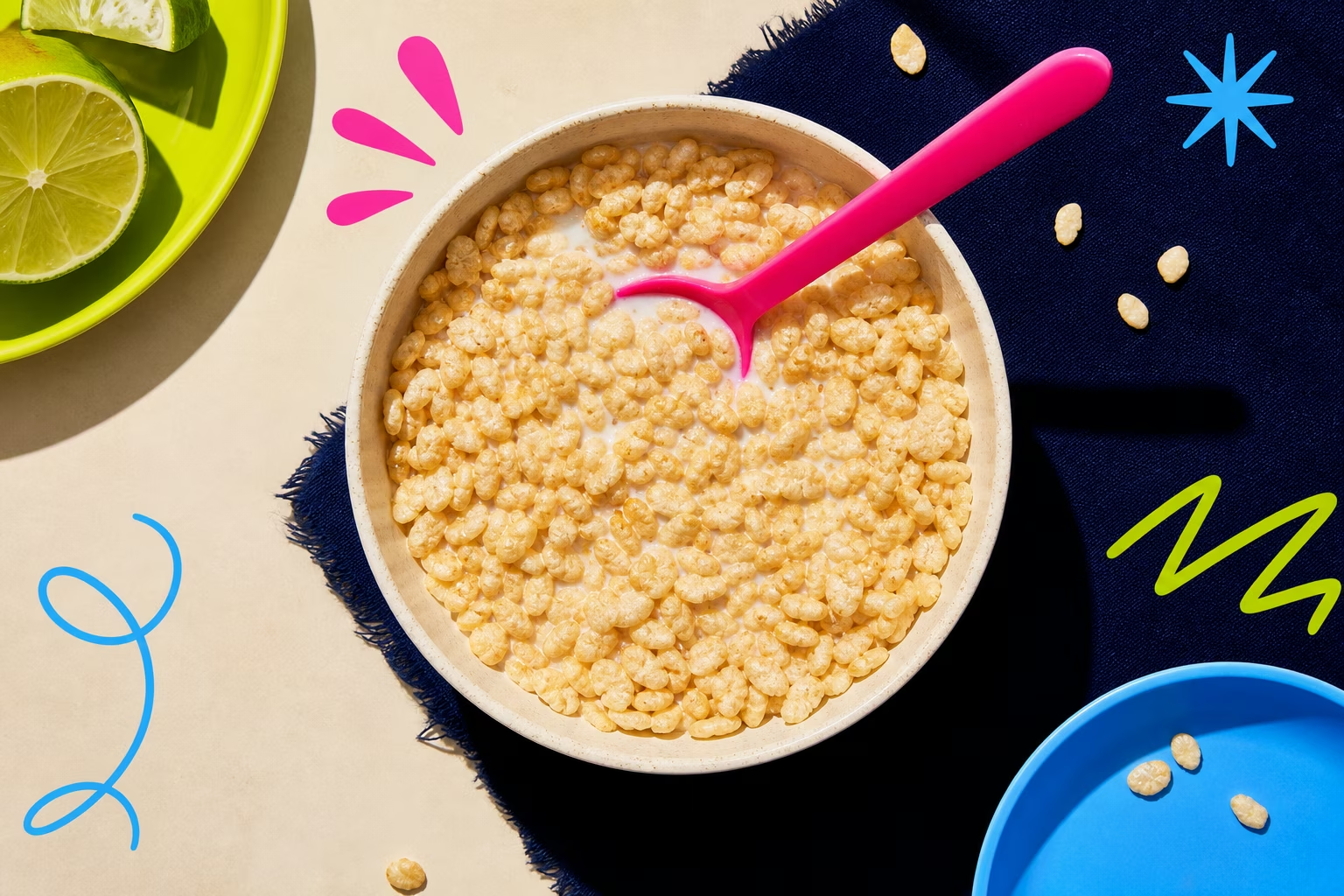
If you have celiac disease or gluten sensitivity, you have probably stood in the cereal aisle wondering whether that familiar blue box is safe. Rice is naturally gluten free, so the name “Rice Krispies” sounds harmless enough. Unfortunately, the answer is not what most people want to hear. Traditional Kellogg’s Rice Krispies cereal is not gluten free, and neither are the classic prepackaged Rice Krispie Treats you grew up loving.
The culprit is not the rice itself. The issue lies in a seemingly innocent ingredient that transforms a simple puffed rice cereal into something off limits for anyone avoiding gluten. Understanding why these treats are problematic is the first step toward finding or making a safe version you can actually enjoy.
“Malt flavoring is one of the most common hidden sources of gluten in processed foods. It is almost always derived from barley, which contains gluten, and it shows up in cereals, candies, and snack bars more often than consumers realize.”
Alice Bast, CEO, Beyond Celiac
Why Are Traditional Rice Krispies Not Considered Gluten Free?
Rice Krispies cereal starts with toasted rice, which is naturally free of gluten. The manufacturing process puffs and toasts the grains until they achieve that signature crisp texture. But then the recipe adds something that changes everything for gluten free eaters: malt flavoring derived from barley.
Barley is a gluten containing grain, and its proteins can trigger the same immune response in people with celiac disease as wheat proteins do. Even small amounts of barley malt can cause symptoms and intestinal damage. That single ingredient is what makes the answer to “are rice krispies gluten free” a firm no.
The Problem with Malt Flavoring and Barley
Malt flavoring is produced by soaking barley grains in water, allowing them to germinate, and then drying and processing them. This process develops the sweet, nutty flavor that food manufacturers love, but it does not remove the gluten proteins. The resulting extract or syrup still contains hordein, the gluten protein found in barley.
The U.S. Food and Drug Administration does not consider malt flavoring or malt extract to be gluten free ingredients. Any product containing them cannot legally bear a gluten free label. This is why you will never see a certified gluten free seal on a box of original Rice Krispies.
According to a 2020 article published by the Celiac Disease Foundation, barley based ingredients like malt are among the top hidden sources of gluten that patients report accidentally consuming.
Kellogg’s Official Position on Gluten Content
Kellogg’s has been transparent about the gluten status of their iconic cereal. On their official website and product packaging, the company clearly lists malt flavoring as an ingredient and does not claim the cereal is gluten free. They have also stated that their original Rice Krispies are not suitable for individuals with celiac disease or gluten intolerance.
In recent years, Kellogg’s did release a gluten free version of Rice Krispies in some markets made with brown rice and without malt flavoring. However, availability has been inconsistent, and many shoppers report difficulty finding it on shelves. If you spot a box labeled gluten free, check the ingredients carefully to confirm it is the reformulated version and not the original.
“We know that many consumers are looking for gluten free options, and we have worked to develop a Rice Krispies product that meets that need using brown rice and no barley malt.”
Kellogg Company Product Information Statement, 2023
Cross Contamination Risks in Manufacturing
Even if the malt flavoring were removed, cross contamination during production poses another challenge. Cereal manufacturing facilities often process wheat, barley, and rye based products on shared equipment. Without dedicated gluten free lines and rigorous testing protocols, trace amounts of gluten can find their way into otherwise safe foods.
For this reason, many people with celiac disease choose to avoid conventional crispy rice cereals entirely, even those that appear to have clean ingredient lists. Dedicated gluten free brands that test their finished products for gluten content offer significantly more peace of mind. If you are just beginning your gluten free journey, you might find it helpful to review The Ultimate Gluten-Free Guide: Foods, Substitutes & Living Well Without Gluten for a broader understanding of safe pantry staples.
Are There Any Gluten Free Alternatives to Rice Krispies Cereal?
The good news is that you have options. Several brands now produce crispy rice cereals that are certified gluten free, meaning they contain no malt flavoring and are tested to ensure gluten levels fall below 20 parts per million, the FDA threshold for gluten free labeling. These alternatives let you recreate all your favorite recipes without worry.
When people ask “are rice crispy treats gluten free” what they really want to know is whether they can enjoy the gooey, buttery squares they remember from childhood. With the right cereal swap, the answer becomes a delicious yes.
Best Certified Gluten Free Crispy Rice Cereals
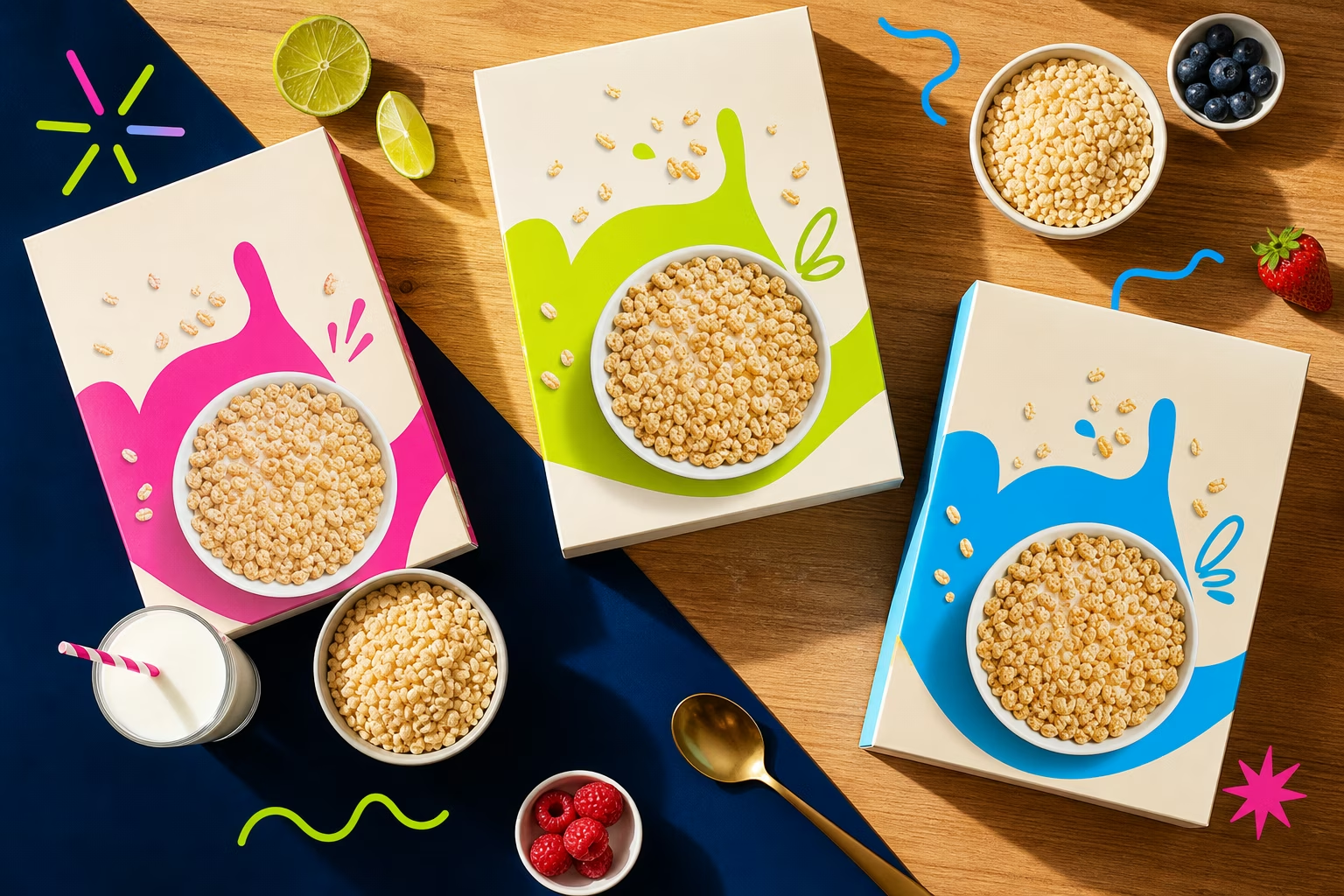
Nature’s Path Organic Crispy Rice Cereal is one of the most widely available options. It carries a certified gluten free seal and uses organic brown rice with no artificial flavors or preservatives. The texture is slightly different from original Rice Krispies, a bit crunchier and less airy, but it works beautifully in marshmallow treats.
One Degree Organic Foods also makes a sprouted brown rice cereal that is certified gluten free. Sprouting the rice adds a subtle nuttiness that many people prefer. Erewhon and Barbara’s offer additional choices, both using brown rice and avoiding malt entirely. Check the gluten free certification on the box before purchasing, as formulations can change over time.
What to Look for on Ingredient Labels
Scanning an ingredient list becomes second nature once you know what to watch for. The most obvious red flag is malt flavoring, malt extract, or malt syrup. These terms almost always indicate barley derived ingredients. Also keep an eye out for ambiguous terms like “natural flavors” that could hide gluten sources, though this is less common in plain cereals.
A certified gluten free label from organizations like the Gluten Free Certification Organization (GFCO) or NSF International means the product has been independently tested. This third party verification offers an extra layer of safety beyond a manufacturer’s own gluten free claim. When in doubt, choose a cereal with that certification prominently displayed on the package.
Texture and Taste Comparisons of GF Substitutes
Brown rice cereals tend to be slightly denser and crunchier than traditional Rice Krispies. They hold their shape well when mixed with melted marshmallows and do not become soggy as quickly. Some brands have a more pronounced toasted flavor, which can actually enhance the overall taste of your treats.
If you are making rice crispy squares gluten free for the first time, expect a marginally different mouthfeel. The treats will still be sweet, buttery, and satisfying, just with a bit more chew. Most people find the swap completely acceptable, especially once the treats are fully set and the marshmallow has had time to meld with the cereal.
How Can You Make Homemade Gluten Free Rice Krispie Treats?
Making your own gluten free rice krispie treats at home gives you complete control over every ingredient. The process is nearly identical to the classic recipe you remember, requiring only a few simple swaps. Once you master the technique, you can customize the treats with add ins like chocolate chips, peanut butter, or seasonal sprinkles.
The key is sourcing certified gluten free versions of two critical components: the crispy rice cereal and the marshmallows. Everything else in the recipe is naturally gluten free, which makes this a surprisingly easy conversion.
Essential Gluten Free Ingredients You Will Need
Start with a box of certified gluten free crispy rice cereal. Nature’s Path and One Degree are reliable choices. For the marshmallows, most standard brands like Kraft Jet Puffed are naturally gluten free, but you should always read the label to confirm. Some specialty or seasonal marshmallows may contain gluten based additives or be processed on shared equipment. When a recipe calls for gluten free marshmallows specifically, it is because not all marshmallow products are created equal.
You will also need butter, which is naturally gluten free, and a pinch of salt to balance the sweetness. Vanilla extract rounds out the flavor, but verify that your vanilla is labeled gluten free, as some extracts use alcohol derived from gluten grains. The complete guide at The Ultimate Gluten-Free Guide: Foods, Substitutes & Living Well Without Gluten walks you through more ingredient verification strategies if you are building your pantry from scratch.
“Making treats at home is the safest way to ensure they are truly gluten free. You control the ingredients, you control the preparation surface, and you eliminate the guesswork that comes with store bought snacks.”
Dr. Alessio Fasano, Director, Center for Celiac Research at Massachusetts General Hospital
Step by Step Recipe for Perfect Rice Crispy Squares Gluten Free
This recipe yields a 9×13 inch pan of chewy, golden treats. Gather all your ingredients before you start, because the process moves quickly once the marshmallows begin to melt. Preparation is the secret to getting consistent results every time you make rice crispy treats gluten free.
Prepping Your Baking Pan and Tools
Line a 9×13 inch baking pan with parchment paper, leaving some overhang on two opposite sides. This creates handles that let you lift the entire block of treats out of the pan for easy slicing. Lightly grease the parchment and any exposed pan edges with butter or gluten free cooking spray.
Measure out six cups of gluten free crispy rice cereal and place it in a large mixing bowl. Have your spatula, a sheet of wax paper, and a measuring cup ready. Once the marshmallow mixture is hot, you will need to work efficiently to combine everything before it starts to set.
Melting Gluten Free Marshmallows and Butter Together
In a large saucepan over low heat, melt four tablespoons of unsalted butter. Add one ten ounce bag of gluten free marshmallows and stir continuously with a silicone spatula. The low heat is important here; rushing the process with higher temperatures can scorch the marshmallows and make the finished treats tough.
Continue stirring until the marshmallows are completely melted and the mixture is smooth and glossy. Remove the pan from the heat and stir in half a teaspoon of gluten free vanilla extract and a pinch of salt. The salt is optional but highly recommended, as it cuts through the sweetness and adds depth.
Gently Folding in the Crispy Rice Cereal
Pour the melted marshmallow mixture over the measured cereal in the mixing bowl. Use your spatula to fold the ingredients together gently, scraping the bottom and sides of the bowl to ensure even coating. Work quickly but carefully; aggressive stirring can crush the cereal and create dense, compacted treats.
Every grain of cereal should be coated in the marshmallow mixture. If you see any dry patches, continue folding until the coating is uniform. The mixture will be sticky and stretchy, which is exactly what you want.
Pressing and Cooling the Treats Properly
Transfer the coated cereal to your prepared pan. Place a sheet of wax paper over the top and use your hands or a flat bottomed measuring cup to press the mixture evenly into the corners. Do not pack it down too firmly; gentle pressure creates a cohesive block without crushing the cereal into a dense brick.
Let the treats cool at room temperature for at least one hour before slicing. Cutting too early results in ragged, messy squares that fall apart. Once fully set, use the parchment handles to lift the block out, place it on a cutting board, and slice into squares with a sharp knife.
Common Mistakes That Ruin Gluten Free Marshmallow Treats
Overheating the marshmallows is the most frequent error home cooks make. High heat causes the sugar in the marshmallows to caramelize prematurely, yielding hard, crunchy treats instead of soft, chewy ones. Always use low heat and be patient during the melting stage.
Using stale cereal is another pitfall. Gluten free crispy rice cereals can lose their crunch faster than conventional varieties if the bag is not properly sealed. Taste a few pieces before you start; if they are soft or taste off, grab a fresh box. Stale cereal leads to disappointingly limp treats.
Pressing too firmly into the pan is a mistake that produces dense, hard squares. The treats should be cohesive but still airy. A light hand during the pressing stage preserves the delicate texture that makes these squares so enjoyable.
“The difference between a great gluten free rice krispie treat and a mediocre one almost always comes down to heat control. Low and slow for the marshmallows, and a gentle touch when pressing into the pan.”
Nicole Hunn, Author, Gluten-Free on a Shoestring
What Store Bought Rice Crispy Treats Gluten Free Options Exist?
Sometimes you just want to unwrap a treat and eat it without turning on the stove. The packaged snack aisle has expanded its gluten free offerings considerably in recent years, and you can now find pre made marshmallow bars that are safe for gluten free diets. Knowing which brands to trust saves you time and prevents accidental gluten exposure.
When evaluating whether store bought rice crispy treats gluten free claims are legitimate, third party certifications and transparent ingredient lists are your best friends. Do not rely on the front of the package alone; always flip it over and read the full ingredient panel.
Packaged Gluten Free Marshmallow Bars Worth Trying
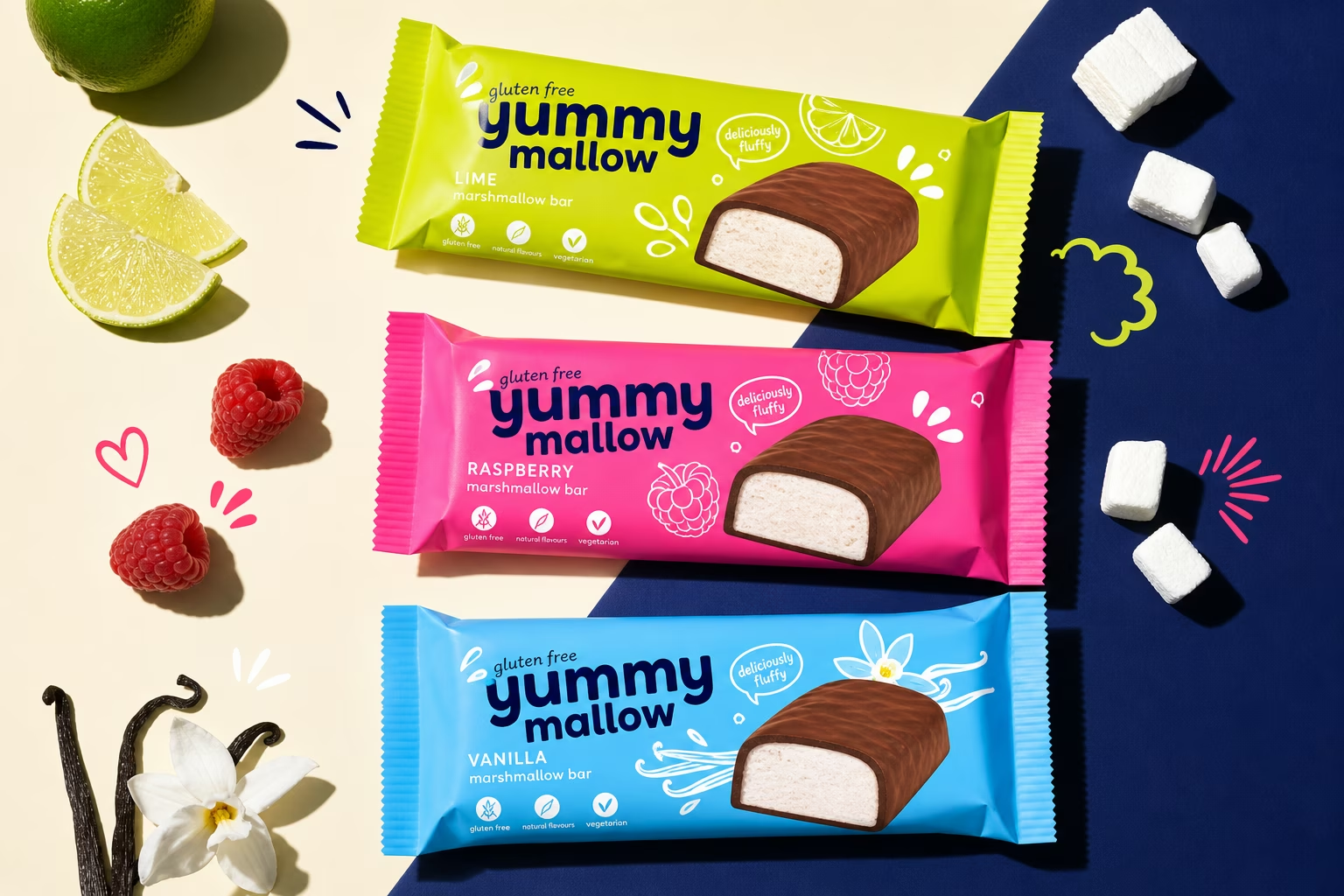
MadeGood Crispy Squares are a popular choice, available in flavors like vanilla, chocolate, and strawberry. These bars are certified gluten free and also free from most common allergens, making them suitable for school lunches and shared environments. They use brown rice and are fortified with vegetable extracts for added nutrients.
Nature’s Path also produces EnviroKidz Crispy Rice Bars, which are certified gluten free and come in kid friendly flavors like chocolate and berry. Annie’s Homegrown offers another option with their Organic Crispy Snack Bars, clearly labeled gluten free and made with organic ingredients. Each of these brands provides the convenience of a grab and go treat without the gluten risk.
How to Read Labels for Hidden Gluten in Pre Made Snacks
Beyond malt flavoring, watch for wheat starch, modified food starch that does not specify its source, and hydrolyzed wheat protein. These ingredients appear in processed snack foods more often than you might expect. A product that looks like a simple marshmallow and cereal bar can contain surprising additives.
The safest approach is sticking with products that carry a certified gluten free seal. This seal means the manufacturer follows strict protocols to prevent cross contamination and tests finished products to verify gluten levels remain below 20 ppm. For a deeper dive into ingredient verification and safe snacking strategies, revisit The Ultimate Gluten-Free Guide: Foods, Substitutes & Living Well Without Gluten where pantry essentials are broken down in detail.
When someone asks “are rice krispie treats gluten free” they are often standing in a grocery store aisle, phone in hand, trying to make a quick decision. The short answer is that traditional Kellogg’s Rice Krispie Treats are not safe, but several excellent alternatives now fill that gap. With a little label literacy and a willingness to try new brands, you can satisfy that marshmallowy, crispy craving without compromising your health.
“The gluten free snack market has grown exponentially over the past decade. Consumers today have access to safe, delicious options that simply did not exist a generation ago.”
Cynthia Kupper, Registered Dietitian and Former CEO, Gluten Intolerance Group
Living gluten free does not mean giving up the treats you love. It means learning which ingredients to avoid, which brands to trust, and how to recreate classics in your own kitchen. Rice krispie treats, once firmly off the table, are now firmly back on it thanks to certified gluten free cereals, safe marshmallows, and a growing number of packaged alternatives. The next time nostalgia hits and you want a square of buttery, crispy, marshmallow goodness, you will know exactly how to make it happen safely.
Are all crispy rice cereals gluten free?
No, not all crispy rice cereals are gluten free. It’s important to check for a certified gluten free label and inspect the ingredient list for any gluten containing additives like malt flavoring.
What is the best way to ensure my homemade treats are gluten free?
Use certified gluten free ingredients and maintain a clean cooking environment to avoid cross contamination. Double check all ingredient labels for hidden gluten sources.
Can I substitute other ingredients in gluten free rice krispie treats?
Yes, you can add ingredients like chocolate chips or use different types of butter, but ensure all additions are also gluten free to maintain the treat’s safety.
What should I do if I can’t find gluten free Rice Krispies?
Look for alternative brands that offer certified gluten free crispy rice cereals. Nature’s Path and One Degree are popular choices.
Are marshmallows always gluten free?
Most marshmallows are naturally gluten free, but it’s crucial to verify this on the packaging, as some brands may use gluten containing additives.
Why do I need to check for cross contamination in cereals?
Cereal production facilities often use shared equipment for gluten containing and gluten free products, which can lead to trace gluten contamination.
What are some signs that a product might contain hidden gluten?
Look out for ingredients like malt flavoring, wheat starch, or modified food starch without a specified source, as these can indicate hidden gluten.