Gluten Free Alcohol: Is Vodka, Whiskey, Beer & Wine Safe?
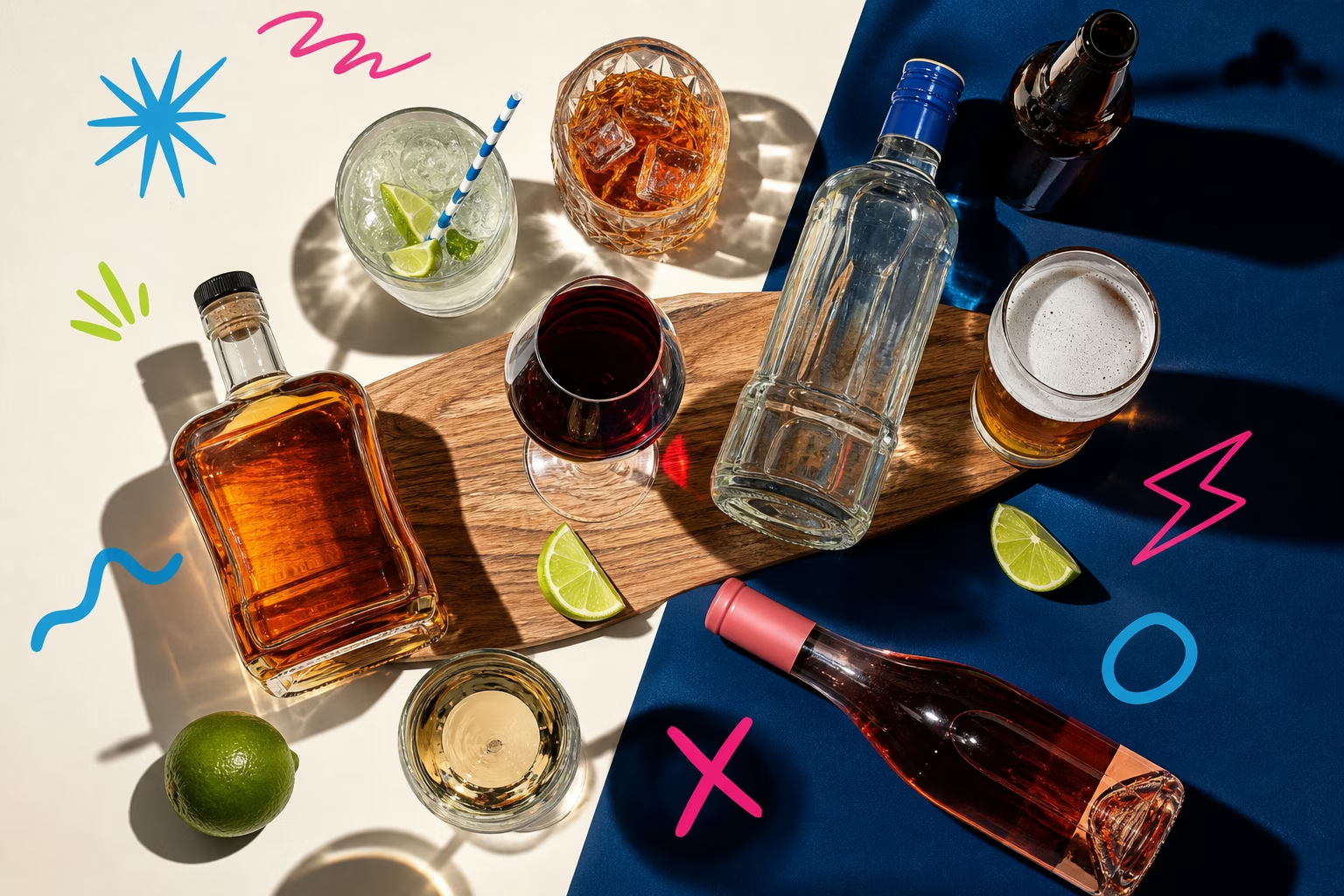
Navigating the world of gluten free alcohol can feel surprisingly complicated. You might assume that if a drink is made from wheat, barley, or rye, it is automatically off limits. But the reality is far more nuanced, and the rules that apply to solid food do not always translate neatly to what is in your glass. Understanding the science behind distillation, fermentation, and modern labeling standards is the key to making confident choices.
Whether you are newly diagnosed with celiac disease, living with gluten sensitivity, or simply exploring a gluten free lifestyle, this guide will walk you through every major category of alcohol. You will learn exactly what liquor is gluten free, which beers to avoid, and how to spot hidden gluten in ready-to-drink cocktails and flavored beverages. By the time you finish reading, you will have a clear, practical framework for choosing safe drinks every time you raise a glass.
What Does “Gluten Free” Really Mean for Alcohol?
Before diving into specific types of alcohol, it helps to understand the regulatory and scientific definitions that determine whether a drink qualifies as gluten free. The standards are not always what you might expect, and the production method often matters more than the starting ingredients.
The FDA’s 20 PPM Standard and How It Applies to Drinks
In the United States, the Food and Drug Administration (FDA) defines a gluten free product as one containing fewer than 20 parts per million (ppm) of gluten. This threshold applies to packaged foods and beverages, including alcohol regulated by the FDA. Importantly, most distilled spirits fall under the jurisdiction of the Alcohol and Tobacco Tax and Trade Bureau (TTB), which has its own labeling rules but generally aligns with the FDA’s safety threshold.
According to a 2020 FDA Guidance Document, products labeled “gluten free” must meet the 20 ppm standard, regardless of the raw materials used in production. This means that even if a spirit starts with gluten-containing grains, it can still legally and safely carry a gluten free claim if the final product tests below that limit.
“The gluten free labeling rule applies to all foods and beverages regulated by the FDA, including alcoholic beverages where the FDA has jurisdiction. The key is the final product, not the starting ingredients.”
FDA Center for Food Safety and Applied Nutrition, Gluten-Free Labeling Final Rule Guidance
Why Distillation Changes Everything for Spirits
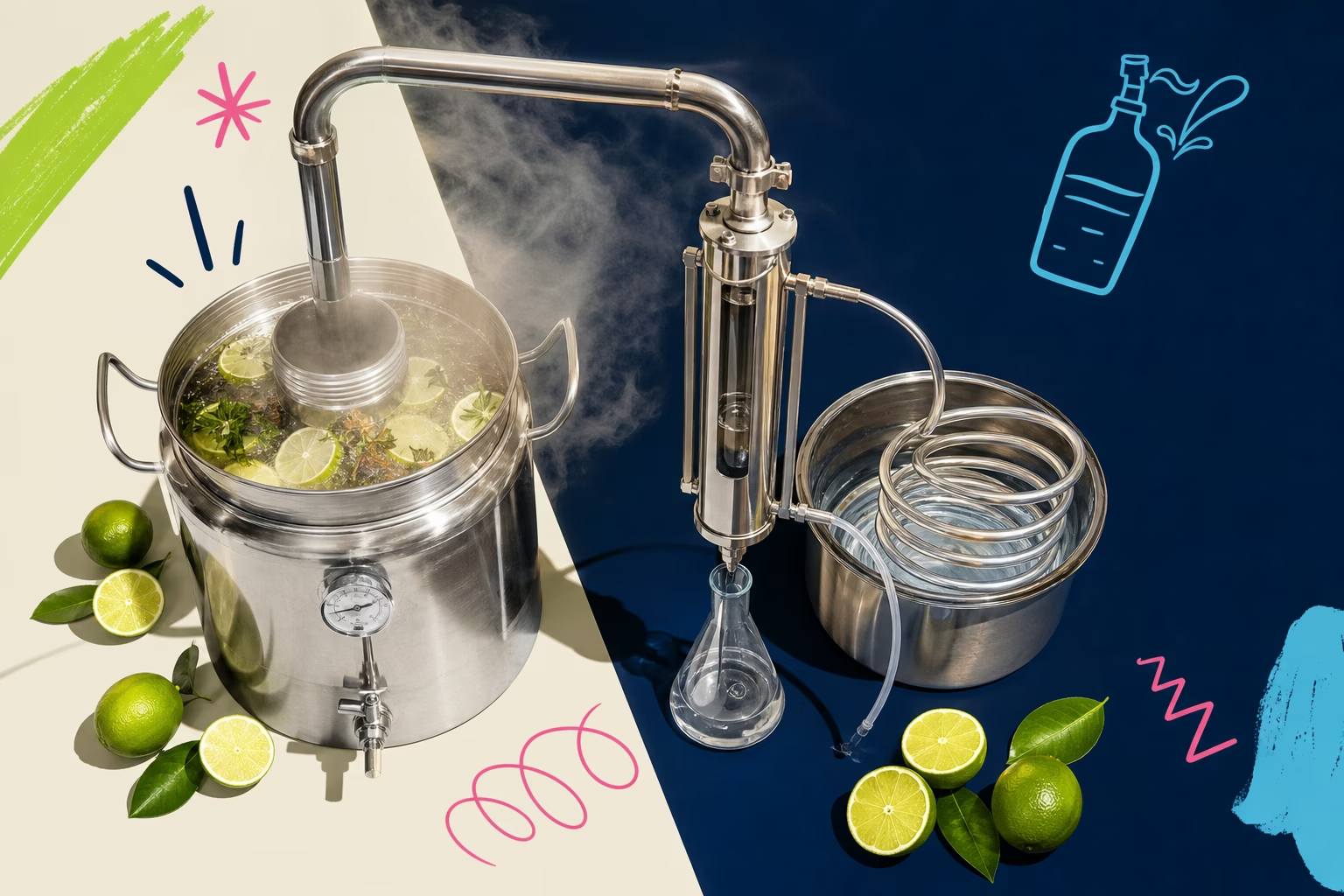
Distillation is the game changer that confuses so many people who are new to gluten free alcohol. During distillation, a fermented liquid is heated until the alcohol vaporizes, then the vapor is collected and condensed. Gluten proteins are large molecules that cannot evaporate, so they are left behind in the still, no matter what grain the alcohol started from.
This is why many experts and advocacy organizations consider distilled spirits, including those made from wheat, barley, or rye, to be safe for people with celiac disease. The distillation process effectively separates the alcohol from the proteins, resulting in a product that is gluten free by any practical measure. Still, there are important caveats, particularly regarding flavorings and additives added after distillation.
“Distilled alcohol, even when made from wheat, barley, or rye, is considered safe for people with celiac disease. The gluten protein is too large to carry over through the distillation process.”
Beyond Celiac, Research-Based Advocacy Organization
The Difference Between Grain-Based and Non-Grain-Based Alcohol
The starting material for any alcoholic beverage falls into one of two categories: gluten-containing grains or naturally gluten free bases. Wheat, barley, rye, and their derivatives contain gluten. Corn, potatoes, grapes, rice, sugarcane, agave, and apples do not. If a drink is made entirely from a gluten free base and is not contaminated during processing, it is inherently safe.
However, the base ingredient alone does not tell the full story. Flavored spirits, malt beverages, and ready-to-drink cocktails often introduce gluten after the fact through additives, malt extracts, or shared production lines. This is where careful label reading and brand research become essential tools in your gluten free diet and alcohol strategy. For a broader understanding of food safety, check out The Ultimate Gluten-Free Guide: Foods, Substitutes & Living Well Without Gluten.
Which Distilled Spirits Are Naturally Gluten Free?
Now that you understand the science of distillation, let us apply it to the spirits you are most likely to encounter. Each category has its own starting ingredients and production quirks that affect whether the final product is safe for your gluten free lifestyle.
Is Vodka Gluten Free? What You Need to Know
The short answer is yes, gluten free vodka is widely available, and most unflavored vodkas are safe regardless of their base ingredient. Vodka can be distilled from grains like wheat and rye, or from potatoes, corn, and grapes. Because of the distillation process, even wheat-based vodka should contain no detectable gluten. That said, if you are highly sensitive or simply prefer peace of mind, potato vodka and corn vodka are excellent choices.
When someone asks is vodka gluten free, the only real concern involves flavored vodkas. Post-distillation flavor infusions can sometimes include malt-based flavorings or other gluten-containing additives, though this is relatively rare with major brands. To be completely safe, stick with unflavored vodka from reputable producers, or choose brands that explicitly label their products as gluten free.
Is Whiskey Gluten Free? And What About Bourbon?
The question is whiskey gluten free generates more debate than almost any other spirit. Whiskey, by definition, is distilled from a mash of gluten-containing grains, typically barley, wheat, and rye. The distillation process removes the gluten proteins, and many people with celiac disease drink whiskey without any adverse reaction. Yet some individuals report sensitivity, which may be due to cross-contamination after distillation or to other compounds in the whiskey.
When it comes to is bourbon gluten free, the same principles apply. Bourbon is made from at least 51% corn, with the remainder typically coming from barley, rye, or wheat. The distillation step should render it gluten free, but trace cross-contamination is theoretically possible if the same equipment handles grain dust or if additives are introduced after distillation. Many celiac organizations, including the Celiac Disease Foundation, consider distilled whiskey safe. Still, if you experience symptoms, you may want to switch to spirits made entirely from gluten free grains.
“The Celiac Disease Foundation medical experts agree that all distilled spirits, including those made from wheat, barley, and rye, are gluten free and safe for people with celiac disease.”
Celiac Disease Foundation, Official Position Statement on Alcohol
Is Rum Gluten Free, Is Tequila Gluten Free, and Is Gin Gluten Free?
If you are wondering is rum gluten free, the answer is an enthusiastic yes. Rum is distilled from sugarcane or molasses, neither of which contains gluten. Unflavored rum is one of the safest choices available, though spiced and flavored rums warrant label checks for any gluten-based additives.
Similarly, when you ask is tequila gluten free, you can rest easy. Authentic tequila is made from the blue agave plant, which is naturally gluten free. The only caution applies to mixto tequilas, which can contain up to 49% other sugars. These other sugars are typically cane sugar, not gluten grains, but reading the label is always wise. Pure 100% agave tequila remains one of the cleanest options for anyone following a gluten free lifestyle.
For those asking is gin gluten free, the verdict is largely positive. Gin is distilled from grains, which may include wheat or barley, but the distillation removes gluten proteins. The botanicals used to flavor gin, such as juniper berries and citrus peels, are naturally gluten free. Most gins on the market are safe, though once again, flavored or novelty gins deserve extra scrutiny for post-distillation additions.
Is Beer Ever Safe on a Gluten Free Diet?
Beer is the category where gluten free claims matter most, because traditional beer is not distilled, and the gluten from barley and wheat remains fully present in the finished product.
Why Traditional Beer Contains Gluten
Unlike spirits, beer is brewed and fermented but not distilled. Barley, wheat, and rye grains are steeped in water to create a sugary liquid called wort, which is then fermented by yeast. Throughout this process, the gluten proteins remain intact and end up in the bottle, can, or pint glass. For anyone with celiac disease or gluten sensitivity, conventional beer is unequivocally unsafe.
So when you ask is beer gluten free, the answer depends entirely on how the beer was made. Mainstream lagers, ales, stouts, and IPAs brewed with barley or wheat are not gluten free. This includes most craft beers and virtually all mass-market brands unless they carry a specific gluten free designation.
Gluten Free Beer Options and What to Look For
The good news is that truly gluten free beer does exist. These beers fall into two categories: those brewed with naturally gluten free grains like sorghum, millet, rice, and buckwheat, and those made with barley but treated with an enzyme that breaks down gluten proteins. The latter are often labeled “gluten removed” rather than “gluten free,” and they remain controversial within the celiac community.
If you are committed to a strict gluten free diet, seek out beers made from 100% gluten free grains and labeled accordingly. These products are tested to ensure they meet the 20 ppm threshold and are generally considered safe. Gluten removed beers, while widely available, may still trigger reactions in some individuals, so approach them with caution and consult your healthcare provider. For more guidance on identifying safe products, refer to The Ultimate Gluten-Free Guide: Foods, Substitutes & Living Well Without Gluten.
What About Wine, Hard Seltzers, and Other Drinks?
Beyond beer and spirits, a huge and growing category of alcoholic beverages sits in the middle ground. Wine, hard seltzers, canned cocktails, and malt beverages each have their own rules when it comes to gluten.
Are White Claws Gluten Free? Understanding Hard Seltzers
The rise of hard seltzers has been a boon for the gluten free community. When you ask are white claws gluten free, the answer is yes. White Claw hard seltzer is made from a base of fermented cane sugar, with no gluten-containing grains involved in its production. The brand also states that its products are gluten free, giving consumers an extra layer of confidence.
More broadly, gluten free hard seltzer options dominate the market. Most hard seltzers are brewed from sugar, corn, or rice rather than malted barley, making them inherently safe. However, not all seltzers follow this formula. Some budget or regional brands use malt liquor as their alcohol base, which introduces gluten. Always check the label for “malt beverage” language, as that is a clear indicator that gluten may be present.
Are High Noons Gluten Free and Are Twisted Teas Gluten Free?
When it comes to are high noons gluten free, the brand delivers good news. High Noon Sun Sips are made with vodka and real fruit juice, and the vodka base means the alcohol has been distilled, rendering it gluten free. The company confirms that all of their products are gluten free, making them a solid choice for poolside or party settings.
The question are twisted teas gluten free requires a more careful answer. Twisted Tea is a malt beverage, meaning its alcohol comes from fermented barley malt. This puts it firmly in the “contains gluten” category and makes it unsuitable for anyone with celiac disease or gluten sensitivity. Malt beverages, including many wine coolers and flavored malt drinks, are among the highest-risk products for gluten exposure.
“Hard seltzers made from cane sugar or corn sugar are inherently gluten free. The concern arises when manufacturers use malted barley as the fermentable sugar source, which introduces gluten into the final product.”
Tricia Thompson, MS, RD, Founder of Gluten Free Watchdog
Gluten Free Hard Seltzer and Cider: The Safe Bets
If you want to minimize label-reading stress, hard cider and cane-sugar-based hard seltzers are your most reliable categories. Hard cider is fermented from apples or pears, neither of which contains gluten, and most commercial ciders are produced without any gluten-containing additives. Similarly, the majority of nationally distributed hard seltzers use gluten free fermentation bases and clearly label their products.
Building a short list of go-to brands can simplify your social life enormously. When you know which drinks are safe without having to research them every time, you eliminate a significant source of anxiety. Stick with brands that voluntarily disclose their gluten free status and have transparent production practices.
How to Order Gluten Free Alcohol Safely at Bars and Restaurants
Knowing the theory is one thing, but applying it in a noisy bar or busy restaurant requires a different set of skills. Cross-contamination, shared equipment, and undertrained staff can all introduce risk, even when the base spirit is safe.
Questions to Ask Your Bartender
A good bartender can be your best ally, provided you know what to ask. Start with a simple, direct question about the base spirit, then follow up about any mixers, syrups, or garnishes that might contain gluten. Watch the bartender’s process if possible, and do not hesitate to request a clean shaker and strainer if you see them using the same tools for multiple drinks.
The exact phrasing matters. Instead of asking a broad question like “Is this safe?”, try being specific. Ask what the drink is made from, whether any liqueurs or flavored syrups contain malt, and if the establishment has a dedicated gluten free cocktail menu. Bartenders who can answer these questions confidently are usually working in kitchens and bars that take allergen protocols seriously.
Red Flags and Hidden Sources of Gluten in Mixed Drinks
Mixed drinks introduce variables that do not exist when you are pouring a neat spirit at home. Malt-based liqueurs, some flavored vodkas and rums, pre-made sour mixes, and even certain brands of bitters can contain gluten. Bloody Mary mixes are another common culprit, as some include worcestershire sauce or beer as an ingredient.
Draft lines present a less obvious but equally real risk. If a bar serves gluten free cider or seltzer on the same tap line previously used for beer, cross-contamination can occur. Asking for your drink in a can or bottle is the simplest way to avoid this problem entirely.
“When dining out or drinking at a bar, the biggest threats are not usually the base alcohol but rather the mixers, shared equipment, and lack of staff training around allergen protocols.”
National Celiac Association, Dining Out Guidelines
Building a Personal Safe Drink List
The ultimate goal is to walk into any social setting with a mental shortlist of drinks you can order without hesitation. For most people on a gluten free diet, that list includes wine, hard cider, pure agave tequila, rum, gin, potato vodka, corn vodka, and certified gluten free beer. Hard seltzers with a clear gluten free label earn a spot on the roster as well.
Write down your safe brands and favorite drink orders in a notes app on your phone so you never have to rely on memory when you are distracted or in a hurry. The more you practice these choices, the more automatic they become. Over time, navigating gluten free alcohol stops feeling like a chore and simply becomes part of how you enjoy a night out. For additional resources on living a full, unrestricted gluten free life, visit The Ultimate Gluten-Free Guide: Foods, Substitutes & Living Well Without Gluten.
Is all vodka gluten free?
Most unflavored vodkas are gluten free due to the distillation process, even if they are made from gluten-containing grains. However, flavored vodkas may contain gluten, so always check the label.
Can people with celiac disease drink whiskey?
Many people with celiac disease can safely consume whiskey because the distillation process removes gluten. However, some individuals may still experience sensitivity due to cross-contamination or other compounds.
Are all hard seltzers gluten free?
Most hard seltzers are gluten free as they are made from fermented sugars like cane sugar or corn. Always check the label to ensure no malt liquor, which contains gluten, is used.
What should I ask a bartender to ensure my drink is gluten free?
Inquire about the base spirit, any mixers or syrups used, and if the bar has a dedicated gluten free menu. Ensure no cross-contamination with shared equipment.
Is it safe to drink gluten removed beer?
Gluten removed beers may still cause reactions in some individuals. If you have celiac disease, it’s safer to stick with beers brewed entirely from gluten free grains.
Why is beer generally not gluten free?
Beer is brewed from gluten-containing grains like barley and wheat, and the gluten remains intact in the final product, unlike distilled spirits.
How can I identify gluten free alcohol in stores?
Look for products labeled as gluten free. Check the ingredient list and research brands known for safe production practices.