Is Risotto Gluten Free? Best GF Rice Dishes to Make at Home
What Makes Risotto a Potential Gluten Trap?
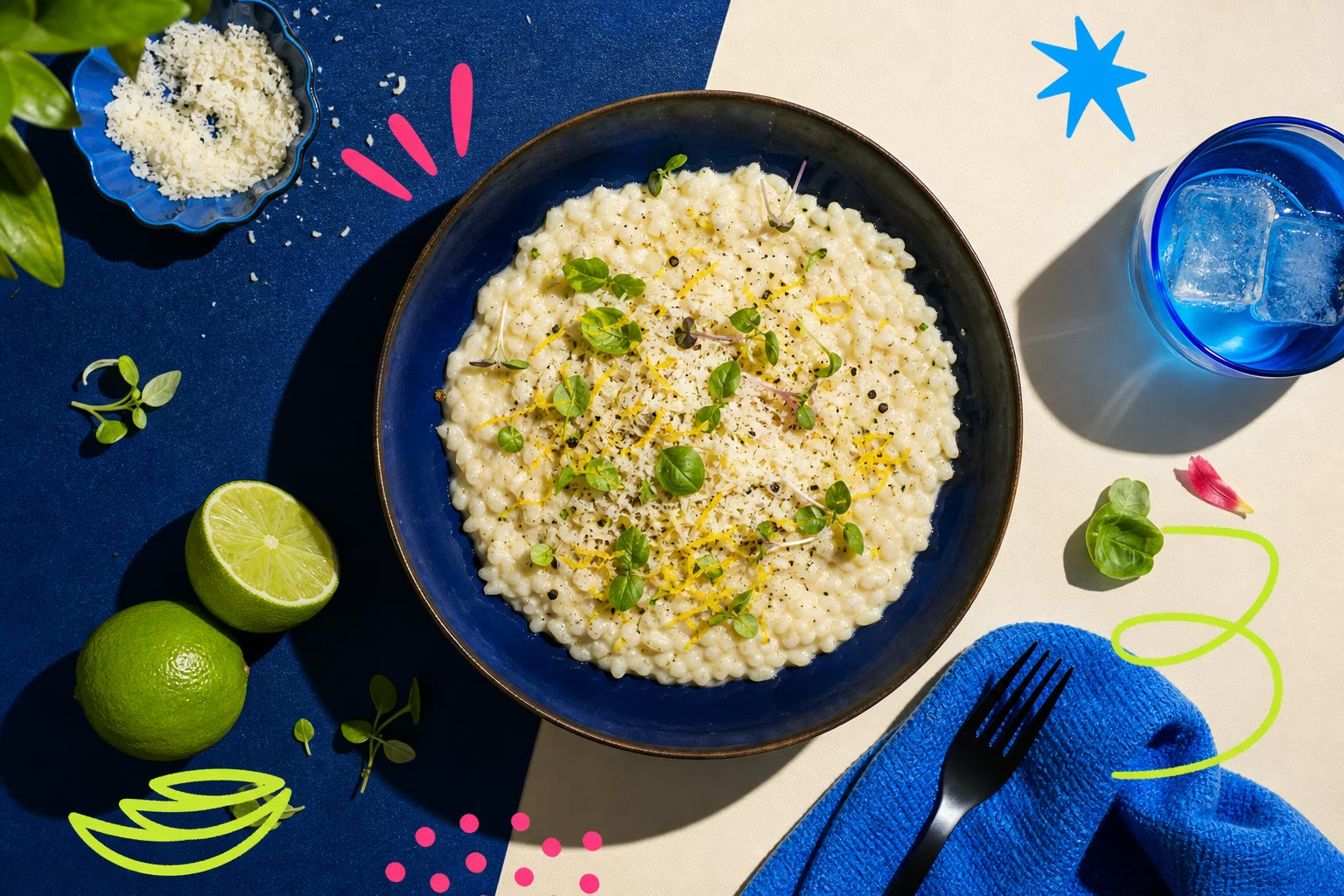
Risotto feels like a safe bet: creamy, comforting, and built on a hill of rice. And you would be right to trust that base. Rice, in its pure form, is naturally gluten free. But the trouble rarely starts with the grain. It hides in the liquids, the seasonings, and even the pan you use. If you have celiac disease or a gluten sensitivity, a beautiful bowl of risotto at a restaurant can quickly become a roulette spin. Understanding exactly where gluten can sneak in is your first line of defense.
According to a 2023 update from the Celiac Disease Foundation, all varieties of plain rice (white, brown, arborio, basmati, jasmine) are safe ingredients for a gluten-free diet. The foundation emphasizes that the danger arises when grains are processed or cooked with gluten-containing additives. This is exactly why risotto, a dish defined by its technique more than its ingredient list, requires such mindful preparation.
The Arborio Rice Is Safe, but the Add-Ins Are Not
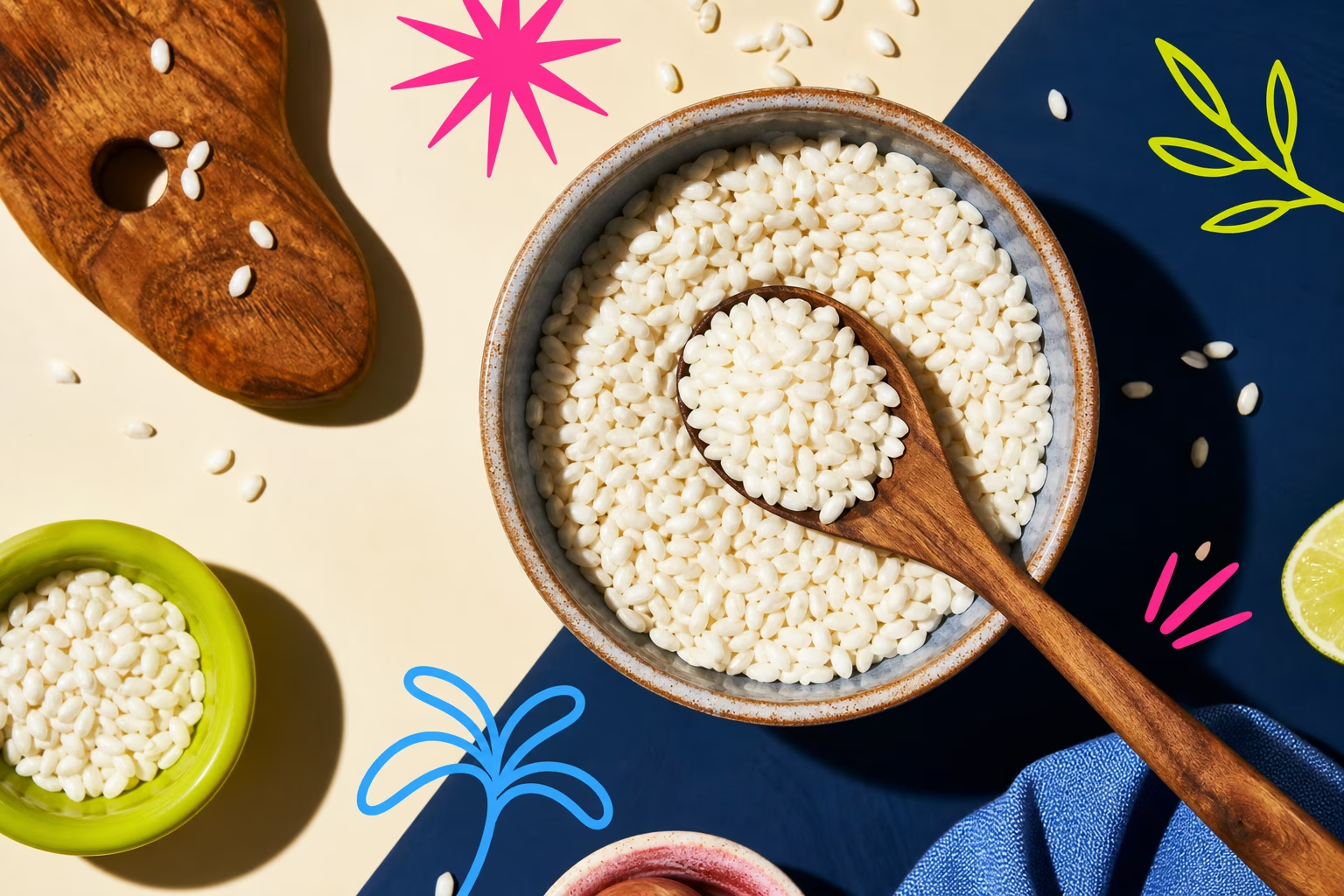
Arborio rice is the classic choice for risotto. Its high starch content releases slowly, creating that signature velvety texture. You can also use carnaroli or vialone nano, and all three are naturally gluten free. The moment you reach for a packet of pre-seasoned “risotto mix,” though, the story changes. These convenience products often contain powdered broth, maltodextrin from wheat, or hydrolyzed wheat protein, all of which can trigger a reaction.
Fresh ingredients like vegetables, garlic, and herbs are your allies. Frozen or canned vegetables sometimes carry a risk of cross-contamination on the processing line, so always scan for a certified gluten-free label if you feel uncertain. A plain bag of frozen peas is typically safe, but a medley with a sauce packet rarely is. The same caution applies to cheese. High-quality Parmesan is naturally gluten free, but pre-shredded bags might use wheat starch to prevent clumping. Check the label every single time.
Broth, Wine, and Seasoning: The Sneaky Sources
Too many home cooks learn this lesson the hard way. You follow a recipe, pour in a store-bought broth, and suddenly your stomach rebels. Many commercial broths and bouillon cubes are thickened with wheat or use barley-based yeast extract. In a Beyond Celiac survey, over 40% of participants reported an accidental gluten exposure from soup stock or broth. Always choose a broth labeled “certified gluten-free” or make your own by simmering chicken bones and vegetables.
Wine, used in the deglazing step, is almost always gluten free because it is fermented from grapes. The only exception arises with some flavored wine products or coolers, which a traditional risotto recipe won’t use. Seasoning blends, especially those labeled “Italian seasoning” or “poultry seasoning,” sometimes contain anti-caking agents derived from wheat. You are safest using individual dried herbs from a trusted source, or fresh herbs you chop yourself.
“Risotto is a blank canvas; its safety depends entirely on what you paint with. Always verify your broth and cheese are certified gluten-free.”
Anne Lee, EdD, RDN, LD, Celiac Disease Dietitian and Educator
Cross-Contact: Why Your Kitchen Setup Matters
Cross-contact is different from cross-contamination. It happens when a gluten-free food touches a surface or utensil that has gluten residue on it, and even a crumb can cause damage to someone with celiac disease. Your beloved wooden spoon? It can harbor gluten in its fibers. The colander you used to drain wheat pasta last night? If it has not been thoroughly washed, or is made of plastic with microscopic scratches, it remains a threat.
Invest in a dedicated gluten-free stirring spoon, a separate cutting board, and a pot that is only used for gluten-free cooking if you share a kitchen. If that is not possible, wash all tools with hot, soapy water and a fresh sponge before starting. This is the reality of safe cooking.Our Ultimate Gluten-Free Guide walks you through setting up a shared kitchen without losing your mind.
How Do You Make Foolproof Gluten Free Risotto?
Once you have assembled your safe ingredients, the cooking process becomes a meditative rhythm. You do not need culinary school skills, just a little patience and a willingness to stir. The payoff is a dish that tastes like a five-star restaurant meal, made entirely on your own terms.
Step-by-Step: Perfectly Creamy Gluten Free Risotto
This method works for a basic Parmesan risotto, which acts as a foundation for endless variations. You can fold in sautéed mushrooms, roasted butternut squash, or seared scallops at the end.
Step 1: Sauté Aromatics in Olive Oil or Butter
Heat a wide, heavy skillet over medium heat. Add two tablespoons of olive oil or a nub of unsalted butter. Toss in finely chopped shallots or onion and cook until they turn soft and translucent, about 3 minutes. Stir in minced garlic for the final 30 seconds. The aroma will tell you things are heading in the right direction.
Step 2: Toast the Rice Until Glossy
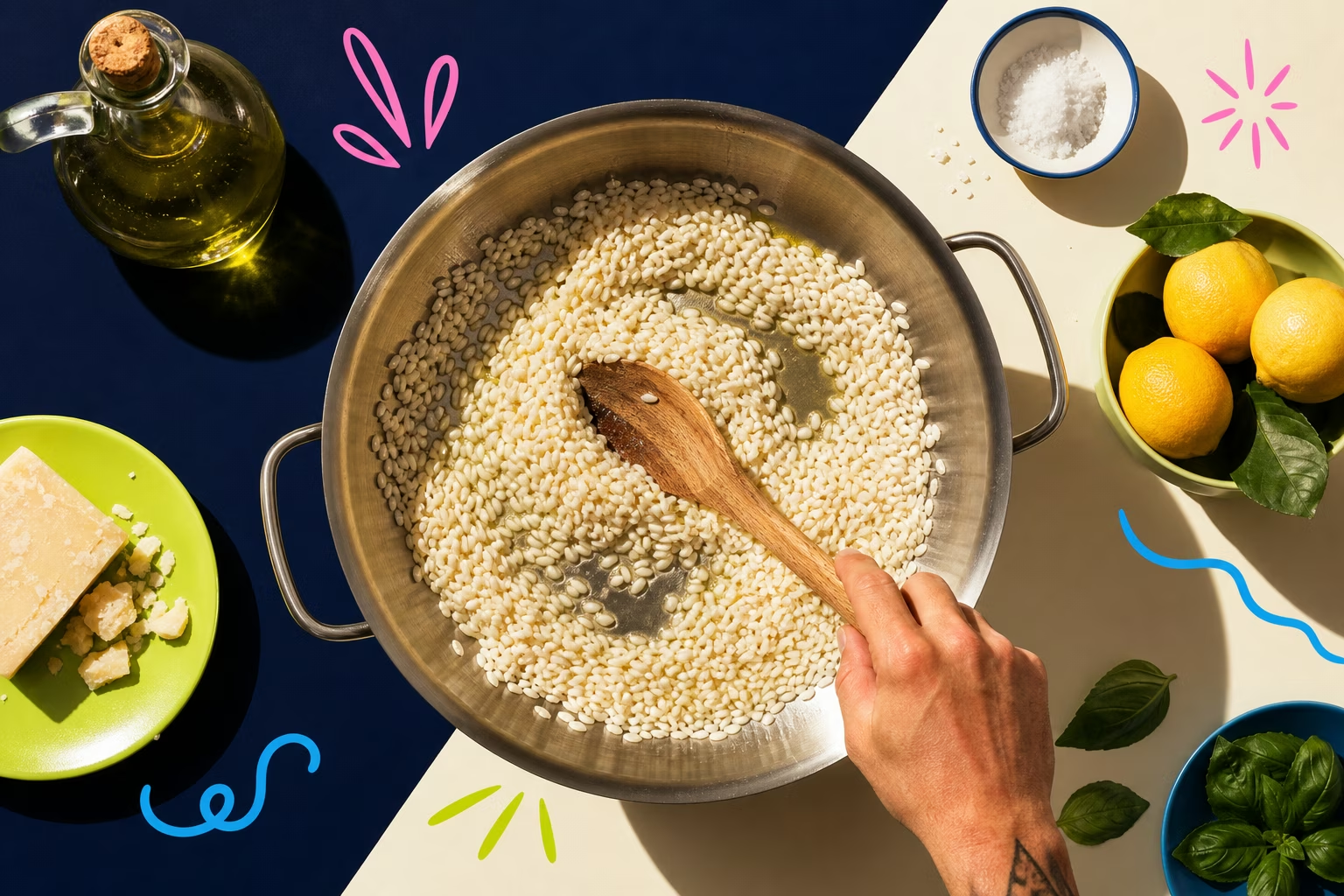
Pour in one cup of arborio rice. Stir to coat each grain in the fat, and keep stirring for about 2 minutes. You will see the edges of the rice turn slightly translucent while the center stays opaque. This toasting step seals the outer starch, which helps the grains keep their shape while releasing creaminess later.
Step 3: Deglaze with White Wine (If Safe)
Pour in half a cup of dry white wine. Stir until the wine is almost completely absorbed. The alcohol cooks off and leaves a bright, acidic backbone that balances the richness. If you avoid alcohol, replace the wine with an extra ladle of warm broth and a squeeze of lemon juice to mimic that lift.
Step 4: Add Warm Broth, One Ladle at a Time
Keep your pot of certified gluten-free broth simmering on the back burner. Add one ladleful (roughly half a cup) to the rice and stir gently. Do not dump it all in at once. Wait until the liquid is mostly absorbed before adding the next ladle. This slow dance coaxes out the starch and binds the dish without any cream or flour. The whole process takes 18 to 20 minutes.
Step 5: Finish with Parmesan and a Pat of Butter
Off the heat, stir in a generous handful of freshly grated Parmesan and a tablespoon of cold butter. Beating them in at this final moment, called mantecatura, gives the risotto its luxurious, flowing texture. Taste for salt and pepper.
Step 6: Taste and Adjust, Then Serve Immediately
Risotto waits for no one. Spoon it into warm bowls and serve it right away while it is still lava-hot and perfectly loose. If it thickens too much, stir in a splash of hot broth to bring it back to life.
“Risotto is one of the first dishes I teach new gluten-free cooks. It is simple, elegant, and almost impossible to mess up if you use clean ingredients.”
Silvana Nardone, Gluten-Free Chef and Author of Silvana’s Kitchen
Common Mistakes That Can Ruin Your Risotto’s Safety
The most heartbreaking mistake is forgetting that the stirring spoon was used in a pot of wheat pasta days ago. Another is reaching for a dusting of flour to thicken the risotto (never do this; the rice starch does all the work). Some cooks accidentally use a soy sauce drizzle for umami, but standard soy sauce contains wheat. If you want that depth, buy a certified gluten-free tamari. Also, be wary of truffle oil. Many synthetic truffle oils use a wheat-derived carrier oil. A true Italian extra-virgin olive oil is a better, safer finish.
What Are the Best Gluten Free Rice Dishes to Make at Home?
Risotto is a star, but your rice repertoire should not end there. Rice is one of the most versatile, budget-friendly canvases in the gluten-free world. You can build entire meals around it without ever feeling restricted.
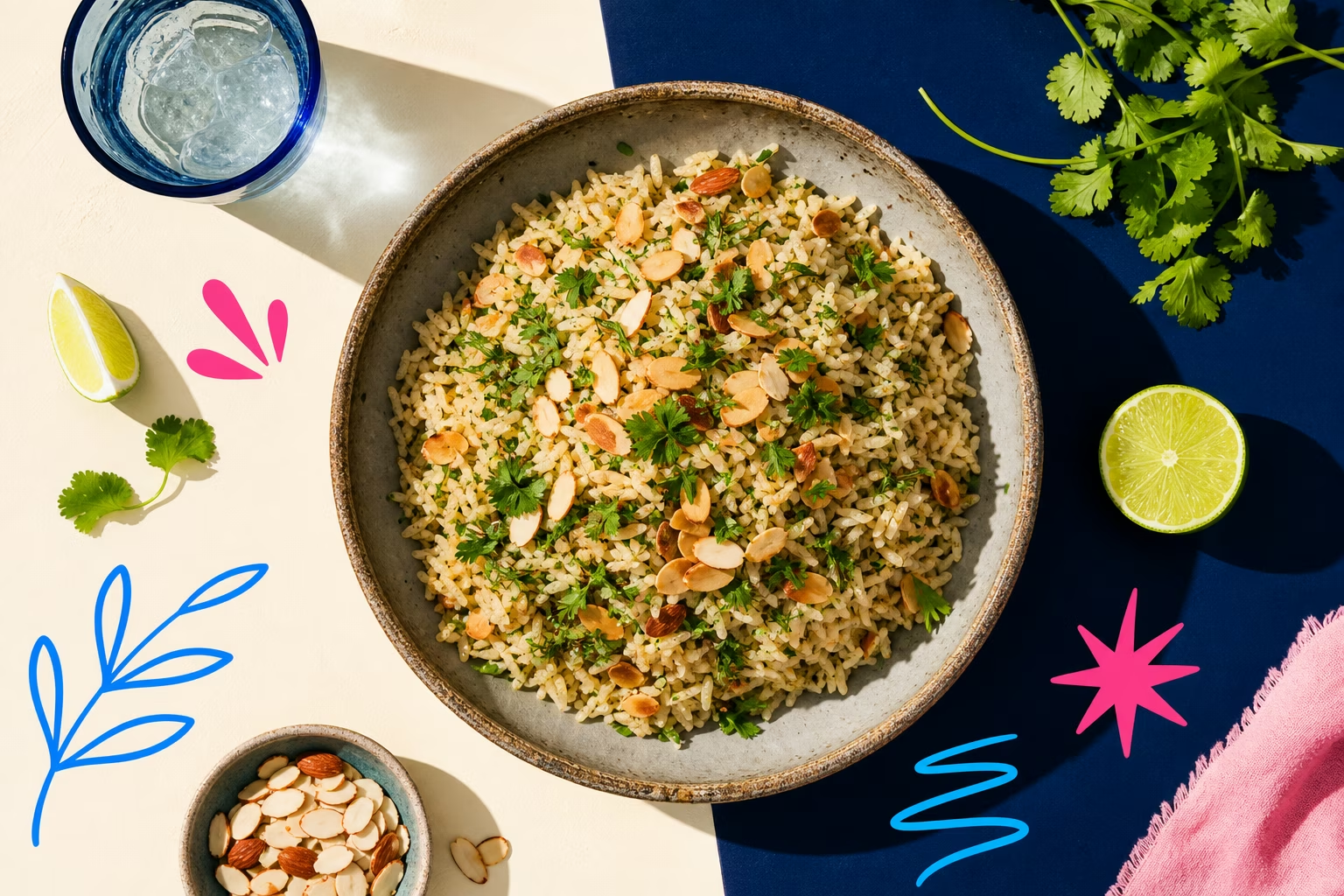
Classic Rice Pilaf with Herbs and Toasted Almonds
This dish feels fancy but comes together in 25 minutes. Sauté a handful of broken gluten-free spaghetti or orzo (yes, gluten-free orzo exists now) in butter until golden, then add basmati rice, chicken broth, and a bay leaf. Fluff with a fork and toss with fresh parsley and toasted slivered almonds. No stirring required, just perfect texture.
Hearty Jambalaya (Without the Flour-Based Roux)
Traditional jambalaya does not rely on a flour roux the way gumbo does, making it naturally easy to adapt. Sauté your holy trinity (onion, celery, bell pepper) in oil, add sliced andouille sausage (double-check for gluten), diced chicken, canned tomatoes, long-grain rice, and a Cajun seasoning blend you have vetted for safety. Simmer until the rice absorbs every bit of smoky goodness.
Simple Spanish Rice with a Gluten Free Twist
Forget the boxed mixes. Toast long-grain rice in a little oil with minced garlic, then pour in a mixture of pureed fresh tomatoes, chicken stock, and a pinch of cumin. Let it steam, covered, until fluffy. Flaked sea salt and a squeeze of lime at the table wake everything up.
Are Rice Krispies Gluten Free? The Surprising Truth
Now we arrive at a question that breaks many hearts: are rice krispies gluten free? The answer for the iconic Kellogg’s brand is a sad no. The reason is right there on the label: malt flavoring. Malt is derived from barley, a gluten-containing grain, and the amount is enough to make this cereal unsafe for anyone with celiac disease.
“The malt flavoring in regular Rice Krispies is derived from barley, which contains gluten. Always look for brands specifically labeled gluten-free.”
National Celiac Association, Statement on Gluten-Free Cereals
How to Make Your Own Gluten Free Crispy Rice Treats
Thankfully, several companies produce gluten-free crispy rice cereals. Brands like Nature’s Path, One Degree, and Barbara’s offer certified gluten-free options made with brown rice and no malt. To make the classic marshmallow treats, melt butter and marshmallows in a pot, stir in the cereal, and press into a greased pan. Use a certified gluten-free marshmallow brand (most are safe, but check for starch). The result is a nostalgic dessert that disappears in minutes. If you want a full list of safe snack swaps, our Ultimate Gluten-Free Guide has an entire section dedicated to cereals and treats.
Are There Other Gluten Free Grains and Noodles Worth Trying?
Rice will anchor your cooking, but exploring other gluten-free grains and pastas keeps mealtime exciting. Two of the most common questions from new gluten-free eaters involve buckwheat and egg noodles, and both have answers that might surprise you.
Is Buckwheat Gluten Free? Yes, and It Makes a Great Risotto
Buckwheat is a notorious trickster. Despite the word “wheat” in its name, buckwheat is not a type of wheat at all. It is a fruit seed related to rhubarb and sorrel, and it is completely gluten free. The grocery store can still be tricky, though. Buckwheat is often processed on equipment shared with wheat, so you must look for a package labeled “certified gluten-free.”
Kasha, or toasted buckwheat groats, has an intense, nutty, almost smoky flavor that stands up beautifully to mushrooms, thyme, and a blanket of melted Gruyère. It becomes a stunning winter meal that is both rustic and refined.
“Buckwheat is a powerhouse of nutrition, rich in fiber and antioxidants, and its distinct earthy taste pairs beautifully with mushrooms and cheese.”
Joy Bauer, MS, RDN, Health and Nutrition Expert
How to Cook Buckwheat Risotto for a Nutty Flavor
The method is similar to rice risotto, but with a shorter cooking time. Rinse one cup of gluten-free buckwheat groats and toast them in a dry pan until fragrant. In a separate skillet, sauté onions in butter, then add the groats. Ladle in hot vegetable or mushroom broth in stages, stirring frequently. After 10 to 12 minutes, when the groats are tender but still have a slight bite, finish with a handful of sharp cheddar and fresh thyme. It is comfort in a bowl without a single grain of rice.
Gluten Free Egg Noodles: A Home Cook’s Guide
The phrase “egg noodles” conjures images of chicken soup and buttery side dishes, but traditional egg noodles are made from wheat flour and egg yolks. So where does that leave you? Enter gluten free egg noodles, which replicate that chewy, wide ribbon texture using a blend of rice flour, corn flour, tapioca, or potato starch. Brands like Jovial, Taste of Thai, and Manischewitz now offer gluten-free egg noodle options available in many mainstream grocery stores.
Are all types of rice gluten-free?
Yes, all types of plain rice are naturally gluten-free, including white, brown, arborio, basmati, and jasmine rice.
What should I look for in gluten-free broth?
Ensure the broth is labeled “certified gluten-free” to avoid any wheat-based thickeners or barley yeast extracts.
Can I use flavored wine in my risotto?
It is best to stick with dry white wines without added flavors to ensure they are gluten-free.
How can I prevent cross-contact in my kitchen?
Use dedicated utensils and cookware for gluten-free cooking, and clean all surfaces thoroughly to avoid gluten residue.
Are there gluten-free alternatives to Rice Krispies?
Yes, brands like Nature’s Path and One Degree offer gluten-free crispy rice cereals made without malt flavoring.
What makes buckwheat gluten-free?
Buckwheat is a fruit seed, not a cereal grain, and is naturally gluten-free, despite its name.