How to Find the Best Gluten Free BBQ Sauce and Safe Condiments
Navigating the condiment aisle can feel like a minefield when you are living gluten free. From tangy barbecue sauces to creamy salad dressings, hidden gluten lurks in many everyday favorites. You might assume that ketchup or mayo are safe, but ingredients like malt vinegar, modified food starch, and soy sauce can quickly derail your diet. The good news is that with the right knowledge, you can enjoy a world of flavor without compromise. This guide walks you through everything you need to know about selecting gluten free bbq sauce and other staple condiments, ensuring your meals are both delicious and safe.
According to a 2024 report from the Celiac Disease Foundation, the gluten-free market continues to expand as awareness grows, but condiments remain a frequent source of accidental exposure. The key is understanding what to look for on labels and mastering a few simple swaps. With this guide, you will learn to stock your pantry with confidence, whether shopping for store-bought brands or whipping up homemade versions.
What Ingredients Make a BBQ Sauce Gluten Free?
Gluten free bbq sauce starts with understanding the ingredients. Traditional barbecue sauces often contain thickening agents, flavor enhancers, or fermented products that introduce gluten. Barley, rye, and wheat derivatives are the main culprits. When you scan a label, your radar should pick up on anything derived from these grains. Let’s break down what to avoid and what to embrace so your next cookout is worry free.
Most base ingredients in BBQ sauce, like tomatoes, vinegar, and sweeteners, are naturally gluten free. The trouble comes from additives. Learning to spot them puts you back in control, whether you are buying off the shelf or making your own batch at home.
Common Gluten-Containing Ingredients in BBQ Sauce
Certain ingredients raise immediate red flags. Malt vinegar, derived from barley, is a common offender in many sauces. Soy sauce, unless labeled gluten free, typically contains wheat. Modified food starch can come from wheat, though in the US, it is often corn-based. Natural flavorings might mask gluten sources, so verification is essential. Always look for explicit gluten free labels or certifications.
A 2021 study from the Gluten Intolerance Group noted that accidental gluten ingestion often stems from condiments and sauces. This makes education your first line of defense. By memorizing these risky ingredients, you can quickly rule out unsafe products.
How to Read Labels for Gluten Free BBQ Sauce
Label reading is your superpower in the grocery store. Start by checking for a gluten-free certification seal, such as from the Gluten-Free Certification Organization (GFCO). Then, scan the ingredient list for wheat, barley, rye, or malt. Even if a product seems safe, call the manufacturer if you have any doubts. Cross-contamination during production can also be an issue, so certified products offer an extra layer of security.
“Consumers must scrutinize labels not just for gluten ingredients but for processing aids that may introduce cross-contact.”
Marilyn Geller, CEO, Celiac Disease Foundation
Look for terms like “maltodextrin,” which is usually gluten free but can occasionally derive from wheat, and always confirm via the company’s website or a quick phone call. Empower yourself with the habit of checking every time, since formulations can change.
Is Ketchup Gluten Free? A Deep Dive into Tomato-Based Condiments
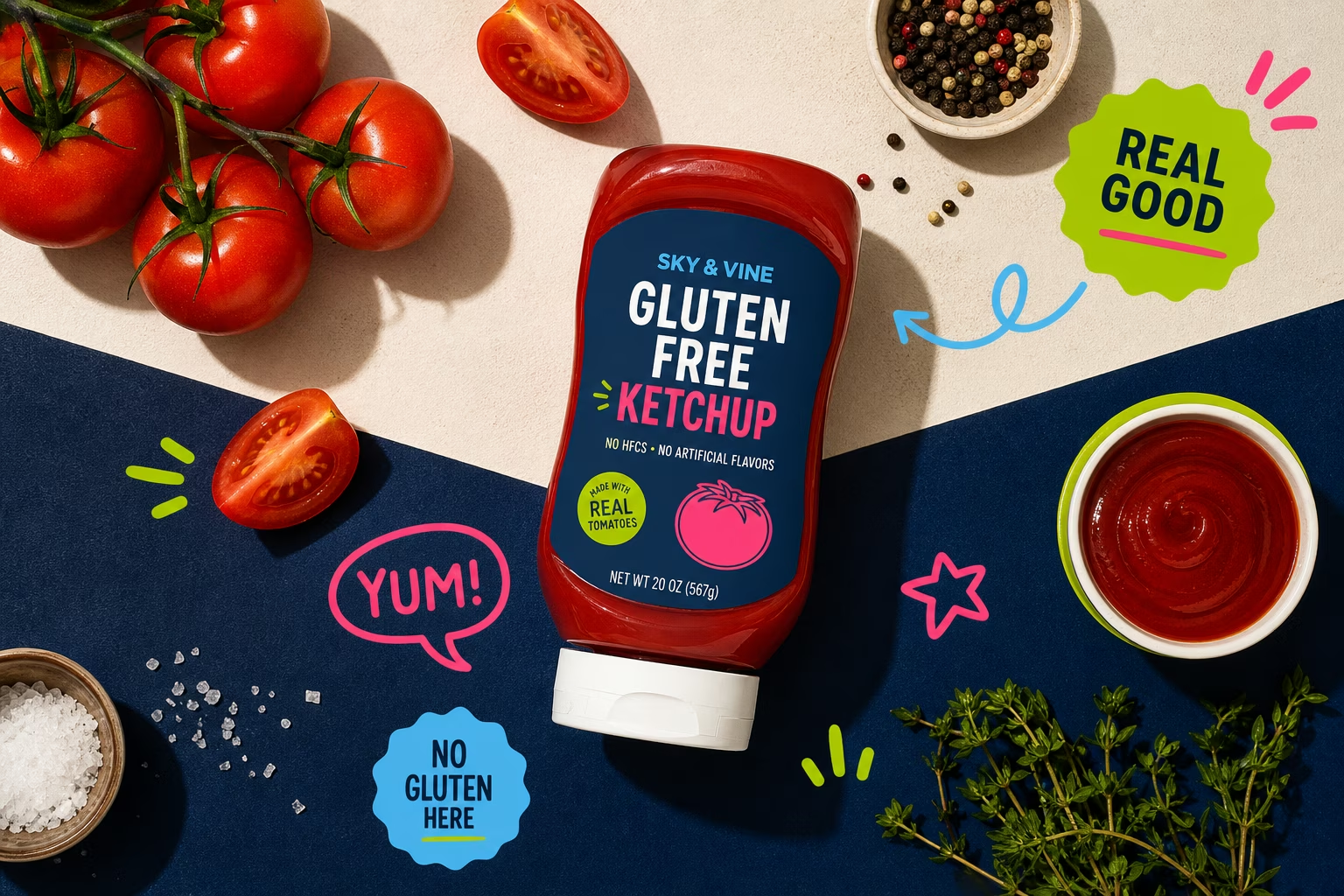
Ketchup is a staple in most kitchens, and the short answer is yes, most ketchup is gluten free. However, cross-contamination risks or niche flavored varieties can introduce gluten. The classic recipe relies on tomatoes, vinegar, sugar, and spices, all typically safe components. Still, you should not let your guard down, especially with gourmet or imported brands that might use less common ingredients.
For those who prefer total control, making your own ketchup is surprisingly simple. It also allows you to tweak the sweetness or tang to your liking while guaranteeing gluten-free status. Let’s explore both store-bought and homemade paths.
What to Look for in Gluten Free Ketchup
When choosing ketchup, stick to trusted national brands that clearly label their products gluten free. Heinz, for example, states that their ketchup is gluten free. Avoid brands that use barley-based vinegar or ambiguous natural flavors without clarification. Organic or small-batch ketchups might be safe, but always verify. A quick scan of the label takes seconds and saves you from discomfort later.
Budget-friendly options are often just as safe as premium ones. The key is consistency in your checking routine. If a bottle lacks a gluten-free claim, it does not automatically mean it contains gluten, but it warrants a closer look at the manufacturing process.
DIY Gluten Free Ketchup Recipe Steps
Homemade ketchup puts you firmly in the driver’s seat. It requires just a few pantry ingredients and minimal effort. Within an hour, you can have a fresh, flavorful batch ready for burgers, fries, and more.
Step 1: Gather Ingredients
You will need one 6-ounce can of tomato paste, one quarter cup of apple cider vinegar, two tablespoons of honey or brown sugar, half a teaspoon of garlic powder, half a teaspoon of onion powder, and a pinch of salt and cloves. Confirm all individual ingredients are gluten free.
Step 2: Simmer the Sauce
Combine all ingredients in a small saucepan. Whisk until smooth. Bring to a gentle simmer over medium heat, then reduce the heat to low. Cook for 15 minutes, stirring occasionally. Let it cool before transferring to a glass jar. Store in the refrigerator for up to two weeks.
Are Mayo and Ranch Dressing Gluten Free? Unpacking Creamy Condiments
Creamy condiments like mayonnaise and ranch dressing raise common questions. Is mayo gluten free? Typically, yes, because its core ingredients (eggs, oil, vinegar) contain no gluten. But is ranch dressing gluten free? The answer gets trickier due to thickeners and flavor packets. Whether you drizzle it on salads or dip vegetables, knowing the facts keeps your meals safe.
Homemade versions eliminate all guesswork, and they taste remarkably fresh. Once you master a basic ranch recipe, you will wonder why you ever bought the bottled kind. First, let’s demystify the store-bought options.
Is Mayo Gluten Free? The Simple Answer
Standard mayonnaise from major brands like Hellmann’s or Duke’s is generally gluten free. The traditional formula uses egg yolks, oil, and an acid like vinegar or lemon juice. The vinegar used is typically distilled white vinegar, which is safe even if derived from wheat grains. Always check the label for modified food starch, which could be wheat-based in some generic brands, though this is rare.
“Mayonnaise is naturally gluten free, but always check the label for additives in flavored varieties.”
Shelley Case, RD, author of Gluten-Free: The Definitive Resource Guide
Flavored mayos, such as chipotle or garlic aioli, are where gluten can sneak in via seasonings or cross-contamination. Make it a habit to verify every new jar.
Is Ranch Dressing Gluten Free? Hidden Pitfalls
Ranch dressing is notoriously risky. Many bottled brands contain buttermilk powder mixed with starch and hidden gluten. Dry ranch packets often use maltodextrin derived from wheat, though this is less common in the US. Even restaurant versions can be thickened with flour. The term “gluten free ranch” on a label is your green light, but without it, proceed with caution.
Awareness of these pitfalls helps you avoid disappointment. The next time you crave that creamy, herby flavor, you will know exactly what to look for or how to make it yourself.
How to Choose Gluten Free Ranch
Look for ranch dressings specifically labeled gluten free. Brands like Hidden Valley have gluten-free lines. In restaurants, ask about ingredients and preparation methods. Cross-contact from shared equipment is a real concern, so do not hesitate to speak with the staff. When in doubt, a simple oil and vinegar dressing is a safer bet until you verify the ranch option.
Homemade Gluten Free Ranch Recipe
Making ranch from scratch requires no special skills. Combine half a cup of mayonnaise, half a cup of sour cream, one quarter cup of buttermilk, one teaspoon of dried dill, half a teaspoon of garlic powder, half a teaspoon of onion powder, and a pinch of salt and pepper. Whisk together and refrigerate for 30 minutes. Use it as a dip or dressing, and enjoy complete peace of mind.
Navigating Soy Sauce and Worcestershire Sauce for a Gluten-Free Diet
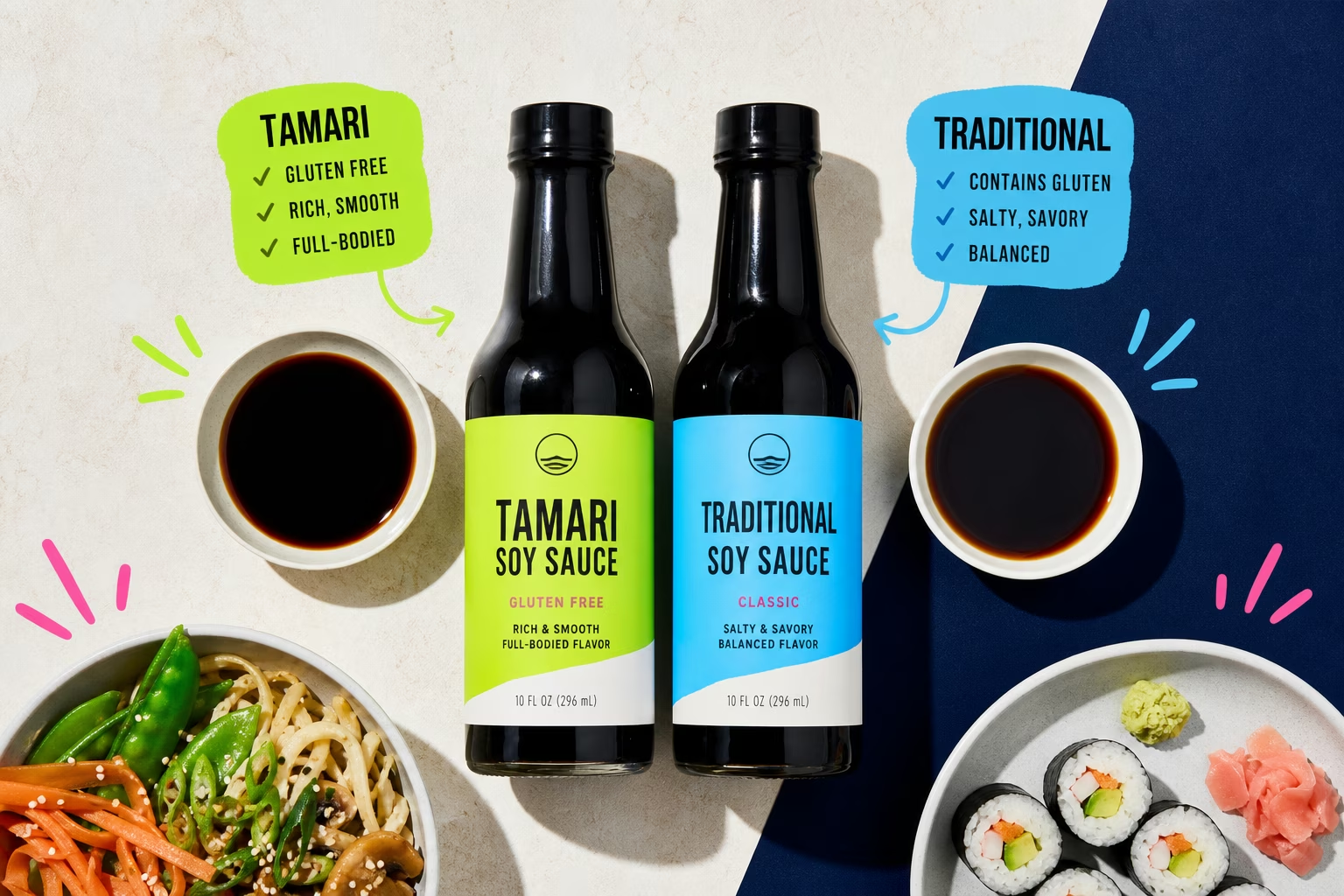
Soy sauce and Worcestershire sauce are two condiments where gluten often hides in plain sight. Traditional soy sauce is brewed with wheat, making it a no-go. Worcestershire sauce sometimes contains malt vinegar or soy sauce as a base. Finding safe alternatives is simpler than ever, thanks to products like gluten free tamari. Let’s clear up the confusion so you can keep stir-fries and marinades on the menu.
The world of umami-rich sauces need not be off-limits. With a few smart substitutions, you can recreate your favorite Asian-inspired dishes without a trace of gluten.
Why Soy Sauce Often Contains Gluten
Soy sauce is traditionally made from fermented soybeans and roasted wheat. The wheat provides a deep, complex flavor but renders it unsafe for anyone with celiac disease or gluten sensitivity. Even “light” or “dark” soy sauces follow this method unless explicitly labeled gluten free. In grocery stores, the presence of wheat on the ingredient list is almost guaranteed unless the bottle states otherwise.
Consuming regular soy sauce can trigger reactions ranging from digestive distress to long-term intestinal damage in sensitive individuals. That is why swaps are essential for both cooking and table use.
Gluten Free Soy Sauce Replacement: Tamari
Tamari is the ideal gluten free soy sauce replacement. Originating in Japan, tamari is brewed primarily from soybeans with little or no wheat. Gluten free tamari offers a rich, smooth flavor that mirrors soy sauce almost exactly. Brands like San J and Kikkoman offer tamari soy sauce gluten free options that are widely available. Always check that the bottle states “gluten free,” since some tamari styles still contain a small amount of wheat.
“Tamari is my go-to recommendation for a gluten-free soy sauce alternative, but consumers should still verify the label.”
Rachel Begun, MS, RDN, culinary nutritionist and celiac advocate
Use tamari in the same ratio as soy sauce. It works beautifully in marinades, dipping sauces, and stir-fries, maintaining the umami depth you love.
Is Worcestershire Sauce Gluten Free? What to Know
Worcestershire sauce is another tricky sauce. Classic recipes use anchovies, tamarind, molasses, and vinegar. The vinegar might be malt vinegar, which contains gluten. Additionally, some manufacturers add soy sauce to the blend. In the United States, Lea & Perrins Original Worcestershire Sauce is labeled gluten free, making it a reliable choice. Other brands require careful label scrutiny.
When using Worcestershire sauce in recipes like meatloaf or Bloody Marys, stick to trusted brands. The extra seconds you spend reading the label protect your health and allow you to enjoy the unique savory kick this sauce provides.
How to Build a Complete Gluten Free Condiment Pantry
A well-stocked pantry makes gluten-free cooking effortless. Beyond the basics, you need reliable gluten free salad dressing, pasta sauce, taco seasoning, onion soup mix, and Italian dressing. Each of these plays a role in weeknight dinners and entertaining. Instead of limiting your meals, you can expand them with safe, flavorful options that rival conventional counterparts.
This section covers both store-bought shortcuts and homemade hacks. Once you have these staples on hand, throwing together a meal becomes second nature.
Must-Have Gluten Free Salad Dressing Options
Gluten free salad dressing can be as simple as oil and vinegar, but creamy dressings like ranch or blue cheese require diligence. Brands like Bolthouse Farms, Primal Kitchen, and Brianna’s offer clearly labeled gluten-free options. For homemade dressings, stick to olive oil, balsamic vinegar, and herb blends. Always avoid croutons when ordering salads in restaurants, as they are a primary source of gluten cross-contact.
Vinaigrettes are inherently low-risk. To whip up an easy gluten free Italian dressing, combine olive oil, red wine vinegar, dried oregano, garlic powder, and a pinch of salt. Shake it in a jar for a quick, fresh topping.
Gluten Free Pasta Sauce and Taco Seasoning Selection
Gluten free pasta sauce is widely available. Most tomato-based marinara sauces contain no gluten ingredients, but flavored jars with sausage or cheese can hide wheat starch. Stick to simple ingredient lists and certified brands like Rao’s Homemade. The same principle applies to gluten free taco seasoning. Many packet mixes include anti-caking agents or flour. Instead, make your own with chili powder, cumin, paprika, garlic powder, and onion powder.
“Home spice blends are the easiest way to avoid gluten in seasoning packets and sauces.”
Jules Shepard, author of Free For All Cooking: 150 Easy Gluten-Free, Allergy-Friendly Recipes
With a few jarred spices, you control the ingredients and the sodium levels. Your tacos and pasta nights will taste better and come together faster.
Creating Your Own Gluten Free Onion Soup Mix and Italian Dressing
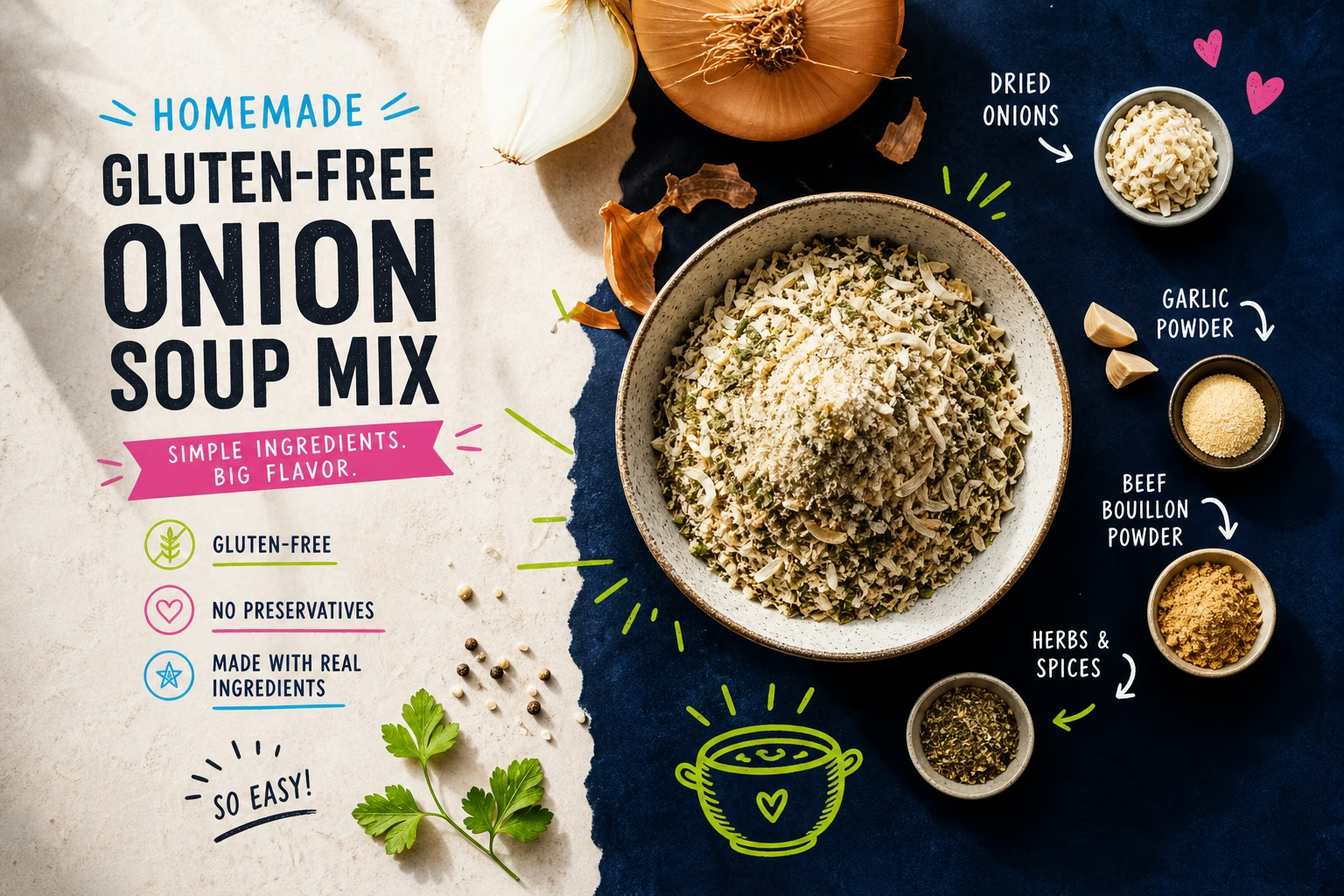
Gluten free onion soup mix is a pantry powerhouse for dips and roasts. Combine dried minced onion, beef bouillon (gluten-free), onion powder, parsley, and celery seed to create a versatile blend. Similarly, gluten free Italian dressing goes from a simple vinaigrette to a robust marinade with the addition of herbs. Use it on chicken, vegetables, or pasta salads for a zesty kick.
These homemade mixes store well in airtight containers. They also make thoughtful gifts for friends and family who are navigating the gluten-free lifestyle with you. For comprehensive guidance, refer to The Ultimate Gluten-Free Guide: Foods, Substitutes & Living Well Without Gluten for more pantry-stocking strategies.
What Are the Best Store-Bought Gluten Free Condiments?
When you need convenience, store-bought gluten free condiments are a lifesaver. From gluten free bbq sauce to salad dressings, the market has matured to offer exceptional choices. Knowing which brands to trust streamlines your shopping trips and reduces label fatigue. Let’s highlight the top picks that taste great and adhere to strict gluten-free standards.
These recommendations come from community feedback and certification verification. Always do a quick recheck on packaging, as recipes can evolve.
Top Brands for Gluten Free BBQ Sauce
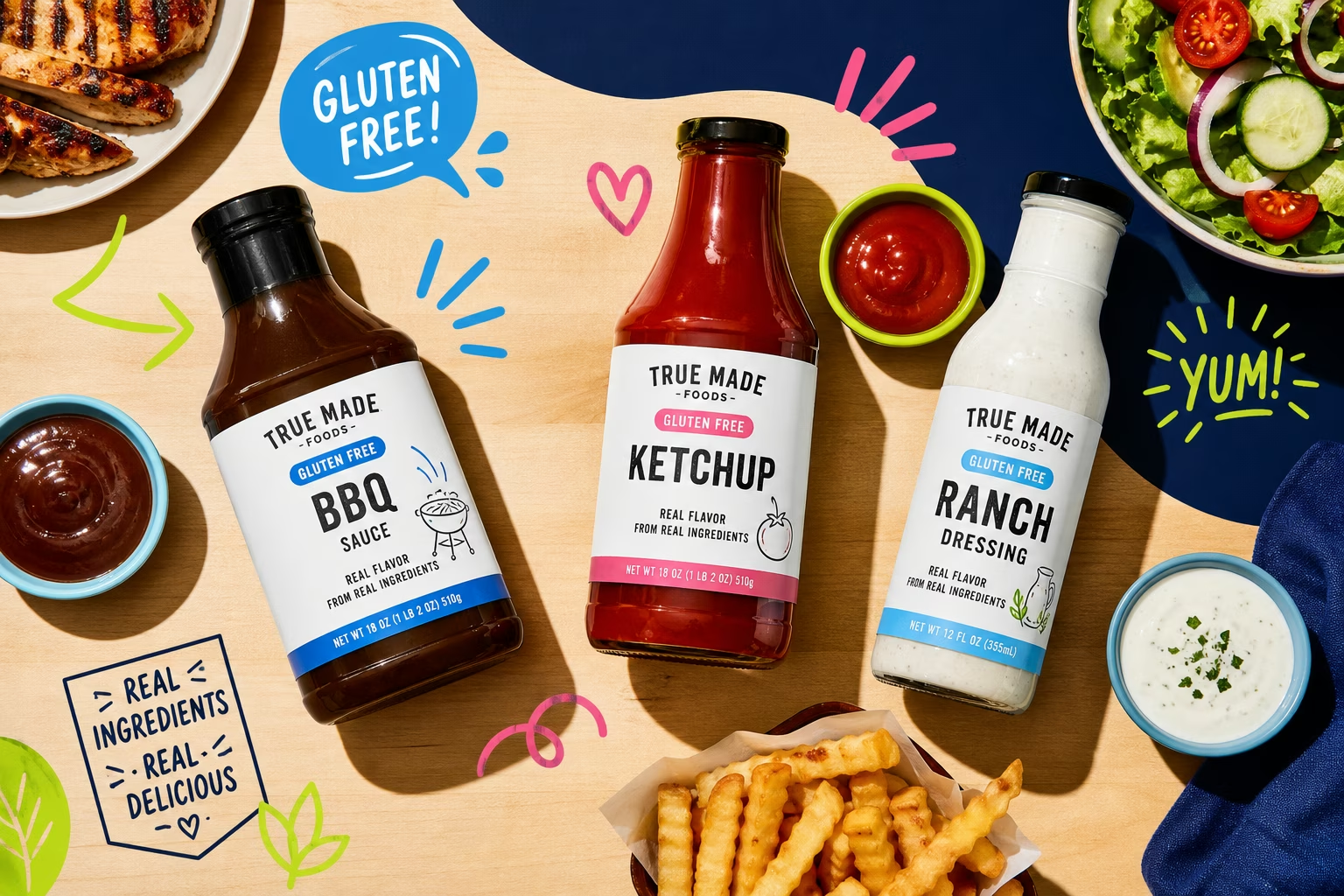
Stubb’s, Sweet Baby Ray’s, and Annie’s offer gluten free bbq sauce varieties that deliver on flavor. Stubb’s Original Bar-B-Q Sauce is explicitly labeled gluten free. Sweet Baby Ray’s has several gluten-free options, including their Original and Honey Barbecue sauces. Annie’s makes an organic choice that is both kid and adult approved. These brands use safe thickeners and vinegars, ensuring you can slather your ribs and pulled sandwiches without worry.
Another excellent resource is The Ultimate Gluten-Free Guide: Foods, Substitutes & Living Well Without Gluten, which offers additional brand reviews and shopping tips.
Reliable Gluten Free Ranch and Salad Dressing Brands
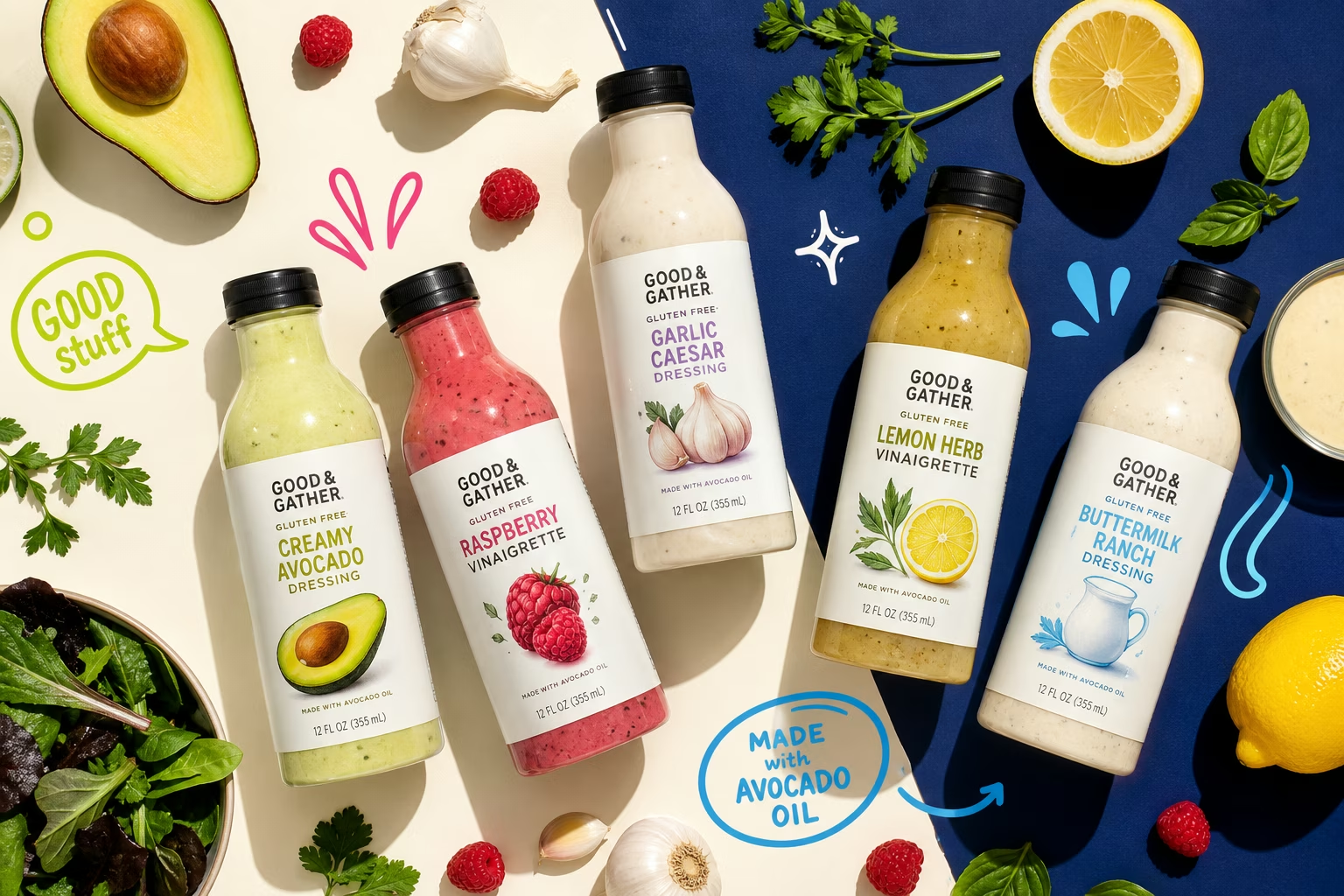
For gluten free ranch, look to Hidden Valley’s gluten-free line or Tessemae’s. Both produce creamy dressings that are safe and widely distributed. For vinaigrettes and other salad dressings, Brianna’s, Newman’s Own, and Ken’s offer numerous gluten-free labeled varieties. Always confirm the label, especially for seasonal or limited-edition flavors, but these brands make eating fresh greens a daily joy.
“The availability of certified gluten-free condiments has transformed the celiac experience, making normalcy possible.”
Alice Bast, CEO, Beyond Celiac
Keep a running list of your favorite go-tos. Over time, you will build a repertoire of products that never let you down, turning everyday meals into celebrations of safe, bold taste.
Are all BBQ sauces gluten free?
No, not all BBQ sauces are gluten free. Always check for gluten-free labels and scrutinize ingredient lists for wheat, barley, or rye derivatives.
Can I substitute tamari for soy sauce in recipes?
Yes, tamari is an excellent gluten-free substitute for soy sauce and can be used in the same proportions in recipes.
Is homemade ketchup healthier than store-bought?
Homemade ketchup allows for control over ingredients, especially sugar and salt content, making it a potentially healthier option.
Why is ranch dressing often not gluten free?
Ranch dressing may contain gluten through thickeners, flavor packets, or cross-contamination in manufacturing processes.
How can I ensure my salad dressings are gluten free?
Look for gluten-free labels on store-bought dressings and make simple homemade versions using gluten-free ingredients.
What should I do if a condiment label is unclear?
If in doubt, contact the manufacturer directly to confirm the gluten status of their products.
Are there gluten-free Worcestershire sauces available?
Yes, brands like Lea & Perrins offer gluten-free Worcestershire sauce options. Always check the label to be sure.