Is Chocolate Gluten Free?
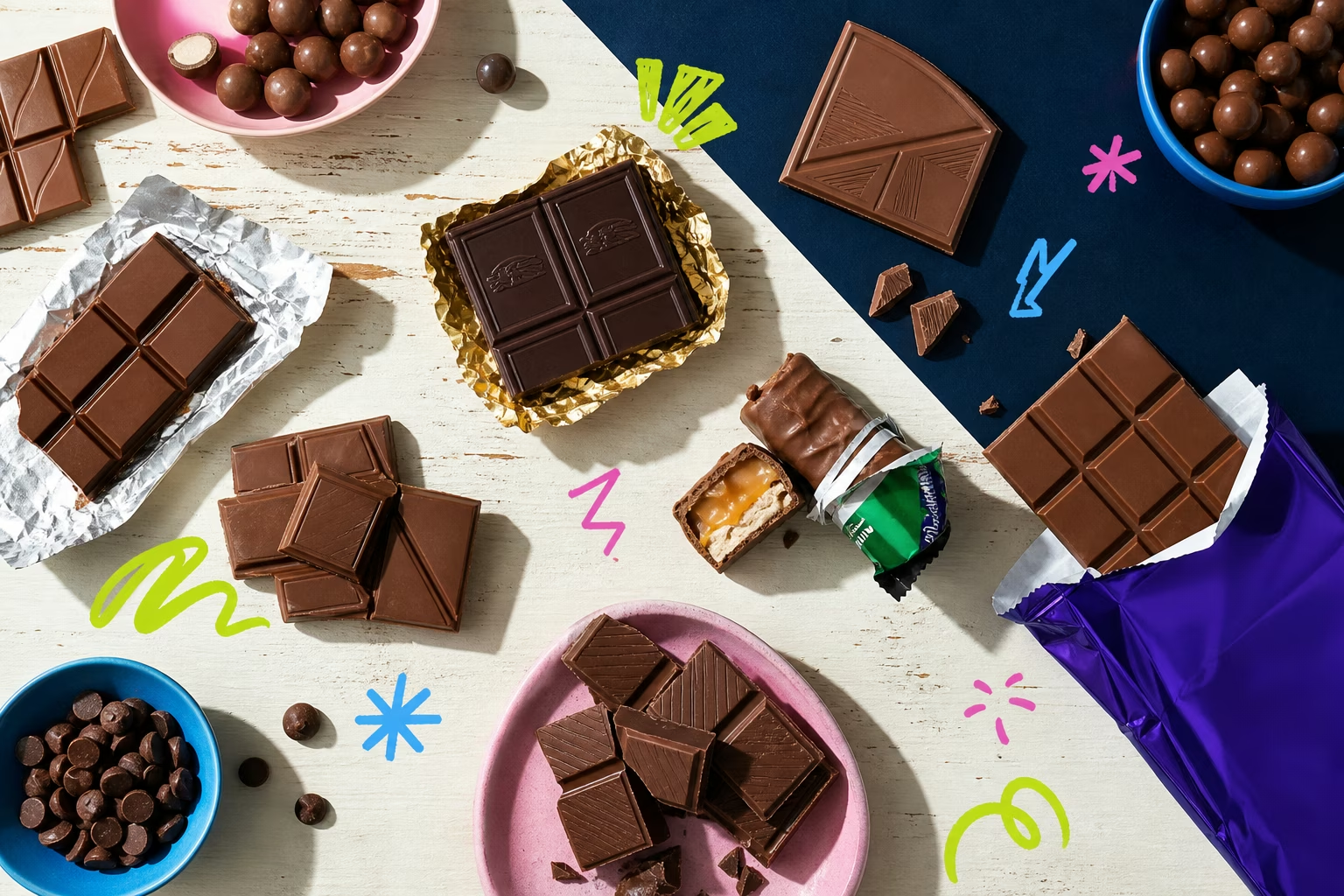
You stand in the candy aisle, craving something sweet but your mind spins with questions. If you are living gluten free, every treat becomes a detective case. Pure chocolate, in its simplest form, is naturally gluten free. It comes from cocoa beans, sugar, and cocoa butter, none of which contain gluten. But the moment you pick up a branded bar, a bag of chocolate chips, or a shiny foil wrapped egg, the picture can get complicated. Additives, flavorings, and how the product is manufactured all shape the final answer. Your safest bet is to understand not just the ingredient list but the entire journey from factory to wrapper.
Before exploring specific brands, it helps to ground yourself in the fundamentals of a gluten-free lifestyle. If you are just starting out or need a refresher, The Ultimate Gluten-Free Guide: Foods, Substitutes & Living Well Without Gluten breaks down everything from hidden gluten to safe pantry swaps. With that base, you can approach chocolate with confidence, not fear.
What Makes Chocolate Potentially Unsafe for a Gluten-Free Diet?
At its heart, chocolate is innocent. The raw materials, cocoa mass, cocoa butter, sugar, and often milk powder for milk chocolate, are devoid of wheat, barley, and rye. Still, you cannot assume every chocolate product is safe. The trouble usually sneaks in through two paths: added ingredients and cross-contact during production. Understanding both helps you separate the truly safe options from the risky ones.
The Role of Gluten-Containing Additives in Chocolate
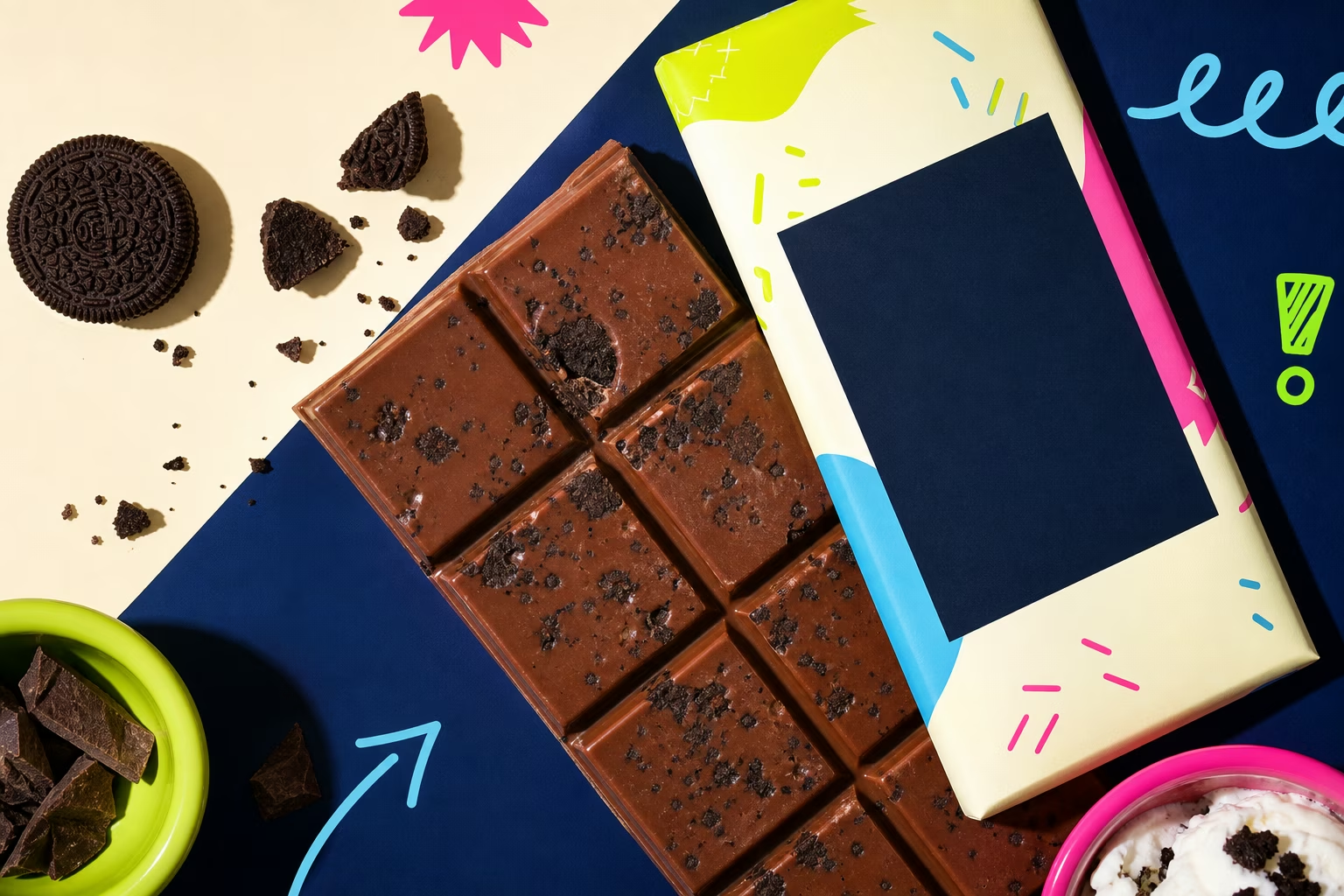
Manufacturers love to get creative with fillings, crisps, and coatings. These extras can introduce gluten in surprising ways. Cookie bits in a chocolate bar obviously contain wheat. Less obvious are barley malt syrup used as a sweetener in some confections, or wheat based thickeners in creamy centers. Even natural flavors sometimes rely on gluten carriers. The key is scanning the label for wheat, malt, or any callouts like “barley malt extract.” If you see these, that product is off limits no matter how pure the chocolate base may be.
Milk chocolate, on its own, is typically gluten free because the dairy and sugar do not add gluten. Yet always verify because some companies might use wheat based stabilizers. When you ask “is milk chocolate gluten free,” you can usually say yes, but only after confirming the label. The same logic applies to dark chocolate, which contains higher cocoa percentages and fewer potential additives, making it innately lower risk. White chocolate sits somewhere in the middle; it contains no cocoa solids, just cocoa butter, milk, and sugar. Because white chocolate relies on milk powder and sometimes flavorings, cross-reactive or gluten containing stabilizers occasionally slip in. Reading the label remains your best defense.
Cross-Contamination Risks in Shared Facilities
Even if the ingredient deck looks clean, the factory floor holds potential hazards. Many chocolate manufacturers produce a wide range of products, including bars with cookie pieces or pretzel inclusions, on the same lines. Without thorough cleaning between runs, tiny gluten remnants can find their way into an otherwise pure chocolate batch. This invisible cross-contact won’t show up in the ingredient list but can affect someone with celiac disease or gluten sensitivity.
“For people with celiac disease, even a crumb of gluten can cause intestinal damage.”
Dr. Peter H.R. Green, Director of the Celiac Disease Center at Columbia University
That quote grounds every decision you make. A product that appears clean on paper might still cause a reaction if it shares equipment with wheat-based items. Brands often handle this by including advisory statements like “may contain wheat” or “processed in a facility that also processes wheat.” These voluntary disclosures help you gauge risk. If you are highly sensitive, even a trace is too much, and you should seek out chocolates made in dedicated gluten-free facilities or those carrying a certified gluten-free seal.
Which Popular Chocolate Brands Are Gluten Free?
Now for the real-world application. You want to know which favorites pass the test. The answer depends on the specific product within a brand’s lineup. A classic milk chocolate bar from a major company might be fine, while a seasonal shape or limited edition could carry hidden gluten. Let’s walk through the big names you are most likely to reach for, answering the exact questions you’ve typed into search bars.
Is Hershey Chocolate Gluten Free? (Including Hershey Kisses)
Hershey’s is iconic. When you wonder “is Hershey chocolate gluten free,” the standard Hershey’s Milk Chocolate Bar and Hershey’s Milk Chocolate with Almonds come from a recipe that uses no gluten ingredients. However, Hershey does not label these bars as gluten free, and they are produced on shared equipment. If you ask specifically “are Hershey kisses gluten free,” the classic foil wrapped kisses, milk chocolate, special dark, and hugs (striped) do not list gluten ingredients in their standard formula. Yet again, the company stops short of making a gluten-free claim, so cross-contact remains a possibility. Many in the celiac community enjoy them without issue, but if you need certainty, look for Hershey’s items that are explicitly marked gluten free or certified.
A handful of Hershey products, like Reese’s Peanut Butter Cups (standard size) and select baking chips, appear on Hershey’s official gluten-free list. Checking the list directly is the smartest move. For a deeper dive into navigating gluten-free choices in everyday treats, revisit The Ultimate Gluten-Free Guide: Foods, Substitutes & Living Well Without Gluten where we break down label reading in detail.
Are Milky Ways Gluten Free? And Other Candy Bars
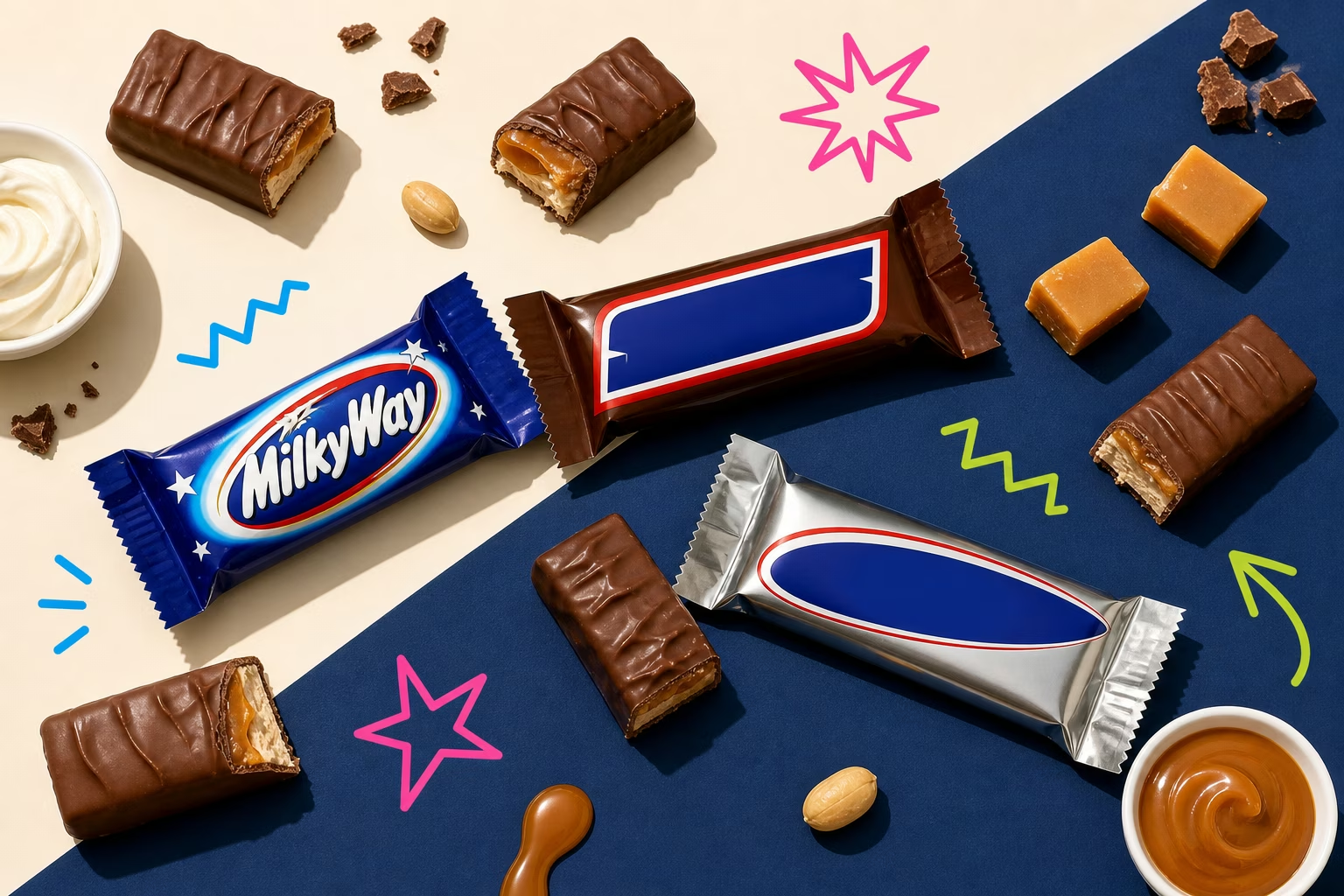
“Are Milky Ways gluten free” is one of the most common queries. The classic Milky Way bar, caramel and nougat coated in milk chocolate, contains barley malt extract, a source of gluten. That means standard Milky Way is not safe. The same goes for Milky Way Midnight (dark chocolate version with caramel and vanilla nougat) and many other variations. Mars Inc., the manufacturer, is transparent about this. If you love that nougat-and-caramel combo, you might feel disappointed, but there are alternative caramel-filled chocolates made without barley malt.
Other Mars candies fare better. M&M’s, for example, are widely considered gluten free except for certain pretzel and crispy varieties. Snickers bars in the United States are often listed without gluten ingredients, but the company does not declare them gluten free. Always double check the label because formulation changes happen. The lesson: never assume a whole brand is safe; evaluate every product individually.
Are Cadbury Eggs Gluten Free? Seasonal Treats Demystified
Easter brings a tidal wave of Cadbury Creme Eggs, Mini Eggs, and caramel filled delights. So, “are Cadbury eggs gluten free” becomes urgent every spring. Cadbury products vary dramatically by country. In the United States, Cadbury Creme Eggs (the milk chocolate shell with fondant center) do not list gluten ingredients on the package, but the company notes they are made in a facility that processes wheat. The iconic Cadbury Mini Eggs, the crunchy sugar-shelled milk chocolate candies, are typically made without gluten ingredients but also carry cross-contamination warnings. In the UK and Canada, many Cadbury labels explicitly mark items as gluten free, offering more peace of mind. Your best practice: if the package lacks a certified gluten-free logo and you are concerned about trace exposure, contact the company or choose an alternative with a clear gluten-free claim.
Is Nutella Gluten Free? The Hazelnut Spread Question
While not a solid chocolate bar, Nutella sneaks into this conversation because you might grab a spoonful or spread it on toast. You find yourself asking, “is Nutella gluten free.” Ferrero, the maker, states that Nutella is gluten free in many countries. The primary ingredients, sugar, palm oil, hazelnuts, cocoa, skim milk, and lecithin, contain no gluten. Nutella’s official website in the U.S. confirms the product is gluten free. However, like any packaged food, cross-contamination can occur if it’s processed on shared lines in some facilities. The company’s allergen statements are your guide. For most people avoiding gluten, Nutella is a safe, creamy chocolate hit.

Are Chocolate Chips Gluten Free? Baking Staples
Your batch of cookies depends on the answer to “are chocolate chips gluten free.” Most plain semi-sweet, bittersweet, and milk chocolate chips rely on a short ingredient list that avoids gluten. Brands like Enjoy Life, Guittard, and certain varieties of Nestlé Toll House (the semi-sweet morsels) are labeled gluten free. Hershey’s baking chips, cocoa, and semi-sweet chips also often meet gluten-free standards, but again, verify the specific bag. When baking for someone with celiac disease, seek out chips that carry a certified gluten-free seal to eliminate any worry about cross-contact during manufacturing. The extra few seconds of label scanning make your homemade creations safe and joyful.
“It’s not just ingredients you need to worry about; how the food is processed matters just as much.”
Alice Bast, CEO of Beyond Celiac
How to Identify Truly Gluten-Free Chocolate
You have now seen that brand familiarity alone is not enough. To enjoy chocolate without anxiety, you need a reliable system. This system combines label literacy, certification hunting, and direct brand communication. Adopting these habits turns you from a worried shopper into a confident, informed consumer.
Reading Labels and Certifications
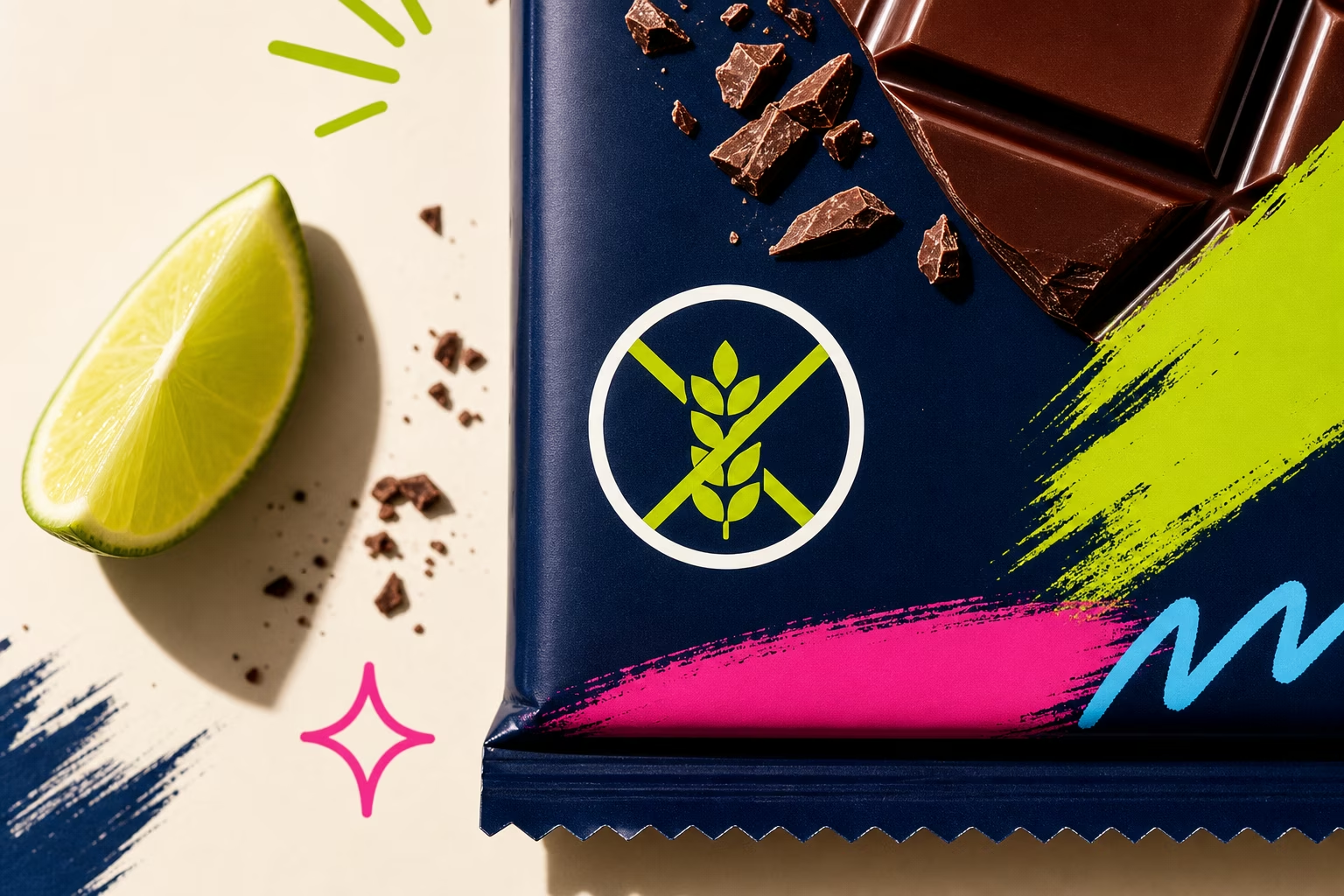
Start with the obvious allergen warnings. If the product is certified gluten-free by organizations like the Gluten-Free Certification Organization (GFCO) or bears a “gluten-free” claim per FDA regulations (which require fewer than 20 parts per million of gluten), you have a strong safety signal. However, you still want to scan the ingredients for hidden gluten: malt, brewer’s yeast, wheat starch (unless labeled gluten free), and modified food starch (if not specified as corn). A clean ingredient list paired with a gluten-free claim is the gold standard. Products that lack a claim but list no gluten ingredients leave the safety up to your judgment and risk tolerance.
Be wary of ambiguous terms. “Natural flavors” can occasionally veil gluten, though it is uncommon in chocolate. If you spot “malt” in any form, even “maltitol” (a sugar alcohol derived from wheat or corn), know that maltitol is typically gluten free because it’s so highly processed, but some people react to corn-derived maltitol if they have additional sensitivities. The safe bet: when a product is ambiguous, skip it or investigate further.
Contacting Manufacturers for Peace of Mind
Sometimes the label leaves you hanging. When that happens, reach out directly. Most large chocolate companies have consumer inquiry lines or email addresses specifically for allergen questions. Ask plainly: “Is this product made on shared equipment with wheat or gluten-containing ingredients? Do you test for gluten?” Recording their response, and noting if a product is batch specific, gives you a personal safety net. Many celiac community members keep a running list of confirmed safe products, a smart way to share knowledge. Your communication can even push companies to improve labeling transparency.
“Gluten-free labeling on chocolate is a helpful guide, but always confirm through the manufacturer if you’re unsure.”
Tricia Thompson, MS, RD, founder of Gluten Free Watchdog
The Final Word on Enjoying Chocolate Without Worry
Chocolate should bring pleasure, not panic. The truth behind the question “is chocolate gluten free” is reassuring in its simplicity: pure chocolate, yes. But the packaged world requires your active participation. You have learned that Hershey’s core products can be safe yet uncertified, that Milky Way bars hide gluten in malt, and that seasonal Cadbury eggs demand a careful peek at the label. You now know that Nutella and many chocolate chips land safely on your plate when confirmed. Most importantly, you grasp that cross-contamination is not just a theoretical concern, it’s the invisible variable that differentiates a safe food from a risky one.
Armed with this knowledge, your grocery trips become easier. You will scan for certifications, interpret advisory statements, and perhaps even advocate for clearer labeling. The gluten-free marketplace continues to evolve, and more brands are stepping up to make their products explicitly safe for you. Each smart purchase reinforces that demand. So go ahead, unwrap that carefully selected chocolate bar, and savor it with the indulgence you deserve. You have mastered the art of chocolate selection, one label at a time.
What is the safest chocolate for someone with celiac disease?
Choose chocolates that are certified gluten free or those made in dedicated gluten-free facilities. Always read labels and look for any advisory statements.
Are all dark chocolates gluten free?
Most dark chocolates are gluten free, but you should verify by checking the label for any gluten-containing additives or cross-contamination warnings.
Can gluten be hidden in chocolate ingredients?
Yes, gluten can be present in additives like malt extract or in natural flavors. Always read the ingredient list carefully.
How can I verify if a chocolate brand is truly gluten free?
Contact the manufacturer directly to inquire about their production processes and any gluten testing they perform.
Is it safe to eat chocolate that has a “may contain wheat” label?
If you are highly sensitive to gluten, it’s best to avoid products with such advisory labels due to potential cross-contact risks.
Are seasonal chocolates more likely to contain gluten?
Seasonal chocolates often have unique ingredients or are made on shared equipment, increasing the risk of gluten presence. Always check the packaging for specific information.