How Do I Order Gluten Free Chinese Food Without Getting Glutened?
Walking into a fragrant Chinese restaurant or scanning an Asian fusion menu can feel like navigating a minefield when you’re avoiding gluten. Wheat hides in soy sauce, thick sauces, battered proteins, and even broths. Yet the world of gluten free chinese food is far from barren. By understanding a handful of core ingredients and asking the right questions, you can enjoy everything from delicate rice noodle rolls to perfectly steamed fish without worry. For a deep dive into the fundamentals of a wheat-free lifestyle, our The Ultimate Gluten-Free Guide: Foods, Substitutes & Living Well Without Gluten is an excellent companion to the strategies you’ll learn here.
What Kinds of Chinese Food Are Naturally Gluten Free?
Many traditional Chinese dishes rely on rice, vegetables, and simple seasonings that are inherently gluten free. The risk comes from soy sauce, which the Celiac Disease Foundation explains is typically brewed with wheat, and from thickeners like wheat flour used in sauces. Stick to the following categories and you’ll have a solid foundation for a safe meal.
Dishes Made with Rice or Rice Noodles
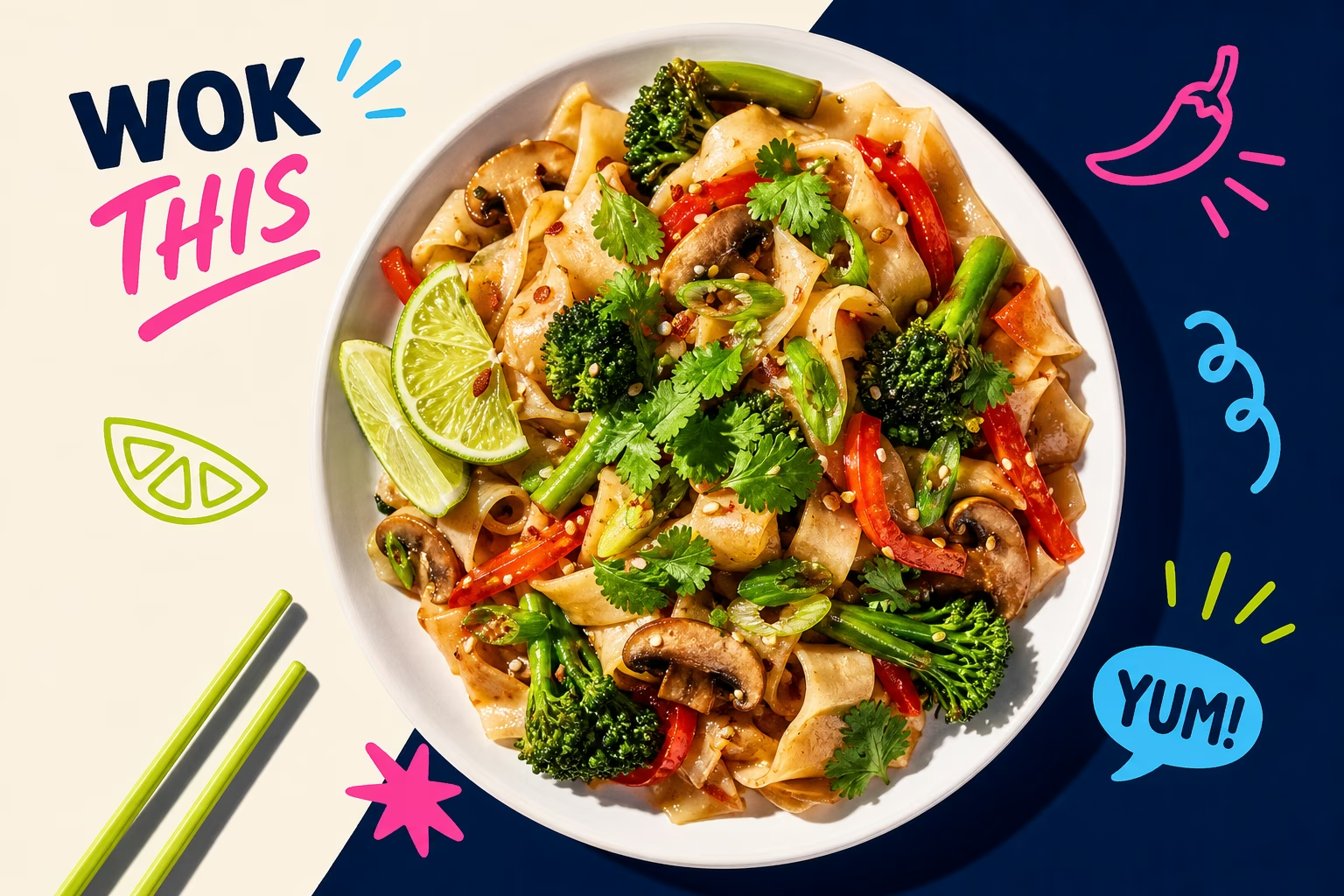
Plain steamed rice is always a safe starch, but the real treasure is the variety of rice noodles used in dishes like chow fun (wide rice noodles), mei fun (thin rice vermicelli), and rice paper rolls. These noodles contain only rice and water, making them a staple for anyone avoiding gluten. When ordering, confirm that the noodle dish is not finished with regular soy sauce and you’ll be in good shape.
Rice-based porridges, such as congee, are another comforting option. Often served with ginger, scallions, and a choice of protein, congee is naturally gluten free as long as no soy sauce or wheat-based crullers are added. A 2020 report by Beyond Celiac found that diners who explicitly request “white rice only” and avoid dark sauces report far fewer accidental gluten exposures.
Vegetable-Based Dishes and Stir-Fries
Most stir-fried vegetables can be prepared without gluten if you request a gluten free sauce such as tamari or a simple garlic and oil preparation. Common safe dishes include sautéed bok choy, garlic broccoli, and dry-fried green beans (hold the soy sauce). Always ask about the sauce base, as some kitchens pre-mix ingredients that may include wheat.
Egg dishes like egg foo young, which is a Chinese-style omelet, can be safe when made without flour and served with a gluten-free gravy. The primary trap is the brown gravy, which often contains wheat. Request your egg foo young with white sauce or simply no gravy at all.
Meat and Seafood Preparations
Steamed whole fish with ginger and scallions is a classic, naturally gluten free dish that appears on many banquet menus. The fish is typically drizzled with hot oil and seasoned with salt, never soy sauce. Similarly, poached chicken or shrimp with a side of ginger-scallion dipping sauce is safe if the sauce is made with only oil, ginger, scallions, and salt.
Beware of any protein described as “crispy” or “fried,” as it’s likely coated in wheat flour or cornstarch that may have been cross-contaminated if the fryer is shared. Stick to steamed, boiled, or wok-charred dishes that use no batter.
Is Pho Gluten Free? (And Other Asian Favorites)
Vietnamese, Japanese, and Korean dishes often feature traditional ingredients that are naturally gluten free, but modern preparations can introduce hidden wheat. Here’s how to tell which classics are safe.
Is Pho Gluten Free?
Traditional pho is a fragrant beef or chicken broth paired with rice noodles (bánh phở) and a plate of herbs. The broth is made by simmering bones, charred onion, ginger, and spices like star anise and cinnamon, all of which are naturally gluten free. The noodles are pure rice, so the foundation of the dish is safe.
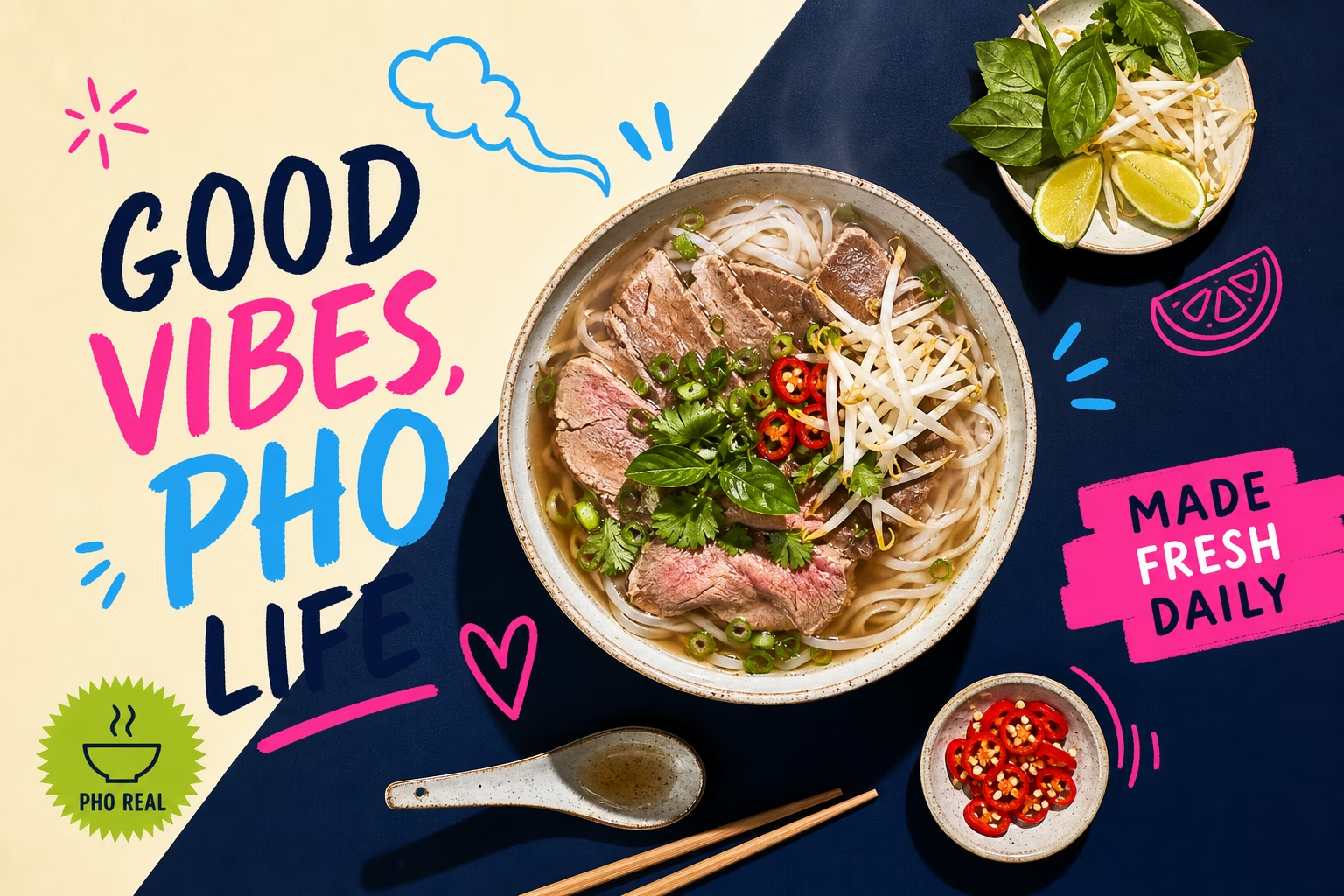
The potential trouble spots are the add-ins. Hoisin sauce almost always contains wheat, and some meatballs (bò viên) include breadcrumbs or wheat flour. “When eating pho, your safest bet is to order it without hoisin and skip the meatballs unless you’ve confirmed they are wheat-free,” advises Dr. Lisa Stollman, MA, RDN, CDE, a celiac-specialist dietitian. Fresh lime, jalapeño, and Thai basil are always safe, so load up on those.
Is Ramen Gluten Free?
Unfortunately, classic ramen noodles are made from wheat flour, making them one of the most gluten-dense foods in Japanese cuisine. Even if the broth is made from pork bones (tonkotsu) or miso, the noodles are off-limits. Some restaurants offer gluten free ramen noodles made from rice or sweet potato starch, but you must verify with the kitchen that the broth also contains no soy sauce or wheat-based seasonings.
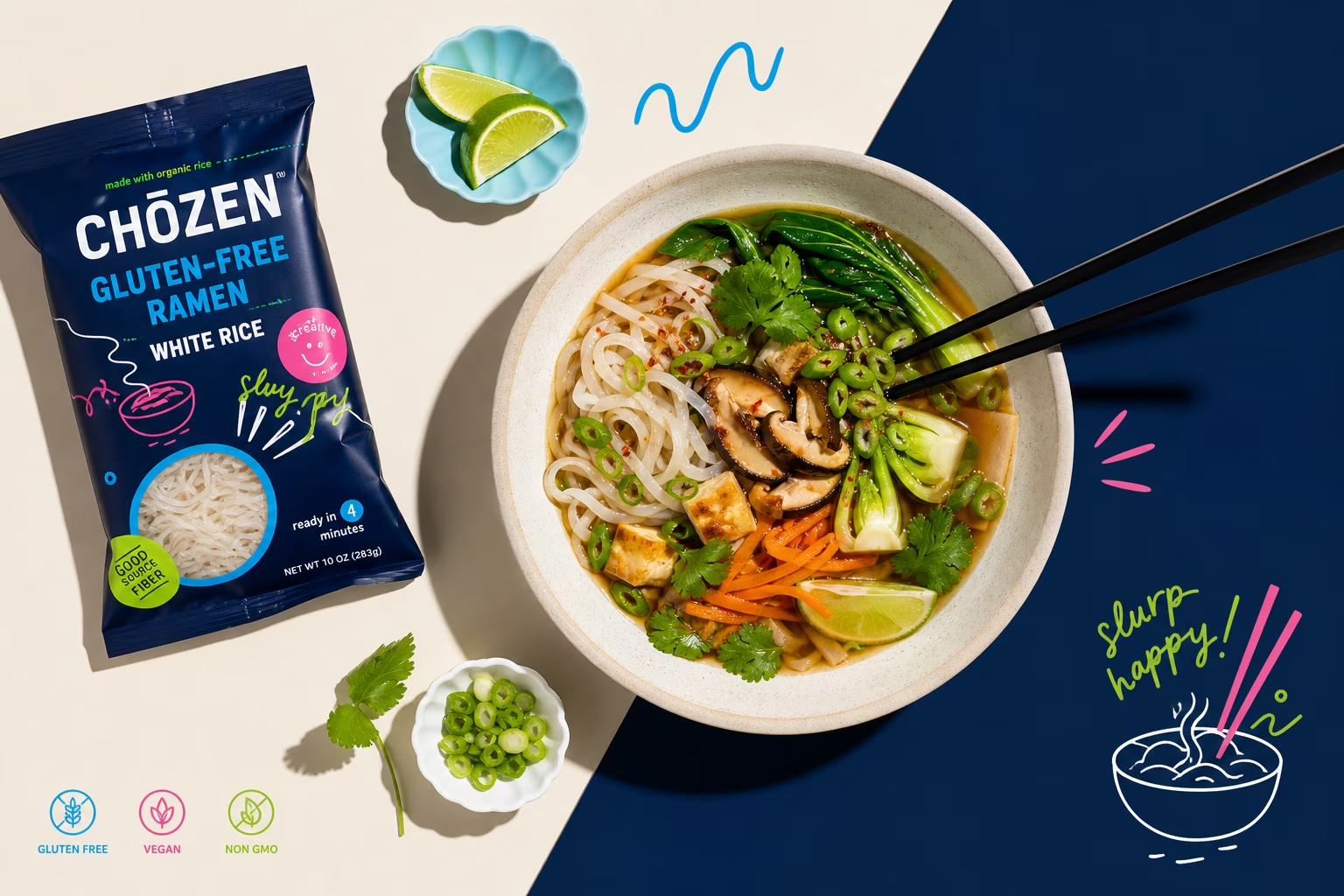
If you’re craving ramen at home, look for certified gluten free ramen noodle brands that use rice and tapioca starch. Pair them with a homemade broth using tamari instead of soy sauce and you can recreate the experience safely.
Is Miso Soup Gluten Free?
Miso paste itself is often gluten free, particularly when made from rice, soybeans, and salt (shiro or white miso). However, some miso pastes like mugi miso are fermented with barley, a gluten-containing grain. The bigger issue is that many restaurants use a dash of soy sauce to season the soup, adding gluten in the final step.
When dining out, ask if the miso soup uses rice-based miso and no soy sauce. Sushi restaurants may also use gluten in the dashi stock base, so it’s crucial to inquire. According to a checklist from the Celiac Disease Foundation, more than 30% of miso soups served in restaurants contain wheat-derived ingredients, making it a hidden hazard.
How to Navigate Sushi for a Gluten Free Diet
Sushi can be one of the most reliable gluten free options, or a silent source of wheat, depending on how you order. Simple sashimi and plain rolls are naturally safe, but sauces, marinades, and imitation crab are where trouble hides.
Is Sushi Gluten Free? The Basics
At its core, sushi rice (sumeshi) is seasoned with rice vinegar, sugar, and salt, containing no wheat. Raw fish (sashimi) and vegetable rolls (maki) with seaweed (nori) are also free of gluten. Nigiri, which is a slice of fish draped over a ball of vinegared rice, is generally safe, provided no soy sauce is applied during preparation.
However, many popular rolls incorporate ingredients that break the gluten free rule. Imitation crab (surimi) often uses wheat starch as a binder, and tempura flakes are pure wheat. Rolls labeled “crunchy” or “dynamite” usually rely on battered and fried components.
“Soy sauce is the number one hidden source of gluten in sushi restaurants. Always bring your own tamari or verify the house tamari is truly wheat-free.”
Dr. Alessio Fasano, Director of the Center for Celiac Research, Massachusetts General Hospital
Soy Sauce, Cross-Contamination, and Hidden Gluten
Standard soy sauce is made with roughly equal parts soybeans and wheat, so even a tiny splash introduces gluten. Tamari is a Japanese soy sauce traditionally brewed with little to no wheat, but not all tamari brands are gluten free; you must check the label for a certified gluten free symbol. Many sushi bars keep a gluten free tamari bottle behind the counter if you ask.
Cross-contamination is another threat. Sushi chefs use the same cutting boards, knives, and bamboo rolling mats for all orders. According to a 2021 study by the Beyond Celiac team, trace gluten was detected on 27% of supposedly gluten free sushi orders when no dedicated preparation protocol was in place. Always notify the itamae (sushi chef) of your allergy or celiac disease and request fresh tools and a clean surface.
Gluten Free Sushi Ordering Tips
Start by scanning the menu for simple items: avocado roll, cucumber roll, tuna roll, salmon roll, and yellowtail scallion roll. Avoid anything with eel sauce (unagi), which is thickened with wheat, and skip the spicy mayo unless you know it’s made at the restaurant without wheat paste. Request no masago (capelin roe) topping if it has been marinated in soy sauce.
If you enjoy the texture of crunch, ask if the kitchen has gluten free panko made from rice flour, or bring a small container of your own. You can also order a hand roll (temaki) where you dictate exactly what goes inside the seaweed cone, giving you full control.
Gluten Free Noodles: Soba, Glass, Udon, and More
Noodle confusion is perhaps the biggest obstacle in Asian dining. Names like soba, udon, and glass noodles sound interchangeable, but their ingredient profiles are wildly different.
Are Soba Noodles Gluten Free?
Soba noodles are traditionally made from buckwheat flour, which despite its name is not related to wheat and is naturally gluten free. Pure buckwheat soba (juuwari soba) has a nutty flavor and is completely safe. However, many commercially produced soba noodles blend buckwheat with regular wheat flour to make the dough easier to handle. Always check the ingredient list for “wheat flour” or “komugiko,” the Japanese word for wheat flour.
At restaurants, ask if the soba is 100% buckwheat. Even if it is, ensure the dipping sauce (tsuyu) is not made with soy sauce. The safest approach is to buy certified gluten free soba noodles and prepare them at home with a tamari-based broth.
Are Glass Noodles Gluten Free?
Yes, glass noodles (also called cellophane noodles, bean threads, or mung bean noodles) are almost always gluten free. They’re made from mung bean starch or sweet potato starch and become translucent when cooked. You’ll find glass noodles in Korean japchae, Thai yum woon sen salads, and Chinese spring roll fillings.
The risk lies not in the noodle but in the sauce. Japchae, for instance, is typically seasoned with soy sauce, so request a tamari version. When shopping for glass noodles, verify that the only ingredient is mung bean or sweet potato starch, no wheat filler.
Udon Noodles Gluten Free? The Truth
Udon noodles are thick, chewy, and utterly wheat-based. They are made from wheat flour, salt, and water, offering zero options for someone who needs to avoid gluten. Even brown rice udon substitutes often contain a blend of rice and wheat to achieve the desired chewiness, so you cannot assume “brown rice” means wheat-free.
Instead, look for ribbons made from 100% rice flour or konjac (shirataki noodles) if you’re craving that comforting, slippery mouthfeel. Both are naturally gluten free and work beautifully in hot broths and stir-fries. As we discuss with other dishes, The Ultimate Gluten-Free Guide: Foods, Substitutes & Living Well Without Gluten includes tips on the best noodle swaps to keep your pantry ready.
Gluten Free Options at Panda Express and Fast-Casual Chains
Fast-casual Asian chains like Panda Express present unique hurdles because of shared cooking surfaces and pre-sauced proteins. However, with careful selection you can piece together a safe meal.
Gluten Free Menu Items at Panda Express
Panda Express does not claim a gluten free menu, but a few items contain no wheat ingredients. The safest bets are white steamed rice, plain brown rice, and the super greens side (a mix of kale, broccoli, and cabbage sautéed with garlic). The chain states on its website that all entrées are cooked with shared equipment and in woks that may have previously held soy sauce, so zero gluten cannot be guaranteed.
According to Panda Express’s allergen guide, the Grilled Teriyaki Chicken is made with a soy-sauce-based marinade and is not gluten free. Some guests report that the Kung Pao Chicken and Broccoli Beef contain less than 20 ppm on gluten test strips when prepared with extra care, but the variance across locations makes this unreliable for anyone with celiac disease.
“When dining at any fast-casual Asian chain, always communicate directly with the manager about your needs. Even ‘gluten free’ labeled items can be cross-contaminated if proper protocols aren’t followed.”
Allie Bahn, gluten-free travel blogger at Miss Allergic Reactor
Cross-Contact Risks and How to Minimize Them
At Panda Express, the same woks are used to cook dish after dish, and cleaning between orders is minimal. Sanitization typically consists of a high-pressure water spray and a wipe-down, not a thorough wash. Ask the staff to scoop your rice and super greens from a fresh, uncontaminated batch and to use clean utensils. Visit during off-peak hours when the kitchen is less rushed and you can have a calm conversation with the team.
Bring a personal bottle of gluten free tamari or coconut aminos so you can add flavor without relying on the soy sauce station, which is almost certainly contaminated. Some customers also bring their own disposable chopsticks to avoid contact with communal bins.
Other Asian Fast-Food Chains: What to Know
Pei Wei, another popular chain, offers a dedicated gluten free menu with items like gluten free sweet and sour chicken and gluten free mongolian steak. Still, always confirm with the staff that the preparation follows strict allergen protocols. PF Chang’s also has a robust gluten free menu, including lettuce wraps made with tamari and a dedicated gluten free wok section.
No matter where you eat, the playbook is the same: ask about dedicated fryers, request gluten free soy sauce, and scrutinize every sauce and marinade. A study published by the Gluten-Free Dietitian in 2022 found that proactive communication reduced the risk of accidental gluten ingestion by 64% in Asian restaurant settings, underscoring the power of a direct conversation.
“Learn to love the intrinsic flavors of rice, ginger, garlic, and fresh herbs. When you build your meal around those, you’re almost always safe.”
Rachel Begun, MS, RDN, celiac disease dietitian and national spokesperson
Eating gluten free chinese food and other Asian cuisines comes down to knowing which ingredients to embrace and which questions to fire at your server. By leaning into naturally wheat-free dishes like rice noodle stir-fries, pho without hoisin, plain sushi rolls, and glass noodles with tamari, you can sit down to a meal that’s both safe and deeply satisfying. Keep this guide bookmarked and revisit it before your next takeout order or restaurant visit, because confidence in the kitchen and at the table is the most delicious ingredient of all.
What are some naturally gluten free Chinese dishes?
Rice-based dishes, vegetable stir-fries with tamari, and steamed fish with ginger and scallions are naturally gluten free.
How can I ensure my sushi is gluten free?
Opt for simple rolls without sauces, bring your own gluten free tamari, and inform the chef of your dietary needs to avoid cross-contamination.
Are there gluten free noodles available at Asian restaurants?
Yes, look for rice noodles, glass noodles, and pure buckwheat soba noodles. Always confirm that the sauces are also gluten free.
Is miso soup gluten free?
Miso soup can be gluten free if made with rice-based miso and no soy sauce. Always check with the restaurant about their preparation methods.
Can I find gluten free options at Panda Express?
While Panda Express does not offer a dedicated gluten free menu, you can choose plain rice and super greens. Always discuss cross-contamination risks with staff.
How do I avoid gluten when eating pho?
Order pho without hoisin sauce and meatballs unless confirmed gluten free. Enjoy fresh herbs and lime, which are always safe.
What should I bring to ensure a gluten free meal at Asian restaurants?
Bring your own gluten free tamari or coconut aminos and disposable chopsticks to avoid cross-contamination.