Is Cheese Gluten Free?
If you are new to eating gluten free or just want to double check your favorite foods, you have probably wondered, “Is cheese gluten free?” The short answer is that most plain, natural cheeses are gluten free. However, some processed and flavored cheeses can hide gluten. This guide will walk you through what to look for, which brands are safe, and how to enjoy cheese on a gluten free diet without worry.
Navigating the dairy aisle becomes much simpler once you understand the cheese making process and common pitfalls. For a deeper dive into building a safe gluten free pantry, check out The Ultimate Gluten-Free Guide: Foods, Substitutes & Living Well Without Gluten. It covers everything from flour blends to restaurant strategies.
“Plain cheeses, including cheddar, mozzarella, and parmesan, are naturally gluten free. However, processed cheese and cheese spreads may contain gluten ingredients.”
Celiac Disease Foundation
How Is Cheese Made and Where Can Gluten Hide?
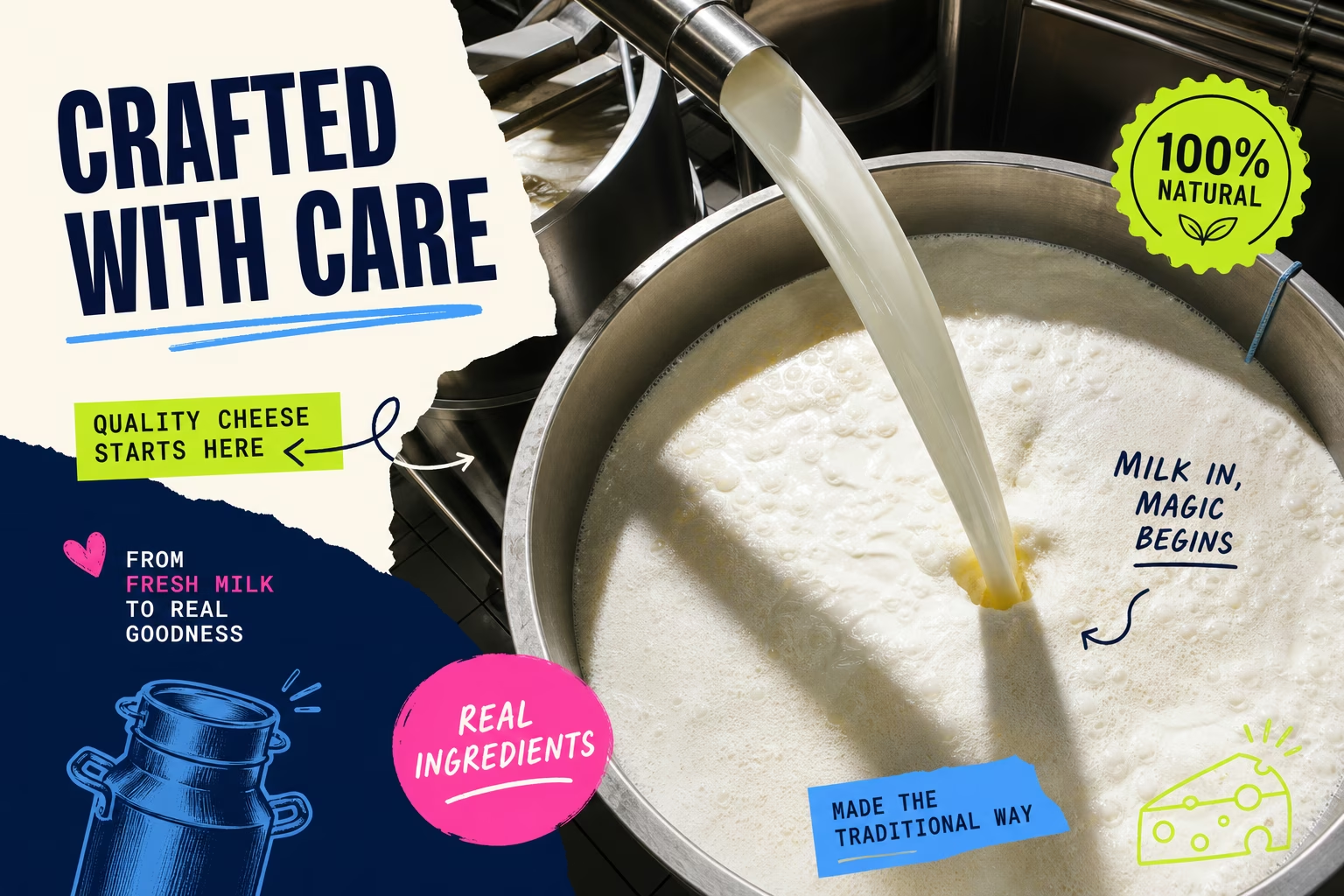
Cheese at its core is a combination of milk, salt, cultures, and rennet or other coagulating enzymes. None of these basic ingredients contain gluten, which is a protein found in wheat, barley, and rye. So, if you pick up a block of plain cheddar, the odds are overwhelmingly in your favor.
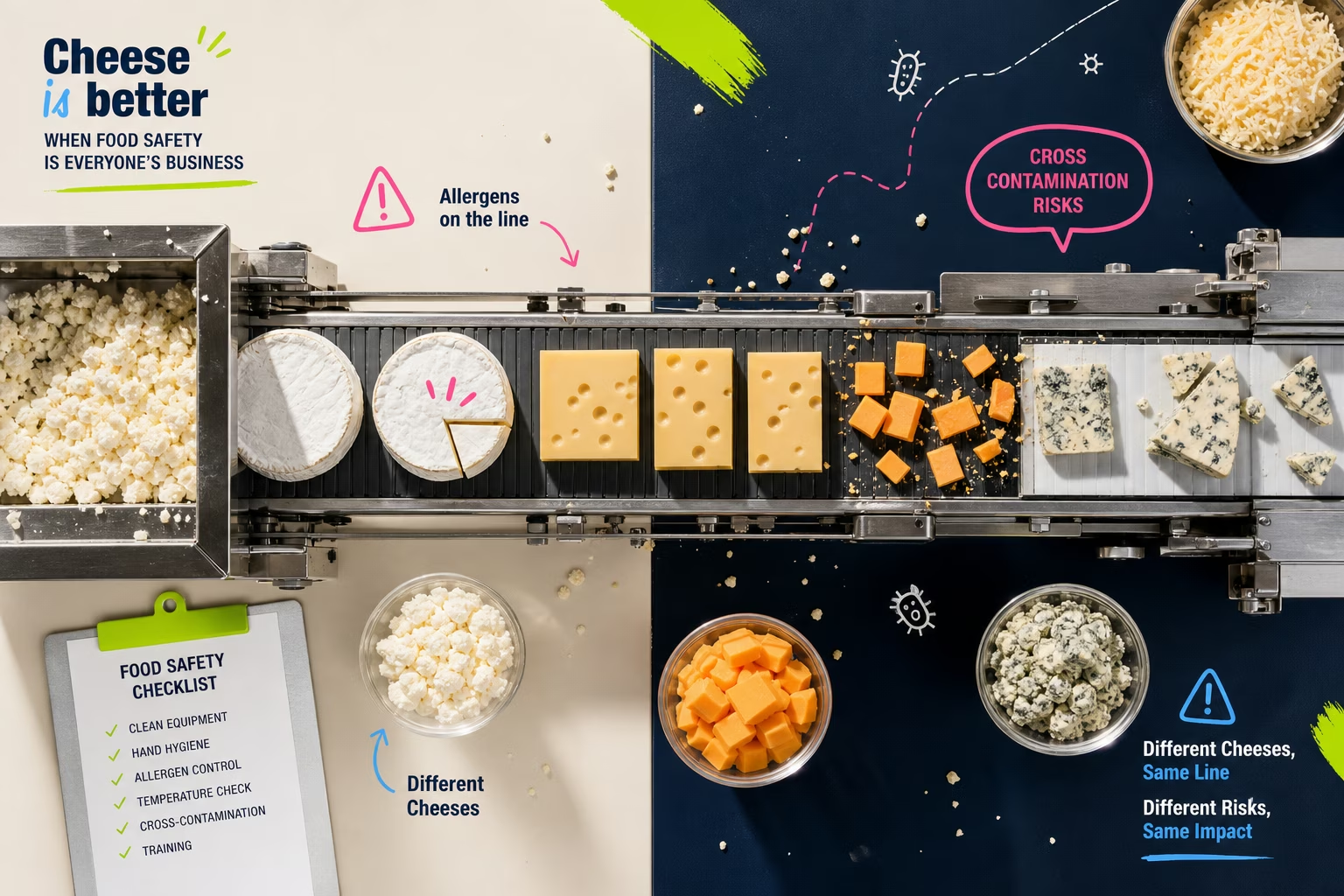
However, gluten can sneak in during later processing steps. Flavorings, spice blends, and anti-caking agents may include wheat starch or malt. Cross contamination can also occur during shredding or slicing if equipment is shared with gluten-containing products. Always check the ingredient list first.
The Basic Ingredients of Cheese
Traditional cheese making relies on just four components: milk, a starter culture to develop acidity and flavor, a coagulant like rennet to separate curds and whey, and salt. Milk is naturally gluten free, and rennet, whether animal or microbial, does not contain gluten. Cultures are derived from bacteria or molds that are also gluten free. This means the foundational recipe is safe.
Additives come into play when manufacturers want to extend shelf life, improve meltability, or create a specific texture. That is where you need to pause and read. Cellulose, often used to prevent clumping in pre-shredded cheese, is typically gluten free, but it is always smart to verify the source.
Potential Gluten Contamination Sources in Cheese Production
Shared manufacturing lines pose a real risk. A facility that processes cheese spreads, beer cheese, or cheese with pretzel pieces may run a plain cheese on the same equipment. Even if the plain cheese’s recipe is gluten free, trace amounts can transfer.
Blue cheese is often questioned because the mold cultures may be grown on bread. According to the Celiac Disease Foundation, modern blue cheese production rarely uses wheat-based mold starters, and testing has shown gluten levels well below 20 parts per million. Still, if you have high sensitivity, look for a certified gluten free blue cheese or contact the manufacturer.
“We have tested several blue cheese samples over the years and found them to be safe, but it is crucial to confirm with the producer if you are concerned about the mold source.”
Tricia Thompson, MS, RD, Founder of Gluten-Free Watchdog
Which Cheeses Are Always Gluten Free?
You can feel confident reaching for most unflavored cheeses in their natural state. This includes both hard and soft varieties. The simpler the ingredient list, the less likely you are to encounter gluten. When you stick with whole blocks or rounds that you slice or grate yourself, you eliminate many contamination risks.
This list provides a starting point, but always scan the label because formulations can change without notice. Fresh, unprocessed cheese is your safest bet.
Hard Cheeses Like Cheddar and Parmesan
Aged cheddar, parmesan, gouda, swiss, and asiago are almost always gluten free. They are made from milk, cultures, enzymes, and salt, then aged for varying periods. The long aging process and simple ingredient profile leave no room for wheat, barley, or rye derivatives.
Pre-grated parmesan can be problematic if an anti-caking agent contains wheat starch, but many brands now use potato or corn starch. Check the label for a “gluten free” claim or review the ingredient list. Real Parmigiano Reggiano, by law, is only made with three ingredients: milk, salt, and rennet, making it naturally gluten free.
Soft Cheeses Like Brie and Mozzarella
Soft ripened cheeses like brie and camembert rely on mold rinds, not gluten grains. They are safe for a gluten free diet. Fresh mozzarella, whether packed in water or sold as a ball, contains nothing but milk, vinegar or citric acid, enzymes, and salt.
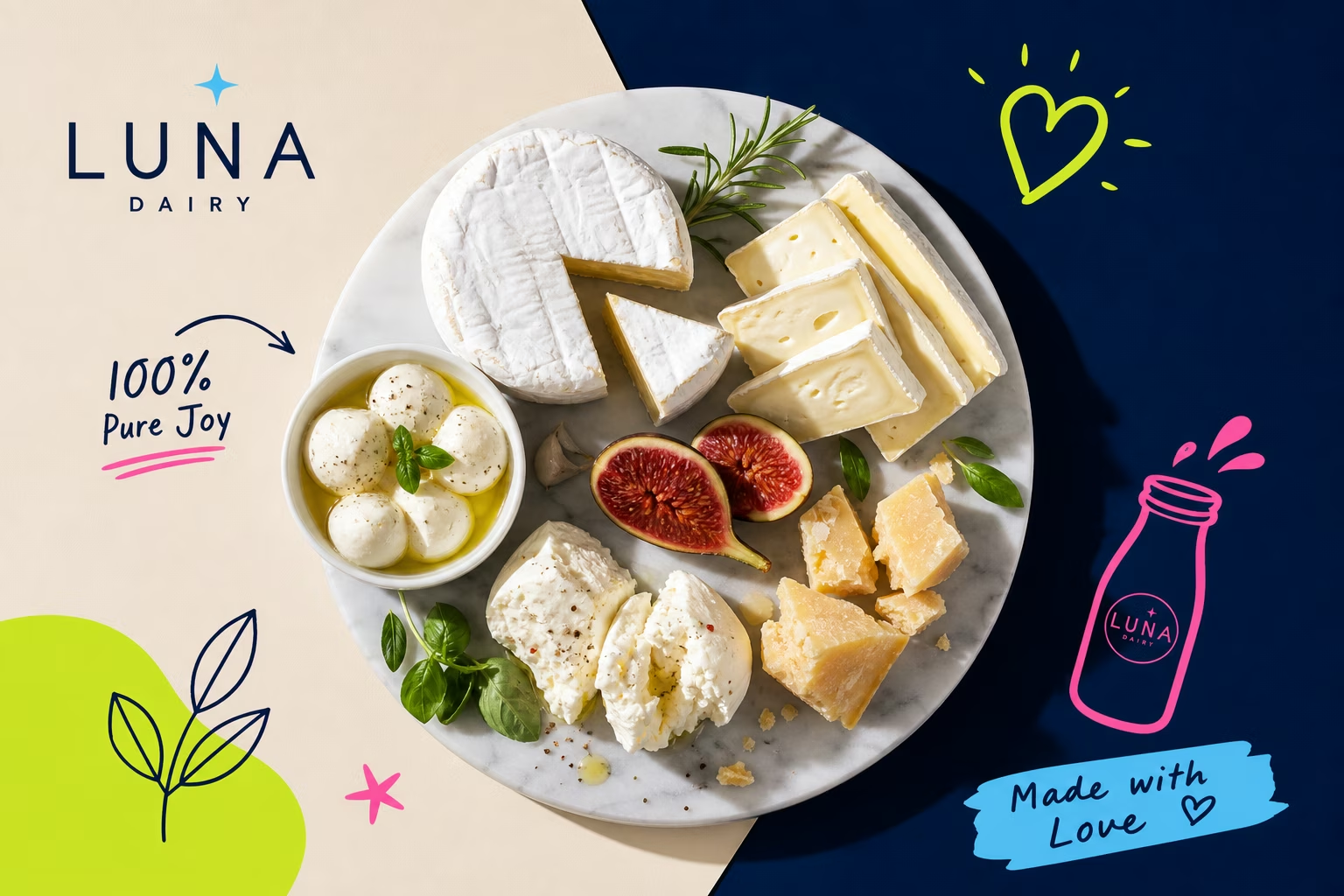
You should still be cautious with marinated or seasoned soft cheeses. A brie topped with honey and nuts may be fine, but one rolled in a spice blend could harbor malt powder. Always ask about the specific seasoning if you are at a cheese counter.
Is Cream Cheese Gluten Free?
Yes, most plain cream cheese is gluten free. The ingredient list of standard cream cheese is short and sweet: pasteurized milk and cream, cheese culture, salt, and a stabilizer like carob bean gum or xanthan gum. None of these naturally contain gluten.
However, cream cheese comes in many varieties today, and those whipped, flavored, or brown sugar blends need a closer look. The base may be safe, but the added swirls, fruits, or cookie pieces are where gluten hides.
Standard Cream Cheese Brands
Philadelphia Original Cream Cheese is labeled gluten free according to the manufacturer’s allergen statement, which means it meets the FDA standard of less than 20 ppm. Other store brands, such as Great Value or 365 by Whole Foods, frequently carry a “gluten free” claim on the package. The key is to buy the plain block, not a spread with added flavors.
When you see “Neufchâtel” cream cheese, it is essentially a lower fat version with the same safety profile. Just avoid any tubs labeled “cheesecake filling” without verifying, as they may contain wheat flour or graham cracker crumbs.
Flavored or Whipped Cream Cheese Variations
Flavored cream cheese like strawberry, garden vegetable, or salmon can be tricky. Some manufacturers use wheat flour as a thickener in the flavoring mix. Others may use malt vinegar or soy sauce in savory blends. Always read the label, and if you cannot confirm, reach out to the company.
Whipped cream cheese is generally gluten free because it is simply cream cheese aerated with air or nitrogen gas. The ingredient list often remains identical to the block style. As a rule, check for any added “natural flavors” that might be derived from barley, though this is uncommon.
“Many clients are surprised to learn that cream cheese is safe. The real danger is the bagel you spread it on, not the cream cheese itself.”
Shelley Case, RD, Author of Gluten-Free: The Definitive Resource Guide
Is Mozzarella Cheese Gluten Free?
The short answer is yes, but with a few important caveats. Fresh mozzarella, the kind sold in a ball immersed in liquid, is a pure dairy product with zero gluten ingredients. The same goes for low-moisture mozzarella blocks used for melting on pizza, as long as they remain unflavored.
Where trouble appears is with pre-shredded mozzarella or mozzarella sticks and other breaded forms. Shredded cheese often uses a starch coating to prevent clumping. That starch can be wheat-based, though corn or potato starch is far more common. Reading the ingredient panel is non-negotiable.
Fresh Mozzarella vs. Processed Mozzarella
Fresh mozzarella is simply milk, water, salt, and rennet. It is a naturally gluten free cheese and a staple in caprese salads. You can eat it with confidence. Processed mozzarella, like the slices used for sandwiches, sometimes incorporate modified food starch or additional preservatives.
If the modified food starch is wheat, the label must state “wheat” under the Food Allergen Labeling and Consumer Protection Act. That makes scanning easy. You will either see “modified corn starch,” “modified potato starch,” or “modified food starch (wheat).” If it says wheat, put it back.
Checking Labels for Hidden Gluten
When you inspect a mozzarella label, look beyond the term “modified food starch.” Keep an eye out for maltodextrin, which in the United States is typically made from corn but can occasionally be derived from wheat. Also watch for “natural flavor,” which rarely contains gluten but is worth verifying if the product lacks a gluten free claim.
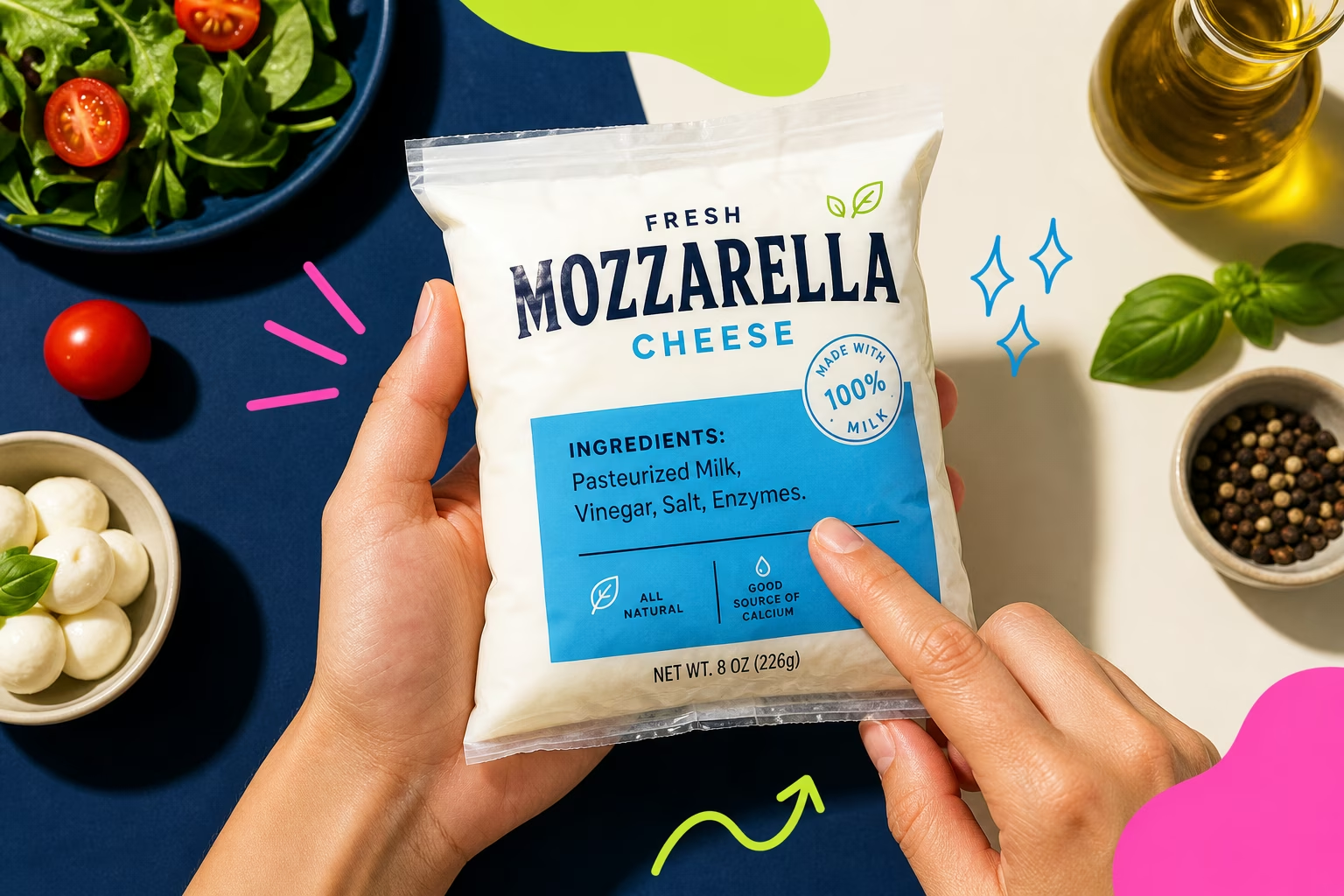
A safe approach is to choose mozzarella brands that explicitly state “gluten free” on the packaging. Tillamook, Organic Valley, and BelGioioso all have clear labeling policies and frequently use dedicated equipment. Their websites often detail allergen protocols, giving you extra peace of mind.
Is Velveeta Gluten Free?
Velveeta is a processed cheese product with a devoted following, especially for creamy dips and macaroni. The original loaf and original slices are considered gluten free by the manufacturer, Kraft Heinz. They contain no wheat, rye, barley, or oats that would introduce gluten directly.
This designation fits within the FDA’s gluten free labeling rule, which requires foods to contain less than 20 parts per million of gluten. However, not all Velveeta products are created equal. You need to distinguish between the core product and the meal kits.
Velveeta Original Loaf and Slices
According to Kraft Heinz’s consumer relations team, Velveeta Original and Velveeta Sharp Cheddar are formulated without gluten ingredients. The line’s ingredient list includes milk, water, whey, milk protein concentrate, and emulsifying salts, none of which contain gluten.
Velveeta does contain canola oil and sodium citrate, which are gluten free. The iconic yellow color comes from annatto and apocarotenal, both naturally derived and safe. If you are making a queso dip at home, Velveeta loaf is a safe base.
Velveeta Skillets and Dinner Kits
Here is where the risk escalates. Velveeta Skillets dinner kits often include a pasta component. That pasta is almost always made from wheat, rendering the entire kit unsafe for a gluten free diet. The cheese sauce packet inside may be gluten free on its own, but cross contamination is likely, and the box is not labeled gluten free.
Similarly, Velveeta Shells and Cheese is a classic wheat pasta dish. Do not be misled by the “cheese” in the product name. You would need to make your own version using gluten free pasta and a block of Velveeta to enjoy it safely.
“We do not add gluten to our Velveeta loaf or slices, and they meet FDA requirements for a gluten free claim. Always check the label because recipes can change.”
Kraft Heinz Consumer Relations Representative
Is Velveeta Gluten Free Cheese? Understanding Processed Cheese Products
While Velveeta is technically a “pasteurized prepared cheese product,” many people still ask, “Is Velveeta gluten free cheese?” The distinction matters because processed cheese products follow different regulations than natural cheese. They can contain more additives, and those additives could occasionally include gluten-containing ingredients.
In Velveeta’s case, the gluten free status holds true for its core items, but you should never assume that a different processed cheese product will be safe. Each brand and product must be evaluated on its own.
How Velveeta Differs from Natural Cheese
Natural cheese is made from milk, cultures, enzymes, and salt, then aged. Velveeta, by contrast, is made from whey, milk protein concentrate, and emulsifiers. It is designed to melt smoothly without separating, which makes it ideal for dips and sauces.
Because it is highly processed, you might wonder if hidden gluten snuck in during manufacturing. The good news is that the emulsifiers used, sodium phosphate and sorbic acid, are gluten free. The product’s consistency relies on chemical reactions, not flour or starch.
Gluten-Free Status of Velveeta According to Kraft Heinz
Kraft Heinz has a robust allergen labeling program. They will clearly call out any wheat, barley, or rye by name on the label. If you do not see a “Contains: Wheat” statement, and the product is a Velveeta loaf or slice, you can be fairly confident it is gluten free.
For absolute certainty, use the lot number on the package to contact Kraft Heinz customer service. This is a practice recommended by advocacy organizations including the Gluten Intolerance Group. It takes five minutes and can eliminate any remaining doubt.
How to Build a Gluten Free Diet Cheese Selection
Creating a cheese drawer that aligns with a gluten free diet is easier than you think. Focus on whole, unprocessed cheeses first. Then, carefully add in a few processed favorites that you have verified as safe. This system protects your health while keeping your meals exciting.
For a broader look at stocking a gluten free kitchen, revisit The Ultimate Gluten-Free Guide: Foods, Substitutes & Living Well Without Gluten. It breaks down every category, from grains to snacks, so you never feel lost.
Reading Labels for Gluten-Containing Additives
Train yourself to scan not just the allergen statement but the full ingredient list. Look for words like “malt,” “malt extract,” “malt flavoring,” “wheat starch,” “wheat protein,” “seitan,” “rye,” and “barley.” If any of these appear, the cheese is not safe. Also, be wary of “brewers yeast,” which is a byproduct of beer making and contains gluten.
Smoke flavoring can be a gray area. Liquid smoke used in smoked gouda or smoked cheddar is generally gluten free because it is condensed smoke, but some powdered smoke flavorings use maltodextrin as a carrier. If the maltodextrin is wheat-derived, it will be labeled. Again, the “Contains: Wheat” statement is your quick reference.
Top Certified Gluten Free Cheese Brands
Several cheese brands voluntarily seek third-party gluten free certification from organizations like the Gluten-Free Certification Organization (GFCO). This means their products are tested and contain less than 10 ppm, which is more stringent than the FDA’s 20 ppm. Some reliable options include:
- Cheddar from Cabot is certified gluten free and widely available.
- Sargento offers a line of natural cheeses with a gluten free statement on the package.
- Tillamook clearly labels many of its blocks and slices as gluten free.
- Organic Valley provides a transparent allergen policy on its website.
When in doubt, choose a certified brand.
Is all cheese gluten free?
Most natural cheeses are gluten free, but processed and flavored cheeses may contain gluten. Always check labels for additives that could introduce gluten.
Can I eat blue cheese on a gluten free diet?
Yes, most blue cheeses are gluten free. Modern production methods rarely use wheat-based mold cultures, but confirm with the manufacturer if you have concerns.
What should I look for on cheese labels to ensure they are gluten free?
Look for terms like “wheat,” “barley,” or “rye” in the ingredients. Also, check for a “gluten free” label or certification for additional assurance.
Are flavored cream cheeses safe for gluten free diets?
Flavored cream cheeses can contain gluten as thickeners or flavoring agents. Always read the label and verify with the manufacturer if unsure.
Is Velveeta cheese gluten free?
Velveeta loaf and slices are gluten free according to Kraft Heinz. However, Velveeta meal kits may contain gluten, so check labels carefully.
How can I avoid cross-contamination with cheese?
Purchase whole blocks of cheese and grate or slice them yourself to avoid shared equipment issues. Always clean utensils and surfaces thoroughly.