Is Ice Cream Gluten Free?
- Plain ice cream is naturally gluten free, but watch for gluten in mix-ins and flavorings.
- Cross-contamination in manufacturing can introduce gluten.
- Look for certified gluten-free labels to ensure safety.
- Enjoy a variety of gluten-free frozen desserts like certified ice creams, pudding cups, and homemade treats.
- Communicate clearly at parties and restaurants to avoid cross-contact.
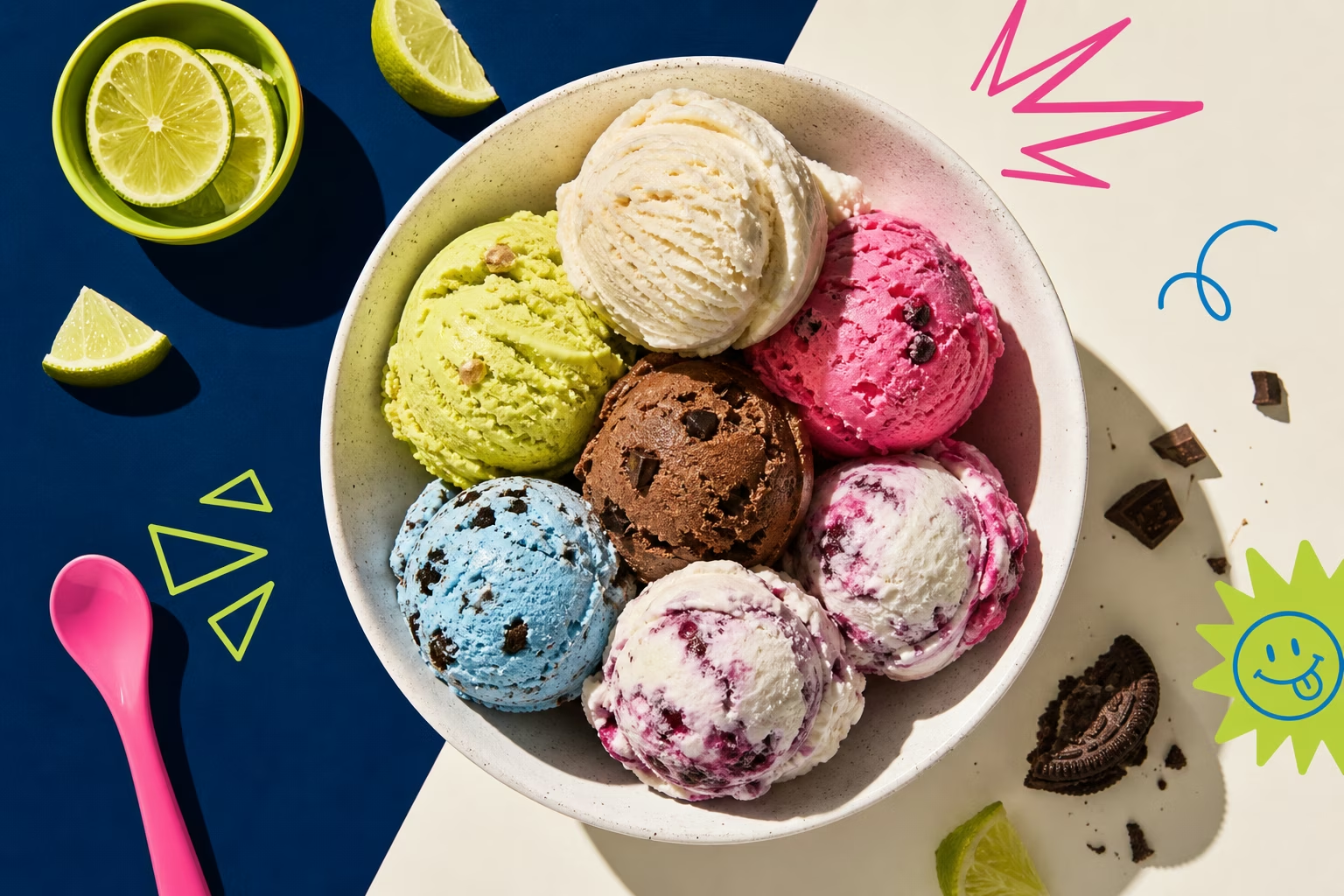
You scream for ice cream but hesitate the moment you wonder: is ice cream gluten free? It’s a smart question if you live with celiac disease, gluten sensitivity, or simply choose to cut gluten from your diet. Plain ice cream, built from milk, cream, sugar, and eggs, is naturally gluten free. The trouble starts with mix-ins, flavorings, and stabilizers that sneak gluten into frozen treats. Even the scoop at your local shop or a factory production line can introduce gluten you never saw coming. This guide walks you through exactly what to look for, which brands you can trust, and a whole freezer full of the best gluten-free frozen desserts, including pudding cups, gummies, Dippin’ Dots, and homemade scoops topped with safe sprinkles and icing. If you’re new to this life, grab The Ultimate Gluten-Free Guide: Foods, Substitutes & Living Well Without Gluten to make every shopping trip easier.
What Makes Ice Cream Unsafe for a Gluten-Free Diet?
Hidden Gluten in Ice Cream Ingredients
The base of most ice cream is innocent: dairy, sweeteners, and sometimes eggs. However, once manufacturers fold in cookie dough, brownie chunks, cake pieces, or pretzel bits, you’re dealing with wheat flour, barley, or rye. Even flavors that sound simple can hide gluten. Malted milk powder, commonly used in chocolate and vanilla variants, is made from barley malt, a definite no-go. According to a 2022 survey by the Celiac Disease Foundation, nearly one in three people with celiac disease reported reacting to gluten that was hidden in desserts, and ice cream was a frequent culprit.
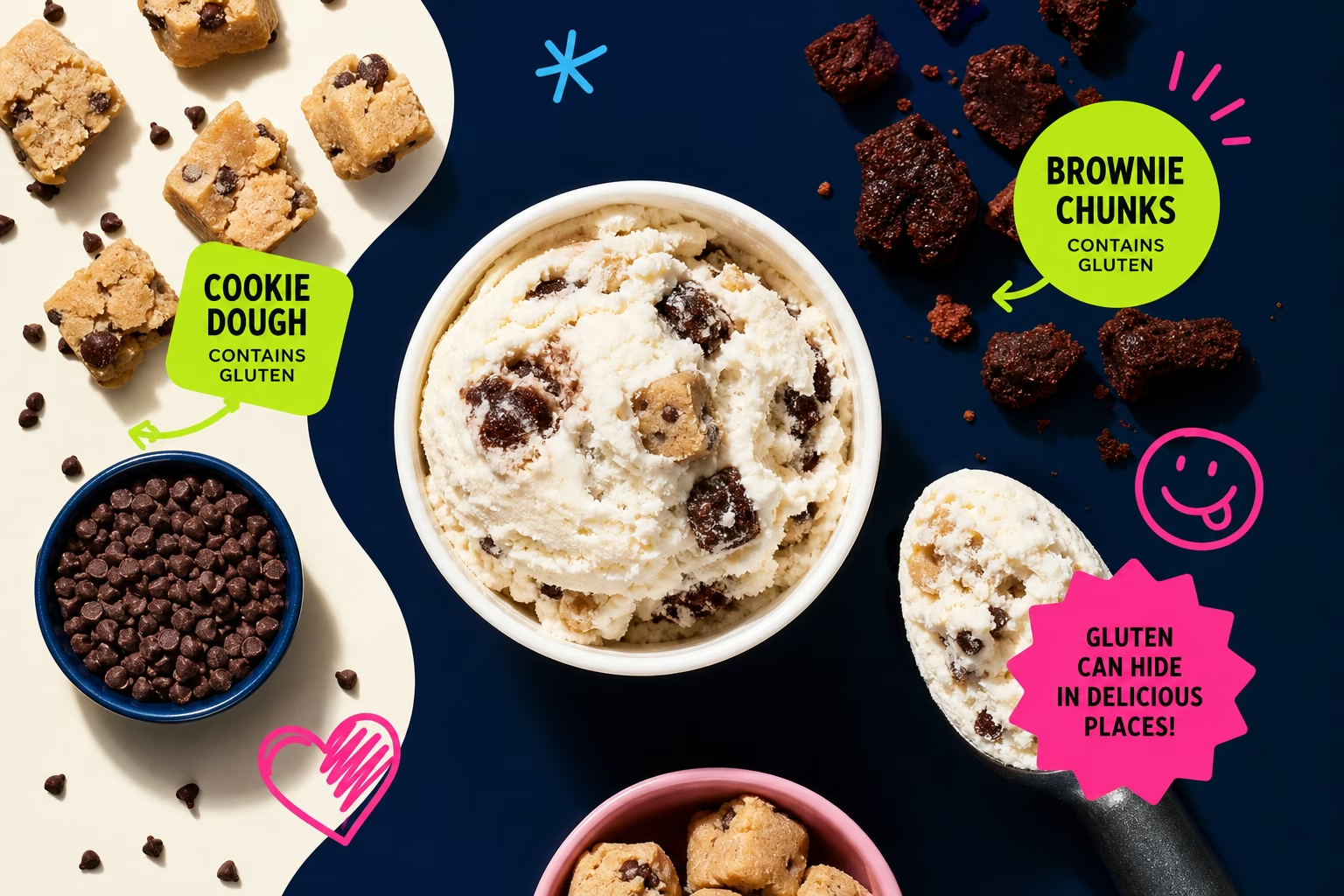
Other common offenders include wheat-based thickeners and “modified food starch” when imported from countries where wheat is the source. In the United States, modified food starch usually comes from corn, but the only way to be certain is to read the ingredient panel every single time. Flavor emulsions and natural flavors can also occasionally be derived from gluten-containing grains, so a gluten-free label remains your best friend.
“Ice cream can be a surprising source of gluten because of mix-ins like cookie dough, brownie bites, or even certain stabilizers. It’s not just the obvious chunks; flavorings and thickeners need to be checked, too.”
Rachel Begun, MS, RDN, gluten-free nutrition consultant
Cross-Contamination Risks in Manufacturing
Even when the ingredient list looks pristine, cross-contamination can ruin a safe dessert. Many ice cream plants produce gluten-containing flavors on the same lines as gluten-free ones. A scoop used for cookies and cream then dipped into vanilla can transfer enough gluten to cause a reaction in sensitive individuals. Shared utensils at an ice cream parlor present the same danger.
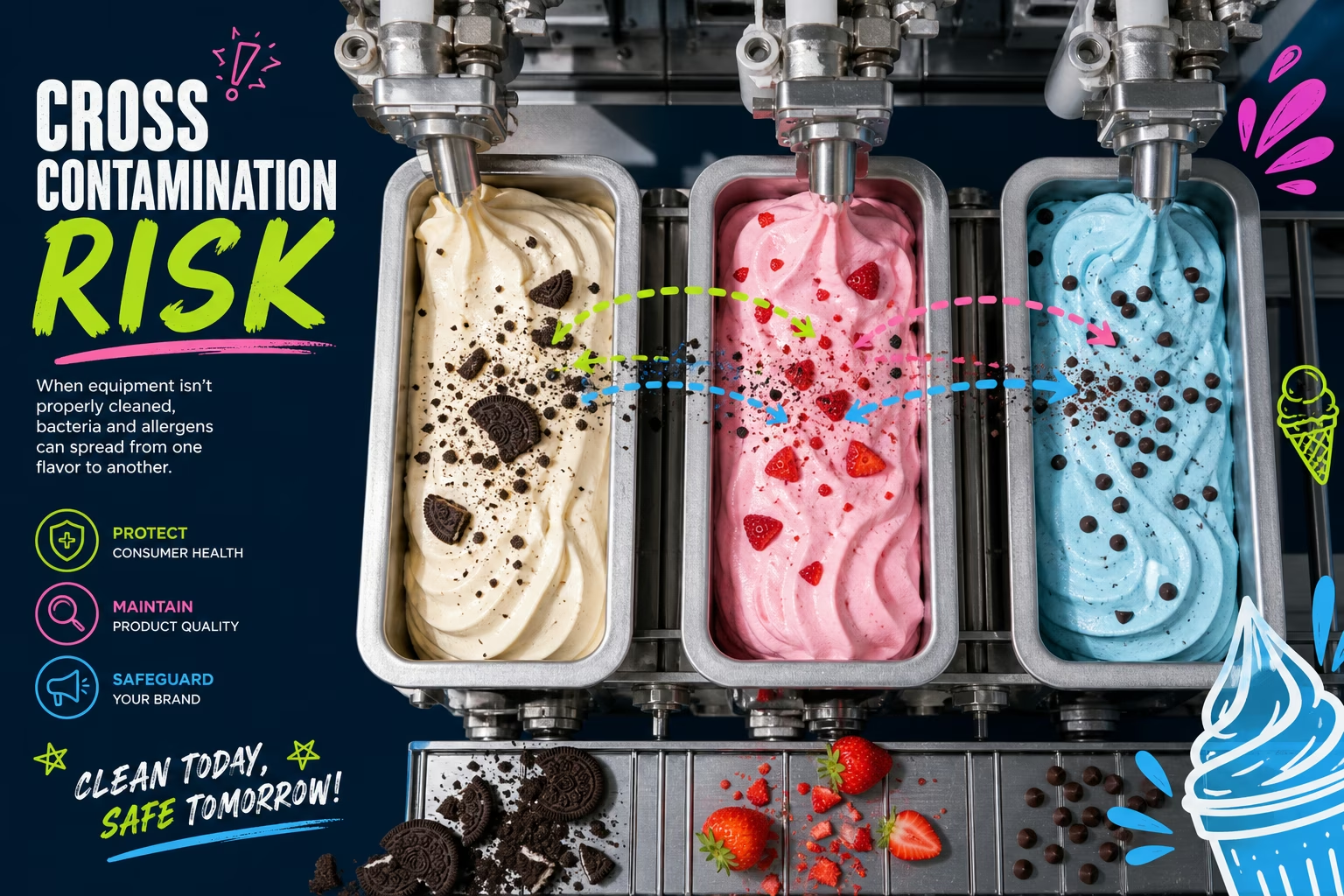
Manufacturing processes matter just as much as ingredients. A statement like “made on equipment that also processes wheat” is a clear warning. Certified gluten-free products must meet strict thresholds of less than 20 parts per million and undergo testing, providing an extra layer of security.
“You have to look beyond the ingredient list to manufacturing practices. Shared lines with gluten-containing products are a significant concern for ice cream, and cross-contact can happen in facilities, in the scoop shop, or even in your own kitchen if you’re not careful.”
Melinda Dennis, MS, RDN, LD, Nutrition Coordinator, Celiac Center at Beth Israel Deaconess Medical Center
How to Choose Safe Gluten-Free Ice Cream Brands?
Reading Labels for Gluten-Free Certification
Your smartphone’s camera is a powerful tool in the frozen aisle. Follow these steps every time you pick up a carton:
- Look for a “gluten-free” claim or a certified gluten-free seal from organizations like the Gluten-Free Certification Organization (GFCO) or the Canadian Celiac Association.
- Scan the ingredient list for any mention of wheat, barley, rye, malt, or ambiguous terms like “natural flavor” without further explanation.
- Check the allergen statement. In the U.S., the Food and Drug Administration requires that any ingredient derived from wheat must be clearly labeled. If you see “wheat” in a “Contains” statement, put it back.
- Visit the brand’s website for manufacturing information. Some companies voluntarily disclose shared facility risks.
The FDA’s regulation on gluten-free labeling (source) means that a product labeled gluten free cannot contain any wheat, rye, barley, or crossbreeds of these grains unless they have been processed to remove gluten below the 20 ppm threshold. Still, trust but verify.
Recognizing Gluten-Containing Additives
Certain additives send up a red flag. Print this mental checklist and keep it handy while shopping:
- Malt (barley malt, malt syrup, malted milk powder) , instant no.
- Wheat protein or wheat flour , obvious but easily overlooked in novelty bars.
- Modified food starch , if the source isn’t named and the product isn’t labeled gluten free, assume it could be wheat-based, especially with imported products.
- Caramel color , rarely derived from barley in the U.S., but possible; safer when labeled gluten free.
- Brewer’s yeast , a byproduct of beer brewing and likely gluten-containing.
When in doubt, choose a brand that specifically calls out its gluten-free status on the package. For even more label-reading wisdom, revisit The Ultimate Gluten-Free Guide: Foods, Substitutes & Living Well Without Gluten where we break down every aisle.
What Are the Best Gluten-Free Frozen Desserts?
Stop staring longingly through the glass freezer door. You have more options than you think. Here are the top gluten-free frozen treats that let you indulge without second-guessing every bite.
1. Certified Gluten-Free Ice Cream Brands
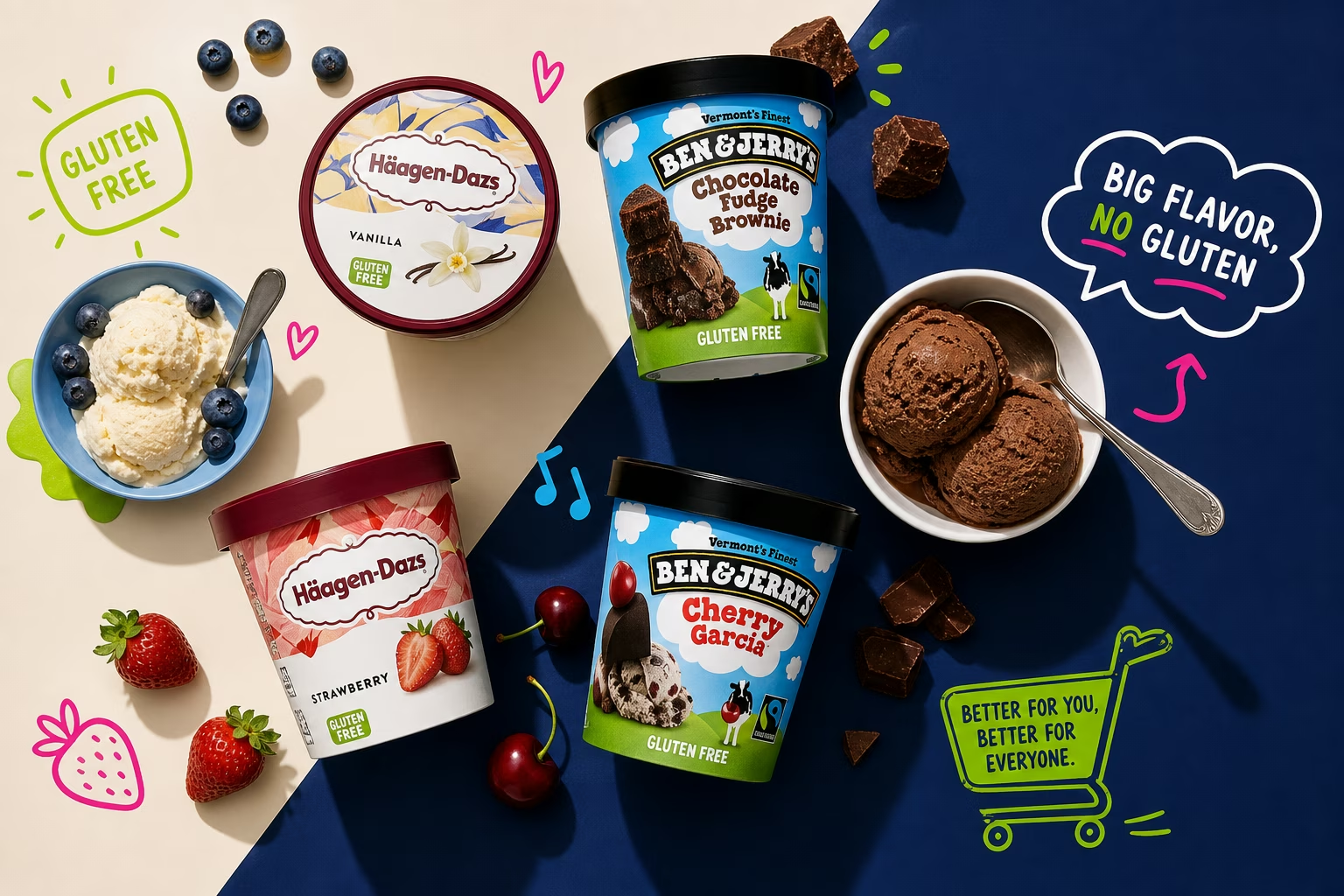
Many major brands now offer clearly labeled gluten-free options. Häagen-Dazs lists gluten-free flavors on its website and packages. Ben & Jerry’s has a dedicated gluten-free lineup, including flavors like Cherry Garcia and Phish Food that are certified. Breyers and Turkey Hill also have numerous gluten-free varieties; just double-check the label because a few exceptions (like Breyers’ Chocolate Chip Cookie Dough) exist. So Delicious dairy-free frozen desserts are another excellent choice, with many certified gluten-free options.
Small-batch local creameries may not have the budget for certification, but they often use minimal ingredients. Ask about their sourcing and whether they make gluten-containing flavors in the same facility.
2. Creamy Pudding Cups: Is Pudding Gluten Free?
You may wonder “is pudding gluten free” when you crave a spoonable, creamy dessert. Most traditional pudding mixes and ready-to-eat cups are naturally gluten free because their thickener is cornstarch. Brands like Jell-O and Kozy Shack clearly label their products gluten free in the U.S. Still, vigilance is required because some imported or specialty puddings may use wheat-based thickeners. Always look for the words “gluten free” on the package. The Gluten Intolerance Group reminds shoppers that “pudding is often gluten free, but vigilance is key because some thickeners may be derived from wheat.”
“Pudding is often gluten free, but vigilance is key because some thickeners may be derived from wheat. When in doubt, contact the manufacturer.”
Cynthia Kupper, RD, Executive Director, Gluten Intolerance Group
3. Dippin’ Dots and Beaded Ice Cream: Are Dippin Dots Gluten Free?
The question “are dippin dots gluten free” pops up frequently at malls and theme parks. Dippin’ Dots themselves state on their allergen page that many of their flavors are formulated without gluten ingredients. However, they caution that because their products are made in a facility that also processes wheat, they cannot guarantee zero gluten. For the most sensitive individuals, even this risk is too great. Always check the official Dippin’ Dots allergen chart before ordering, because facility conditions can change.
“Because our products are made in a facility that also processes wheat, we cannot guarantee 100% gluten-free status on all flavors, even if the ingredients are gluten free.”
Dippin’ Dots Company, Allergen Statement
4. Gluten-Free Gummies for a Chewy Fix
Gluten free gummies bring a chewy, fruity texture to your frozen dessert game. Whether you scatter them over ice cream or enjoy them straight from the bag, brands like Albanese, Black Forest, and Surf Sweets produce gummy bears and worms that are labeled gluten free. These candies rely on corn syrup and starch rather than wheat flour. Always verify that no glucose syrup from wheat sneaks into the mix, though in the U.S. this is rare. Pair a bowl of gluten-free gummies with a scoop of vanilla ice cream for a playful, safe sundae.
5. Homemade Ice Cream with Safe Toppings
When you take control of the kitchen, uncertainty vanishes. A simple base of heavy cream, whole milk, sugar, vanilla, and a pinch of salt churns into the purest gluten-free ice cream. From there, you can fold in chunks of gluten-free brownies, swirls of nut butter, or fresh fruit.
Using Gluten-Free Sprinkles and Icing
Do you miss the rainbow crunch on top? Gluten free sprinkles exist and they are easy to find. Brands like Wilton offer specifically labeled gluten-free sprinkles. Always read the ingredient statement, as some decorative sprinkles use wheat starch for binding. For the icing drizzle, you need gluten free icing, often sold in tubs by Duncan Hines or Betty Crocker with a clear gluten-free label. You can also make powdered sugar icing at home using gluten-free vanilla extract and confectioners’ sugar, which is almost always cornstarch-based and safe. With these toppings, your DIY sundae rivals any store-bought version.
“Making your own gluten-free ice cream at home is the safest bet because you control every ingredient, from the base to the mix-ins. You can even recreate classic flavors that are otherwise off-limits.”
Nicole Hunn, author of “Gluten-Free on a Shoestring”
How to Enjoy Ice Cream Safely at Parties and Restaurants?
Communicating with Staff and Avoiding Cross-Contact
Social situations can feel like a minefield. When you arrive at a birthday party or a restaurant that serves ice cream, speak up. Calmly and clearly tell the server or host that you need a gluten-free scoop from a fresh container, using a clean scooper that hasn’t touched any other flavors. Ask them to avoid the cone holder area entirely. Many dedicated ice cream shops now keep a list of gluten-free flavors and will open a new tub upon request.
If you’re at a buffet or self-serve bar, watch out for crumblings. Cookie and brownie bits migrate easily. Stick to the untouched, labeled sections and consider bringing your own gluten-free cone or bowl to avoid contamination from shared surfaces.
Safer Toppings: Gluten-Free Sprinkles and Icing
Topping bars are notorious for hidden gluten. Crushed cookies, granola, and even some sprinkles may not be safe. Keep a stash of gluten free sprinkles in your bag if you love a crunchy finish. As for sauces, chocolate and caramel syrups often carry a gluten-free claim on the bottle, but always check. Gluten free icing can also transform a simple scoop into a celebration without worry. Look for small, single-serve packs of certified gluten-free icing that you can carry with you. At home, stock up on a few go-to brands so your sundae station is always ready.
Living gluten free doesn’t mean kissing frozen desserts goodbye. With a little label literacy and a dash of creativity, you can fill your freezer with delicious, safe treats. Whether you pick up a pint of certified gluten-free ice cream, whip up homemade pudding, or toss gummies into the mix, you’ve got endless ways to stay cool. For even more ingredient deep dives and substitution ideas, keep The Ultimate Gluten-Free Guide: Foods, Substitutes & Living Well Without Gluten bookmarked on your phone.
Is all ice cream gluten free?
No, not all ice cream is gluten free. While the base ingredients are usually safe, mix-ins and flavorings can contain gluten.
How can I tell if an ice cream is gluten free?
Look for a gluten-free label or certification on the packaging. Always check the ingredient list for any gluten-containing components.
Can cross-contamination occur with ice cream?
Yes, cross-contamination can occur during manufacturing or serving. It’s important to choose certified gluten-free products and communicate your needs when dining out.
Are there gluten-free ice cream brands?
Yes, many brands offer gluten-free options, including Häagen-Dazs, Ben & Jerry’s, Breyers, and So Delicious.
What should I do if I’m unsure about an ice cream’s gluten content?
If you’re unsure, it’s safest to avoid it or consult the manufacturer for more information.
Are homemade ice creams safer for gluten-free diets?
Yes, making ice cream at home allows you to control all ingredients, ensuring they are gluten free.