Is Butter Gluten Free?
You stand in the dairy aisle, a stick of butter in hand, and a question pops into your mind: “Is butter gluten free?” It is a common concern for anyone navigating celiac disease, gluten intolerance, or a gluten free lifestyle. The short answer is yes, plain butter is naturally gluten free. Butter comes from churning cream, and cream contains no gluten proteins. However, the real answer lives in the details of processing, flavoring, and cross-contact. This guide walks you through every dairy staple, from milk to yogurt to whipped toppings, so you can shop, cook, and eat with confidence. If you are just starting your gluten free journey, our The Ultimate Gluten-Free Guide: Foods, Substitutes & Living Well Without Gluten can help you build a solid foundation.
How Can You Tell If Butter Is Gluten Free?
Butter is one of the simplest dairy products, yet not every stick or tub is automatically safe. The best way to know for sure is to become a label detective. Focus on the ingredient list and any voluntary gluten-free claims. Plain butter, whether salted or unsalted, contains only cream and sometimes salt. Those two ingredients are gluten free. Complications arise when manufacturers add herbs, spices, honey, or other mix-ins. Those extras can introduce gluten through flavorings or anti-caking agents.
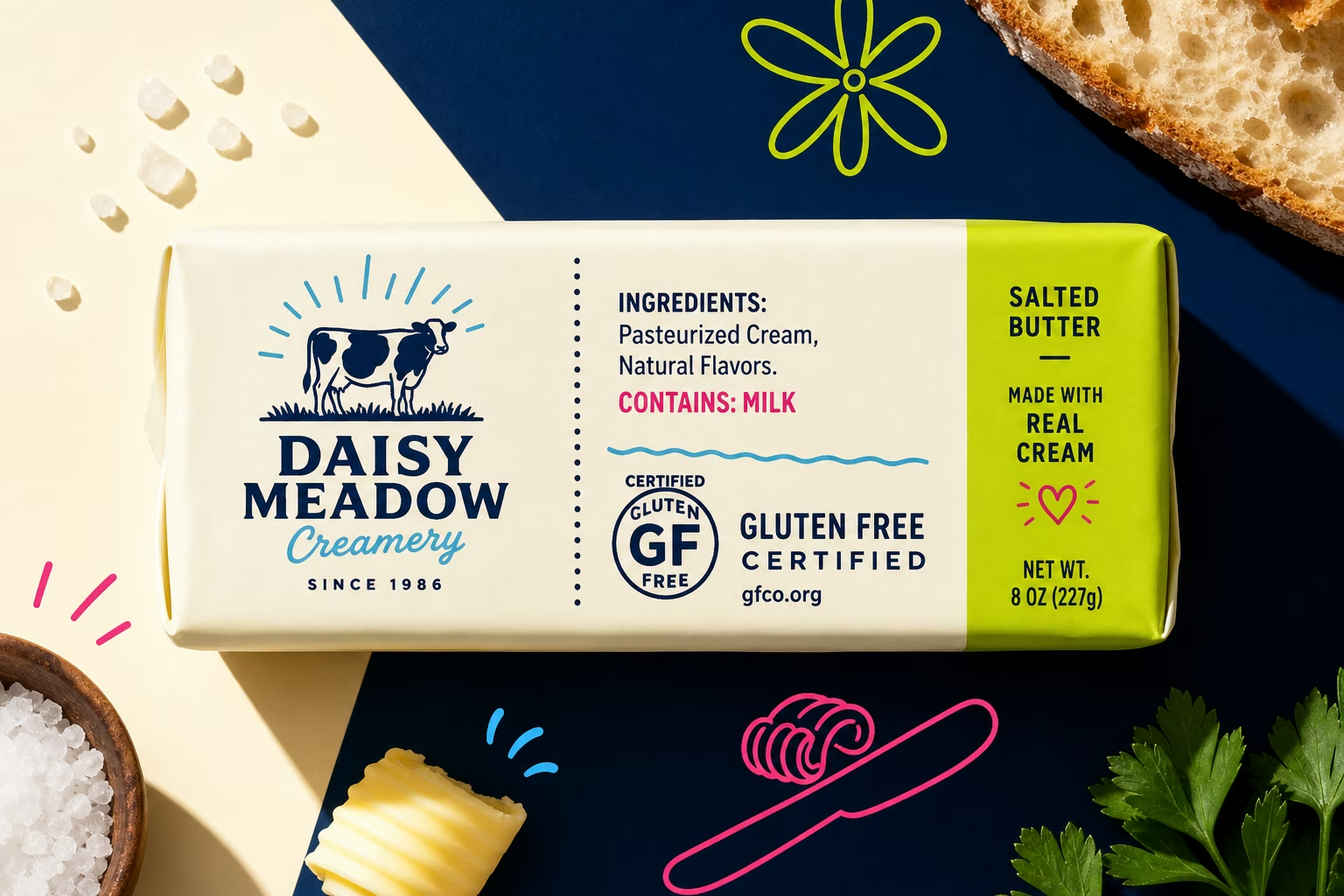
Even when the ingredient list looks clean, shared equipment or a facility that also processes wheat-based products might be a concern for those with extreme sensitivity. In most cases, major butter brands test well below the FDA threshold of 20 parts per million of gluten. Still, a dedicated gluten-free label provides extra peace of mind.
“Butter made solely from cream is naturally gluten-free. The risk lies in flavored varieties and products made on shared lines where wheat-based ingredients might be present.”
Tricia Thompson, MS, RD, Founder, Gluten-Free Watchdog
What Ingredients Make Butter Unsafe?
When you spot compound butters, whipped butters, or plant-based butter blends, the ingredient list grows longer. These are the red flags to watch for: malt vinegar (derived from barley), wheat starch, modified food starch that is not specified as corn or potato, and natural flavors that have not been verified gluten free. Some butters meant for baking may also contain flour as a thickening agent, though this is rare in pure butter products. Always scan for words like “malt,” “barley,” “wheat,” or “rye.” The gluten free lifestyle means making this scan a habit for every purchase.
European-style butters can be a little trickier. They often contain cultures, which are typically safe, but in very rare cases a culture might be grown on a gluten-containing medium. This is extremely uncommon, but if you are ultra-sensitive you can contact the manufacturer to ask about the cultures they use. Stick to brands that clearly state “gluten-free” on the package to sidestep guesswork entirely.
How to Check Butter Labels for Gluten
Give yourself a simple checklist each time you pick up a new butter product. A few seconds of scrutiny can prevent days of discomfort. Here is a straightforward process you can use in the grocery aisle or at home.
Step 1: Look for a Gluten-Free Certification
Check the front panel or the area near the nutrition facts box for a gluten-free seal, such as the certified gluten-free mark from the Gluten Intolerance Group or the Celiac Support Association. A certification means the product has been tested and meets strict gluten-free standards, usually under 10 ppm. If you see this, the butter is safe.
Step 2: Scan the Ingredient List for Hidden Gluten
Turn the package and read the full ingredient list. Plain butter should read: cream, salt (if salted). If you see anything else, evaluate every single addition. Look for wheat, barley, rye, malt, and ambiguous “starch” or “flavoring.” When in doubt, search online for the brand’s gluten statement or call their customer service line. The Celiac Disease Foundation recommends this practice for any processed food, even those that seem naturally gluten free.
“The safest way to determine if a dairy product is gluten-free is to read the label and look for a gluten-free certification. The FDA requires that products labeled ‘gluten-free’ contain less than 20 parts per million of gluten.”
Janelle Smith, MS, RDN, Celiac Disease Foundation
Is Milk Gluten Free? What About Yogurt, Sour Cream, and More?
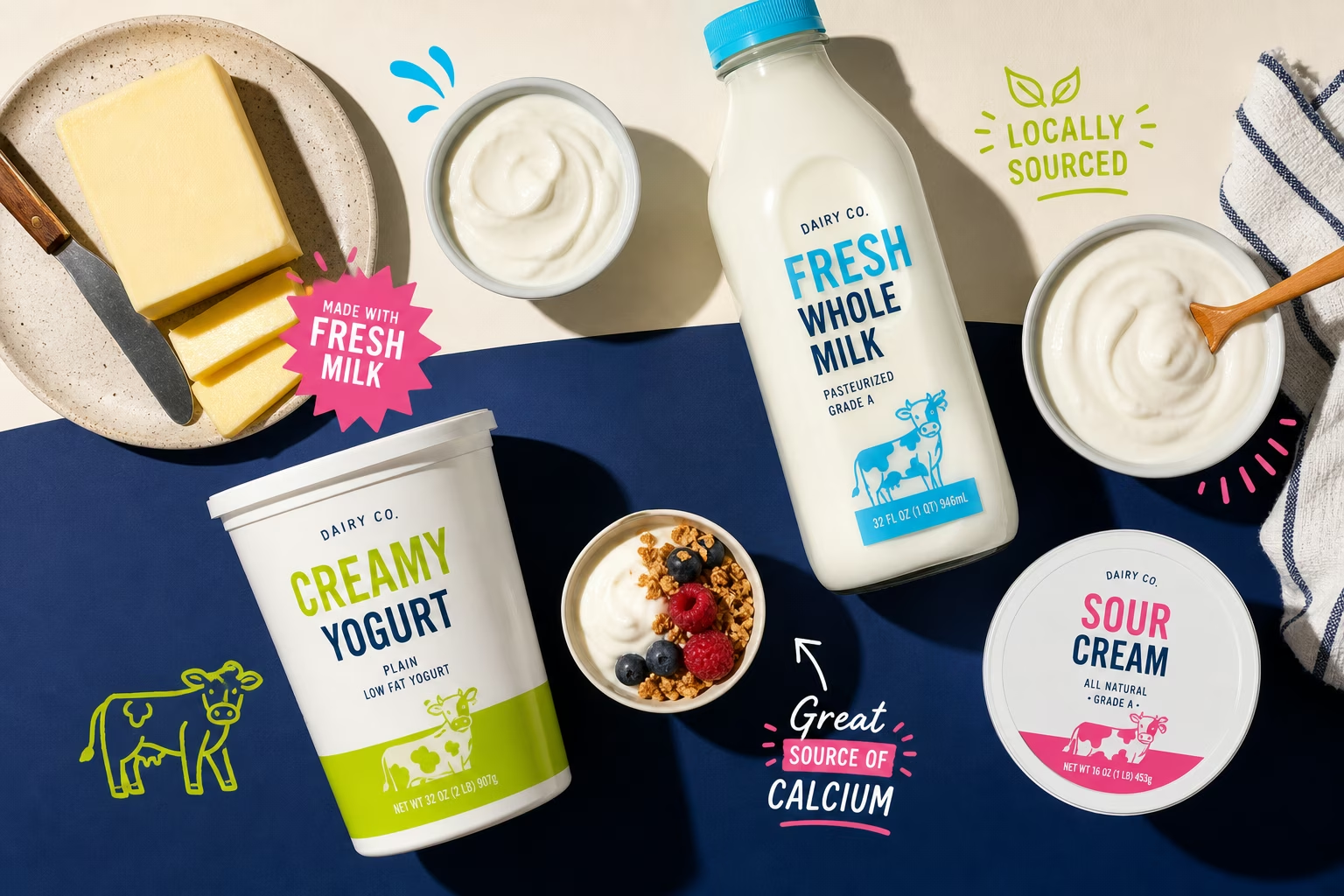
Plain dairy products as a category are a cornerstone of a gluten free kitchen. The primary keyword guiding this article is “is butter gluten free,” but your fridge likely holds many other dairy items. You need to know if they are safe, too. We will take a walk through each major dairy category, from simple milk to complex whipped toppings. The news is reassuring: most are naturally gluten free. Yet a few processed versions deserve a closer look.
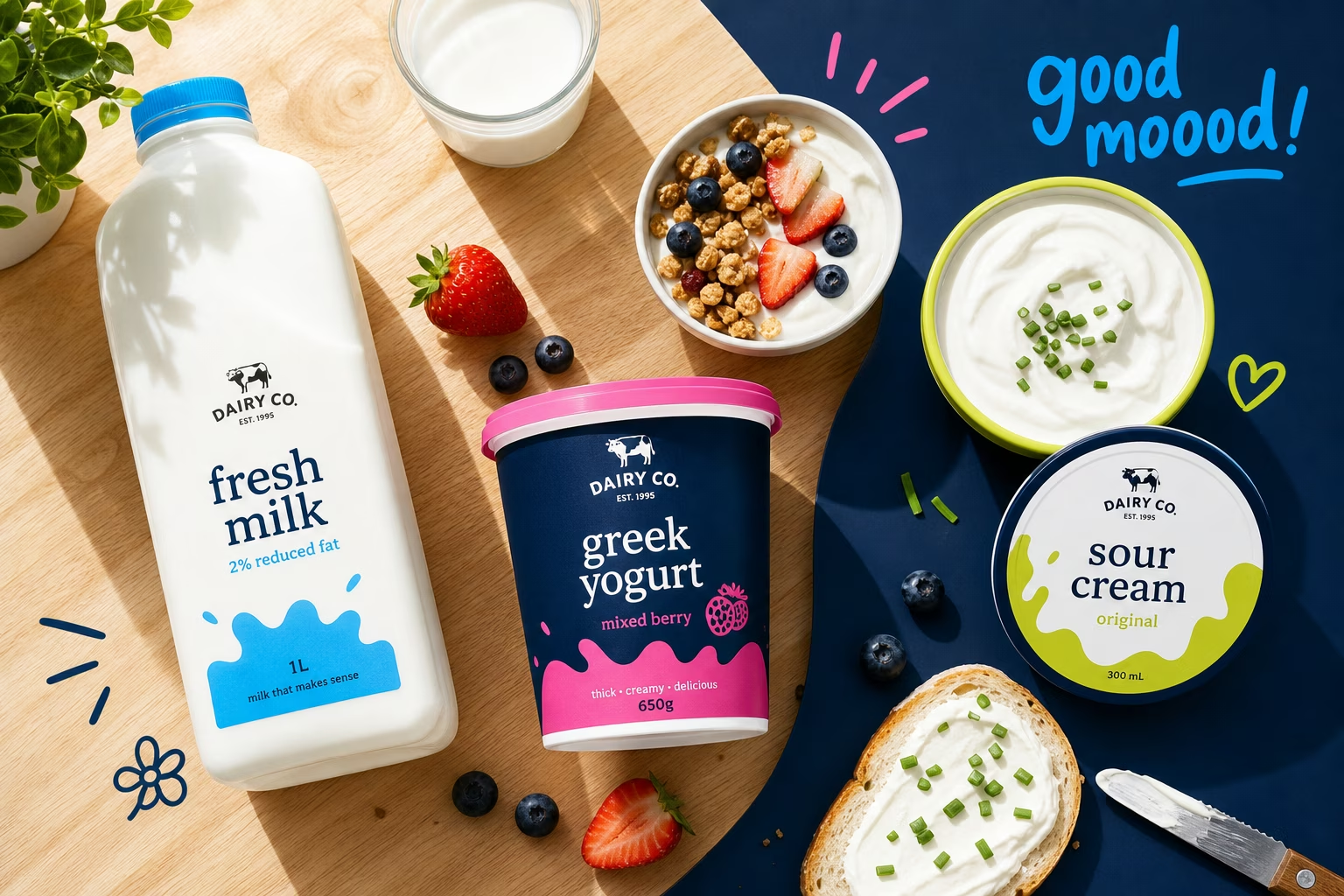
According to a 2023 allergen awareness report by the Gluten Intolerance Group, over 80 percent of adults on a gluten free diet name “reading ingredient labels on every purchase” as their top strategy. That habit pays off big time in the dairy department. Start with the basics and build your knowledge from there.
Is Milk Gluten Free? Breaking Down Plain and Flavored Varieties
Plain fluid milk, whether skim, low-fat, or whole, is completely gluten free. It comes from cows, not grains. The simple processing it undergoes to pasteurize and homogenize does not add gluten. When you grab a gallon of regular white milk, you can pour without worry.
Flavored milks change the equation. Chocolate milk, strawberry milk, and seasonal flavors like eggnog may use thickeners or flavoring syrups that contain gluten. Carrageenan, a common thickener, is gluten free, but malted milk powders (common in some chocolate drinks) contain barley malt. Always check the label of any milk that is not plain. Many brands now label their chocolate milk as gluten free because they recognize the concern. If it is not labeled, look for malt ingredients or ambiguous natural flavors.
Is Yogurt Gluten Free? Understanding Regular and Greek Yogurt
Plain yogurt, whether regular or Greek style, is naturally gluten free. The basic ingredients are milk and live cultures, neither of which contain gluten. Greek yogurt, in particular, is strained to remove liquid whey, concentrating the protein without introducing gluten. So if you are asking “is Greek yogurt gluten free,” the answer is a strong yes for the plain varieties.
Flavored yogurts are where gluten can sneak in. Fruit-on-the-bottom and blended yogurts sometimes use modified food starch as a thickener, though most major brands now use corn starch or tapioca. Granola or cookie crumble toppings included in some yogurt cups are definite red flags unless clearly marked gluten free. Even small amounts of wheat-based cookie pieces or barley malt in granola can trigger a reaction. According to celiac disease researchers, even trace amounts of gluten can cause intestinal damage over time, so diligence with yogurt mix-ins is critical.
“Plain yogurt, including thick Greek varieties, is a safe and nutritious choice for people with celiac disease. The risk comes from flavored yogurts with hidden additives or crunchy toppings containing wheat.”
Amy Keller, MS, RDN, LD, Celiac Support Association
Is Sour Cream and Cream Cheese Gluten Free? What to Watch For
The simple answer to “is sour cream gluten free” is yes. Traditional sour cream is cultured cream, and it contains no gluten. The same goes for “is cream cheese gluten free”: plain block or tub cream cheese is free from gluten. These spreads are made from milk and cream, with stabilizers like locust bean gum or carrageenan that are gluten free.
The complication arises with flavored or whipped versions. Herb-infused sour creams, onion dips, and veggie cream cheese spreads might include seasoning blends that use wheat flour as an anti-caking agent. Chive and onion cream cheese from popular brands is often labeled gluten free, but do not assume. Take a few seconds to scan the ingredient panel for “wheat,” “barley,” “rye,” or “malt.” Most light cream cheese products, which have added gums and starches, are also safe, but a quick label check confirms it.
Is Cool Whip Gluten Free? The Lowdown on Whipped Toppings
Cool Whip, the iconic non-dairy whipped topping, raises the question of “is Cool Whip gluten free” frequently in online forums. The regular Cool Whip Original and many seasonal flavors are considered gluten free by their manufacturer, Kraft Heinz. According to the company’s allergen and gluten information, the product does not contain gluten ingredients and is made in facilities with good manufacturing practices to avoid cross-contact, though it is not certified.
Still, you should read the label each time. Formulations can change. The Lite and Sugar Free versions also do not list gluten ingredients, but the sugar free version uses modified corn starch, which is not a gluten concern. If you are highly sensitive or have celiac disease, stick to brands that explicitly state “gluten-free” on the package or contact the manufacturer for the most current testing information. The same principle applies to store-brand whipped toppings. Never assume a product is safe just because the name brand is; private labels may use different starch sources.
What Hidden Gluten Risks Exist in Dairy Products?
Dairy products have a surprisingly clean base. Still, two main hidden risk categories can trip up even seasoned label readers: cross-contamination during processing and gluten hiding in additives. Understanding these risks transforms you from a worried shopper into an empowered one.
Cross-contamination happens when dairy products are made on equipment that also processes wheat, barley, or rye. For example, a facility might run a chocolate milk containing barley malt on the same line as plain milk. Even thorough cleaning can leave traces. Additives are the second risk category. Let us look closely at both.
Cross-Contamination in Dairy Processing Facilities
Shared equipment is common in the food industry. Large dairy plants may also package plant-based milks or flavored coffee creamers that use gluten-based ingredients. While cleaning protocols are rigorous, traces can remain. The FDA allows products labeled “gluten-free” to contain up to 20 ppm of gluten, which is generally considered safe for most with celiac disease. However, uncertified products may not be tested for this threshold.
If you react to very small amounts, choose dairies that have dedicated gluten-free facilities or at least a strong allergen management program. Some smaller, local dairies only process milk and cream, minimizing the chance of cross-contact. Do not hesitate to call the customer service number on the carton and ask: “Do you make any grain-containing products on the same equipment?” Their answer will guide your next purchase.
Added Flavorings, Thickeners, and Gluten
The ingredient statement is your best friend. In dairy products, the gluten risks usually come from three sources: malt flavoring (derived from barley), hydrolyzed wheat protein (used in some spreadable butters), and wheat-based thickeners. Malt is especially sneaky; it appears in “malt extract,” “malt syrup,” and “malt flavoring.” All are not gluten free.
Thickeners like modified food starch can be derived from corn, potato, or wheat. The FDA requires that wheat-starch be declared on the label, so if the starch source is not listed and wheat is not declared, it is likely corn based. However, this rule only applies to products regulated by the FDA, and some imported items may not follow the same standard. When in doubt, reach out to the manufacturer. The peace of mind is worth the two-minute phone call.
“I always tell clients that plain dairy is safe, but the moment a product is flavored or has a long list of additives, gluten can sneak in. Treat every new package as an investigation.”
Rachel Begun, MS, RDN, Culinary Nutritionist and Gluten-Free Lifestyle Expert
Remember that even the term “natural flavors” can sometimes contain barley malt, though this is less common in dairy than in other product categories. If a flavored dairy product is not labeled gluten free and you see “natural flavors,” the only way to be certain is to ask. Many manufacturers are transparent about their flavor sources once you reach out.
Armed with these strategies, you can walk through any grocery store and confidently pick up butter, milk, yogurt, sour cream, cream cheese, and whipped toppings. The core question “is butter gluten free” is just the starting point. Every other plain dairy staple follows the same rule: simple is safe, but processed requires a look. For a deeper dive into building a worry-free gluten free pantry, revisit our The Ultimate Gluten-Free Guide: Foods, Substitutes & Living Well Without Gluten. It covers everything from grains to sauces to fresh produce, giving you the full picture of living well without gluten.
Is butter gluten free if it has added flavors?
Not necessarily. Added flavors can introduce gluten, so always check the label for gluten-free certification or scrutinize the ingredient list for potential gluten-containing additives.
How can I ensure my yogurt is gluten free?
Choose plain yogurt or those labeled as gluten free. Be cautious of flavored yogurts with added mix-ins like granola or cookie crumbles, which may contain gluten.
Are all types of milk gluten free?
Plain milk is gluten free. However, flavored milks may contain gluten through thickeners or flavoring syrups. Always read the labels carefully.
What should I look for on cream cheese labels?
Check for gluten-free certification and scrutinize flavored varieties for any wheat, barley, rye, or malt in the ingredient list.
Can sour cream contain gluten?
Plain sour cream is gluten free, but flavored versions may have gluten-containing additives. Always read the label to ensure safety.
Is Cool Whip safe for a gluten free diet?
Cool Whip is generally considered gluten free, but formulations can change. Check the label for updates or contact the manufacturer for current information.
What is the risk of cross-contamination in dairy products?
Cross-contamination can occur in facilities processing both gluten-containing and gluten-free products. Look for products from dedicated gluten-free facilities or with strong allergen management practices.