Is Soy Gluten Free?
This question puzzles many people new to a gluten free diet. Soybeans, in their pure form, contain no wheat, rye, barley, or triticale. But the final product on your plate may hide gluten through processing, flavorings, or cross contact. Understanding the difference between plain soy foods and those that blend in gluten is your first layer of protection. You will soon see that a long list of soy items can fit comfortably into your meals once you know what to look for.
You might feel overwhelmed scanning ingredient labels, wondering which sauces or snacks are safe. The good news is that by learning a few straightforward rules, you can navigate soy products with confidence. This guide walks you through every question you have, from tofu and soybean oil to chickpeas and falafel. All of it is designed to give you practical steps and real world wisdom.
We will explore which soy foods are naturally gluten free, which ones almost always contain wheat, and how to enjoy soy safely at home or when dining out. You will also discover how legumes like chickpeas compare and whether hummus and falafel are part of a gluten free lifestyle. Keep reading and you will master soy and gluten before your next grocery trip.
“Soybeans are naturally gluten free, so plain tofu, edamame, and soy milk are safe for a gluten free diet. The danger comes from added ingredients and cross contact.”
Celiac Disease Foundation, gluten free living resources
What Soy Foods Are Naturally Gluten Free?
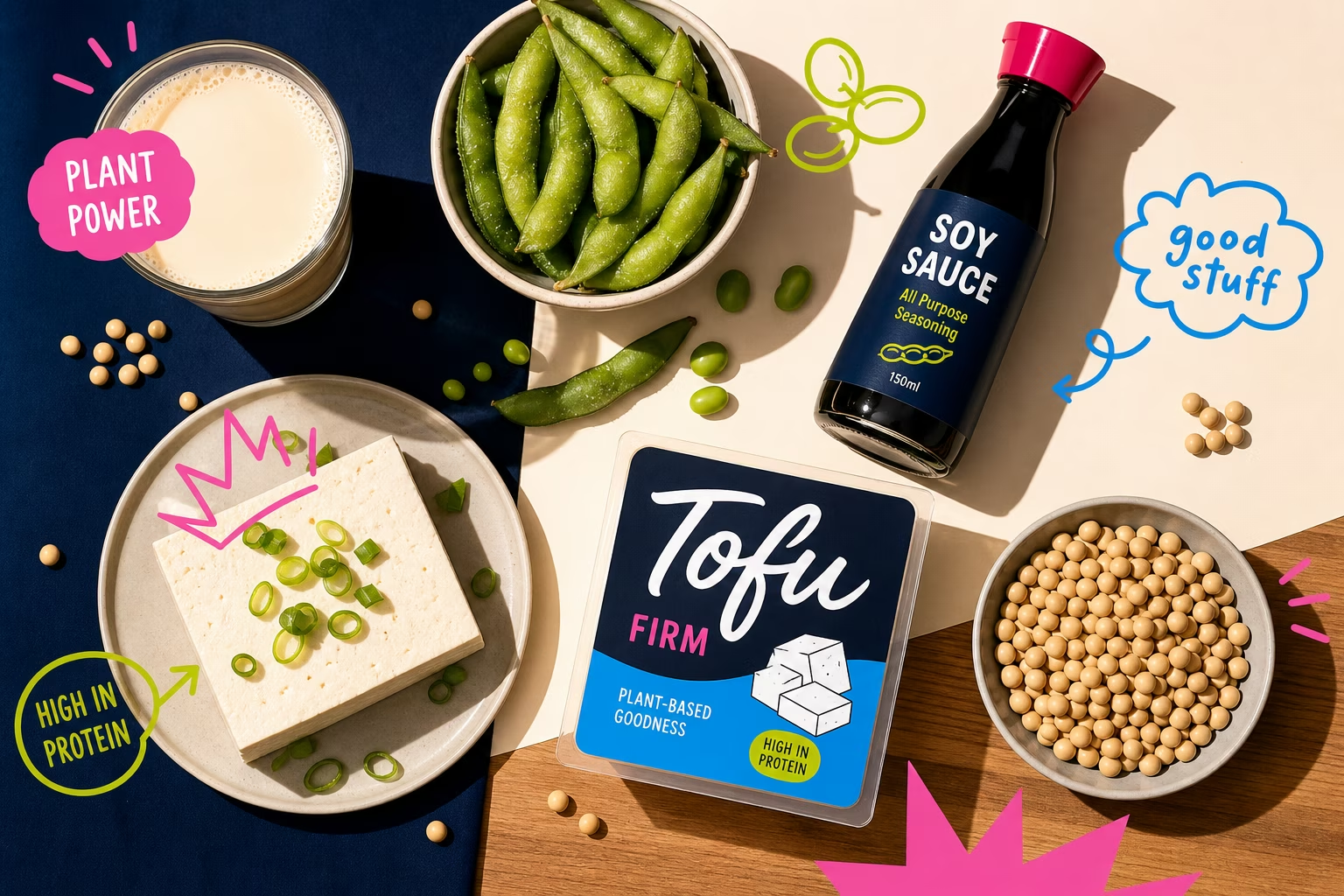
Many whole soy products start with just soybeans, water, and maybe a coagulant. These basics contain no gluten proteins. If you stick to the simplest forms of soy, you are standing on solid ground. The list begins with plain tofu, tempeh, edamame, soy milk, and pure soybean oil. None of these items require gluten for their structure or taste, so unflavored versions are typically safe.
But the moment flavors, broths, or binders enter the picture, you need to pause and read. For example, pre marinated tofu or seasoned edamame packs can slip in soy sauce made with wheat. This is why you will hear the same advice over and over: always verify the label. In this section, we will break down the most common naturally gluten free soy foods and point out exactly when to be cautious.
Remember that cross contact during manufacturing can also introduce gluten. A product might be made from soybeans alone yet come from a facility that handles wheat. That is not a guarantee of gluten, but it is a signal to look for a certified gluten free seal or a voluntary allergen statement. With that in mind, let us look at specific foods.
Plain Tofu and Tempeh: Gluten-Free Staples
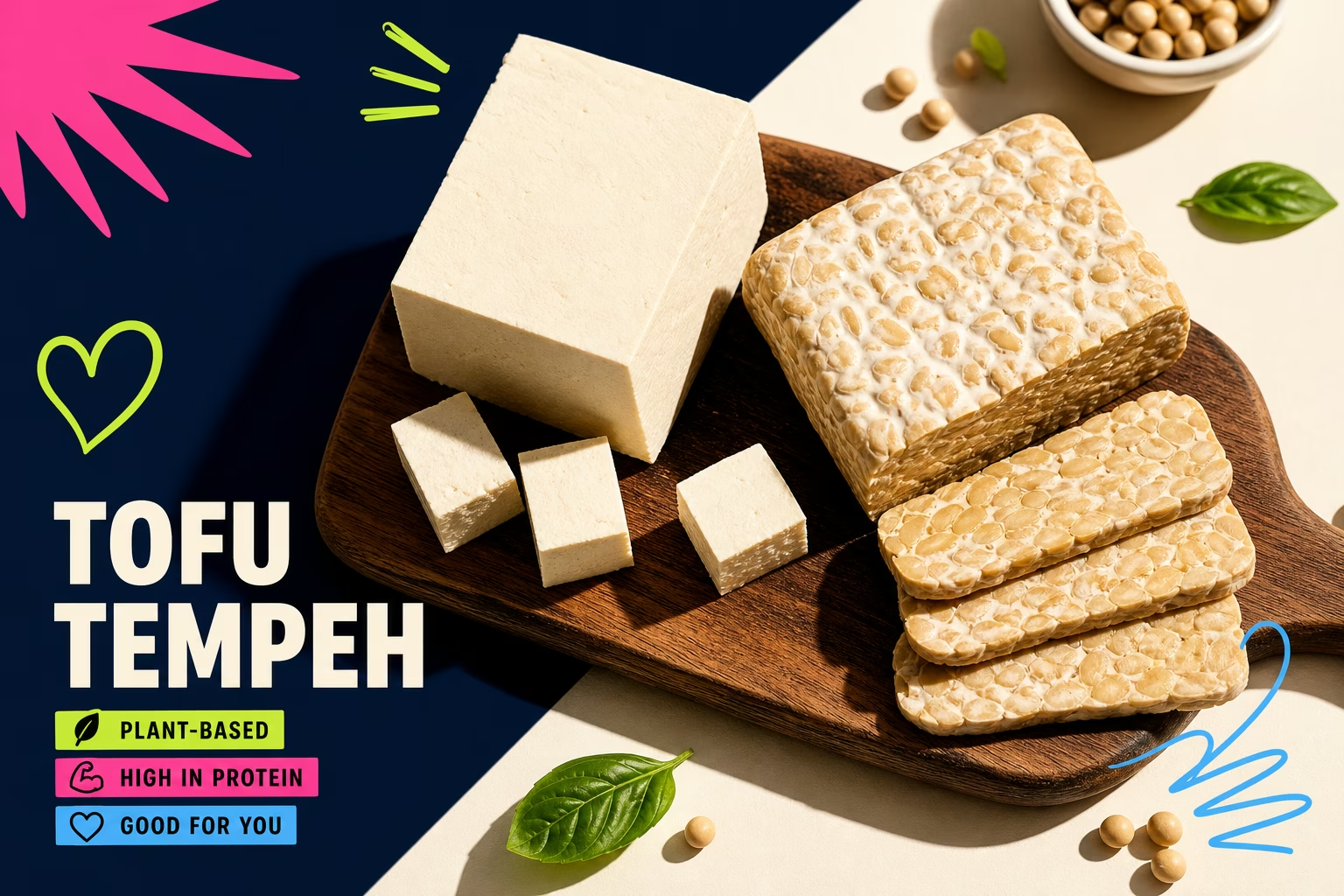
Tofu starts with soy milk and a coagulant like calcium sulfate or nigari. Neither of these ingredients contains gluten. Firm, soft, silken, or extra firm plain tofu blocks generally fit perfectly into your gluten free pantry. The same goes for tempeh, which is fermented soybeans pressed into a cake. Traditional tempeh uses only soybeans and a starter culture, making it a reliable protein source.
Problems creep in when tofu or tempeh comes pre seasoned, smoked, or baked in a sauce. Some brands add soy sauce, teriyaki, or other wheat derived flavorings directly to the package. You can avoid those pitfalls by buying plain varieties and adding your own gluten free seasonings at home. Grill it with olive oil, garlic, and herbs, or toss it in a certified gluten free tamari marinade.
“For people with celiac disease, it is essential to read labels even on products that are naturally gluten free, as they may be processed in facilities that also handle wheat.”
Marilyn G. Geller, CEO, Celiac Disease Foundation
If you are wondering is tofu gluten free when you spot a flavored variety, the answer lies entirely on the ingredient panel. Look for wheat flour, wheat starch, hydrolyzed wheat protein, or plain “soy sauce” without a gluten free designation. When in doubt, choose plain tofu and tempeh, then flavor them yourself. The extra five minutes of marinating or stir frying are worth the peace of mind.
Edamame and Soy Milk: Safe Starting Points
Edamame are young soybeans steamed in their pods. Their only ingredients should be soybeans and maybe salt, so they are naturally free of gluten. Frozen bags of plain edamame are a quick snack or salad topper. Watch out for dry roasted or flavored edamame snacks, which sometimes use soy sauce powder or wheat based seasonings. Stick to the basic frozen pods or shelled beans and you are golden.
Soy milk follows a similar pattern. The liquid made from soaked and ground soybeans is intrinsically gluten free. Unflavored, unsweetened soy milk rarely causes trouble. Flavored varieties, such as vanilla or chocolate soy milk, can still be safe, but you must scan the label for barley malt extract or wheat based thickeners. Most mainstream soy milk brands clearly label for gluten, yet it is wise to double check.
You might notice that some coffee chains or cafes use oat or barley additives in soy milk blends. When ordering a latte, ask the barista to show you the soy milk carton. If it contains anything beyond soy, water, and sweetener, you may need to pivot to a different drink. At home, keep a carton of plain soy milk handy for cereal, smoothies, and baking.
Soybean Oil: Is It Gluten Free?
The question soybean oil is gluten free arises often, especially when scanning salad dressing ingredients. Highly refined soybean oil is considered safe for a gluten free diet because the distillation process removes proteins, including gluten. The Celiac Disease Foundation and other celiac organizations state that refined soybean oil does not contain gluten and does not trigger a reaction in people with celiac disease.
Cold pressed or expeller pressed soybean oil is also pure fat with no gluten, assuming no flavorings are added later. If you are still asking soybean oil is it gluten free in the context of a packaged food, remember that the oil itself is fine, but the product surrounding it may not be. A mayonnaise or dressing with soybean oil could still contain wheat based vinegar or other gluten ingredients, so evaluate the full formula.
Restaurants often use soybean oil in fryers. Shared fryers are a cross contact hazard because breaded foods leave gluten behind. If you are eating out and soybean oil is the cooking medium, you still need to confirm that the fryer is dedicated gluten free. Otherwise, the oil may be pure, yet what it shares space with matters enormously.
Which Soy Products Often Contain Gluten?
If you only remember one takeaway from this article, make it this: soy sauce is the single biggest gluten pitfall in the soy world. Traditional soy sauce is brewed with roughly equal parts soybeans and wheat. The fermentation process does not break down gluten to a safe level, so it remains present in the final liquid. This one condiment sneaks into countless marinades, soups, stir fries, and snacks, turning an otherwise safe meal into a problem.
Beyond soy sauce, several processed soy foods use wheat for texture or flavor. Soy protein concentrates, textured vegetable protein made with wheat, and soy based imitation meats often contain gluten. Even some brands of miso paste can include barley, though many are made with rice. You cannot assume any soy product is automatically free of wheat, barley, or rye without verifying.
This section lifts the curtain on the soy products that most frequently trip people up. You will learn exactly why soy sauce is a threat, how to spot hidden gluten in marinated or seasoned soy foods, and why tamari is the simple switch that can save your plate.
Soy Sauce: The Wheat-Filled Culprit
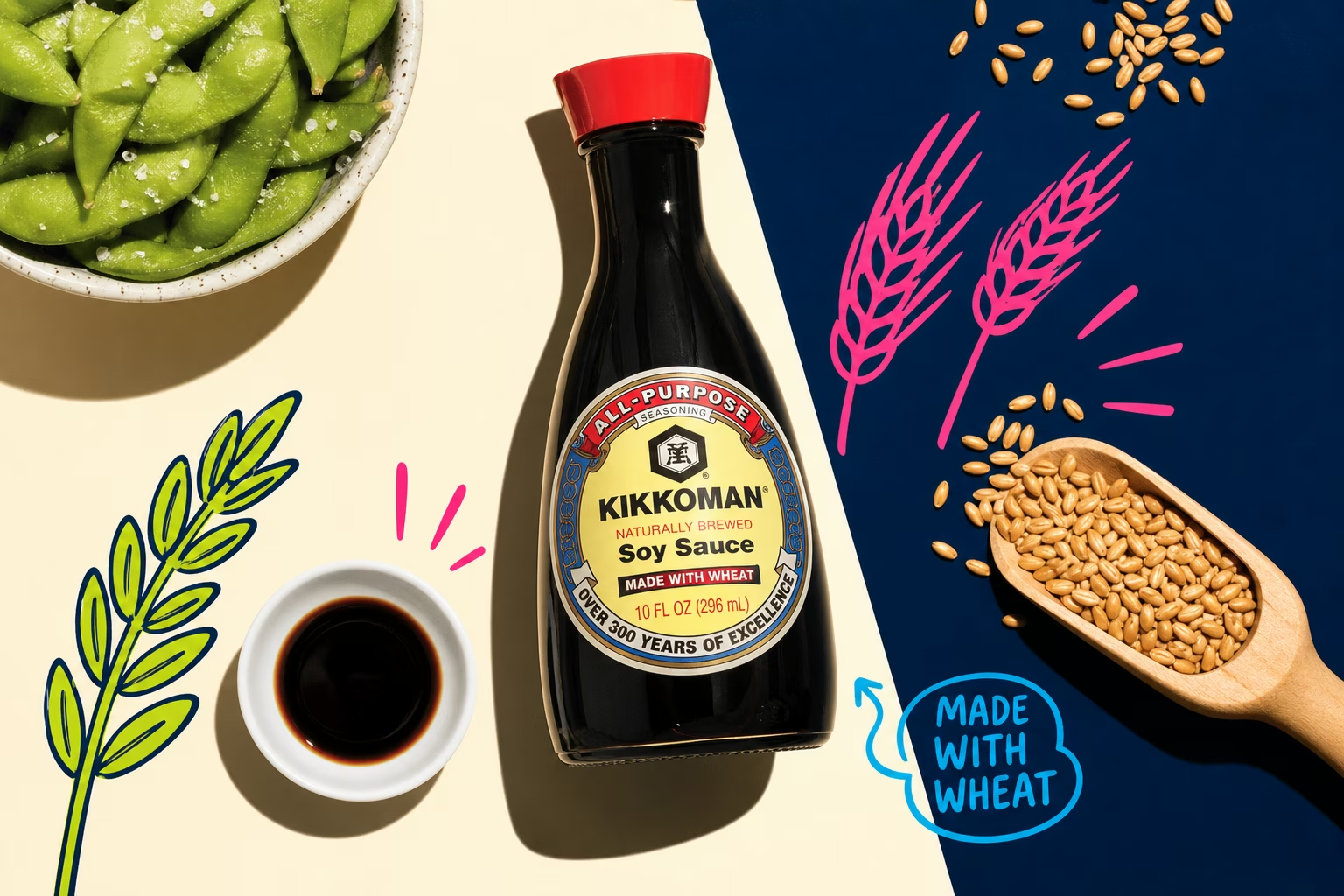
Every expert in celiac disease nutrition points to soy sauce as a top item to replace. The classic Kikkoman soy sauce, for instance, lists wheat as the second ingredient. When you pour it over rice or dip sushi into it, you are consuming gluten. Even a single tablespoon can cause symptoms in sensitive individuals. This is why you must read the label on any bottle called “soy sauce” unless it is explicitly labeled gluten free.
“Since soy sauce is traditionally made with wheat, it is one of the biggest gluten pitfalls for those avoiding gluten.”
Rachel Begun, MS, RDN, culinary nutritionist and celiac disease expert
Many restaurants use soy sauce in their marinades, stir fry sauces, and dipping sauces without even thinking about gluten. You can protect yourself by always asking for gluten free tamari or by carrying your own small travel packets. More kitchens are catching on, but it is still up to you to confirm that the soy sauce they pour is wheat free. A simple question can make all the difference.
Misleading Marinades and Seasoned Soy Products
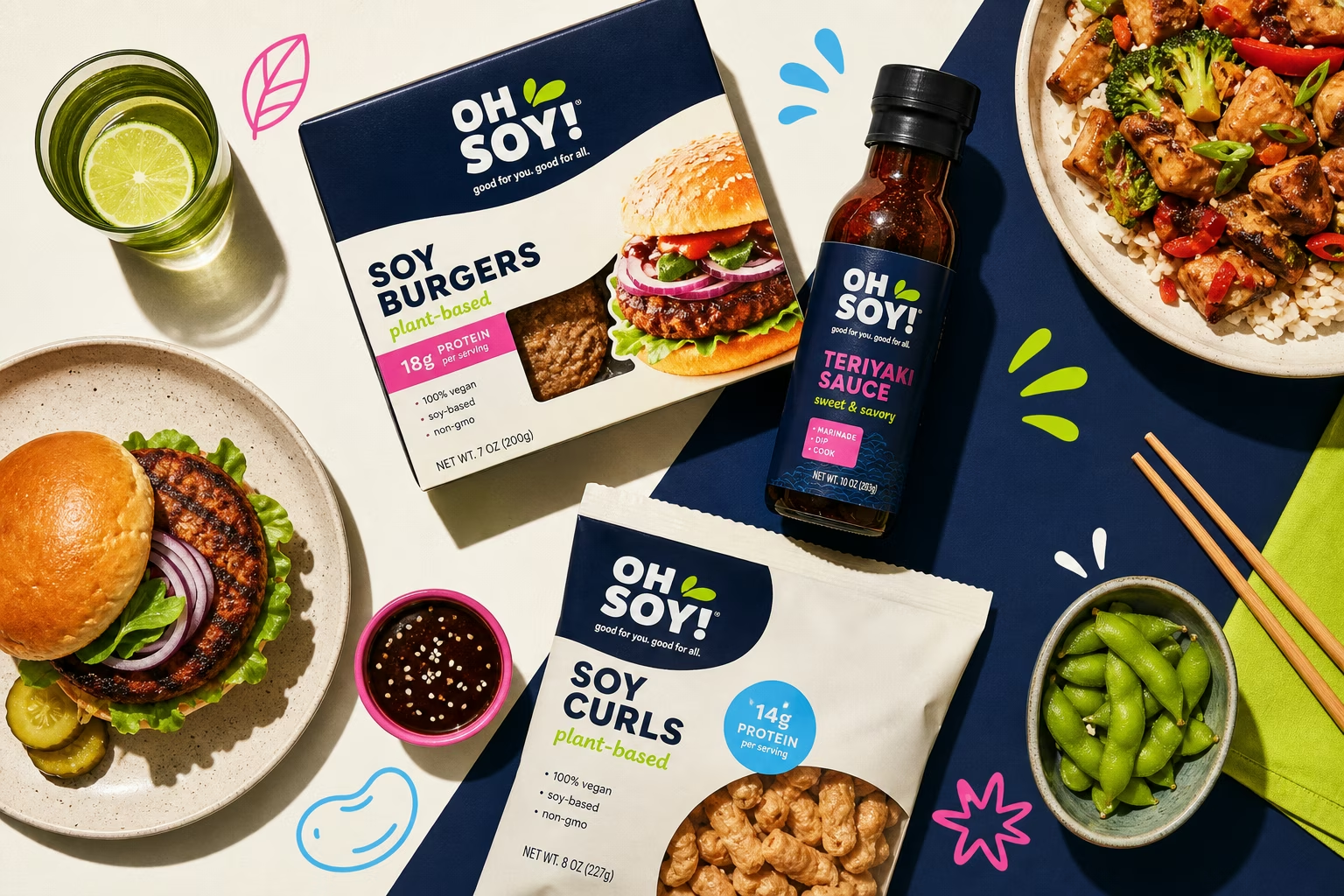
Pre packaged soy based burgers, veggie dogs, and soy crumbles often use wheat gluten as a binder or texturizer. Even when the base ingredient is soy, wheat flour or vital wheat gluten might appear in the ingredient list. This is especially common in meatless sausages, soy chorizo, and soy based deli slices. You might read “soy protein isolate” and feel safe, then discover breadcrumbs or wheat starch hiding further down.
Teriyaki sauce is another classic trap. Most teriyaki recipes rely on soy sauce as a base, so unless the manufacturer swaps in tamari or coconut aminos, you are getting gluten. Glazes on roasted edamame, soy nuts, and crispy soy snacks can also include wheat derived ingredients. Treat every seasoned soy product with caution. The label holds the answer, and if the label is unclear, a quick call or email to the company is a smart move.
Why Tamari Is the Gluten-Free Alternative
Tamari is a Japanese condiment that looks and tastes like soy sauce but is traditionally brewed without wheat, or with only a tiny amount that may be processed out. Many tamari brands today are certified gluten free, meaning they contain less than 20 parts per million of gluten. Because tamari uses a higher proportion of soybeans, it often delivers a richer, less salty flavor, making it a favorite for dipping and cooking.
When you shop for tamari, the word “tamari” alone is not a gluten free guarantee. Check for a gluten free certification mark or a clear statement on the front label. Brands like San J offer organic tamari that is widely accepted in the celiac community. Use tamari anywhere you would use soy sauce: in stir fries, salad dressings, marinades, and soups. It is a small swap with a major impact on your health.
If you want to go beyond tamari, coconut aminos provide a soy free, gluten free option with a sweeter profile. But for the classic umami punch that mirrors soy sauce, tamari remains the gold standard. Once you add a bottle to your pantry, you will quickly realize how little you miss the wheat filled original.
How Can You Safely Enjoy Soy on a Gluten-Free Diet?
Now that you know which soy products are safe and which are risky, the next step is building a strategy for daily life. This is where the how to approach shines. You will learn a simple three step label reading system, understand how to handle cross contamination, and gather ideas for whipping up soy centered meals at home. These practices transform knowledge into action.
Living gluten free does not mean giving up the foods you love. It means becoming a more informed shopper and cook. Soy can be one of your most reliable allies because it offers protein, versatility, and a familiar texture. By following these guidelines, you can stock your fridge with confidence and enjoy everything from silky tofu scrambles to crispy pan fried tempeh.
Reading Labels for Hidden Gluten in Soy Foods
The ingredient list is your true north. Even if a soy product screams “natural” or “organic,” wheat can still appear. You are looking for wheat, barley, rye, malt, or any phrase containing those words. Also watch for “hydrolyzed vegetable protein” when the source is not specified, because it can come from wheat. If the label says “hydrolyzed soy protein,” you are safe from gluten.
After you have scanned the ingredients, check the allergen statement. In the United States, wheat must be declared as a top allergen. A statement like “Contains wheat” is an instant red flag. But remember, barley and rye are not top allergens, so they can sneak in without a bold warning. That is why the ingredient scan remains your primary defense.
For our complete deep dive into building a safe pantry, take a look at The Ultimate Gluten-Free Guide: Foods, Substitutes & Living Well Without Gluten. It covers everything from shopping lists to hidden ingredient names.
Step 1: Check the Ingredients List Carefully
Open the package and locate the fine print. Ignore the front label claims such as “gluten free taste” or “made with whole soy.” The legal regulation is what matters. Scan from the first ingredient to the last. If you see wheat flour, wheat starch, modified food starch (unless specified as corn), or barley malt extract, put the item back. Any mention of soy sauce that does not specify tamari or gluten free status is also a dealbreaker.
Create a mental filter. Over time, you will memorize which brands and varieties are safe, but never let familiarity replace a fresh scan of the label. Ingredients can change without notice. A product you bought last month could now include a wheat based flavor enhancer. This habit protects you from accidental exposure.
Step 2: Look for a Certified Gluten-Free Label
A third party certification symbol, such as the GFCO stamp or the crossed grain mark, indicates that the product has been tested to contain fewer than 10 or 20 parts per million of gluten. This adds an extra layer of reassurance, especially for highly processed soy foods. When you see a certified gluten free tamari or a certified gluten free tofu, you know a rigorous standard has been applied.
Not all safe soy products carry a certification, because the process costs money. Many plain tofu brands do not bother, yet are still safe. Use the certification as a bonus, not a requirement. The ingredient list and allergen statement remain your core tools.
Step 3: Contact the Manufacturer If Unsure
When a soy product looks clean but you want confirmation, reach out to the company. An email or phone call can clarify whether the product shares equipment with wheat or whether the natural flavors contain barley. Most companies now have clear gluten free policies listed on their websites. You can often find a FAQ page dedicated to allergen information without needing to call.
Your voice also encourages manufacturers to improve transparency. As more customers ask about gluten, more brands will choose to label clearly. This step might feel tedious, but it is a powerful way to stay safe and advocate for the gluten free community.
Cross-Contamination Risks and How to Avoid Them
Cross contamination happens when a naturally gluten free soy food touches a surface, utensil, or oil that has been in contact with gluten. In a home kitchen, this can mean sharing a toaster, colander, or cutting board. In a restaurant, it often involves shared fryers, grills, or woks. Soy foods like tofu or edamame can become carriers of gluten without changing appearance or taste.
To avoid cross contamination at home, designate a gluten free zone in your kitchen. Use separate cutting boards for gluten free items and wash all utensils with hot, soapy water after any gluten contact. Porous items like wooden spoons can trap gluten, so opt for silicone or stainless steel. When frying tofu, use a dedicated fryer or a clean skillet with fresh oil.
At restaurants, communicate clearly with your server. Ask if the kitchen uses a separate wok for gluten free dishes and whether the fryer is shared with breaded items. A helpful phrase is, “I have celiac disease and need to avoid even tiny amounts of wheat. Can you prepare my tofu in a clean pan?” Most chefs will accommodate if you explain the seriousness politely. For more dining strategies, revisit The Ultimate Gluten-Free Guide: Foods, Substitutes & Living Well Without Gluten.
Cooking Gluten-Free Soy Dishes at Home
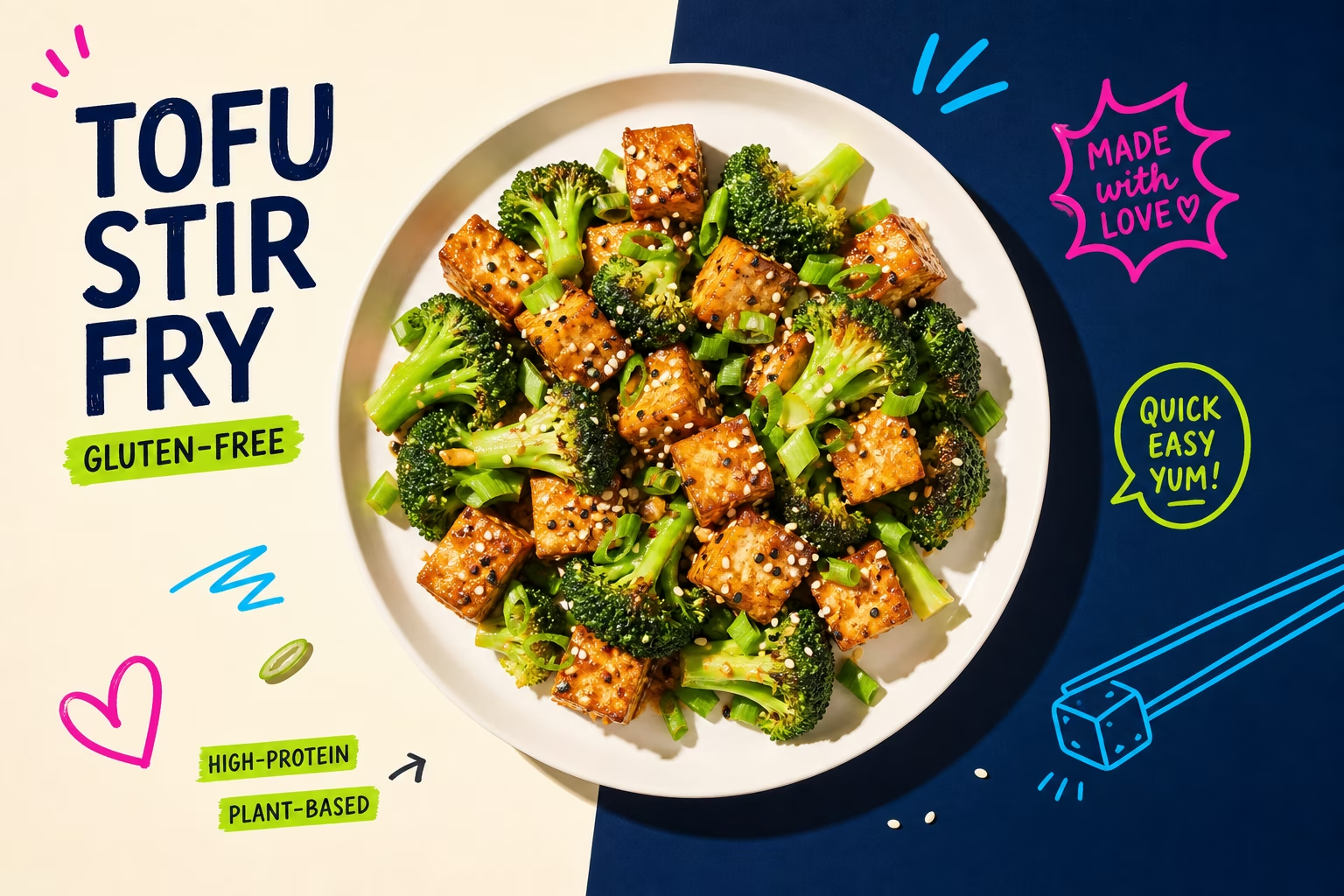
Preparing soy based meals at home gives you total control. Start with a block of plain firm tofu, press out the water, and cut it into cubes. Sauté in avocado oil with minced garlic and grated ginger until golden. Add a splash of certified gluten free tamari, a drizzle of sesame oil, and a handful of steamed broccoli. In fifteen minutes, you have a restaurant quality stir fry without any gluten risk.
Edamame hummus is another quick win. Blend shelled edamame with tahini, lemon juice, garlic, and olive oil until smooth. Serve with gluten free crackers or vegetable sticks. This twist on traditional hummus brings vibrant color and extra protein, and the whole process takes under ten minutes. You can even batch cook it for the week.
Tempeh bacon, made from sliced tempeh marinated in tamari, maple syrup, and smoked paprika, crisps up beautifully in a skillet. Pile it onto gluten free bread with lettuce and tomato for a BLT that leaves you full and satisfied. These recipes prove that living gluten free does not mean bland or boring food. Soy can be the star of countless safe, delicious dishes.
Are Chickpeas and Soy-Free Options Gluten Free?
Chickpeas belong to the legume family, not soy, but they often sit next to soy on the plate. Falafel, hummus, and roasted chickpeas are beloved in gluten free kitchens, yet they can carry hidden gluten. Since you are curious about are chickpeas gluten free and how they compare to soy, this section gives you the complete picture.
In their pure dried or canned form, chickpeas are naturally gluten free. The same holds for chickpea flour, also known as besan or gram flour. The pitfalls appear in prepared foods like hummus or falafel, where wheat flour, breadcrumbs, or shared fryers might sneak in. Understanding these subtle risks helps you enjoy versatile legumes safely.
“Chickpea flour is a fantastic gluten free alternative for baking and thickening, but always source it from a trusted supplier to avoid cross contact with wheat during milling.”
Shelley Case, RD, author of Gluten-Free: The Definitive Resource Guide
Are Chickpeas Gluten Free? Understanding Legume Safety
Plain chickpeas, whether you buy them dry, canned, or frozen, contain only chickpeas, water, and sometimes salt. They are safe and a fantastic source of fiber and plant protein. The isolation from wheat, barley, and rye is clear. Dried chickpeas may carry a “may contain wheat” warning if processed in a facility that also handles wheat, so look for brands that disclose their practices.
Once you move into flavored roasted chickpeas or canned chickpeas in sauce, you must inspect the label. Wheat flour or malt vinegar can appear in spicy or barbecue seasoned varieties. Choose brands that clearly state “gluten free” or roast your own chickpeas at home with olive oil and your favorite spice blend. The homemade route gives you crunch and flavor with zero worry.
Is Hummus Gluten Free? What to Watch For
Traditional hummus is a blend of chickpeas, tahini, lemon, garlic, and olive oil. None of those ingredients contain gluten. Most store bought plain hummus tubs are safe, and you will see many brands voluntarily labeling their hummus as gluten free. The area of caution lies in specialty hummus flavors. Pesto hummus might include wheat based thickeners, and everything bagel hummus could contain actual toasted wheat bits.
When you ask is hummus gluten free at a party or restaurant, the dip itself is probably safe, but the vehicle matters. Pita bread, crackers, and pretzels are common gluten carriers. If you are hosting, serve hummus with carrot sticks, cucumber rounds, and gluten free pretzels. If you are a guest, offer to bring your own dippers or stick to veggies. A few simple questions can save you from an upset stomach later.
Is Falafel Gluten Free? Homemade vs. Restaurant
Falafel is deep fried chickpea patties seasoned with herbs and spices. The interior mixture should be entirely gluten free, composed of ground chickpeas, onion, parsley, and cumin. However, many recipes add a small amount of flour or breadcrumbs as a binder. Wheat flour can easily find its way into the mix at falafel shops and even in some frozen varieties.
The second risk is the fryer. Most falafel restaurants use shared fryers, which means gluten can cross contaminate even a gluten free mix. To stay safe, look for restaurants that advertise gluten free fryers or make falafel at home. It is simple to whip up a batch with gluten free flour or no binder at all. This way, you can enjoy crispy, delicious falafel without worrying about gluten.
Is soy gluten free in all forms?
Not all forms are gluten free. Soybeans and plain soy products like tofu are naturally gluten free, but processed items like soy sauce often contain gluten.
Can I use tamari instead of soy sauce?
Yes, tamari is a great gluten-free alternative to soy sauce. Make sure to choose a brand that is certified gluten free.
What should I look for on labels to avoid gluten?
Check for wheat, barley, rye, and malt in the ingredient list. Also, look for a certified gluten-free label on the packaging.
Are all chickpea products gluten free?
Chickpeas themselves are gluten free, but prepared products like falafel can contain gluten. Always read labels carefully.
How can I avoid cross contamination at home?
Use separate utensils and cutting boards for gluten free cooking and clean all surfaces thoroughly to prevent cross contamination.
Is soybean oil safe for a gluten-free diet?
Yes, highly refined soybean oil is gluten free. However, check the surrounding product for other gluten containing ingredients.