Is Wine Gluten Free? Your Guide to Gluten Free Wine, Champagne, and Hard Seltzer
You have probably asked yourself this question more than once while scanning a drinks menu: is wine actually gluten free? The short answer is yes, most wine is safe. The slightly longer answer is that not all wines are created equal, and a few sneaky exceptions can trip you up if you are not paying close attention. This guide will walk you through everything you need to know about gluten free wine, how to double check your bubbly, and which hard seltzers and other alcohol drinks you can trust.
According to a 2022 survey by the Celiac Disease Foundation, accidental gluten exposure remains a top concern for 73% of people following a strict gluten free diet. Alcohol can be one of those gray areas where confusion abounds. Let us clear it up once and for all.
What Makes a Wine Gluten Free?
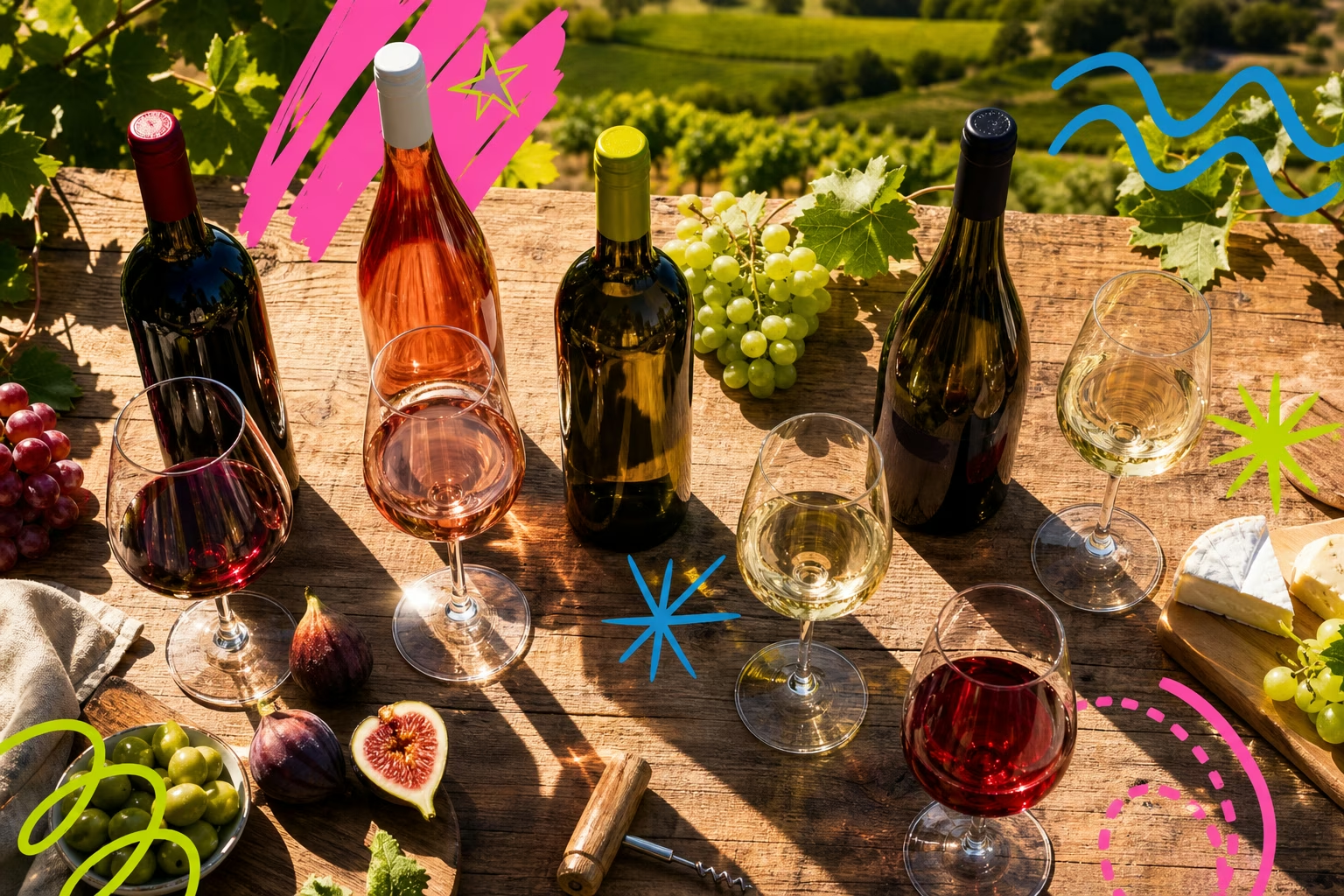
Wine is made from fermented grapes, and grapes do not contain gluten. The base process sounds reassuringly simple, but sometimes what happens between the vineyard and your glass can introduce a risk. To understand the full picture, we need to look at how wine is produced and where gluten might sneak in uninvited.
“Pure, unflavored wine is a safe choice for those with celiac disease; the risk of gluten comes from additives or cross contact during finishing or storage.”
Dr. Alessio Fasano, Director, Center for Celiac Research at MassGeneral Hospital for Children
The Winemaking Process and Gluten
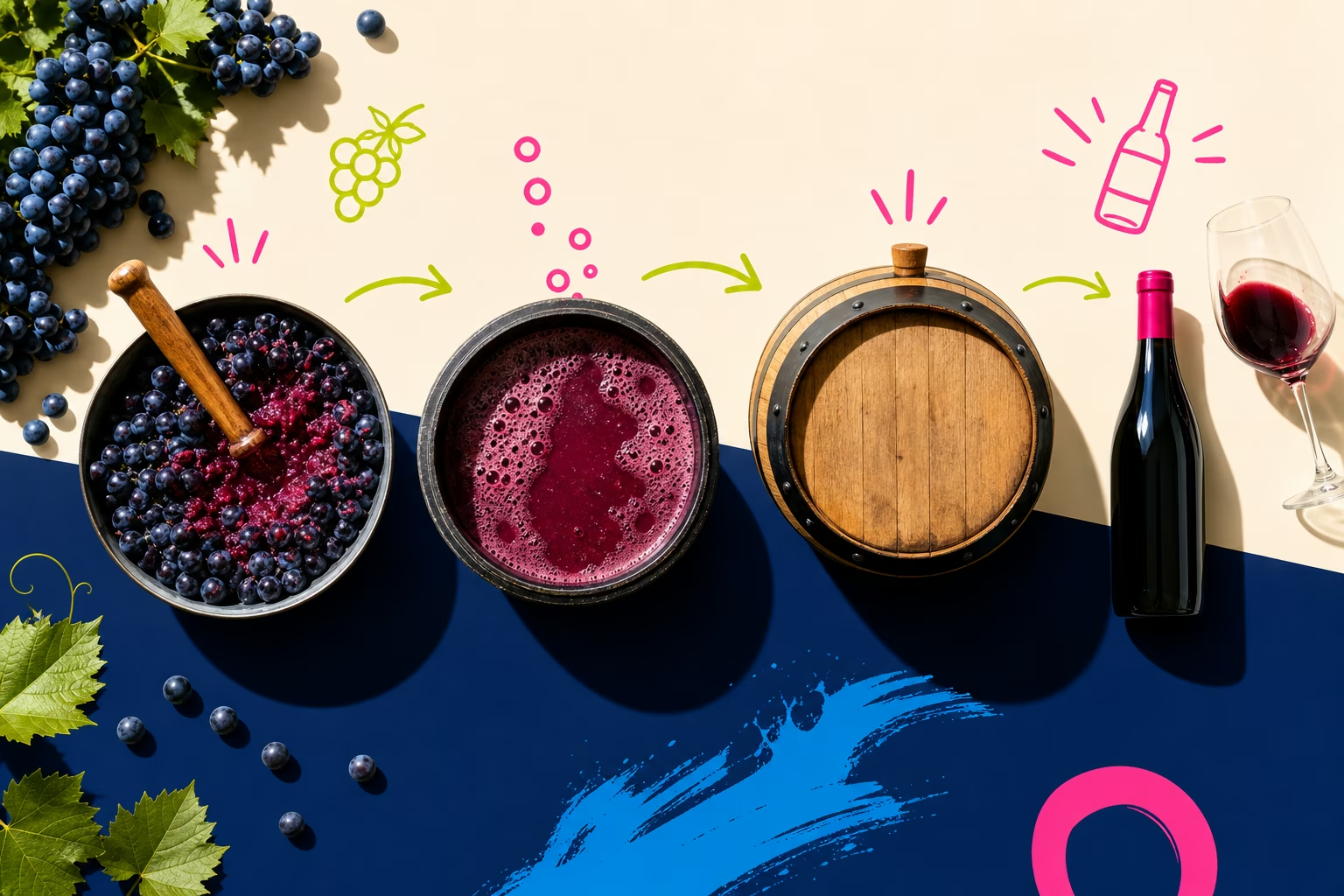
Traditional winemaking involves crushing grapes, fermenting the juice with yeast, aging the wine, and then clarifying and bottling it. None of these steps require gluten containing grains like wheat, barley, or rye. The yeast used in fermentation is typically a strain of Saccharomyces cerevisiae, and it is naturally gluten free.
However, during the fining and clarification stage, some winemakers use agents to remove impurities. Historically, a wheat based paste was sometimes used to seal oak barrels, though this practice has become rare. Modern fining agents include things like bentonite clay, egg whites, or isinglass, none of which contain gluten. A 2018 report from the Alcohol and Tobacco Tax and Trade Bureau (TTB) confirmed that no wine fining agents on the approved list contain wheat gluten as an intentional ingredient. Still, contacting the winery is your best move if you are highly sensitive.
Common Misconceptions About Gluten in Wine
Many people assume that wine coolers, flavored wines, or dessert wines automatically fall into the gluten free category. That assumption can be a mistake. Some fruit infused wines or wine based cocktails may have added malt, flavorings, or stabilizers derived from barley. Another persistent myth is that oak aging automatically means gluten exposure. Oak barrels sealed with wheat paste are extremely uncommon today, and even if used, the amount of gluten that could leach into the wine is considered negligible by most experts. Nonetheless, a small subset of celiacs report reacting to wines aged in those barrels, so caution is warranted.
There is also confusion around wine made from hybrids or grape varieties not traditionally used. All grapes are gluten free, period, regardless of variety or growing region. The grape itself never contains gluten.
How to Verify a Wine is Gluten Free
Making sure your wine is safe does not require a chemistry degree. A few simple habits can dramatically lower your risk of a reaction.
Step 1: Review the Label for Certifications
Look for a certified gluten free seal from organizations like the Gluten Intolerance Group’s GFCO or Beyond Celiac. These labels mean the product has been tested and contains fewer than 10 parts per million of gluten, stricter than the FDA’s 20 ppm threshold. In the US, a wine labeled “gluten free” must also meet that 20 ppm standard, though enforcement is less stringent for alcohol than for food.
Step 2: Visit the Winery’s Website
Most reputable producers provide detailed allergen and production information online. Search for their FAQ or contact page and look for statements about fining agents and barrel sealing practices. If the information is missing, send a quick email. A 2019 study by the University of Chicago Celiac Disease Center found that most wineries respond helpfully to gluten related inquiries.
Step 3: Stick to Naturally Gluten Free Varieties
Dry reds, dry whites, rosé, and traditional method sparkling wines are the safest bets. Avoid anything labeled “wine product,” flavored wine, or wine with added malt, which could signal the presence of barley or other gluten sources. When in doubt, remember the mantra: the fewer ingredients listed, the safer the pour.
Is Champagne Gluten Free?
Champagne lovers can breathe a deep sigh of relief. Authentic Champagne, produced in the Champagne region of France under strict Appellation d’Origine Contrôlée rules, is made exclusively from Chardonnay, Pinot Noir, and Pinot Meunier grapes. No gluten containing ingredients are permitted at any stage of production. That means whether you are sipping a vintage Dom Pérignon or a nonvintage brut from a small grower, the bottle is inherently gluten free.
“Wine is inherently gluten free, but flavored wines and wine coolers may contain gluten, so always check labels and ask questions when you are unsure.”
Rachel Begun, MS, RDN, Gluten Free Lifestyle Expert
The Ingredients of Champagne
The legal definition of Champagne protects you here. The only permitted base ingredients are the three grapes mentioned above, plus sugar and yeast for the secondary fermentation that creates the bubbles. The dosage, or sweetening solution added after disgorgement, is a mixture of wine and sugar, never malt. Even vintage Champagnes that spend years aging on the lees do not come into contact with wheat paste. Traditional Champagne cellars use crown caps during aging and cork for final bottling, neither of which introduces gluten.
Potential Risks and How to Check
The risk with Champagne, though small, usually arises with cheap imitations labeled as “Champagne” from countries with lax labeling laws, or with sparkling wines flavored with artificial additives. Some budget sparkling wines produced in the Charmat method might use fining agents that are less transparently disclosed. Additionally, premixed cocktails that include sparkling wine, such as some mimosa products, could contain malt based flavorings. A quick scan of the ingredient list for words like “malt,” “barley,” or “wheat” will tell you what you need to know. For true peace of mind, look for the “Brut” or “Extra Brut” designation; these are the least manipulated and often the purest.
Sparkling Wine Alternatives
If you want the bubbles without even a whisper of doubt, you have plenty of options beyond Champagne. Prosecco, Cava, and Crémant from France all follow traditional methods and use gluten free ingredients. California sparkling wines, often labeled “Méthode Champenoise,” are also reliably safe. For those who prefer a zero risk approach, many organic and biodynamic sparkling wine producers list their fining agents clearly and may even promote gluten free status directly. And if you are still feeling anxious, there are now dedicated gluten free wineries that certify every single batch. Refer to The Ultimate Gluten-Free Guide: Foods, Substitutes & Living Well Without Gluten for more help decoding labels across all drink categories.

Are Hard Seltzers Gluten Free?
Hard seltzers exploded onto the scene as a lighter, supposedly healthier alternative to beer. For the gluten free community, they have been something of a mixed blessing: many are safe, but not all brands are created equal. The base of most hard seltzers is fermented cane sugar or corn sugar, which naturally contains no gluten. The catch lies in the occasional beer derived malt base used by a few early entrants. Fortunately, the market has shifted heavily toward gluten free formulations in recent years, meaning you have more choices than ever.
What is Hard Seltzer Made Of?
A standard hard seltzer contains carbonated water, alcohol from fermented sugar (often dextrose from corn), and natural flavors. The alcohol base is key. If it is fermented from cane sugar, beet sugar, or corn, it is gluten free. If it is derived from malted barley, as some of the first wave products were, it contains gluten. The distinction appears clearly on the label: “malt beverage” or “beer” indicates gluten likely is present, while “seltzer,” “sparkling water with alcohol,” or “cane sugar alcohol” suggests safety. Look for packaging that explicitly states “gluten free” on the front, which is now common among major brands.
Popular Gluten Free Hard Seltzer Brands
You have an ever growing list of brands to choose from. White Claw prominently labels its cans gluten free and uses a gluten free alcohol base. Truly Hard Seltzer also offers a gluten free product made from cane sugar. Other names like Bon & Viv, Henry’s Hard Sparkling Water, and Smirnoff Spiked Seltzer are all gluten free. Even craft versions from breweries have joined the trend. However, always double check because recipes can change. A brand that was safe last summer might reformulate by next year. Bookmark their official website and check prior to your next party.
“All White Claw Hard Seltzer varieties are gluten free and made with gluten free ingredients, suitable for those with celiac disease or gluten sensitivity.”
White Claw Seltzer Works Official FAQ
Homemade Hard Seltzer and Gluten
If you enjoy DIY projects, making your own hard seltzer is surprisingly straightforward and puts you in total control. The process generally involves fermenting sugar with yeast, then adding flavor extracts and carbonating. You can use plain white sugar or corn sugar (dextrose), both of which are gluten free. Many experienced homebrewers cross over from beer making and may have gluten contaminated equipment. You will want to dedicate separate fermenters, tubing, and bottles to your gluten free batches. A thorough cleaning and sanitizing routine can minimize risks, but if you are highly sensitive, investing in a designated set of gear is a wise move.
How to Safely Choose Gluten Free Alcohol Drinks
Navigating the world of gluten free alcohol drinks can feel daunting, but it does not have to be. The same principles that guide your food choices apply here: read labels, ask questions, and stick to trusted brands. Whether you are at a liquor store, a bar, or a friend’s house, a few deliberate habits will keep you safe and social.
Thanks to the 2020 FDA gluten free labeling rule, any product that voluntarily uses the term “gluten free” must meet the <20 ppm standard. However, alcohol regulated by the TTB is not always subject to the same labeling scrutiny, so vigilance is still required. For a deeper dive into all things gluten free, including dining out and pantry staples, you can always visit The Ultimate Gluten-Free Guide: Foods, Substitutes & Living Well Without Gluten.
Reading Alcohol Labels for Gluten
Unlike food, alcohol labels are not required to list every ingredient, which is why the fine print matters. For wines, look for the words “contains: none” or a gluten free statement. For spirits, the TTB does not forbid gluten free claims on distilled products made from gluten grains, because distillation removes gluten proteins. Still, many people prefer spirits made from corn, potatoes, or grapes just to be doubly certain. For beers, “gluten free” or “crafted to remove gluten” are not the same; the latter typically involves an enzyme treatment that breaks down gluten, and it may not be safe for everyone. Celiac organizations recommend only beers labeled “gluten free” that are made from naturally gluten free grains like sorghum, rice, or millet.
Check for the StatementLocation and How It Is Phrased
Scour the back label or side of the bottle. Words like “malt,” “malted barley,” “wheat,” or “brewed with barley” are instant red flags. For ciders and seltzers, the absence of a gluten free claim is not necessarily a warning sign, but the presence of one is gold.
Use Third Party Certification Logos
If you spot the GFCO circle or the National Celiac Association seal, you can trust it without making a phone call. These logos indicate routine testing and strict protocols.
Spirits, Beers, and Cocktails: Navigating Gluten Free Options
Distilled spirits like vodka, gin, whiskey, and rum are widely considered safe because the distillation process removes gluten proteins, even if the starting grain was wheat or barley. The Celiac Disease Foundation and most medical experts agree that distilled spirits are safe for celiacs, though a small minority may react to whiskey or grain vodka. If you are among that group, stick to spirits distilled from 100% corn, potato, grape, or sugarcane, which includes brands like Tito’s Handmade Vodka, Chopin Potato Vodka, and many rums.
Gluten free beer has come a long way. Brands like GhostFish Brewing, Holidaily, and Ground Breaker Brewing produce award winning beers from sorghum, millet, buckwheat, and rice. They are entirely free of gluten ingredients from the start, not just treated after the fact. When ordering cocktails, stick to simple two or three ingredient classics like a vodka soda with lime, gin and tonic, or a margarita made with 100% agave tequila and fresh lime juice. Avoid premade sour mixes, malted bases, and anything with “secret recipe” written on the menu.
“While wine is naturally gluten free, some winemakers may use wheat based paste to seal barrels, so those with celiac disease should contact the winery if concerned.”
Celiac Disease Foundation Official Statement
Tips for Dining Out and Social Events
Going out does not have to feel like a minefield. Start by checking the restaurant’s menu online for gluten free indicators. When arriving, talk directly to the bartender or manager. Explain that you have a medical need, not a preference. Ask if their well liquors are potato or corn based, and whether their cocktail mixers contain malt. For wine, inquire about the specific bottle you ordered; servers can often show you the label. At parties, bring your own trusted bottle or a six pack of your favorite gluten free hard seltzer. It removes uncertainty and lets you relax. Most hosts appreciate the gesture, and you stay in full control.
Build Your Go To Drink List and Memorize It
Keep a mental shortlist: a brut Champagne, a dry rosé, and a plain hard seltzer with a wedge of lime. This trio will get you through nearly any social situation without stress. Having a fallback order ready means you spend less time scrutinizing and more time enjoying the company.
The world of gluten free alcohol is wider than many people think. With a bit of knowledge and a habit of asking the right questions, you can comfortably raise a glass of gluten free wine, clink a Champagne flute, or crack open a hard seltzer without worry. Stay curious, check for updates, and remember that your peace of mind is always worth the extra two seconds it takes to read a label or scan a website. Cheers to drinking safely and living fully, all without gluten holding you back.
Is all wine gluten free?
Most wines are gluten free, but some may contain additives or be exposed to gluten during production. Always check labels and verify with the producer if sensitive.
Can I drink flavored wines?
Flavored wines might contain gluten based additives. It is best to check the label or contact the producer to be sure.
What should I look for on labels to ensure wine is gluten free?
Look for gluten free certifications and avoid wines labeled as “wine product” or with added malt ingredients.
Are there gluten free alternatives to Champagne?
Yes, Prosecco, Cava, and Crémant are good gluten free alternatives to Champagne.
What makes a hard seltzer gluten free?
A hard seltzer is gluten free if it is made from fermented cane or corn sugar. Always check for a gluten free label on the packaging.
Are there gluten free spirits?
Yes, distilled spirits like vodka, gin, and rum are generally gluten free, especially if made from corn, potatoes, or grapes.
How can I be sure about gluten free options when dining out?
Check the menu online first, talk to staff about gluten free options, and bring your own drinks if necessary for peace of mind.