Best Gluten Free Hot Dog Buns, Wraps & Corn Dog Guide
- Gluten free buns have improved in texture and taste, closely mimicking traditional bread.
- Texture and taste are critical, with modern options eliminating past issues like grittiness and aftertaste.
- Foster Farms and Applegate offer reliable gluten free corn dog options.
- Hamburger buns and hot dog buns differ structurally; swapping them can affect your meal experience.
- Choosing the right brand depends on freshness, softness, and how well they toast.
What Makes a Great Gluten Free Hot Dog Bun?
Navigating the world of gluten free hot dog buns used to mean settling for crumbly, dry hockey pucks that fell apart the second you added a drop of ketchup. Thankfully, the market has evolved rapidly. A truly outstanding bun needs to cradle your frank correctly, but it also has to taste like real food, not a science experiment. You want that perfect combination of softness and structural integrity so you can focus on the party, not on the wreckage on your plate.
The difference between a decent cookout and an elite one often comes down to the bread. Whether you are loading up a classic ballpark dog or a smoky bratwurst, the vehicle matters. So, before you stock up for summer, understanding the sensory qualities of your bun will save you from a lot of disappointment.
Texture and Mouthfeel: Why It Matters
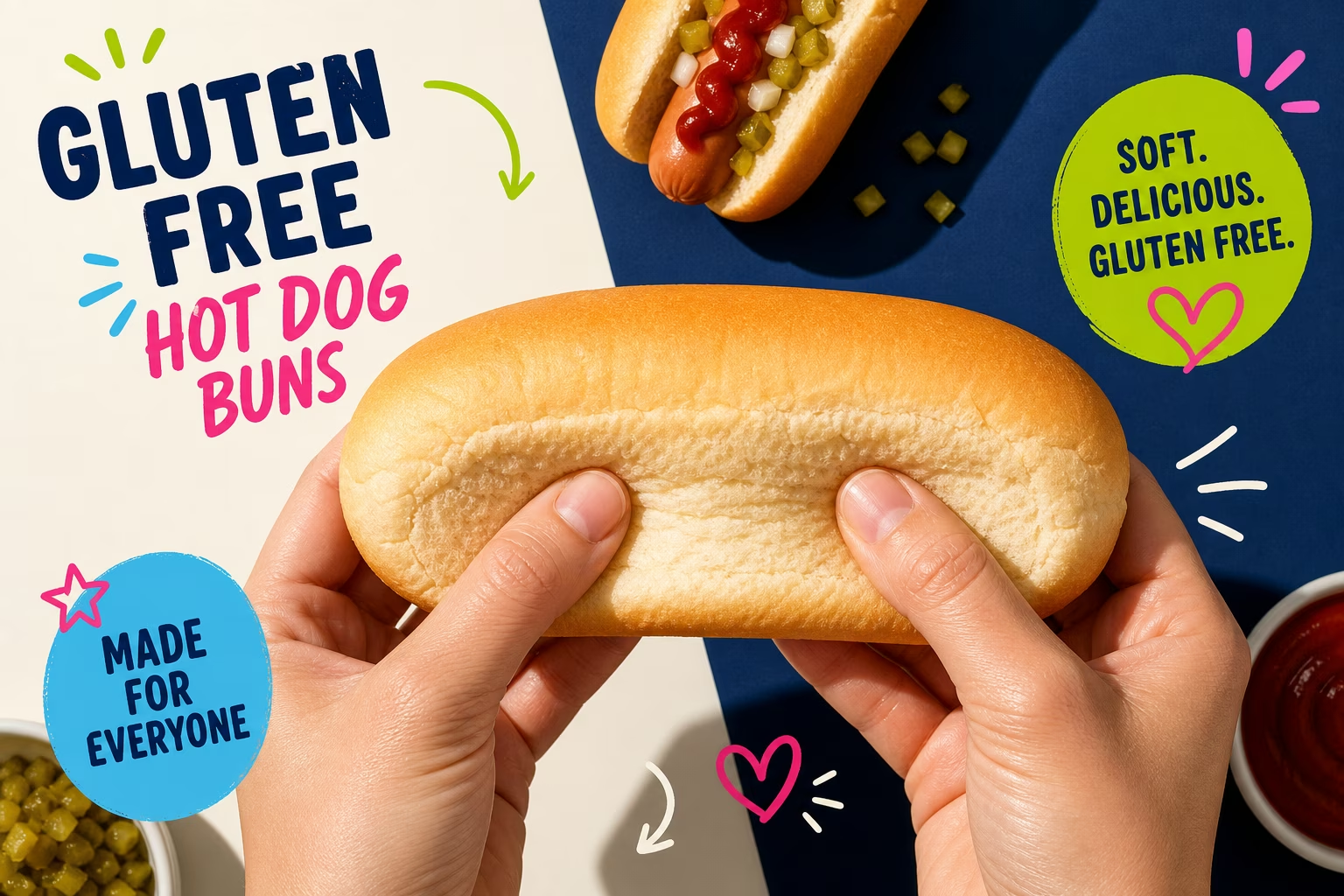
Texture is the silent dealbreaker. A great gluten free hot dog bun needs a soft, pillowy crumb that also possesses a subtle chew. It should never feel gritty, gummy, or overly airy. When you press down on it, you are looking for a gentle bounce back, not a sad collapse into crust. The best brands on the market today have mastered the art of mimicking traditional white bread without relying on that starchy, raw tapioca feel.
Think about how the steam from a hot dog affects the bread. A quality bun absorbs just enough moisture to soften slightly while maintaining its shape. It shouldn’t dissolve into a paste when it meets the heat. According to a 2023 report by Gluten Free Watchdog, texture remains the most significant complaint among consumers, turning what should be a satisfying meal into a source of frustration.
Taste: No Weird Aftertaste Allowed
Old-school gluten free breads carried a reputation for a strange, metallic aftertaste or a burst of bean flavor that didn’t belong next to a hot dog. Modern formulas use a balanced blend of rice flour, potato starch, and tapioca to create a neutral canvas. A truly top tier bun complements your toppings rather than fighting them, allowing the smoky, savory notes of the meat to shine through.
You shouldn’t taste the binding agents or distractingly sweet notes from sweet rice flour. Instead, you want a clean finish that resets your palate for the next bite. Consistency in flavor batch to batch is also key. If you find a brand that nails the taste test, you can usually stick with it for all your barbecue needs.
“Taste and texture are huge barriers. If we can’t get those right, people won’t eat the food, period.”
Tricia Thompson, M.S., RD, Founder, Gluten Free Watchdog
Are Corn Dogs Gluten Free? How to Tell
If you are at a state fair or in the frozen aisle eyeing a box of nostalgic battered franks, you have probably asked yourself: are corn dogs gluten free? It is a tricky question because the name “corn dog” implies a corn-based batter. Many people mistakenly assume cornmeal is the sole ingredient, making it safe. But the reality of fair food is often a lot more complicated and risky for anyone with celiac disease or a gluten sensitivity.
Navigating the world of gluten free corn dogs requires a bit of detective work. You cannot trust that a standard frozen pack caters to your dietary needs just because it looks like it might be made from corn. Separating fact from assumption is crucial to protecting your health.
What Traditional Corn Dogs Are Made Of
Traditional corn dog batter is a hybrid. While it features cornmeal for that signature gritty texture and golden color, it almost always uses wheat flour as a structural binder. The gluten in the wheat flour is what allows the batter to stretch, stick to the hot dog, and puff up beautifully in the deep fryer. Without it, the batter tends to fall off or turn into a soggy, oil-logged mess.
This combination means that nearly every corn dog you will find at a fair, food truck, or standard grocery freezer is strictly off-limits. The crispy exterior is essentially a wheat doughnut wrapped around a stick of meat. Even if the hot dog inside is labeled gluten free, the batter is the primary culprit that introduces a massive amount of gluten into the equation.
Gluten Free Corn Dog Brands You Can Trust
Finding true corn dogs gluten free style in stores is a bit of a hunt, but it is not impossible. Select lines from brands like Foster Farms offer gluten free varieties, while Applegate provides uncured beef versions that hit that nostalgic spot. The key is scanning the packaging for a clear “gluten free” label, not just “made with cornmeal.” You should always flip the box over to check for wheat in the allergen statement.
Of course, making your own remains the safest route to the perfect gluten free corn dogs. By mixing a high-quality gluten free all purpose flour blend with cornmeal, an egg, and a splash of milk, you can create a batter that rivals the original. Pair it with your favorite gluten free hot dog buns frank and fry until golden brown to create a treat that is safe, satisfying, and totally authentic.
“Corn dogs are a nostalgic food, and recreating that perfect, crackly shell without wheat flour is truly a delicate balance of science and art.”
Nicole Hunn, Author, Gluten-Free on a Shoestring
Gluten Free Hamburger Buns vs. Hot Dog Buns: Can You Swap?
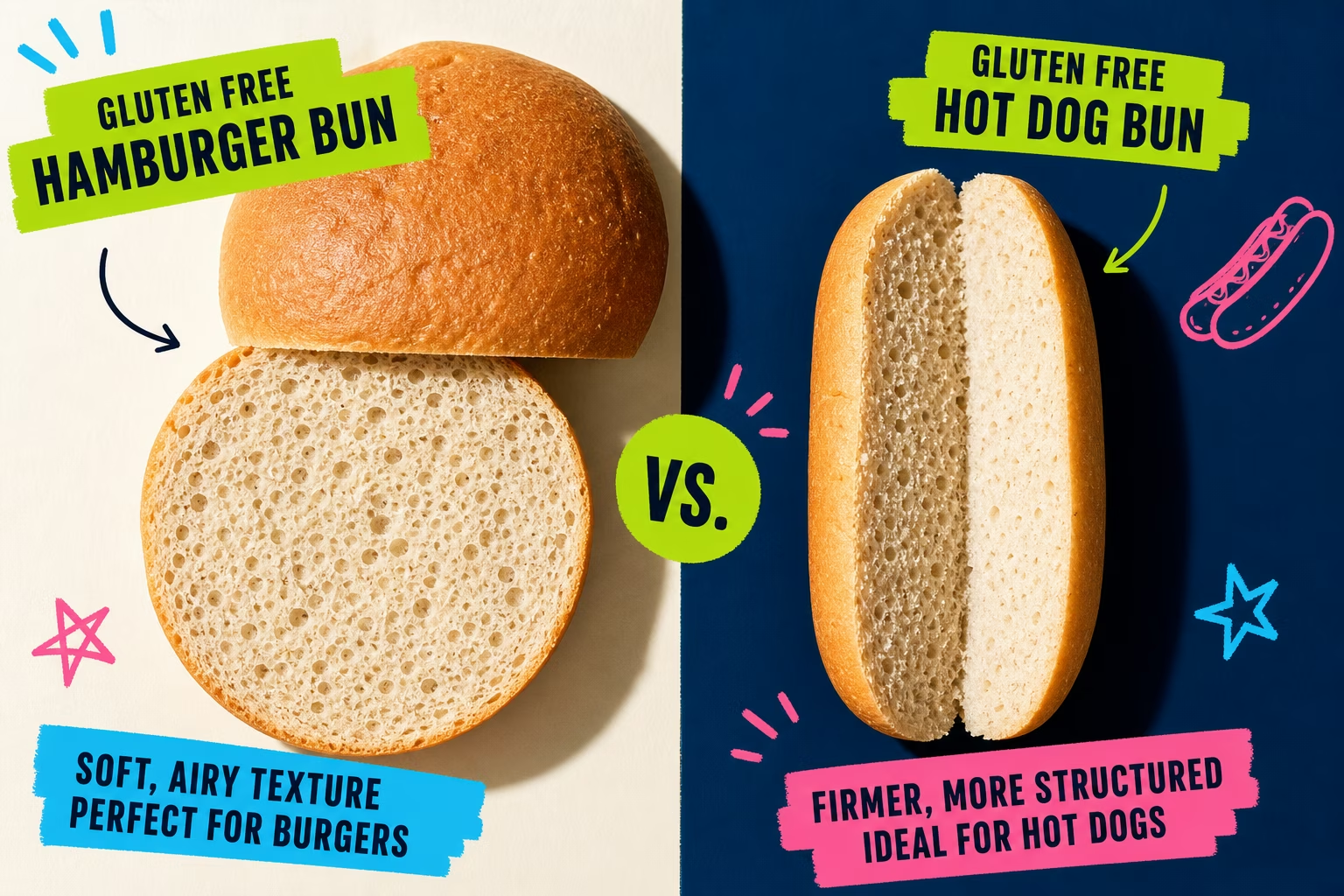
When your options are limited, the thought of swapping a gluten free hamburger bun for a hot dog bun might cross your mind. While it works in a pinch, the two are designed with entirely different engineering goals in mind. A hamburger bun is a flat, solid platform, while a hot dog bun is a tailored trench. Using one in place of the other fundamentally alters the eating experience, often leading to structural collapse or a mishandled mess.
Understanding the physical demands of each meal helps you pick the right base. You wouldn’t wear snow boots to a beach, and you shouldn’t slap a thick patty into a curved hinge. Respecting the structural design of the bread elevates your entire gluten free hamburger experience.
The Structural Difference
A hamburger bun utilizes a central, horizontal slice to create a top and bottom half. This provides a stable, flat surface ideal for distributing the weight of a heavy, thick patty, lettuce, tomatoes, and pickles. The goal is even support from edge to edge. When you swap this out for a side-sliced hot dog bun, the burger suddenly sits on an unstable, rounded bottom that pinches and rolls, ejecting your toppings out the back.
Conversely, placing a thin frankfurter inside a sliced hamburger bun creates a lack of containment. The hot dog rolls around aimlessly, and the bulge of the burger bun dwarfs the meat, throwing off the flavor ratio. You end up eating a lot of dry bread with your first and last bites, which is never the goal of a balanced meal or a successful gluten free hamburger night.
Size and Flavor Pairings
Beyond the cut, the flavor profiles often differ slightly. Hot dog buns are generally plainer and softer to contrast with highly spiced, salty sausages and the sharp tang of yellow mustard. In contrast, a good gluten free hamburger bun might have a richer profile, sometimes approaching a brioche style or a whole grain blend, designed to stand up to the deep, savory char of a grilled beef patty.
The shape also dictates the topping strategy. A hot dog bun forces sauces and relishes into a tight line, while a hamburger bun allows for wider distribution. If you are craving a patty melt, trying to fit cheese and a thick slab of meat into a narrow, slotted bun is a recipe for disaster. Use the right tool for the job and both your gluten free hot dog buns and your burger buns will serve you beautifully.
The Best Gluten Free Hot Dog Buns Brands Compared
With so many new products hitting the shelves, a direct taste test comparison is the only way to find your mainstay. We looked at freshness, softness straight out of the bag, and toasted performance. From Udis to Schar, each brand has its strengths and weaknesses, making it crucial to know what you are looking for in a bun.
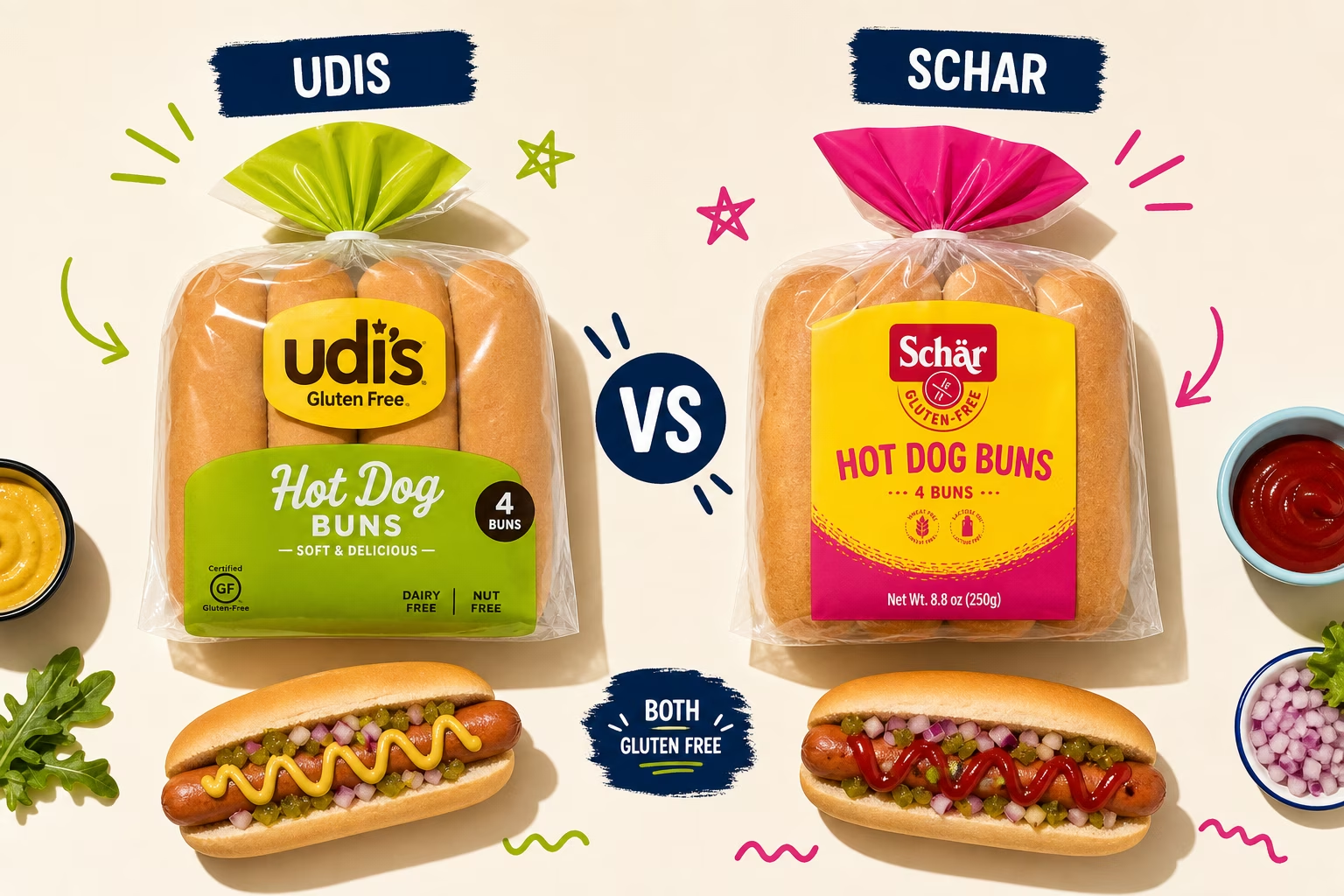
Udis vs. Schar: The Heavyweight Match
Udis has long been a favorite in the gluten free community, known for its soft texture and reliable taste. Schar, on the other hand, offers a slightly denser bun with a more robust flavor profile. Both have their fans, but if you prefer a lighter, more traditional bun, Udis might be your go-to. For those who like a bit more substance, Schar could be the better choice.
Ultimately, the choice between Udis and Schar comes down to personal preference. Each has its unique qualities, so consider trying both to see which aligns with your taste and texture preferences.
Canyon Bakehouse vs. Three Bakers
Canyon Bakehouse brings a soft, airy bun that pairs well with any hot dog, while Three Bakers offers a more artisanal approach. Their buns have a slightly nutty flavor, thanks to the inclusion of whole grains. If you are looking for a bun that adds a bit of extra flavor to your meal, Three Bakers might be the way to go.
Both brands excel in different areas, so your choice will depend on whether you prioritize a classic bun experience or a more flavorful, whole grain option.
Choosing the Right Wrap Gluten Free for Your Meal
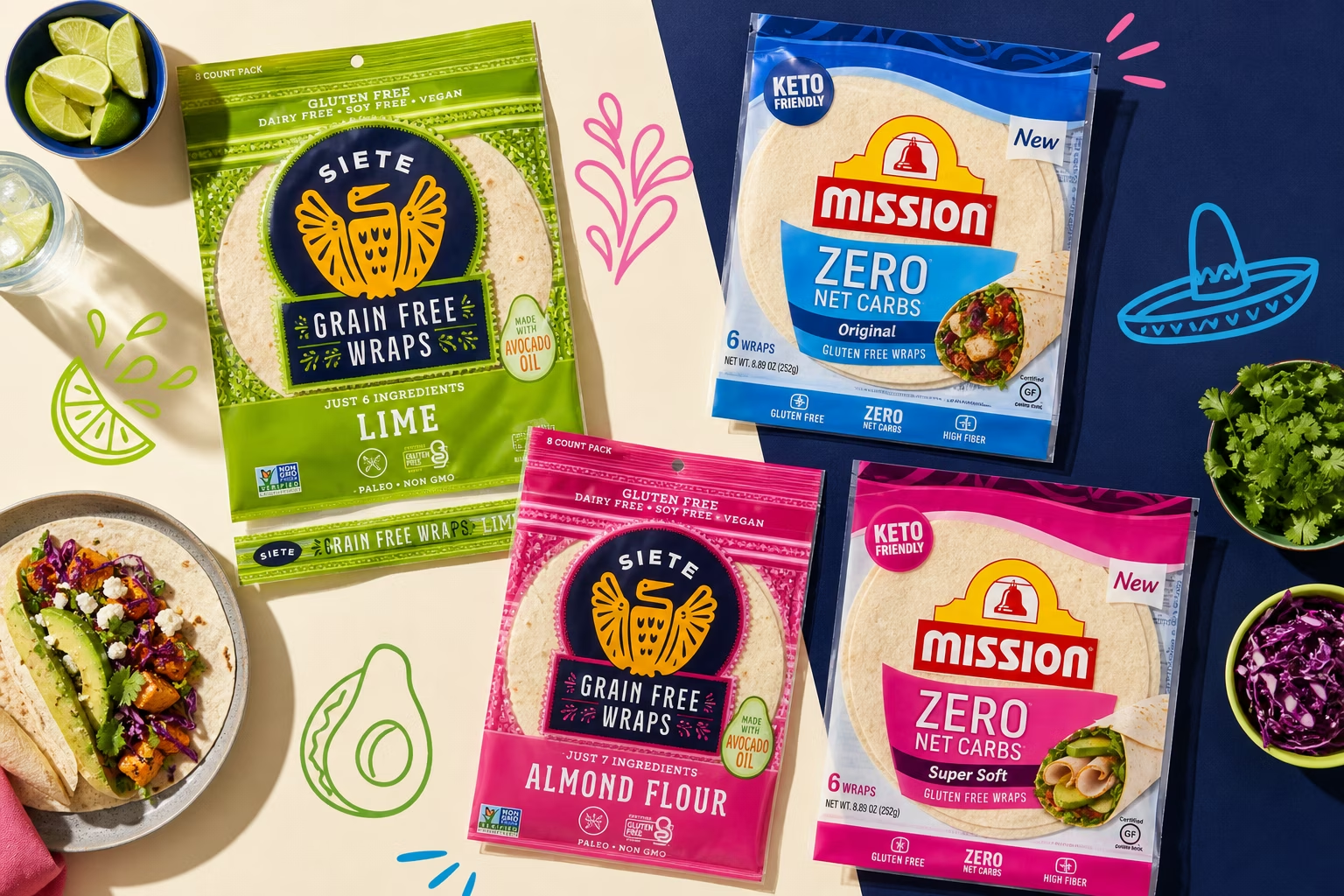
Siete vs. Mission Gluten Free Wraps
Siete wraps are known for their clean ingredients and pliable texture, making them a favorite for those who want a healthier option. Mission gluten free wraps, however, offer a more traditional taste and are often easier to find in stores. Both are excellent choices, but if you are looking for a wrap that feels more like its traditional counterpart, Mission might be the better option.
Consider what you will be using the wraps for, as Siete might be better for cold wraps and Mission for warm, filled tortillas. Each brand offers a unique take on the classic wrap, catering to different preferences and dietary needs.
Lettuce Wraps vs. Grain Based Wraps
Lettuce wraps offer a fresh, crunchy alternative to grain-based wraps and are perfect for lighter meals or those looking to reduce their carb intake. Grain-based wraps, however, provide a more filling option and can hold up better to heartier fillings. Choosing between the two often depends on the meal you are preparing and your dietary goals.
If you are aiming for a low-carb meal, lettuce wraps are a fantastic choice. However, if you want something more substantial, a grain-based wrap will provide the structure and flavor you need.
What are the best gluten free hot dog bun brands?
Some top brands include Udis, Schar, Canyon Bakehouse, and Three Bakers. Each offers unique textures and flavors, so it is worth trying a few to find your favorite.
Are gluten free corn dogs readily available?
Yes, brands like Foster Farms and Applegate offer gluten free corn dogs. Always check the packaging for a gluten free label to ensure safety.
Can I use hamburger buns for hot dogs?
While you can in a pinch, it’s not ideal. The structural differences mean that using the correct bun for each type of food will enhance your eating experience.
What should I look for in a gluten free wrap?
Consider the texture, flavor, and ingredients. Brands like Siete and Mission offer great options, with Siete focusing on clean ingredients and Mission providing a more traditional taste.
Are lettuce wraps a good alternative to grain-based wraps?
Yes, lettuce wraps are a great low-carb alternative that provides a fresh and crunchy texture, perfect for lighter meals or those reducing carbs.