is buckwheat gluten free
Walking down the grain aisle with celiac disease or gluten sensitivity can feel like a minefield. You spot buckwheat, farro, grits, polenta… and your mind races. “Is buckwheat gluten free?” “Are grits gluten free?” “Is farro gluten free?” The confusion is real, and you need clear, no-nonsense answers. This guide walks you through every starch and grain you’re wondering about, including corn tortillas, masa, mashed potatoes, and yes, everyday potatoes. You’ll learn how to spot truly gluten-free options, avoid hidden wheat, and stock a pantry that lets you eat safely and deliciously.
Before you buy another bag of “ancient grains,” bookmark our comprehensive resource: The Ultimate Gluten-Free Guide: Foods, Substitutes & Living Well Without Gluten. It covers everything from flours to hidden gluten in condiments, making your daily decisions much simpler.
What Naturally Gluten-Free Grains Should You Stock?
Grains and starches are the backbone of a filling gluten-free diet. But a seed or kernel can be inherently gluten-free yet still cause a reaction thanks to cross-contact during growing, harvesting, or processing. Understanding the difference between a grain and a starch, and why third-party testing matters, sets you up for success.
Understanding Grain vs. Starch
Botanically, a grain is the seed of a grass, while a starch is the extracted carbohydrate from a plant. Wheat, barley, and rye are grains that contain gluten. Corn, rice, and sorghum are also grains but are naturally gluten-free. Starches like potato starch, tapioca, and corn starch are inherently safe. The problem arises when these foods are processed on shared equipment or when a label is unclear. So your first question is always: has this product been tested for gluten?
“Buckwheat is a naturally gluten-free powerhouse packed with antioxidants and fiber. But only certified gluten-free buckwheat guarantees no cross-contact.”
Tricia Thompson, MS, RD, Gluten Free Watchdog
The Importance of Cross-Contamination
According to a 2022 consumer survey by Celiac Disease Foundation, over 25% of people on a gluten-free diet still report symptoms from cross-contaminated foods. Oats are a classic example, but buckwheat, cornmeal, and even bagged potatoes can pick up traces of wheat if not handled carefully. Always look for a “certified gluten-free” seal or at minimum a manufacturer’s statement. When in doubt, contact the company directly.
Are Buckwheat, Farro, and Couscous Gluten Free?
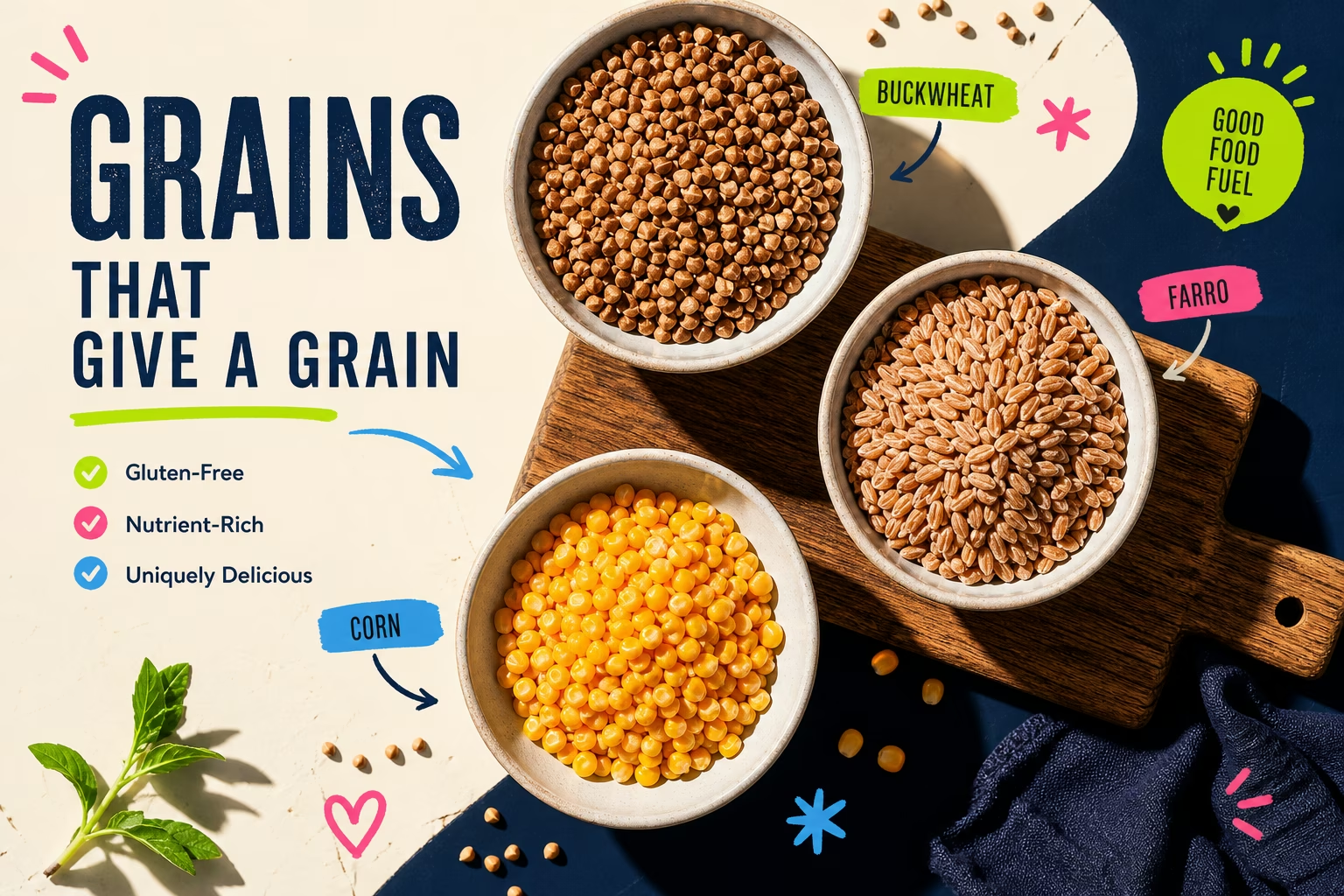
These three grains often sit side by side on health food shelves, but their gluten content couldn’t be more different. Let’s bust myths and give you clear direction for your next shopping trip.
Is Buckwheat Gluten Free?
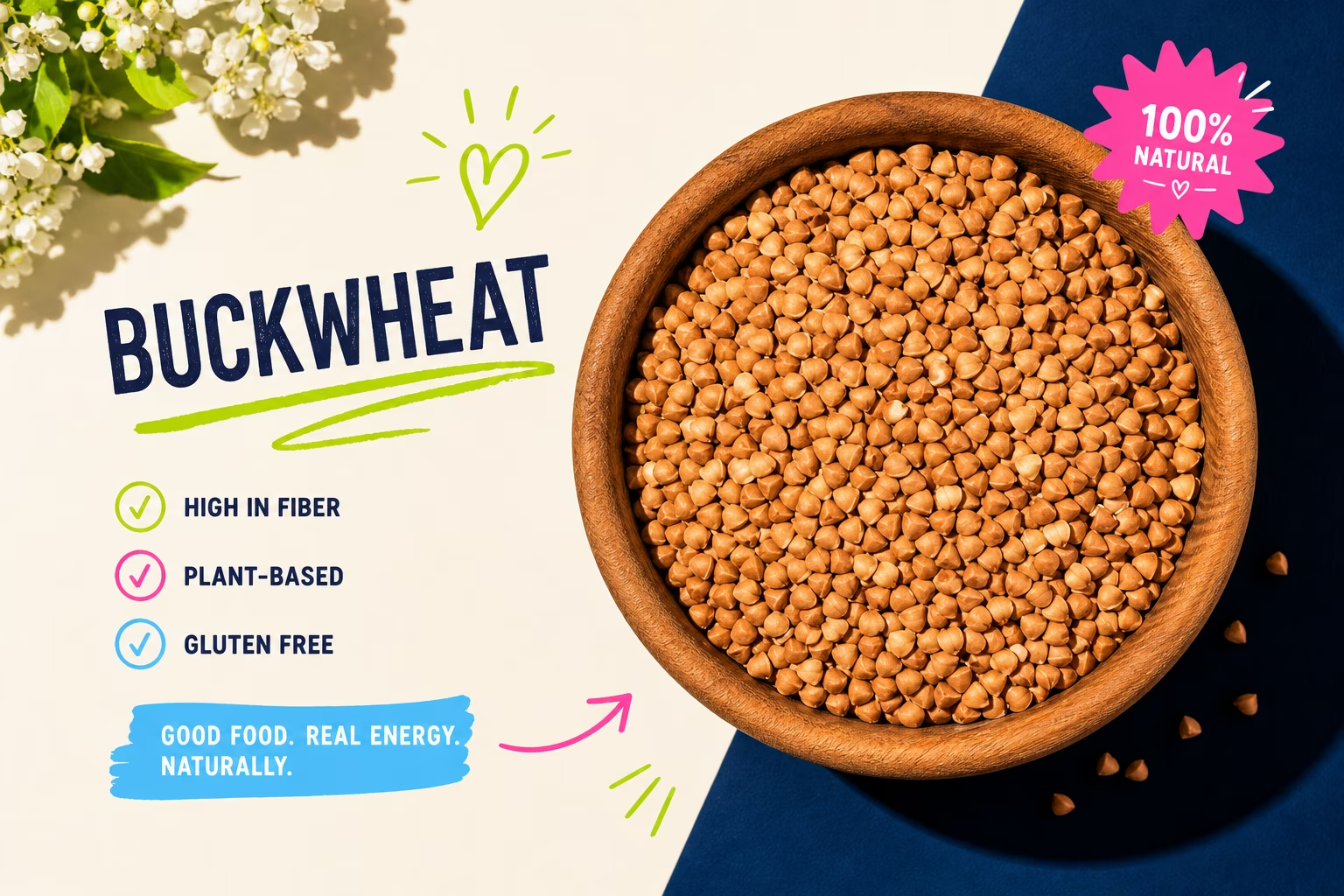
The short answer to “is buckwheat gluten free” is a firm yes. Despite its confusing name, buckwheat is not wheat at all. It’s a fruit seed related to rhubarb. Pure buckwheat contains no gluten and is packed with protein, fiber, and minerals like magnesium. That’s why it’s a staple in everything from Japanese soba noodles to Russian blini. Yet here’s the catch: most commercial buckwheat is processed in facilities that also handle wheat, so you must buy a package labeled gluten-free.
When you cook with buckwheat flour or groats, you’ll notice a robust, nutty flavor that stands up to savory mushrooms or sweet blueberries. Use it in pancakes, porridge, or as a crunchy topping on salads. To guarantee safety, treat buckwheat exactly like you would oats: only purchase brands that explicitly test for gluten.
How to Source Certified Gluten-Free Buckwheat
- Look for the GFCO or similar certification logo on the package.
- Buy from trusted brands that openly state their testing protocols on their website.
- Avoid bulk bins entirely, as scoops easily transfer wheat flour.
- If you love soba noodles, check the package: 100% buckwheat soba is gluten-free, but many varieties cut the buckwheat with wheat flour.
Is Farro Gluten Free?
No matter how many times you see farro listed as a “healthy ancient grain,” the answer to “is farro gluten free” is a hard no. Farro is a type of wheat, specifically emmer wheat. It contains the same gluten proteins that trigger reactions in people with celiac disease. Do not be fooled by sprouted farro or “heritage” farro; those variations are still wheat and still harmful.
“Farro is an ancient wheat variety and contains gluten, making it unsafe for anyone with celiac disease or gluten sensitivity.”
Rachel Begun, MS, RDN, Gluten-Free Dietitian
Why Farro Is Off-Limits for Celiacs
Wheat is wheat, whether it’s modern or ancient. Barley and rye are also off the table. Even if a label says “wheat-free” because it uses an ancient species, the gluten protein is still present. Always replace farro with naturally gluten-free grains like sorghum, millet, or certified gluten-free oat groats. They give you that same chewy texture in soups and grain bowls, with zero risk.
Is Couscous Gluten Free?
Many people ask “is couscous gluten free?” and are surprised by the answer. Traditional couscous is made from semolina flour, which comes from durum wheat. That makes it absolutely not gluten-free. Tiny pearls of couscous may look like gluten-free quinoa, but they are pure wheat. Even Israeli couscous, which is larger, is still wheat-based.
You do have satisfying alternatives, however. Look for “corn couscous” or “rice couscous” in the gluten-free section. You can also use finely chopped cauliflower or riced broccoli as a grain-free stand-in. To season, follow the same Moroccan-inspired flavors: olive oil, lemon, parsley, and a pinch of cumin.
Gluten-Free Couscous Alternatives
- Commercially prepared gluten-free couscous made from corn or rice flour.
- Cooked millet, which has a similar small-bead appearance and mild flavor.
- Quinoa pearls, which hold their shape nicely in cold salads.
- Cauliflower rice sautéed in a skillet until tender.
Corn and Masa: Are Grits, Polenta, and Tortillas Safe?
Corn is a gluten-free grain, and that means many beloved comfort foods start from a safe baseline. But processing can introduce gluten, and some products are intentionally blended with wheat. Let’s tackle the most common corn-based foods one by one, so you never second-guess your plate.
Are Grits Gluten Free?
When you ask “are grits gluten free?” the answer begins with the fact that grits are made from ground corn, which is naturally gluten-free. In their purest form, stone-ground yellow or white grits are safe. However, a lot of commercial grits are produced in facilities that also mill wheat, so they run the same cross-contamination risk as oats or buckwheat. Instant grits or flavored grits often contain additives like modified food starch that could be sourced from wheat.
Checking Labels for Contaminated Grits
- Choose plain, unflavored grits with a gluten-free certification.
- Read ingredients on instant grits packets carefully; watch for “wheat starch” or ambiguous “flour.”
- Artisan stone-ground grits are wonderful, but email the mill to ask about their equipment.
- When dining out, confirm with the chef that no wheat flour is added to thicken the porridge.
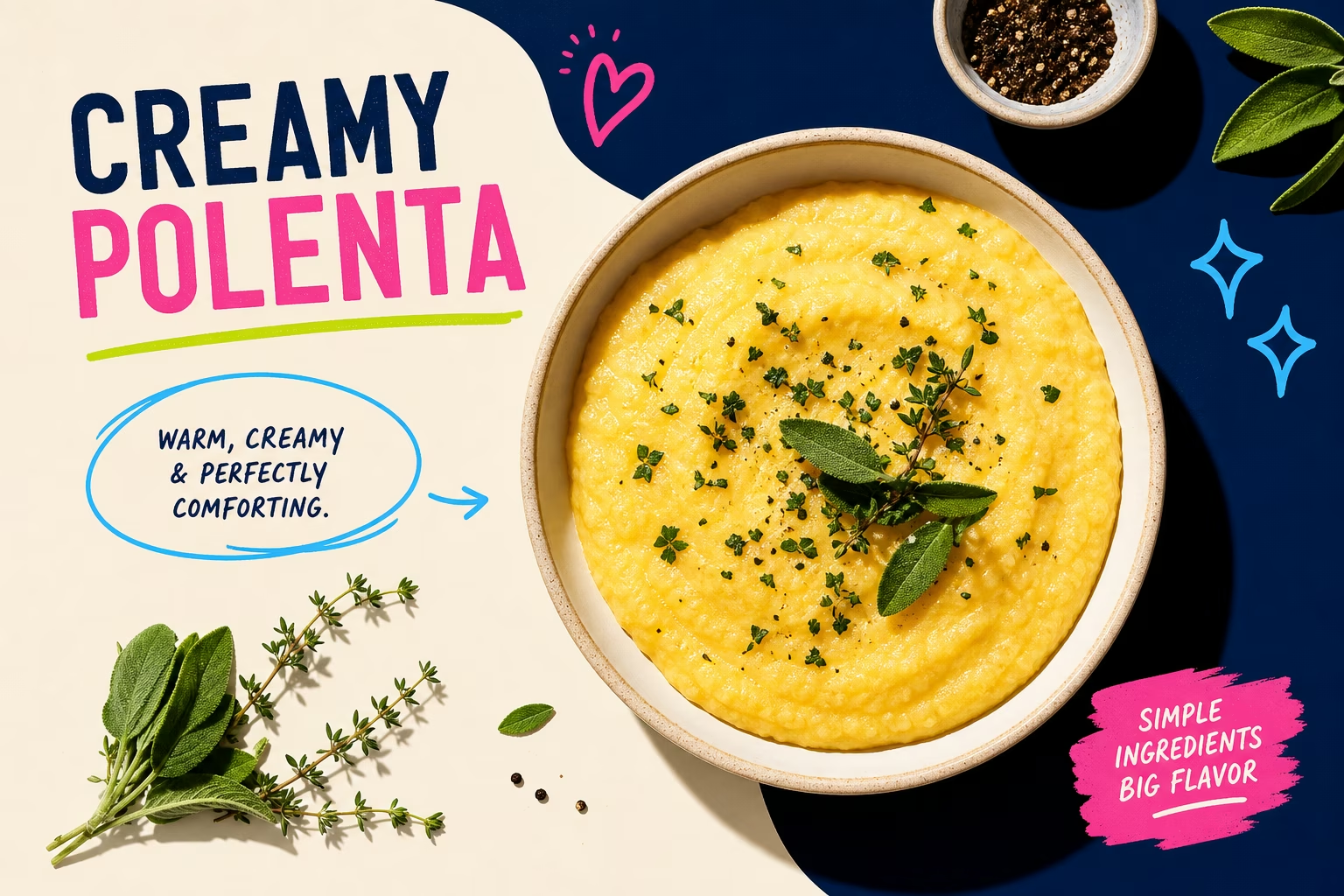
Is Polenta Gluten Free?
Yes, “is polenta gluten free” almost always has a happy answer. Polenta is simply coarsely ground cornmeal, typically from flint corn. In its basic form, polenta is nothing but corn and water, making it naturally gluten-free. Fresh, ready-to-eat polenta sold in tubes can also be safe, but you must check the label for any wheat-based binders. Homemade polenta gives you full control: you can simmer it to creamy perfection and layer it with roasted vegetables or top it with a rich mushroom ragù.
“While pure corn tortillas are gluten-free, some products include a blend of wheat flour. Always verify the ingredient list.”
Janelle Smith, RDN, Celiac Disease Foundation
Making Gluten-Free Polenta at Home
- Use coarse or medium-grind cornmeal labeled gluten-free.
- Cook it slowly in broth or salted water, stirring often, until it pulls away from the sides of the pan.
- For grilled polenta slabs, pour the hot mixture into a loaf pan, let it set, then slice and sear.
- Store-bought polenta logs should be vetted: scan for wheat flour, seasonings with hidden gluten, or “starch” without source declaration.
Is Cornmeal Gluten Free?
“Is cornmeal gluten free?” is another question with a dual answer. Cornmeal is ground dried corn, and pure cornmeal is gluten-free. It’s the foundation of cornbread, hushpuppies, and more. But just like grits, cornmeal can be milled on shared lines. Additionally, many cornbread mixes contain wheat flour, so reading the full ingredient panel is non-negotiable. To bake safely, buy certified gluten-free cornmeal and follow a proven gluten-free cornbread recipe that uses no wheat flour.
Differences Between Cornmeal and Masa
While cornmeal is simply ground corn, masa is made from corn that has been nixtamalized, soaked in an alkaline solution, which changes its texture and flavor. The resulting flour, masa harina, is the key ingredient for authentic corn tortillas and tamales. Both cornmeal and masa are naturally gluten-free as long as they are not contaminated.
Is Masa Gluten Free?
The question “is masa gluten free” points directly to masa harina, the flour you use to make tortillas from scratch. Plain masa harina, such as the popular Maseca brand, is corn-based and inherently gluten-free. Yet the same caution applies: look for a gluten-free label because some mills process wheat on the same equipment. If you buy pre-made masa dough at a tortilleria, ask if any wheat flour is added; authentic tortillerias should use only corn, but it never hurts to check.
Are Corn Tortillas Gluten Free?
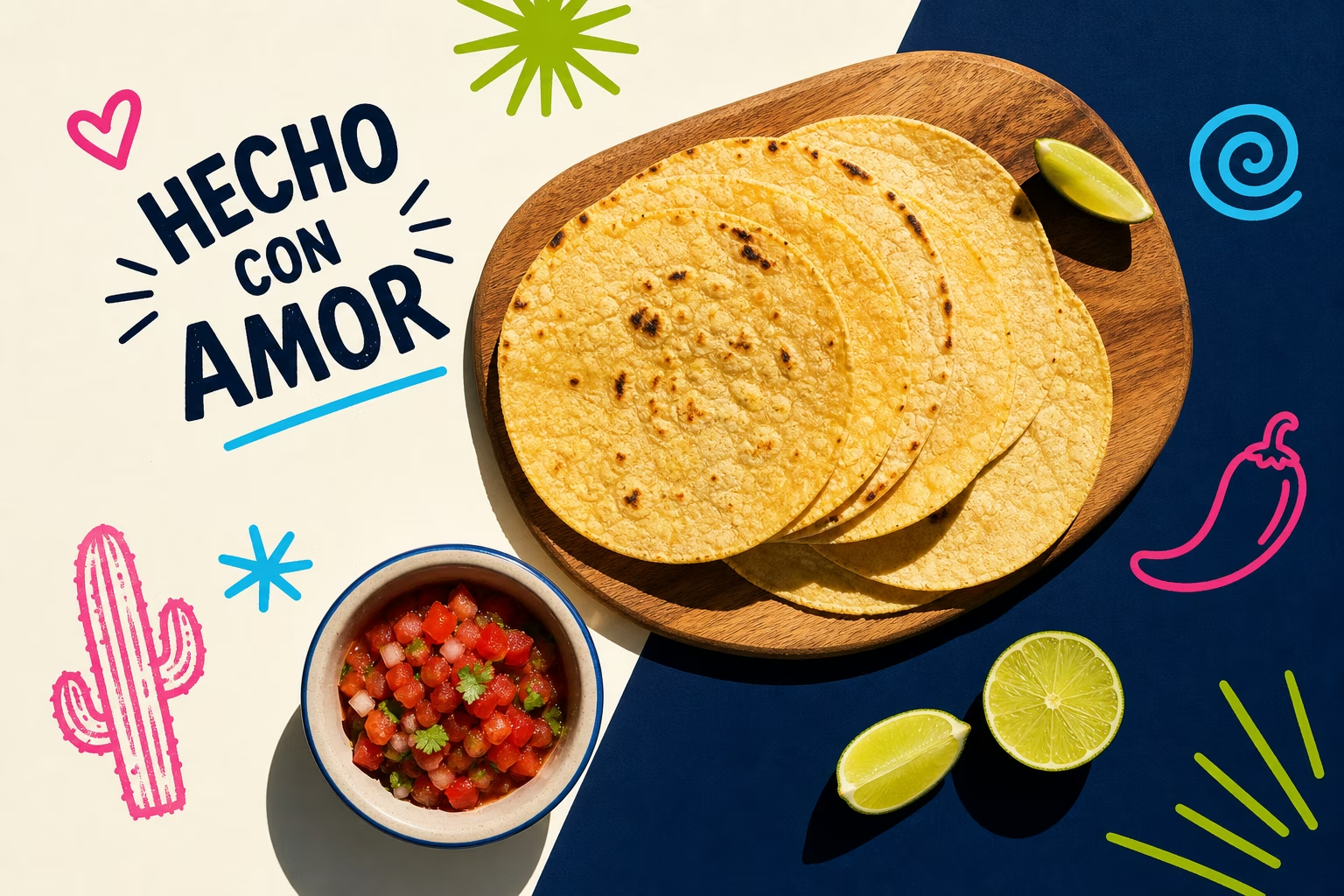
“Are corn tortillas gluten free?” usually yes, but you cannot assume. Corn tortillas are traditionally made with masa harina and water, which means they fall into the “tortillas are gluten free” category when kept traditional. Grocery store brands, however, may include a small percentage of wheat flour for flexibility. Always scan the ingredient list. If the package says “corn tortillas” and lists only corn masa flour, water, and lime, you’re in the clear. Restaurants are another story: some fry taco shells in shared oil, so ask about dedicated fryers.
Avoiding Wheat-Contaminated Corn Tortillas
- Stick to brands that print “gluten-free” on the front or have certification.
- Check for warning statements like “may contain wheat.”
- When ordering tacos, specify “100% corn, please” and ask if the kitchen uses any wheat-based thickeners.
- Make your own using masa harina and a tortilla press; it’s surprisingly fast and guarantees all tortillas are gluten free.
Potatoes, Mashed Potatoes, and Other Starches
Root vegetables are inherently gluten-free, yet processed versions can sabotage your meal. Potatoes, in particular, are the star of many gluten-free plates, but how they’re prepared is everything.
Before diving in, revisit our all-in-one reference, The Ultimate Gluten-Free Guide: Foods, Substitutes & Living Well Without Gluten, for an exhaustive list of safe starches and flours.
Are Potatoes Gluten Free?
The simplest query of all: “are potatoes gluten free?” Absolutely. Potatoes are a vegetable, not a grain, and contain zero gluten in their natural state. Whether you prefer russets, reds, golds, or sweet potatoes, they’re a nutritional workhorse for the gluten-free community. You can roast them, mash them, or spiralize them into noodles. The only time potatoes become risky is when they’re processed with gluten-containing ingredients.
Are all types of buckwheat gluten-free?
Yes, all pure buckwheat is gluten-free. However, it must be processed in a gluten-free facility to avoid cross-contamination.
Is it safe to eat oats on a gluten-free diet?
Oats themselves are gluten-free, but they often get contaminated with gluten during processing. Always choose oats labeled as gluten-free.
What are some gluten-free alternatives to farro?
Great alternatives include sorghum, millet, and certified gluten-free oat groats, which offer a similar texture without the gluten.
Can I make gluten-free couscous at home?
Yes, you can make gluten-free couscous using corn or rice flour, or opt for riced cauliflower or quinoa as a substitute.
Are store-bought mashed potatoes gluten-free?
Not always. Some contain gluten-containing additives. It’s best to check labels or make mashed potatoes from scratch.
Do corn tortillas always contain corn only?
Not always. Some brands may add wheat flour, so always check the ingredient list to ensure they are purely corn-based.